

If your houseplant collection had a telenovela star, Fittonia albivenis would be it—the Nerve Plant that keels over dramatically at the slightest hint of thirst, then springs back as if nothing happened. It’s not being extra; it’s being scientific. That swoon-and-revive routine is a masterclass in plant hydraulics—turgor pressure, water transport, and the delicate balance of light, heat, and humidity. Let’s decode the drama, down to recovery timelines and the simple, steady habits that keep this diva from fainting in the first place.
Meet the “Fainting Plant”
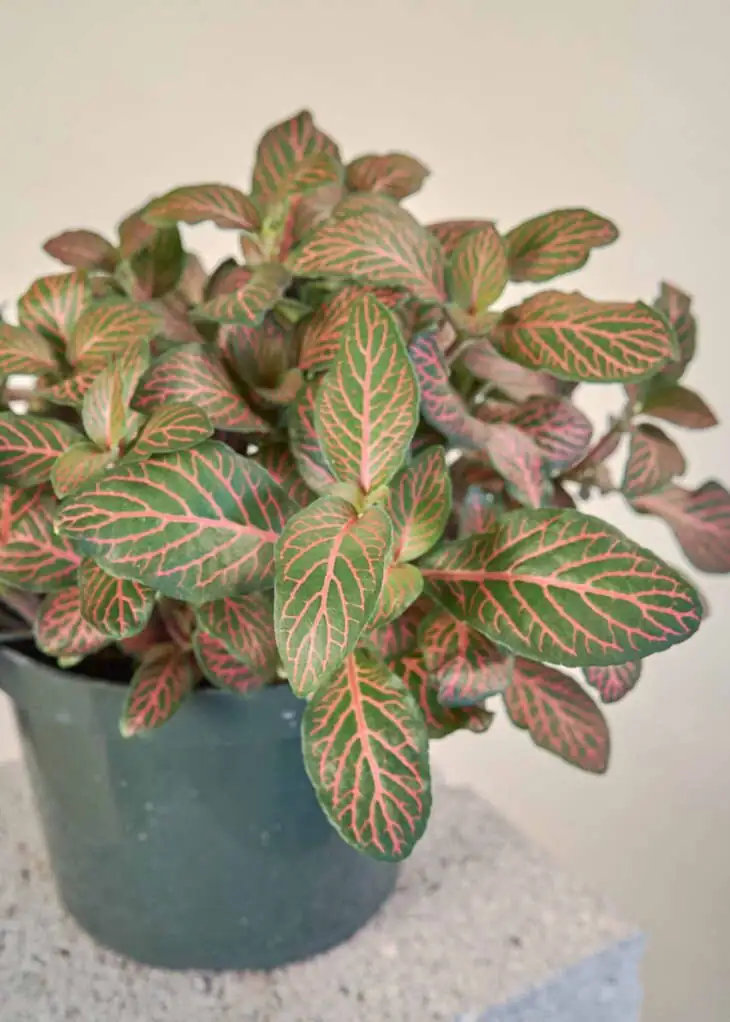
Fittonia albivenis (aka Nerve Plant, Mosaic Plant, Pink Nerve Plant) hails from the warm, humid understory of western South American rainforests—especially Peru (also Colombia, Ecuador, and Bolivia). Its calling card: small, velvety oval leaves laced with vivid pink, white, or red veins, as if painted by hand. It’s compact (about 10–20 cm tall, spreading to ~20 cm), creeps and trails, and thrives in bathrooms, kitchens, and terrariums where moisture and humidity stay steady. Bright, indirect light and warm, draft-free air keep it lush. It’s generally non-toxic to pets, and yes—terrariums are its happy place.
The Science of the Swoon: Turgor Pressure 101
What actually holds a Fittonia leaf up?
Think of each leaf cell as a tiny water balloon. When full, the balloon presses firmly against the cell wall—this internal pressure is turgor. Turgor is what makes stems upright and leaves crisp. When water exits the cell (through transpiration or because the roots can’t supply enough), turgor drops. The plant deflates. Cue the swoon.
Why does Fittonia collapse so fast?
- Understory adaptation: In rainforest leaf litter, water is frequent and humidity is high. Fittonia evolved for consistent moisture, not drought.
- Soft architecture: Thin, flexible stems and leaves rely heavily on turgor—not woody scaffolding—for posture. Lose pressure, lose posture.
- Surface area vs. roots: Lots of leaf surface relative to shallow, fine roots means moisture imbalances show quickly, especially in dry rooms.
Surprise twist: Overwatering can also cause wilting
It looks like thirst, but it’s really root stress. Waterlogged, airless media suffocates roots, cutting off water uptake. Leaves droop, yellowing often follows. Always verify the soil is truly dry before giving a “pick-me-up” drink.
From Pancake to Perky: Recovery Timelines
When Fittonia faints from dryness and you water promptly:
- First signs of bounce-back: often within 30–90 minutes as cells rehydrate.
- Near-full perk: usually within a few hours.
- Full cosmetic recovery: browned edges or shed leaves won’t un-brown; new growth replaces them over days to weeks.
If it stayed dry too long, some leaves are lost. If the potting mix turned hydrophobic (water beads and runs off), bottom-water or soak the pot for 15–30 minutes to re-wet the root zone evenly. Always use room-temperature water.
Preventing Repeat Faints: Simple, Sustainable Habits
Light: Bright and filtered, not harsh
- Give bright, indirect light or partial shade; set back from a south/west window or use an east exposure.
- Harsh sun scorches and accelerates moisture loss; too little light weakens growth and washes out veining.
Watering rhythm: Consistency beats heroics
- Aim for evenly moist—not soggy—soil year-round.
- Water thoroughly when the top 1–2 cm of mix feels slightly dry. Tip the pot after watering to pour off any saucer runoff.
- If you’re forgetful, consider:
- Bottom-watering occasionally to saturate evenly (then drain well).
- A breathable, water-retentive mix (see below).
- A small, self-watering insert or a wick system—just keep the reservoir modest to avoid waterlogging.
Potting mix and pot choice
- Use an airy, moisture-retentive blend: peat or coco coir + perlite (optionally a little coarse sand). This balances water-holding with oxygen.
- Choose a small pot with drainage holes; Fittonia likes a snug home. Repot in spring only when root-bound or the soil is tired—about every 1–3 years, stepping up one size.
Humidity: The quiet cornerstone (aim for 60%+)
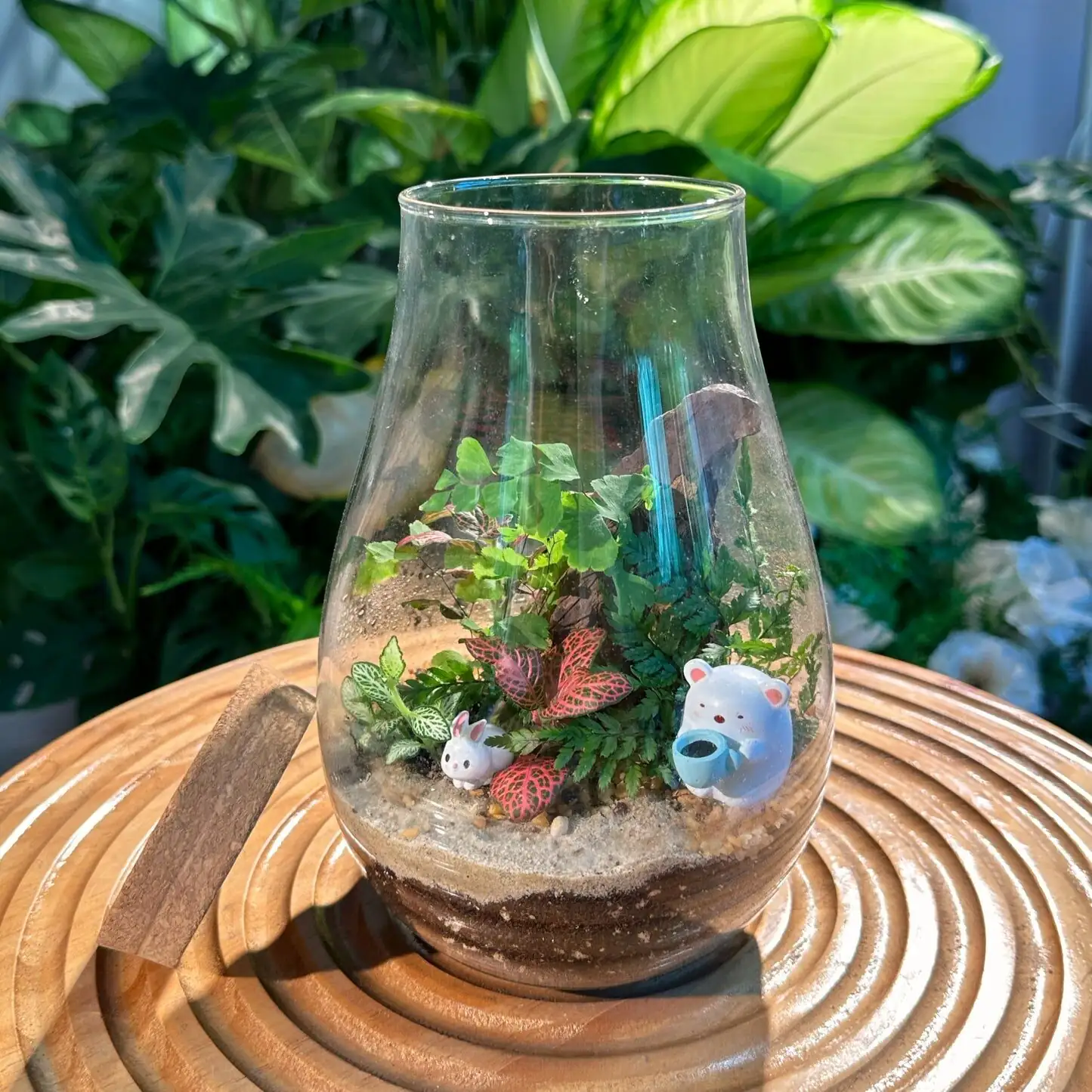
- Terrariums are ideal; otherwise, cluster plants, use a pebble tray, or run a humidifier.
- Light misting can help, but avoid leaving foliage wet overnight, which encourages disease.
Temperature and airflow
- Sweet spot: roughly 18–25°C (64–77°F). Try to keep it above 15°C (59°F).
- Keep away from cold drafts, heater blasts, and air conditioners that desiccate leaves.
A little grooming and food
- Pinch tips to encourage branching and a fuller mat.
- Feed lightly in spring through autumn with a balanced liquid fertilizer at half-strength every 2–4 weeks; ease off in winter.
Bonus: Water culture
- Fittonia can grow in water. Rinse soil from roots, place in bright, indirect light, and change water every 7–10 days during active growth.
- During propagation, add a very diluted hydroponic nutrient about every 2 weeks. Keep solution off the leaves.
The Emergency Swoon Kit (Do This When It Collapses)
- Touch-test the soil.
- Bone-dry? Water thoroughly with room-temp water. If runoff races through, bottom-water/soak 15–30 minutes, then drain.
- Soggy? Do not water. Improve drainage immediately, move to a warm, bright spot, and let excess moisture leave the pot.
- Raise humidity to 60%+ (humidifier or pebble tray) and keep out of direct sun.
- Hold fertilizer and pruning until turgor returns; remove only crispy leaves.
- Stabilize temperature (18–25°C) and protect from drafts.
- Expect perk-up within hours if dehydration was brief.
Troubleshooting Droop by Touch and Clues
- Soil very dry + pot feels light + leaves limp: classic thirst. Water thoroughly; expect a quick rebound.
- Soil wet/soggy + yellowing leaves + fungus gnats: overwatering/poor drainage. Aerate soil, ensure drainage holes, let mix approach slightly dry before the next water.
- Moist soil but persistent droop: check humidity, temperature (too cold), or light (too bright/too dim). Also inspect for spider mites in dry rooms.
Common pests include spider mites (especially in low humidity), mealybugs, scale, aphids, and fungus gnats (often a sign of overly wet soil). Treat early with insecticidal soap or horticultural oil, repeating as directed.
Propagation and Shape Control
- Tip cuttings (5–10 cm) root easily in water or moist mix in 2–3 weeks at 20–24°C.
- Stems root at nodes—try layering by pinning a runner to soil until it roots, then divide.
- Regular pinching keeps a dense, trailing cushion.
Quick FAQs about the Fainting Plant
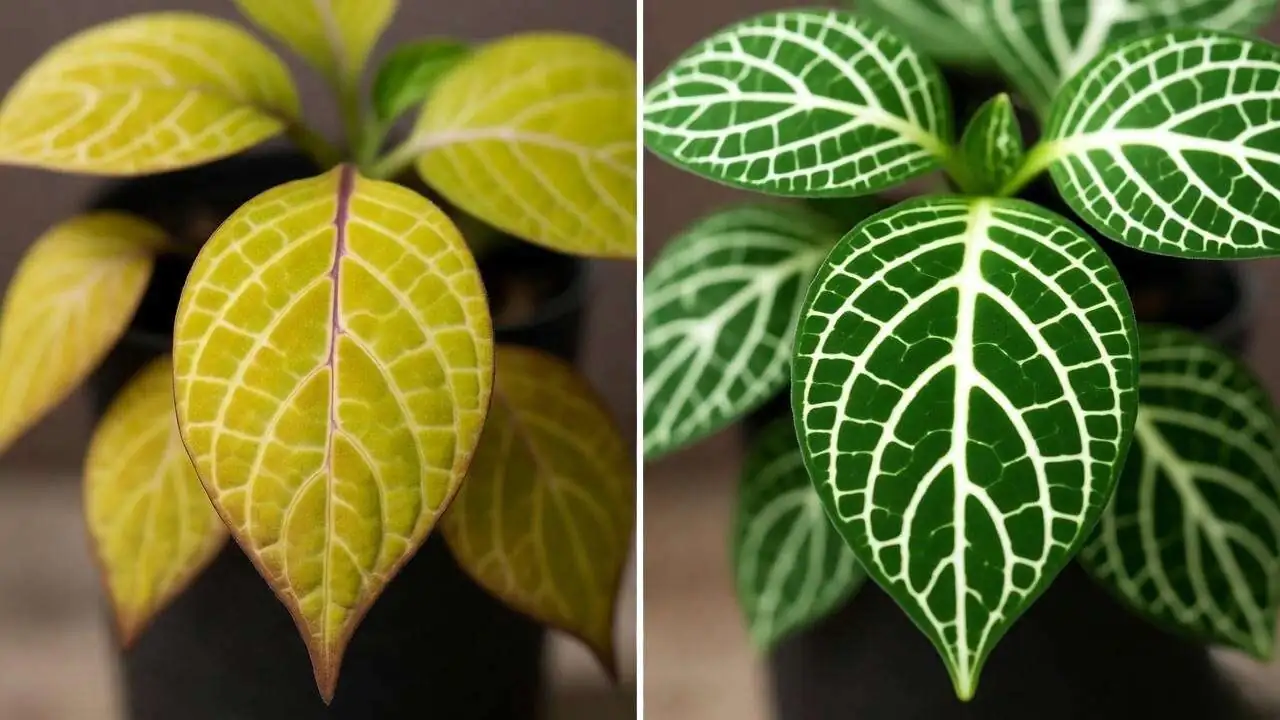
- Why are the leaves yellowing? Most often overwatering/poor drainage or cold stress. Let the top 1–2 cm dry slightly before watering, ensure free drainage, and keep temps above 15°C.
- Will it flower? Yes—small, pale tubular blooms in summer to autumn, but they’re modest. Many people pinch them off to focus energy on foliage.
- Is it safe for pets? Generally regarded as non-toxic to cats and dogs, though any nibbling can cause mild stomach upset.
Symbolism: Living Artwork with a Pulse
Nerve Plant is often linked with vitality and “living artwork.” The intricate veining reads like hand-laid mosaic, while its dramatic faint-and-revive cycle turns care into performance art—an elegant reminder that resilience thrives with steady support. Unlike formal “flower language” traditions, Fittonia’s symbolism is modern and observational: beauty sustained by balance, and vigor that returns when conditions are right.
The Big Picture
Fittonia’s theatrics aren’t a flaw—they’re feedback. When you tune conditions to warm, bright-indirect light, humid air, and consistently moist (not soggy) soil, the curtain falls on the collapses and the foliage stays crisp, colorful, and gloriously showy. Master the moisture, and your drama queen turns into a delightfully reliable scene-stealer.