

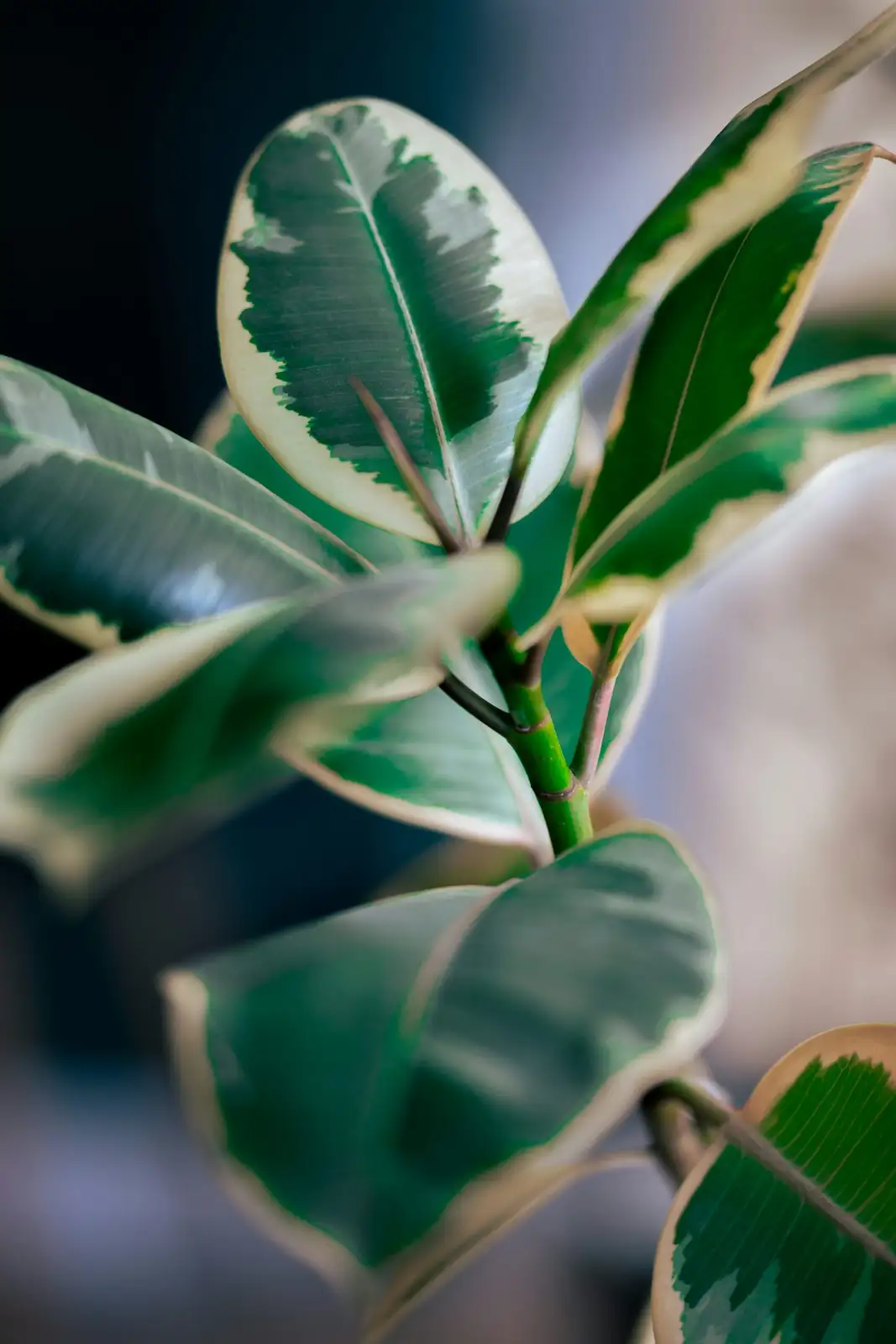
Nerve Plant (Fittonia albivenis) may look like living stained glass—soft, oval leaves quilted with electric pink, white, or red veins—but it’s also a bit of a drama queen. It “faints” when thirsty, loves steamy air, and will tell you fast when something’s off. The good news? With a friendly IPM (Integrated Pest Management) plan, you can keep those delicate leaves pristine, pests at bay, and the soil free from fungus gnats—without reaching for harsh chemicals.
Here’s your battle plan.
Meet your plant and its pressure points
- Origin and vibe: A tropical creeper from the rainforests of western South America, Fittonia thrives in warm, humid, filtered light—think bathrooms, kitchens, bright shelves set back from windows, or terrariums.
- What it loves: Bright, indirect light; temperatures around 18–25°C (64–77°F); and humidity at 60% or higher.
- What it hates: Harsh direct sun, cold drafts, and long dry spells. It’s famous for sudden wilting (“fainting”) if the mix dries too much—usually reversible with a thorough drink.
- Size and habit: Compact (about 10–20 cm tall) but can trail 30–60 cm with age. Stems root at the nodes, making it easy to fill a pot or take cuttings.
IPM takeaway: Keep conditions stable—moist but not soggy soil, warm temps, and consistent humidity. A steady plant is a pest-resistant plant.
Spot trouble early on those delicate leaves
Fittonia leaves bruise easily, so your best defense is early detection. Do a 30-second check when you water:
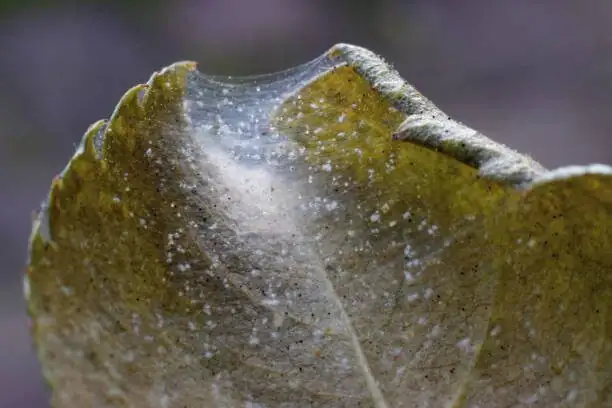
- Spider mites
- Early signs: Fine stippling (speckled, dusty look), curled or bronzed patches, ultra-fine webbing—especially under leaves.
- Where to look: Leaf undersides and new growth, particularly if air is hot and dry.
- Mealybugs
- Early signs: Cottony tufts in leaf axils and along stems; sticky residue.
- Aphids
- Early signs: Tender new tips curling, sticky honeydew, clusters of soft-bodied insects on shoots.
- Scale
- Early signs: Dome-like, stuck-on bumps that don’t brush off easily; leaves may yellow or drop.
- Fungus gnats
- Early signs: Tiny mosquito-like adults hovering near soil; the top of the mix stays wet; seedlings or cuttings look sulky. Adult gnats are harmless, but their larvae feast on decaying matter and tender roots in overly moist soil.
IPM takeaway: Flip leaves. Use a magnifier if needed. Catching pests at “speckle and dust” beats fighting full webbing later.
Humidity as your ally (without inviting rot)
Spider mites hate moisture in the air. Fittonia loves it. Leverage that.
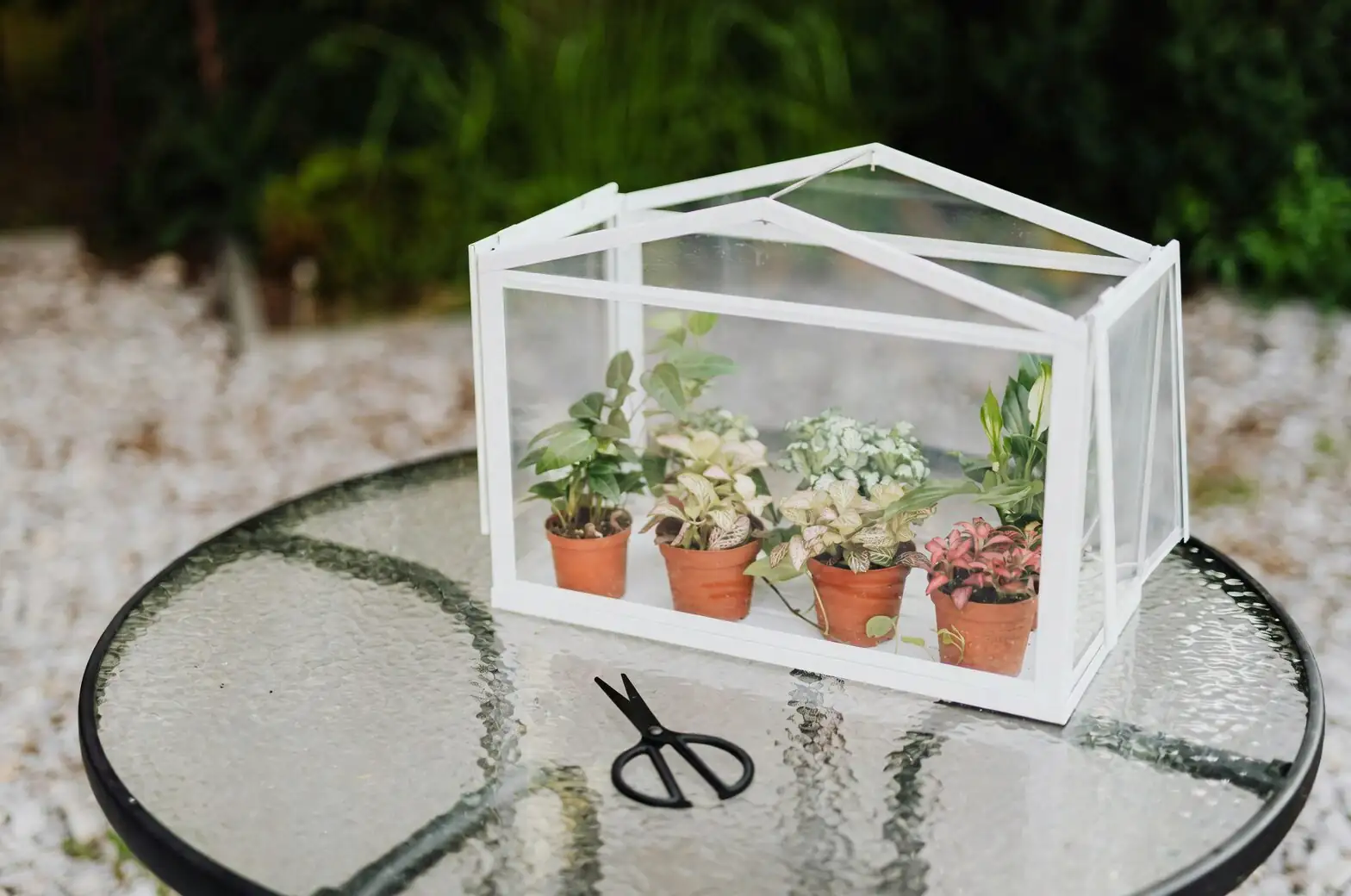
- Aim for 60%+ humidity for lush, crisp leaves. Terrariums are stellar—as long as you don’t let the mix stay waterlogged.
- In open rooms:
- Use a pebble tray or a humidifier.
- Cluster plants, but keep a little space so leaves don’t rub and bruise.
- Add gentle airflow (a small fan across the room) to prevent stale, still air that encourages fungus and gnats.
- Avoid leaving foliage wet overnight—misting can help short-term, but don’t drench. Morning is best.
IPM takeaway: Pair high humidity with gentle airflow. That sweet spot reduces mite pressure without creating a gnat nursery.
The soap-and-oil rotation playbook
You can outpace most soft-bodied pests with a simple, low-toxicity rotation and gentle technique. Fittonia’s leaves are tender, so be kind.
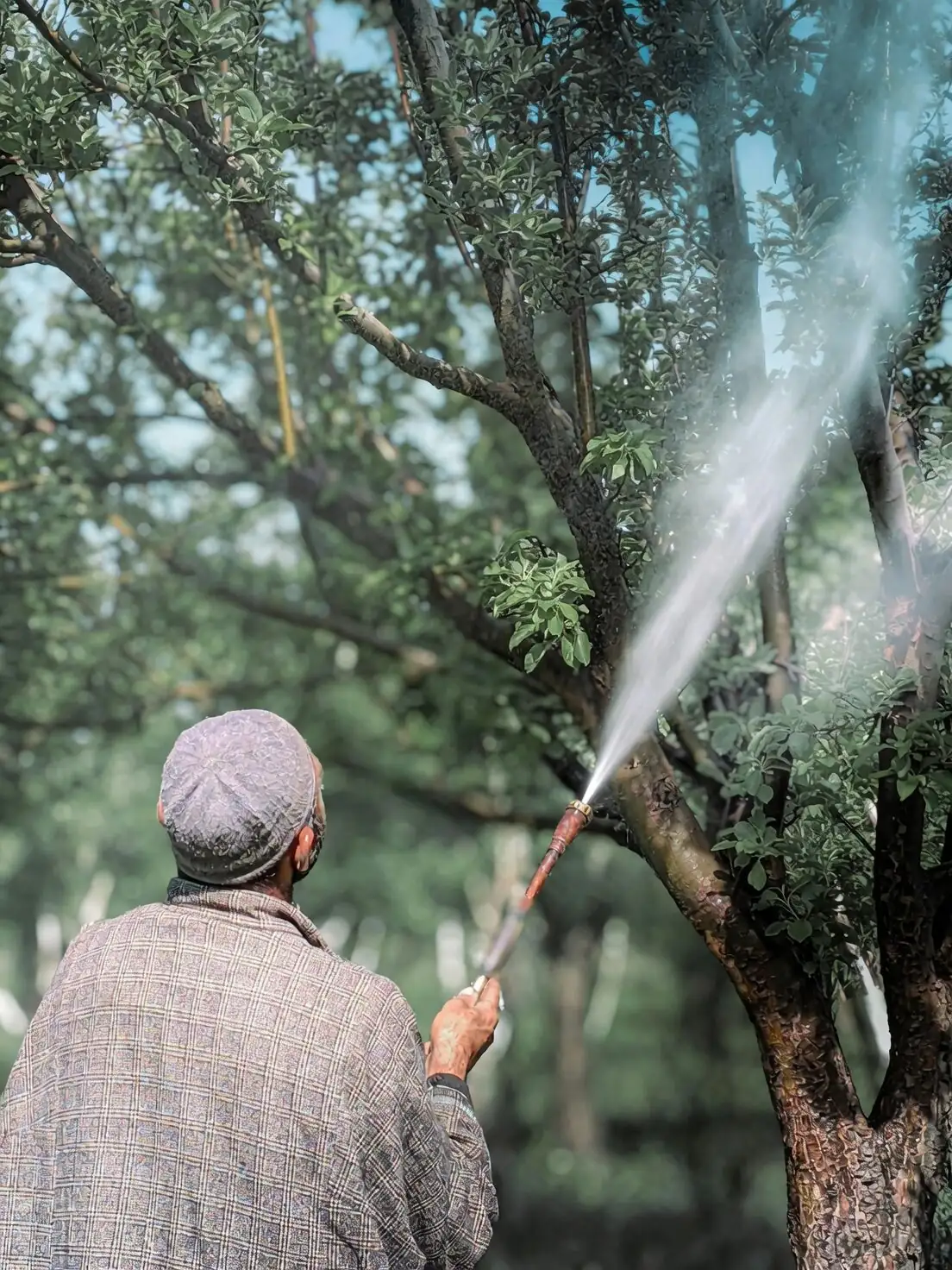
- First, isolate and stage
- Move the plant away from others.
- Prune heavily infested tips (seal and discard).
- Cover your surface; treatment drips happen.
- Test first
- Patch-test one leaf with your product(s) and wait 24 hours. Fittonia foliage can be sensitive.
- Choose your tools
- Insecticidal soap: Target mites, aphids, mealybugs, and young scale. Use a commercial product (gentler than DIY detergents).
- Horticultural oil (about 2% solution when labeled for indoor plants): Smothers pests and eggs; great follow-up to soap.
- Cotton swabs: Dab mealybugs and scale with product directly.
- Soft shower: A lukewarm, low-pressure rinse removes dust, mites, and honeydew—be extra gentle to avoid bruising.
- Application rhythm (for light-to-moderate infestations)
- Day 1: Thoroughly spray insecticidal soap—top and, crucially, undersides of leaves and stems. Let it sit per label; gently rinse after a couple of hours if desired.
- Day 5–7: Apply horticultural oil. Avoid bright light and heat during/after treatment.
- Repeat this alternating cycle 2–3 times at 5–7 day intervals to break life cycles.
- Between treatments: Keep humidity up, raise light slightly (still indirect), and maintain gentle airflow.
- Pro-tips for success
- Never mix oil and soap in the same spray unless a label explicitly says so.
- Don’t spray heat- or drought-stressed plants. Treat early morning or evening.
- For terrarium-grown Fittonia, remove the plant to treat, let it dry thoroughly, then return.
- Heavy mite cases
- Consider releasing predatory mites (e.g., Phytoseiulus persimilis) in greenhouses or dedicated plant rooms. They don’t bite people and stay on plants but need compatible humidity/temps.
- Indoors on a single houseplant, repeated soap/oil care and pruning are usually simpler.
IPM takeaway: Gentle, thorough coverage and repeat timing win. Think “consistent nudges,” not one-time nukes.
Fungus gnat fixes: drainage and airflow first
Fittonia likes steady moisture, but fungus gnats love a perpetually damp, stagnant surface. You can have moisture without gnats.
- Watering tune-up
- Water thoroughly when the top 1–2 cm (0.4–0.8 in) feels slightly dry. Avoid the “always wet” surface that gnats crave.
- If gnats are present, extend the surface dry-down a tad—without pushing the plant to a dramatic wilt. Watch closely for that “fainting” signal.
- Bottom-water occasionally to keep the surface drier, then drain excess.
- Potting mix and pots
- Use an airy, moisture-retentive but free-draining blend (peat or coco with perlite; a pinch of coarse sand optional).
- Always use a pot with drainage holes.
- If the mix smells sour or stays wet for days, refresh the soil and check that the rootball isn’t compacted.
- Airflow and light
- Provide gentle air movement over the soil surface to discourage adult gnats and speed surface drying.
- Bright, indirect light helps the plant use water more predictably.
- Simple add-ons
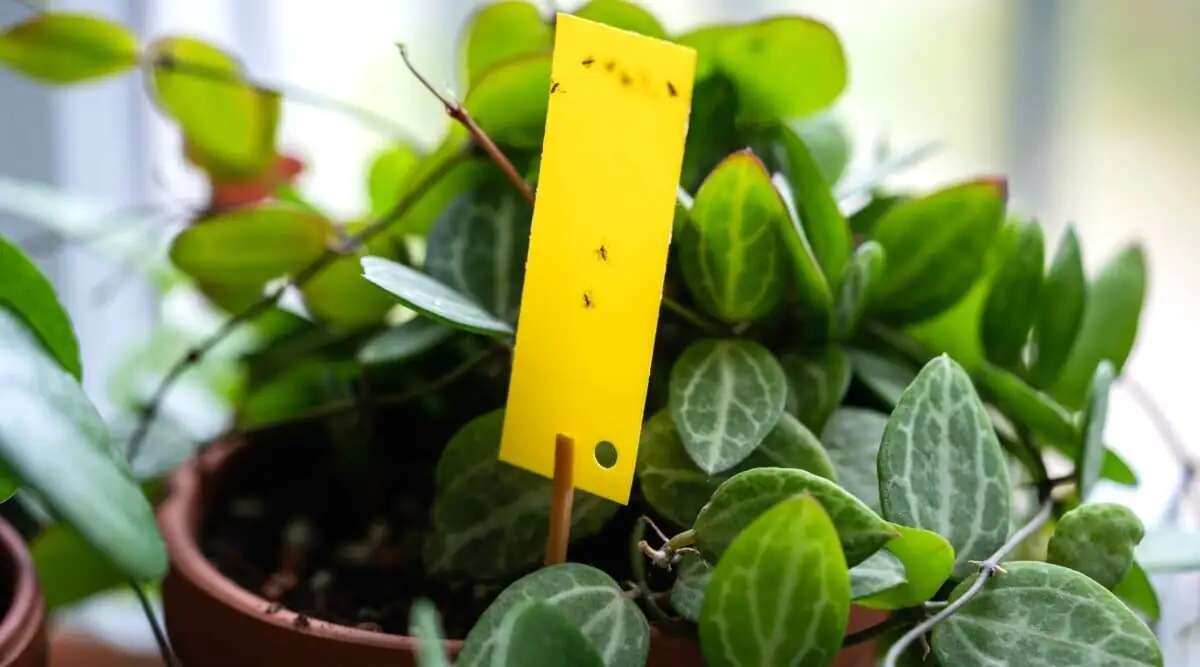
- Yellow sticky traps catch adult gnats (great for monitoring).
- Top-dressing with a thin layer of coarse sand or fine gravel can help keep the upper surface less hospitable.
- Where permitted and labeled for container use, a biological larvicide containing Bacillus thuringiensis israelensis (BTI) can target larvae in the soil.
IPM takeaway: Fix the conditions gnats love—soggy surface, stale air—then add traps or BTI if needed.
Quarantine, cleanliness, and smart scouting
- Quarantine new plants for a couple of weeks.
- Wipe shelves and saucers; pests can ping-pong between pots.
- Rinse dust from leaves periodically—clean leaves are easier to inspect, and clean pores breathe better.
- Keep temps above 15°C (59°F) to avoid stress-related leaf drop or collapse.
Quick care refresher (prevention is powerful)
- Light: Bright, indirect to partial shade; avoid strong direct sun that can scorch.
- Water: Evenly moist, never soggy; don’t let it bone-dry. Expect a speedy wilt if you do—it usually perks up after watering, but repeated swings stress the plant.
- Humidity: 60%+ is ideal; terrariums are perfect if you manage water and airflow.
- Feeding: Half-strength, balanced liquid fertilizer every 2–4 weeks in spring–autumn; ease off in winter if growth slows.
- Pruning: Pinch tips for bushiness; remove flowers if you prefer denser foliage.
- Repotting: Every 1–3 years or when root-bound; size up modestly to avoid prolonged wetness.
- Propagation: Tip cuttings root readily in water or moist mix; warmth and humidity speed things along.
Are soaps and oils safe for Fittonia?
Fittonia’s leaves are thin and easily bruised. Commercial insecticidal soaps and horticultural oils are considered low-toxicity and effective against soft-bodied pests, but:
- Always patch-test and follow label directions.
- Avoid DIY dish-detergent mixes—additives can be harsh and phytotoxic.
- Treat out of direct sun and heat, and don’t over-concentrate.
Pet safety
Nerve Plant is generally regarded as non-toxic to cats and dogs. Still, nibbling any houseplant can cause mild tummy upset, so keep it out of reach of curious grazers.
A note on symbolism
With leaves that look hand-painted, Fittonia is often linked to vitality and “living artwork.” It’s an apt metaphor for IPM, too: a living system in balance. Keep that balance—moisture, humidity, airflow—and your mosaic marvel will reward you with fresh, glowing growth.
The bottom line: Nurture the environment your Fittonia loves, scout early, and use gentle, well-timed soap-and-oil rotations. Pair that with great drainage and a bit of airflow, and both pests and fungus gnats lose their footing—while your nerve plant keeps its cool.