

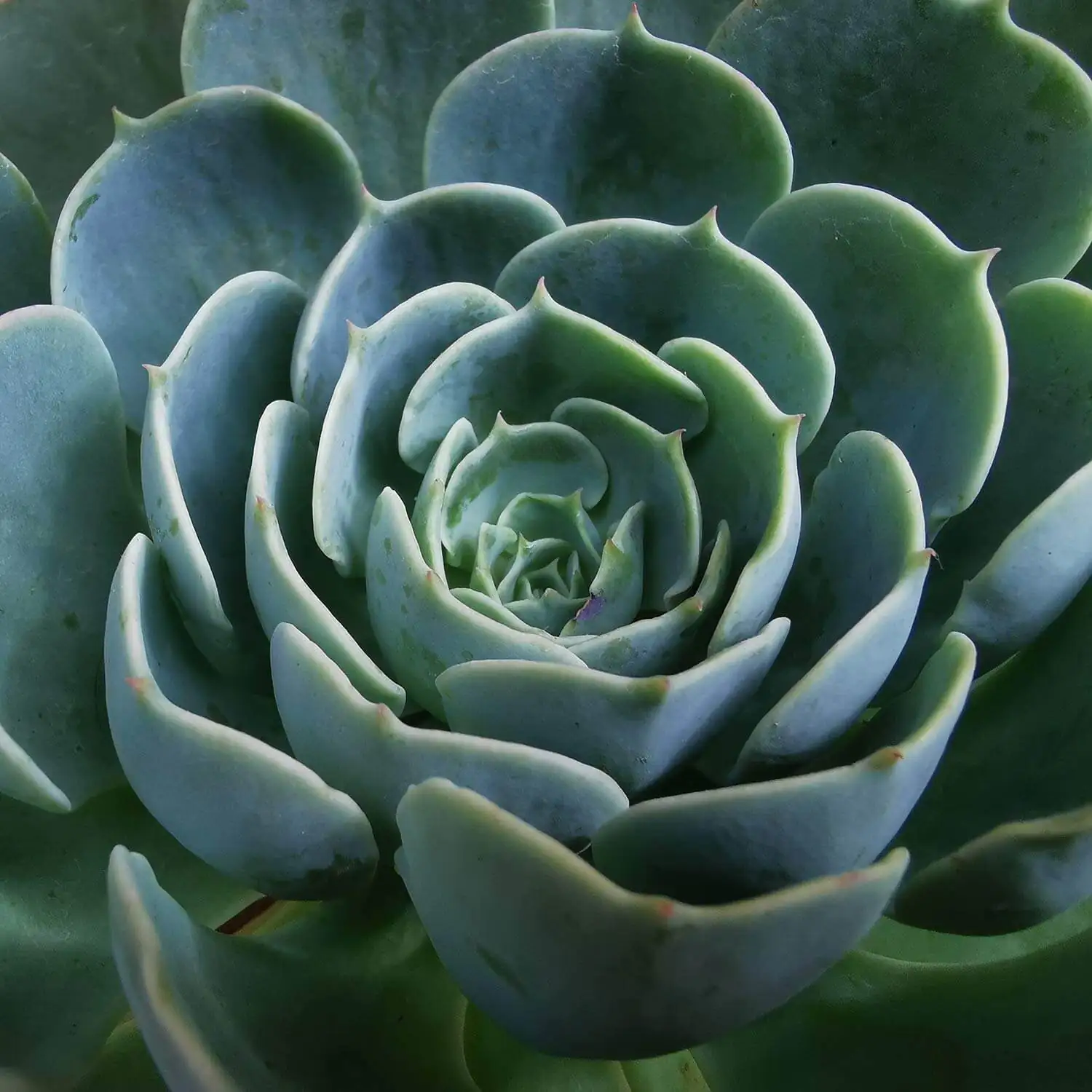
Echeveria elegans is a love story told in slow motion—a perfectly poised rosette that endures sun, dry spells, and time, then surprises you each year with a delicate spray of bell-shaped flowers. No wonder modern plant lovers gift it as shorthand for resilience and a love that lasts.
Meet the Mexican Snowball (Echeveria elegans)
Native to Mexico’s semi‑arid highlands (often cited from Hidalgo), this “stone rose” keeps a lotus-like form: tight, symmetric rosettes 8–15 cm wide, dressed in a soft, powdery blue‑gray to blue‑green. That frosty bloom—called farina—is nature’s sunscreen and raincoat in one, protecting leaves from sun and stress. It’s beautiful, and also fragile: admire it, don’t rub it.
- Family: Crassulaceae (stonecrop family)
- Also known as: Mexican Snowball, Glaucous Echeveria, Mexican Gem, Pearl Echeveria, White Mexican Rose; in Chinese horticulture, 玉蝶 (Yùdié, “jade butterfly”)
- Habit: Compact rosettes that offset freely to form charming clumps
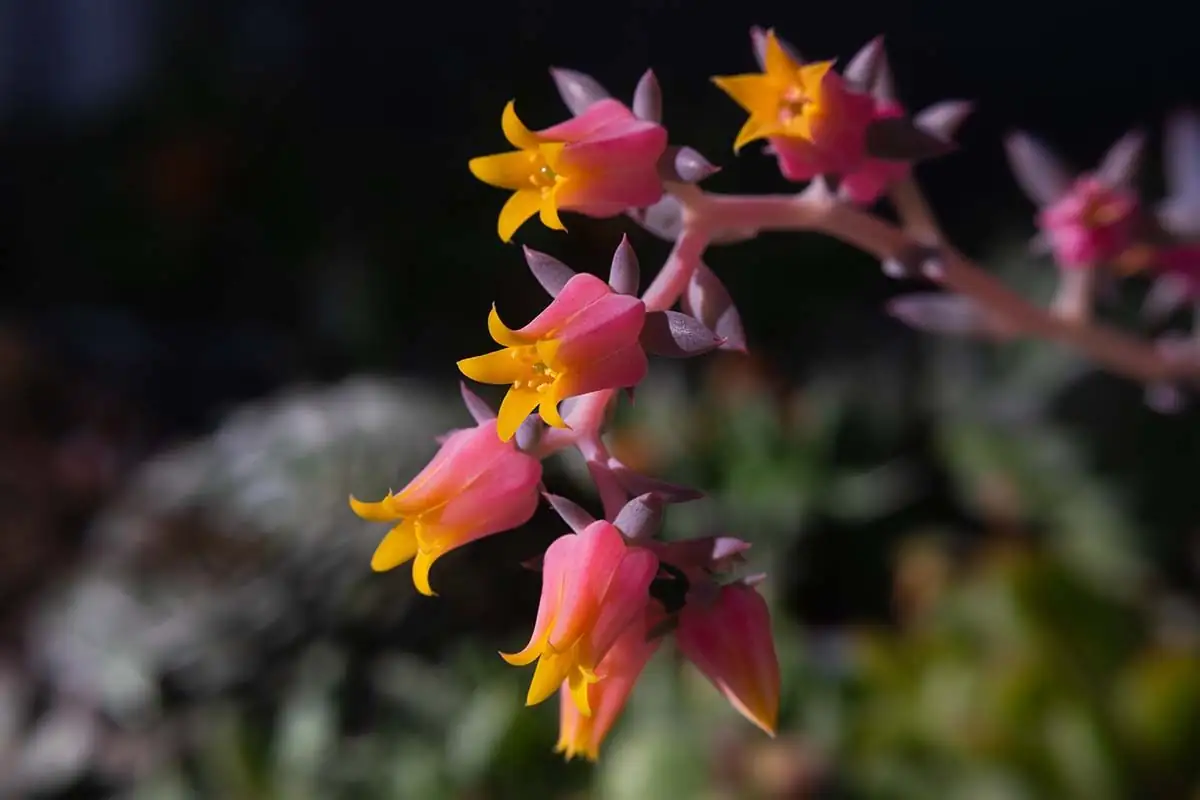
- Flowers: Slender stalks with nodding, bell-shaped blooms—often pink/red outside with yellow within—mostly from late spring into summer
- Size: About 10 cm tall out of bloom; flower stalks bring height to roughly 10–20 cm
Why this succulent symbolizes resilience and enduring love
A modern meaning, rooted in old traditions
Victorian floriography (the “language of flowers”) popularized the idea that plants carry messages—love, fidelity, patience. While the Victorians didn’t trade Instagram reels of succulents, today’s plant community has extended that vocabulary: Echeveria elegans became a modern emblem of lasting love and quiet strength because of how it lives.
- It keeps shape through drought. The rosette stays sculptural through dry spells, a living metaphor for steadiness through lean seasons.
- It protects itself gently. The farina acts as sunscreen and a water-shedding veil—like a soft guard against life’s harsher rays.
- It multiplies over time. Offsets gather around the mother rosette, evoking family, continuity, and bonds that grow.
- It’s quietly, lastingly beautiful. Unlike fleeting cut flowers, a healthy snowball brings calm, enduring grace to a windowsill for years.
In short, Echeveria elegans doesn’t shout its feelings; it keeps them, reliably, through sun, wind, and weeks between waterings.
A symbol for gifting and décor
Echeveria elegans has become a favorite for meaningful, enduring gifts and serene styling.
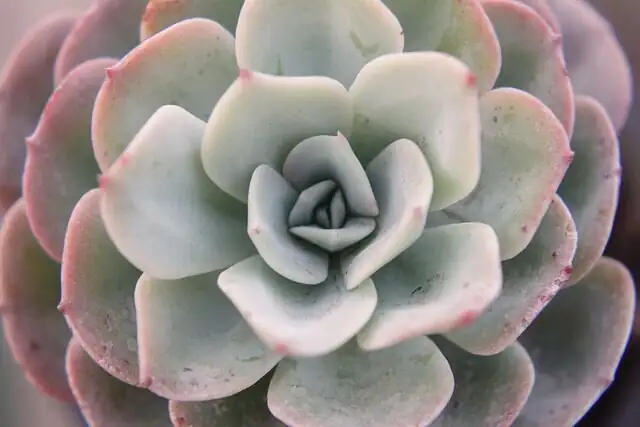
- Weddings and anniversaries: A living token of vows that hold fast. Use as centerpieces, favors, or clustered aisle accents in bright, dry venues.
- Housewarmings and new beginnings: A resilient companion for a sunny windowsill—low drama, high poise.
- Sympathy or “thinking of you”: Stands for steadfast memory and quiet strength.
- Office and minimalist décor: Matte leaves, sculptural form, and calm color anchor a space without demanding fuss.
Styling notes
- Pair with pale ceramic, raw clay, or stone bowls; top-dress with fine gravel or pumice to echo its desert roots.
- Group several rosettes for a “constellation” look, or let a single perfect snowball shine alone.
- Keep displays open and airy; avoid closed terrariums and water-trapping décor.
- In feng shui–inspired layouts, place near a bright entry for a visual cue of protection and prosperity—always with excellent light.
Bloom color whispers
Its spring–summer bells are usually coral-pink to red outside, yellow within. Many gifters read this bicolor look as “warmth wrapped around joy”—a gentle nod to love that shelters happiness.
Care that keeps the meaning alive
Think bright light, gritty soil, and a rhythm of thorough drinks followed by true dryness.
Light
- Bright light to full sun for a tight rosette and best color (aim for 4–6+ hours).
- In very hot climates, give light afternoon shade and avoid scorching midsummer sun.
- Too little light = stretching and a flatter, open rosette.
Water
- Use “soak and dry”: water deeply, then let the mix dry completely before watering again.
- Keep water out of the rosette.
- Seasonal rhythm (adjust for pot size, heat, and airflow):
- Spring–Summer: about every 7–14 days
- Autumn: every 2–3 weeks as growth slows
- Winter: sparingly—every 3–5+ weeks indoors, or even just once or twice if kept cool and bright
Soil and pot
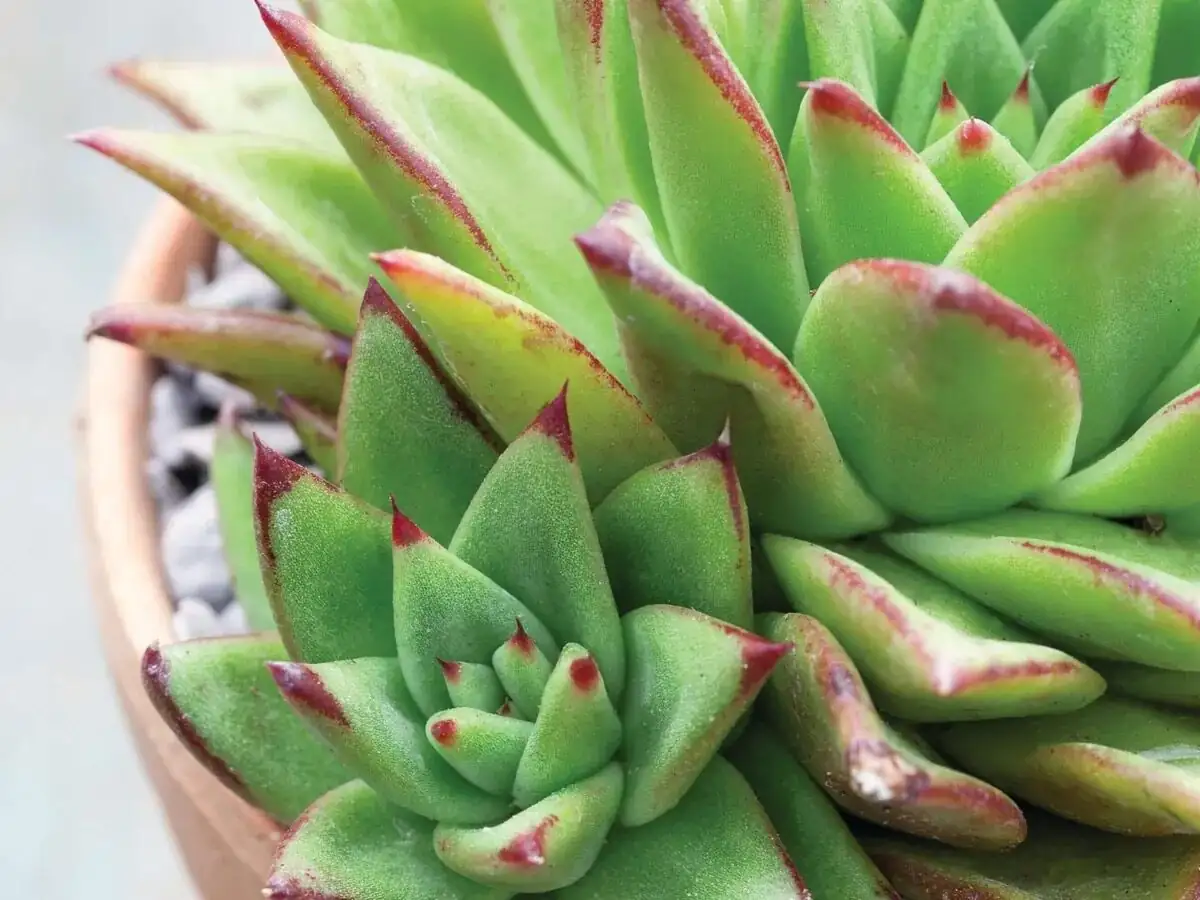
- Fast-draining, gritty cactus/succulent mix with plenty of mineral content (pumice, coarse sand, grit).
- Pot with drainage holes. Avoid water-retentive mixes.
Temperature and airflow
- Best at 15–27°C (59–81°F), sweet spot 18–25°C (64–77°F).
- Protect from frost; keep above about 5–10°C (41–50°F), especially if soil isn’t bone-dry.
- Prefers dry air and good airflow; avoid cool, humid stagnation.
Feeding
- Light touch: during active growth (spring–summer), feed at ~1/4 strength every 4–8 weeks with a cactus/succulent fertilizer.
- Skip feeding in winter; avoid splashing fertilizer onto leaves.
Grooming, repotting, propagation
- Remove dried lower leaves, and cut spent flower stalks after the show.
- Repot every 1–2 years in early spring; let any disturbed roots dry for a day before watering.
- Propagation is easy:
- Offsets: separate once pups have roots.
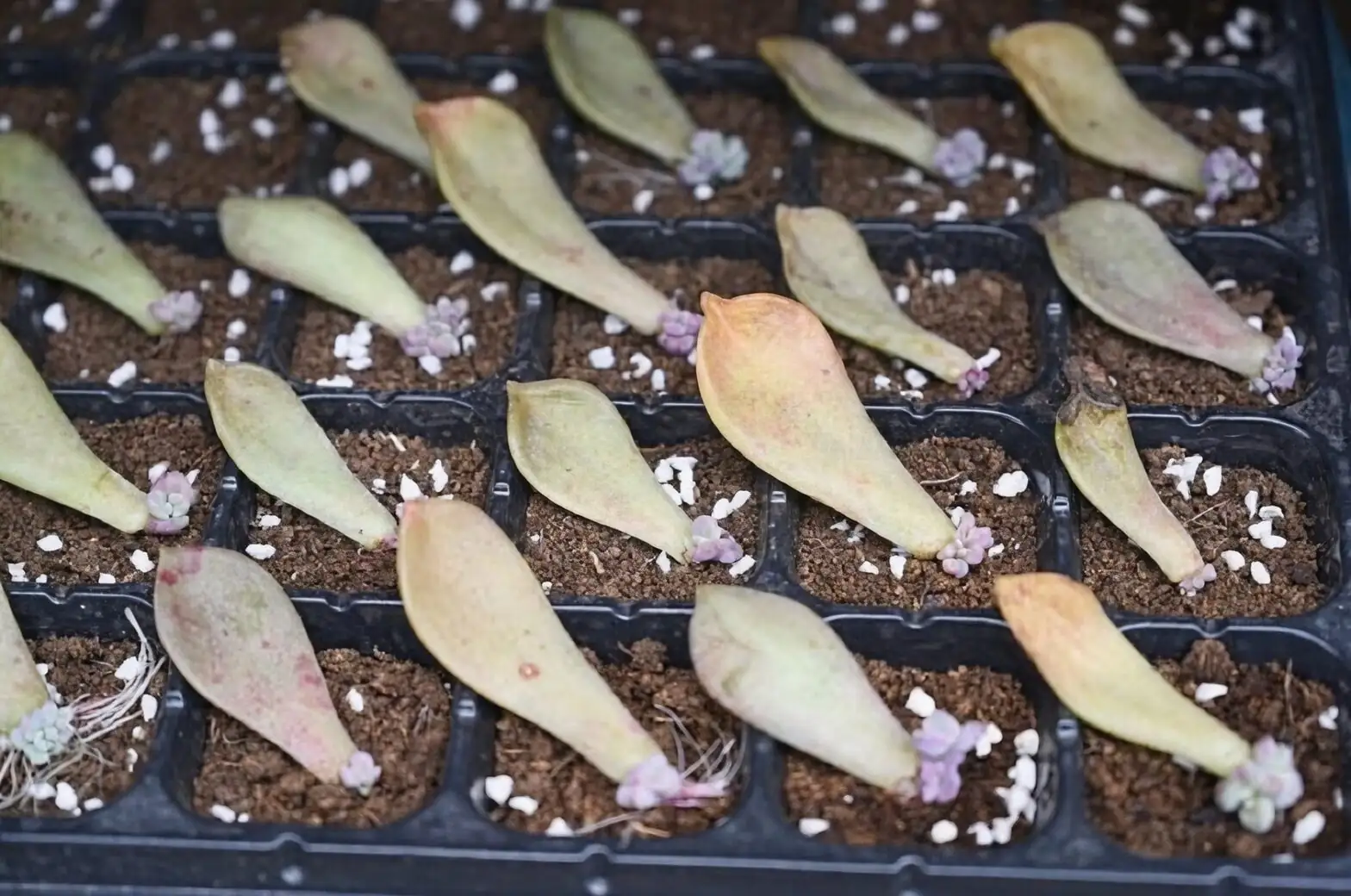
- Leaves: remove cleanly, let callus several days, then lay on dry, gritty mix; mist the substrate lightly and sparingly until roots/pups form.
- Rosette/stem cuttings: callus, then root in a gritty medium.
- Bloom timing: typically late spring into summer under bright light and good culture.
A note for tinkerers
- Some growers experiment with water culture. If you try it, keep part of the roots above the waterline and use very light nutrients only in spring/autumn. Rot risk is higher than in gritty soil.
Common pitfalls (and quick fixes)
- Stretching, opened rosette: Increase light; rotate the pot for even growth.
- Mushy, translucent lower leaves: Overwatering or poor drainage—let the mix dry fully and repot into a gritty medium.
- Fingerprints on leaves: That’s the protective farina; handle by the pot or at the base to keep the bloom pristine.
Safety
- Generally considered low-toxicity to people and pets, but nibbling can cause mild stomach upset. Keep out of reach of curious mouths.
A brief backstory
The genus honors Atanasio Echeverría y Godoy, an 18th‑century Mexican botanical illustrator. Echeveria elegans rose to global stardom because it’s compact, photogenic, and wonderfully shareable—one rosette becomes a small colony over time. Gardeners pass along offsets like living keepsakes, a quiet tradition that beautifully matches its symbolism.
Choosing the perfect plant to gift
- Look for a centered, tight, symmetrical rosette with firm leaves and an even, powdery coating.
- Avoid mushy or scarred leaves, blackened bases, visible pests, or heavy leaf drop.
- Include a tiny care card with three lines: “Bright sun. Soak and dry. Don’t touch the powder.”
The heart of the Mexican Snowball
Resilience isn’t loud. It’s the way a snowball succulent keeps its form between rainfalls, the way it blushes softly at the leaf edges in bright light, the way it offers new rosettes without ceremony. Gift Echeveria elegans when you want to say: I’m here for the long seasons. I will endure, and so will our love.