

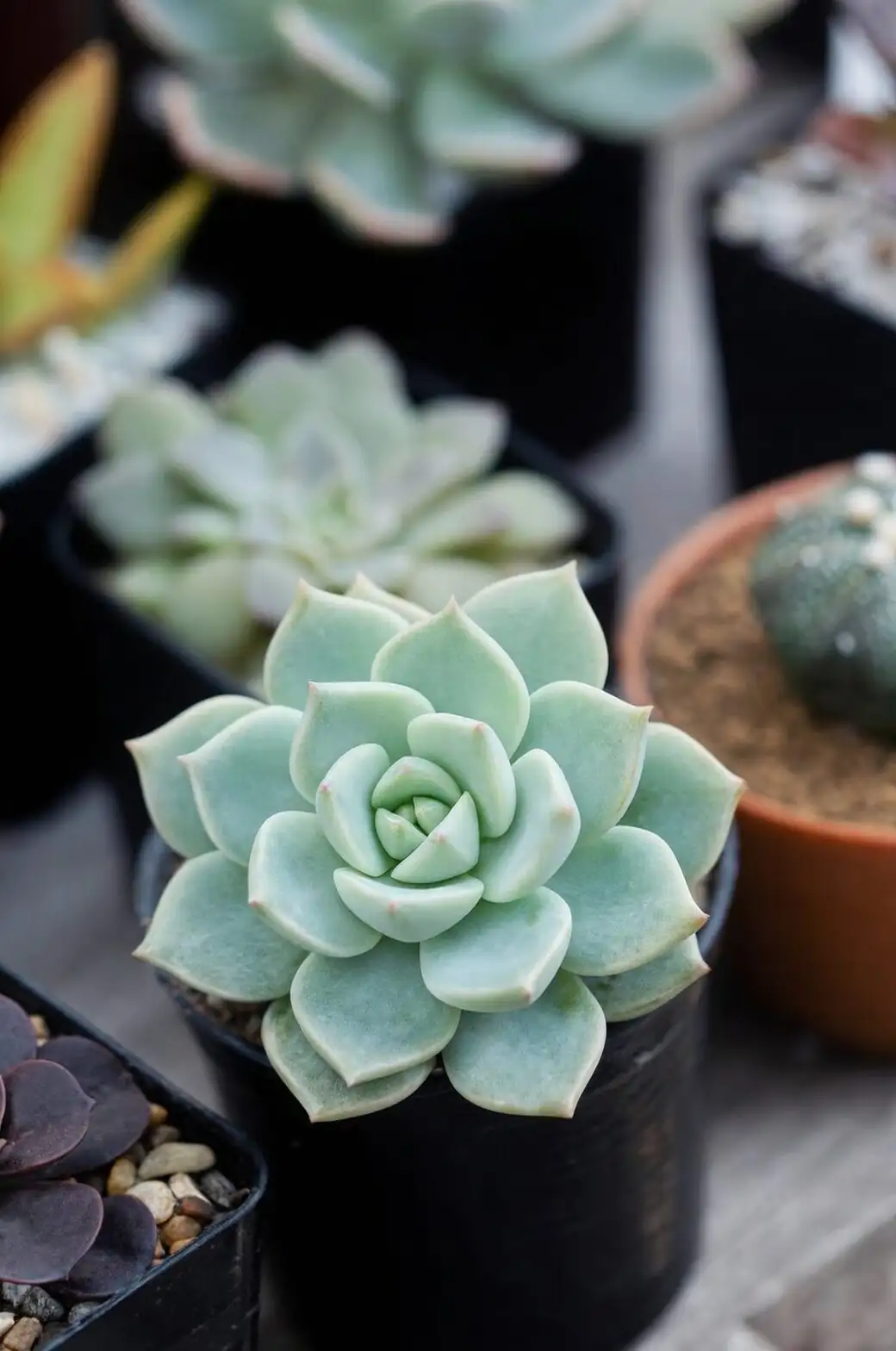
Your Mexican Snowball (Echeveria elegans) looks waterlogged, squishy, and on the brink? Don’t panic—move fast. This is a step‑by‑step, no‑nonsense rescue to diagnose overwatering, save healthy tissue, callus correctly, and reroot in a gritty mix that dries fast and keeps rot at bay. Ready? Let’s get that rosette back to sculptural, powdery perfection.
Step 1: Confirm it’s overwatering—not drought or sun stress
Overwatering is the number one way this frost‑tender rosette succulent goes down. Look for:
- Lower leaves turning translucent, jelly‑soft, or slipping off with a gentle touch
- A sour, swampy smell from the soil or stem
- A base that’s blackened or mushy
- Soil that stays wet for days (heavy pot) and a rosette that opens flatter than usual
- Stretching (etiolation) if light has also been low
Not overwatering:
- Slightly wrinkled but still firm leaves = simply thirsty. The mix is bone-dry; the pot feels light.
- Crispy leaf tips after a heatwave = sun/heat stress, especially if water pooled in the rosette.
Fast rule: If it’s mushy or smells off, you’re dealing with rot from excess moisture and poor airflow/drainage.
Step 2: Immediate triage (10-minute fix)
- Stop watering. Do not “rescue water.”
- Move to bright, airy light—ideally 4–6+ hours of sun—with light afternoon shade in very hot climates. Avoid deep shade.
- Wick any water out of the rosette with a corner of paper towel. Keep that beautiful farina (the powdery bloom) dry and untouched if possible.
- If the pot has a saucer, dump standing water.
Now you’re set to unpot and inspect.
Step 3: Unpot and diagnose the roots (the truth test)
Tools: sharp scissors/pruners, isopropyl alcohol (70%+), paper towels, a clean tray.
- Slide the plant out gently. Crumble away wet, peaty mix with your fingers—don’t rinse into the rosette.
- Healthy roots: firm, pale tan to white.
- Rot: black or dark brown, mushy, hollow, or foul-smelling.
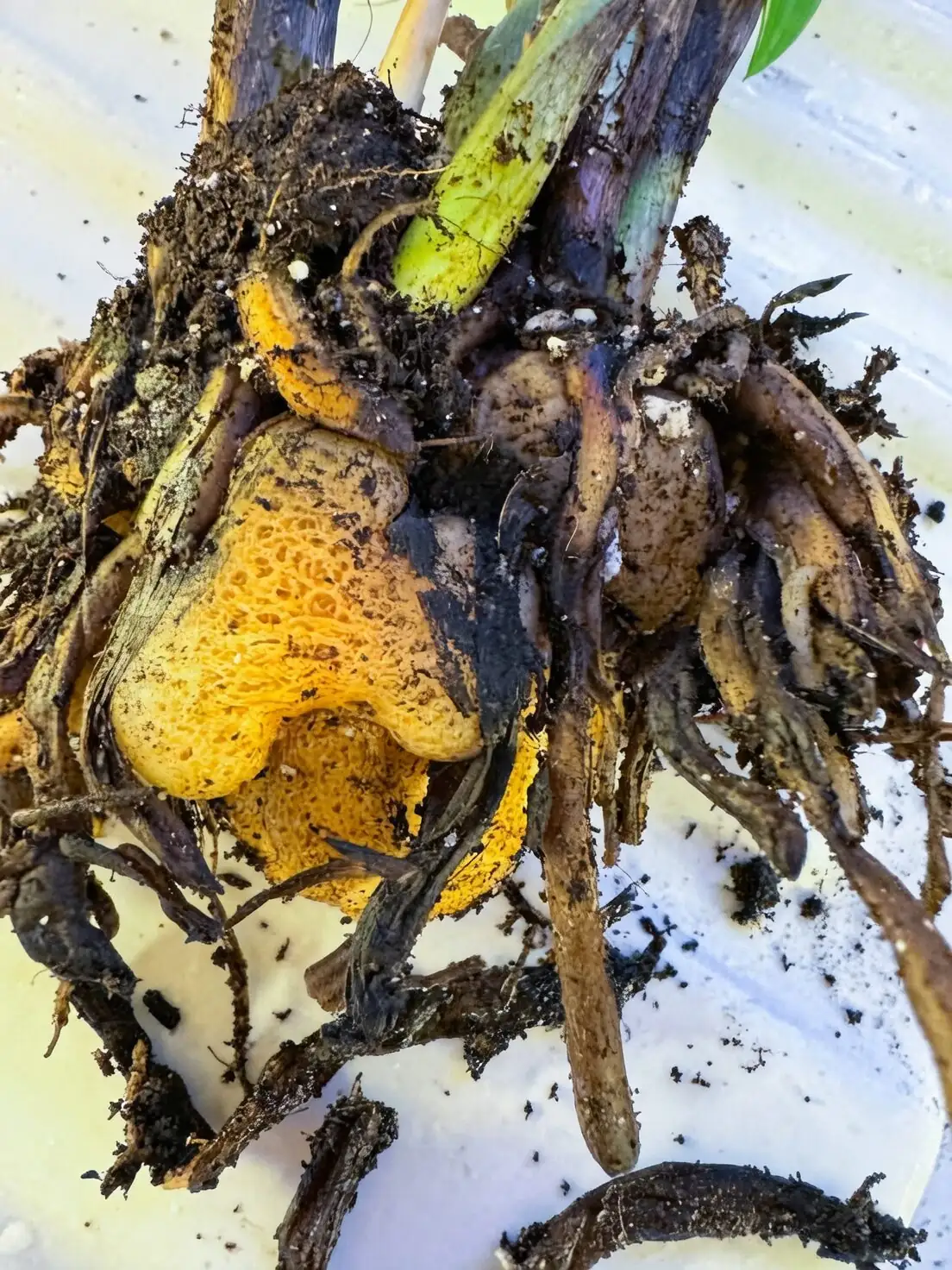
Decision time:
- If most roots are healthy with only minor rot: go to Plan A (trim + dry + repot).
- If the base/stem is blackened or mush is creeping upward: go to Plan B (behead and reroot the rosette).
Step 4A (Plan A): Minor rot—save the root system
1) Sterilize tools. Wipe blades with alcohol between cuts.
2) Trim away all dark, mushy roots and any blackened stem tissue.
3) Optional: Dust cuts lightly with a dry sulfur powder or a labeled succulent-safe fungicide. Not required, but helpful in cool, humid conditions.
4) Air-dry the plant, bare-root, 24–48 hours in bright, indirect light with strong airflow. You want every cut surface dry and leathery.
Then repot (see gritty mix recipe below), set the plant high so no leaves touch the soil surface, and wait 3–7 days before the first light drink. Resume a “soak and dry” rhythm only after the mix has fully dried between waterings.
Step 4B (Plan B): Advanced rot—behead and reroot the rosette
If the stem/base is compromised, your best move is a clean decapitation and fresh start.
How to cut:
- Find firm, green, unblemished tissue about 2–5 cm (1–2 in) below the tightest, compact growth. Avoid brown, woody zones if you can—they root more slowly.
- Make a single, smooth cut straight across with sterilized blades.
- Gently remove a few lower leaves to expose 1–2 cm (0.5–1 in) of clean stem for planting. Peel by rocking each leaf side to side so it detaches cleanly—this preserves farina and avoids tearing.
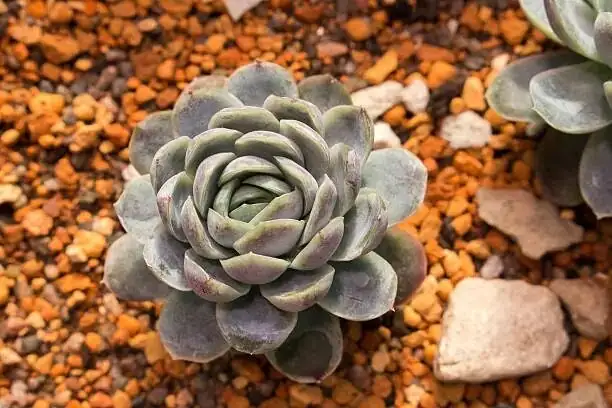
Callusing (non‑negotiable):
- Lay the rosette on a dry screen or paper towel, out of direct midday sun, with strong airflow.
- Callus time: typically 3–7 days. The cut should look dry, matte, and slightly glassy—not sticky or weeping.
- Optional: Dust the cut with sulfur for insurance in humid climates.
Rooting:
- Set the rosette on top of dry, gritty mix so the cut end barely touches the surface. Don’t bury it.
- Give bright light (4–6+ hours/day) but protect from scorching midday sun while rootless. Aim for 18–25°C (64–77°F).
- Do not water yet. In warm, bright conditions, roots often appear in ~20 days. Once you feel resistance to a gentle tug or see 2–3 cm (0.8–1.2 in) of roots, start very light perimeter watering. Graduate to full “soak and dry” only after the plant is anchored and taking up moisture.
Expect a few lower leaves to shrivel while rooting—that’s normal fuel use.
Step 5: The gritty mix that resists rot (your plant’s lifeline)
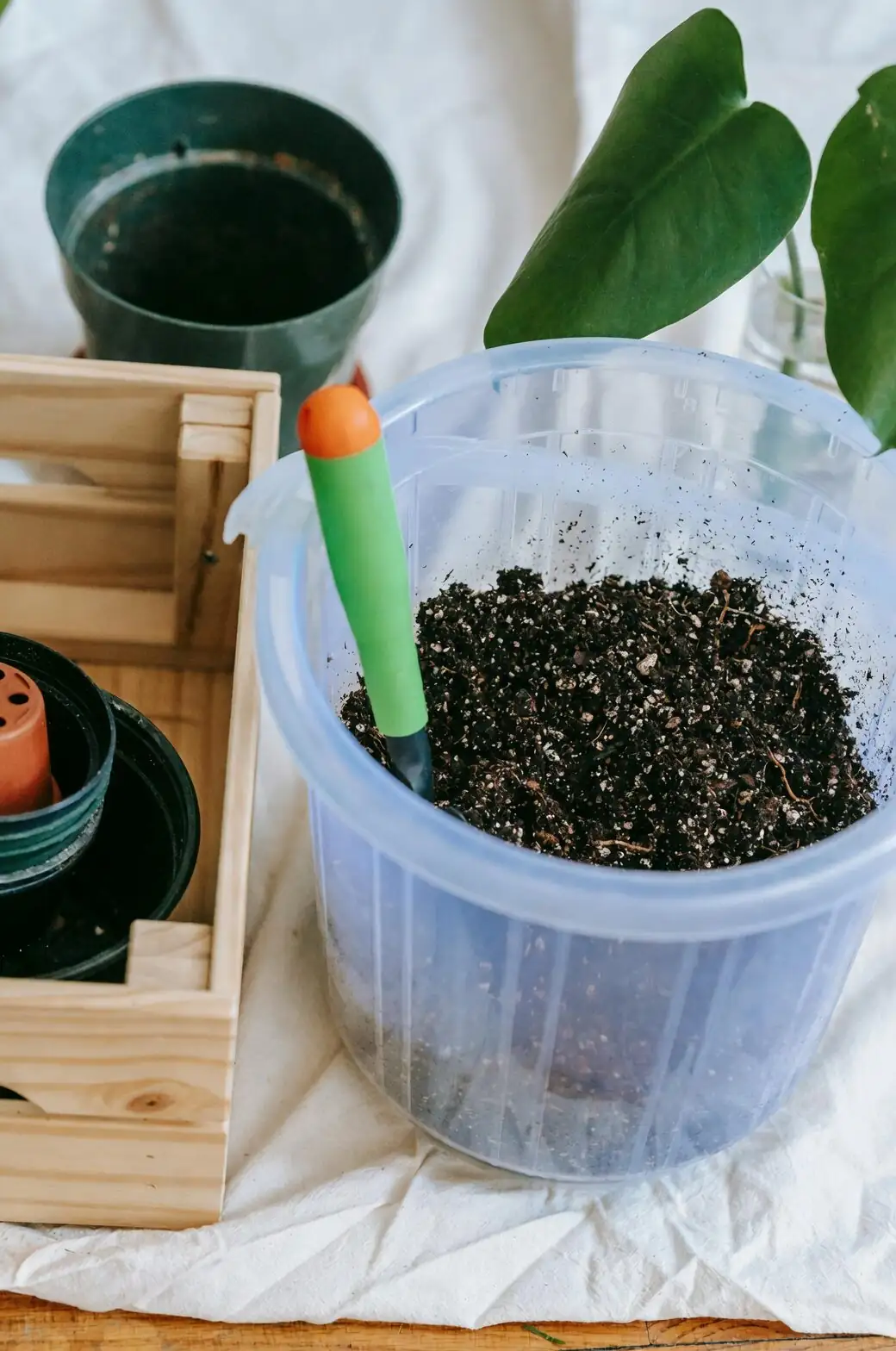
Echeveria elegans wants speed-draining, mineral-heavy soil in a pot with drainage holes. Think “rock garden in a cup.”
Gritty mix blueprint:
- 60–80% mineral: pumice, coarse sand (sharp, not play sand), 3–6 mm gravel/grit, or lava rock
- 20–40% lean organic: a light cactus/succulent mix or sifted bark fines/leaf mold in moderation
Tips:
- Pumice tends to outperform perlite (which floats and crushes). Use what you have, but favor heavier minerals.
- Use a shallow, well‑draining pot (terracotta is great). Add mesh over the drain hole; skip pebbles at the bottom.
- Top-dress with clean grit to keep leaves off damp soil and preserve that delicate farina.
Step 6: The first drink…when?
- Root rescue (Plan A): Wait 3–7 days after repotting, then water thoroughly and let excess drain. Don’t water again until bone-dry.
- Beheaded rosette (Plan B): Wait until roots are 2–3 cm (0.8–1.2 in). Start with a light perimeter splash. After a couple of cycles and clear uptake, progress to full “soak and dry.”
Seasonal watering rhythm (guidelines, always adjust to pot size, light, heat, airflow):
- Spring–Summer: commonly every 7–14 days in bright, warm conditions.
- Autumn: often every 2–3 weeks if still growing.
- Winter: keep much drier—every 3–5+ weeks indoors, or as little as 1–2 times total if kept cool and bright.
Never pour water into the rosette.
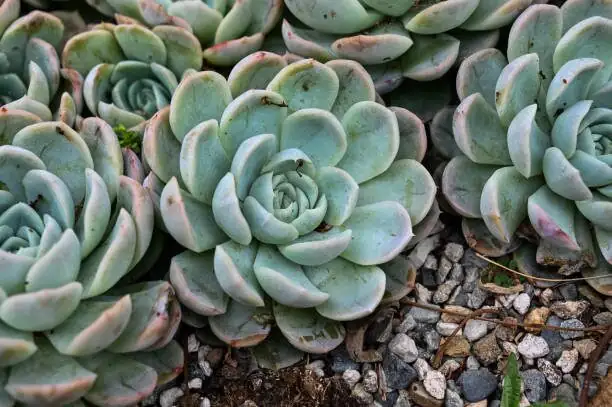
Step 7: Light, temperature, and airflow (the rot blockers)
- Light: Bright light to full sun for tight, compact growth. Provide 4–6+ hours daily. In very hot climates, give light afternoon shade to prevent scorch.
- Temperature: Best at 15–27°C (59–81°F); sweet spot near 18–25°C (64–77°F). Protect from frost; cold plus wet is the riskiest combination.
- Humidity: Prefers dry air and strong airflow. Avoid stagnant, humid corners. If you must raise humidity in extreme heat, mist the air—not the rosette.
Step 8: Aftercare and prevention
- Grooming: Pluck away dried lower leaves to improve airflow at the base. Cut spent flower stalks after blooming (typically late spring to summer).
- Feeding: Light only—about 1/4 strength every 4–8 weeks in spring–summer. No feeding in winter.
- Pests: Mealybugs in leaf axils and aphids on flower stalks are common. Isolate, swab with isopropyl alcohol, or use insecticidal soap. Good airflow is your best prevention.
- Handling: Avoid touching the leaves; the powdery farina is protective and easily marked.
Timing your rescue and propagation
You can reroot year‑round in warm, bright conditions, but many growers find late summer to early autumn especially reliable. Skip extreme heat or deep winter cold. Once recovered, expect flower spikes with pink‑to‑coral bells (yellowish inside) in spring to early summer.
If the stem keeps blackening upward…
Cut higher until you reach crisp, green, unblemished tissue. Sterilize blades between every cut. If no safe stem remains, salvage perfect, whole leaves for propagation:
- Twist off a healthy leaf cleanly
- Callus for several days
- Lay on dry gritty mix and mist the air sparingly until roots/pups form
Quick FAQs for the shaky‑handed rescuer
- How do I know the rosette is ready for its first drink? Roots 2–3 cm long or firm resistance to a gentle tug. No visible stem moisture.
- Can I root in water? Some growers do, but rot risk is higher. If you try it, never submerge all roots—keep some above the waterline and refresh water often. For long‑term health, soil in a gritty mix is more forgiving.
- Is it safe around pets? Generally considered low-toxicity, but nibbling can cause mild stomach upset. Keep out of reach.
- Why did the rosette stretch and open? Low light (often paired with too much water). Move to stronger sun/grow lights and let the mix dry fully between drinks.
Signs you’ve won (and when to pivot)
You’re winning if:
- New central growth is tight and symmetrical
- Leaves are firm, not translucent
- The pot dries in days, not weeks
Time to pivot if:
- The blackened area advances after cutting
- A sour smell returns
- The rosette collapses—switch to leaf propagation and start fresh
The quiet meaning behind the “Mexican Snowball”
Echeveria elegans is often linked with resilience and enduring love—fitting for a rosette that stays poised through dry spells, storing life in every leaf. As with most flower language, this symbolism is cultural, not botanical fact, but it resonates: trim, callus, reroot, and it begins again—elegant as ever.
Your 60‑second rescue checklist
- Bright, airy light; stop watering
- Unpot; inspect; trim all rot
- Sterilize tools; let cuts dry 24–48 hours
- Behead if the base is compromised; callus 3–7 days
- Reroot on a dry, gritty mix (60–80% mineral)
- Don’t water until anchored; then “soak and dry”
- Keep warm (18–25°C), sunny (4–6+ hours), and breezy
- Groom, feed lightly in season, and never wet the rosette
Handled promptly, a soggy White Mexican Rose can snap back—compact, powdery blue‑gray, and ready to throw up those cheerful bell flowers when spring returns.