

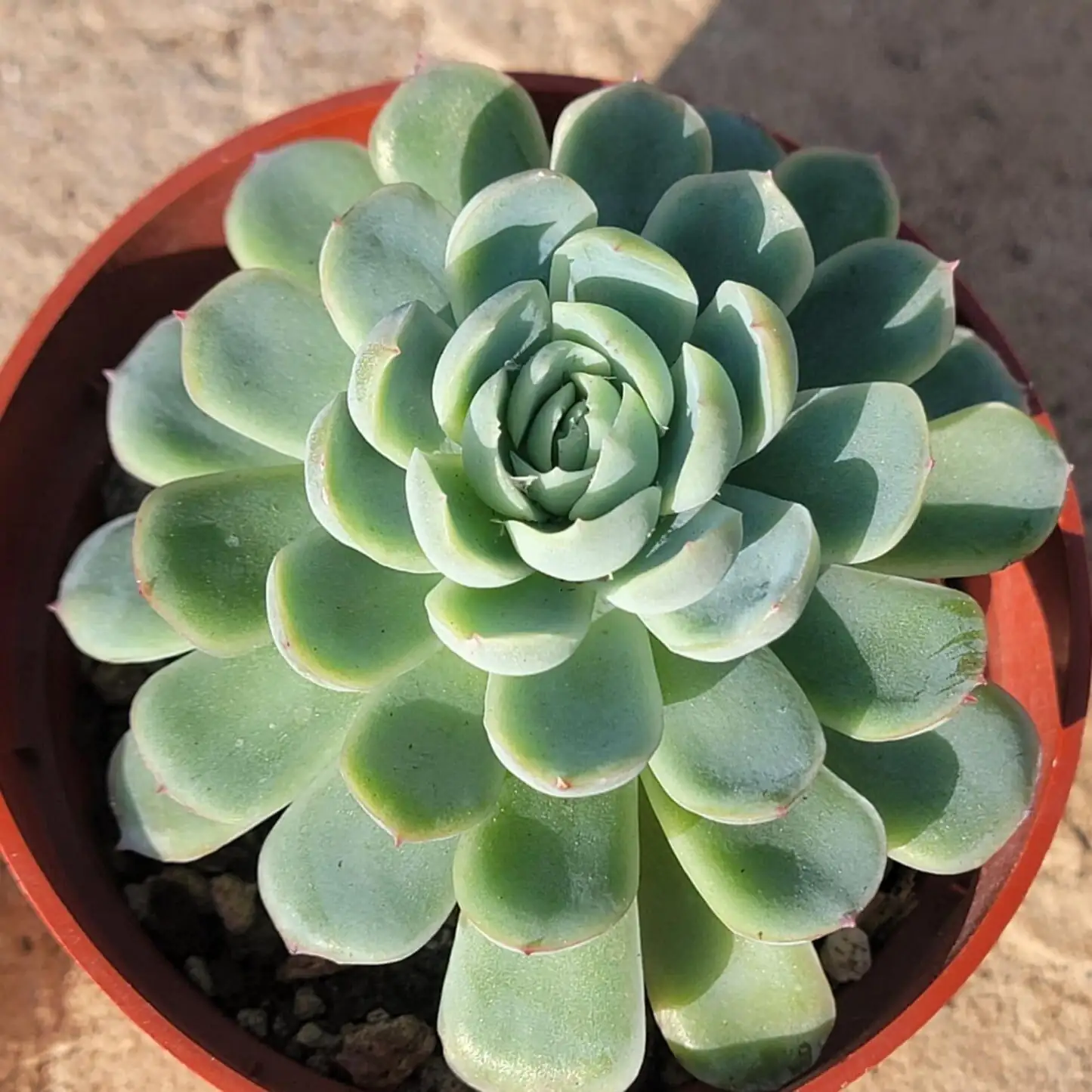
Think of Echeveria elegans—Mexican snowball, the perfect little lotus of the succulent world—as a sculpture that prefers sunshine, quick sips, and plenty of breathing room. Nail the watering rhythm by season, keep air flowing, choose a snug pot with great drainage, and honor the golden rule: never let water sit in the rosette. Here’s your confident, season-by-season playbook.
Meet Echeveria elegans at a glance
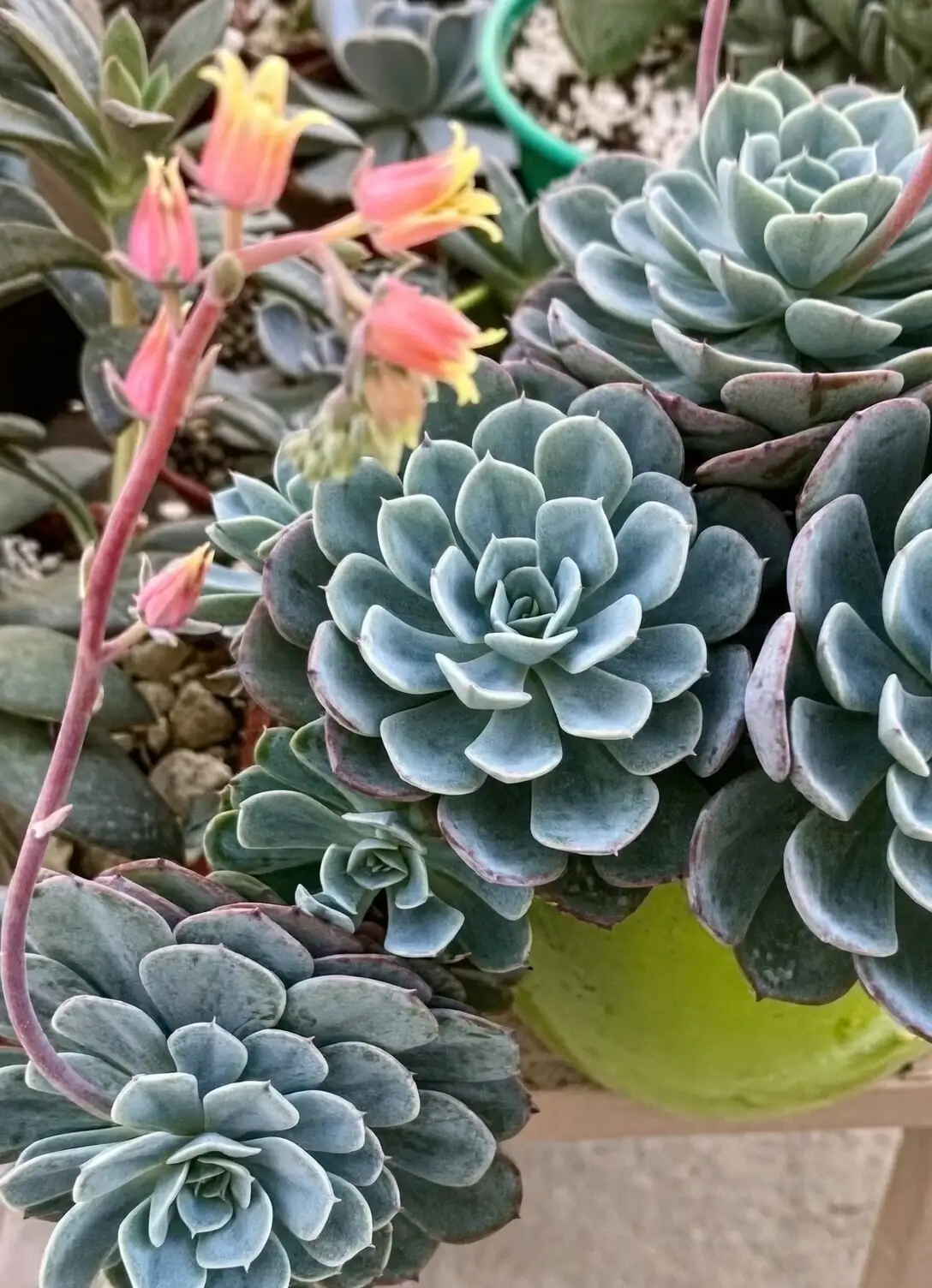
- What it looks like: Tidy, symmetrical rosettes of thick, powdery blue‑gray to blue‑green leaves with a delicate wax (farina) that acts like sunscreen. Sometimes there’s a faint pink blush.
- Size: Rosettes commonly 8–15 cm (3–6 in) wide; about 10 cm (4 in) tall not in bloom. Flower stalks can bring it to 10–20 cm (4–8 in) in season.
- Flowers: Slender stalks with nodding, bell-shaped blooms—pink/red outside, yellowish inside—usually late spring to summer.
- Personality: Compact, clumping over time; thrives with bright light, warm temps, gritty soil, and airflow.
The golden rule: keep water out of the rosette
Water trapped in that cupped center is the fast track to rot and blemishes. The farina also marks easily—don’t rub or splash it.
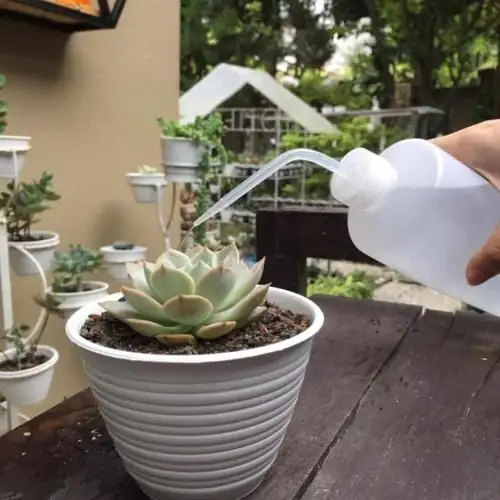
How to respect the rule:
- Use a long-spout watering can and target only the soil.
- Water in the morning so any accidental splash dries quickly.
- If water lands in the rosette, tilt and gently wick it out with a corner of paper towel.
- Avoid misting the plant; if you must raise local humidity during extreme heat, mist the air around it—never the rosette.
Light, temperature, and placement (they shape your watering rhythm)
- Light: Bright light to full sun for 4–6+ hours keeps the rosette tight and colorful. In very hot regions, provide light afternoon shade.
- Temperature sweet spot: 18–25°C (64–77°F); grows well from 15–27°C (59–81°F).
- Winter care: Frost tender; protect from cold, especially if soil isn’t bone-dry. Keep above roughly 5–10°C (41–50°F).
- Best spots: Sunny east or south window, bright balcony/patio, or under strong grow lights. Shelter from prolonged rain outdoors.
Your seasonal watering rhythm (soak and dry, simplified)
Always water thoroughly, then wait until the mix is completely dry before watering again. How often that happens depends on light, heat, pot size, and airflow—so use these ranges as guardrails, not rigid dates.
Spring
- Frequency: About every 7–14 days as growth restarts and days brighten.
- Tips:
- Repot now if needed; wait 1–2 days after repotting before first watering to let roots callus.
- Increase light gradually after winter to prevent scorch.
- Start light feeding (low-strength, monthly).
Summer
- Frequency: Also about every 7–14 days in bright, warm conditions—but heat and wind can shorten intervals, while shade or larger pots can lengthen them.
- Tips:
- Water early day; avoid hot, stagnant rooms.
- Provide light afternoon shade in scorching climates.
- Never leave water sitting in saucers.
Autumn
- Frequency: Ease back to roughly every 2–3 weeks as nights cool and growth slows.
- Tips:
- Excellent time for propagation and tidying up spent bloom stalks.
- Keep light strong to prevent seasonal stretching.
Winter
- Frequency: Much drier—about every 3–5+ weeks indoors. If kept cool and bright, some plants need only 1–2 light waterings the whole winter.
- Tips:
- Brightest possible window, minimal water, excellent airflow.
- Cold + wet is the risky combo; lean dry if unsure.
Thirsty or overwatered? Read the leaves
- Needs water: Lower leaves feel deflated/wrinkly; pot is feather-light; soil bone-dry throughout.
- Overwatered: Lower leaves turn translucent or mushy; base darkens. Stop watering, improve drainage and airflow, and let the mix dry completely.
Pro tip: Use a dry wooden skewer/chopstick pushed deep into the mix; if it comes out clean and dry, it’s time to water.
Pot size and material: snug, fast, and breathable
- Size strategy:
- Start in small nursery pots (often ~8 cm / 3 in).
- Step up modestly as it grows—common display pots are 12–15 cm (4.7–5.9 in).
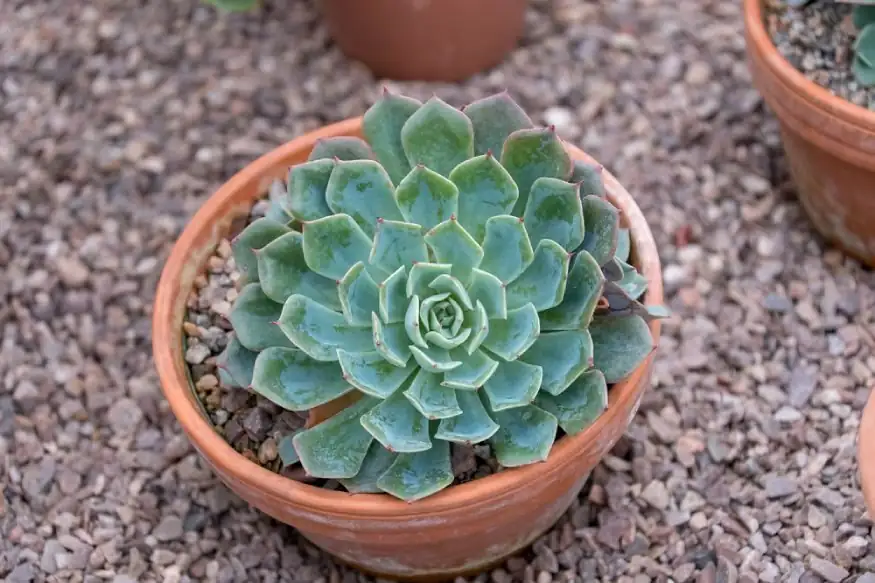
- Choose a pot only slightly wider than the rosette (think roughly 5–10% wider). Snug, not cramped.
- Material: Terra-cotta is a star—porous and forgiving. Whatever you choose, drainage holes are non-negotiable.
- Why it matters: Oversized, moisture-retentive pots keep roots wet too long; rootbound plants dry too fast and can stress. Aim for a just-right fit and refresh the gritty mix every 1–2 years.
Soil: gritty and fast-draining
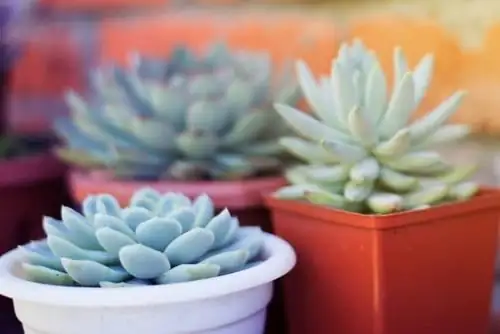
- Use a cactus/succulent mix amped up with coarse mineral amendments (pumice, coarse sand, or grit).
- Avoid water-retentive blends. The goal is quick drainage with ample air at the roots.
Airflow: your quiet insurance policy
- Prefers dry air and steady circulation; stagnant, humid corners invite rot and pests.
- Indoors: Crack a window on mild days or run a gentle fan nearby.
- Outdoors: Shelter from prolonged rain; give space between plants so leaves dry quickly.
Feeding: light, occasional, and only in growth
- Spring–summer: Low-strength fertilizer about every 4–8 weeks works well. A cactus/succulent formula is ideal.
- Autumn–winter: Skip feeding.
Routine grooming and repotting
- Groom: Pluck away dry lower leaves and remove spent flower stalks.
- Repot: Every 1–2 years in early spring. After repotting, let any nicked roots dry for a day or two before watering.
- Leggy? You can behead, let the cut callus, and reroot the rosette in a gritty medium.
Common pitfalls (and quick fixes)
- Stretching, loose rosette: Needs more light; move to a sunnier spot or stronger grow light and rotate the pot weekly.
- Leaf spotting or rot: Water entered the rosette or the mix stayed wet; wick out moisture, increase airflow, and extend dry time between waterings.
- Pests: Mealybugs in leaf axils, aphids on bloom stalks, scale, thrips. Isolate, dab mealybugs/scale with isopropyl alcohol or use insecticidal soap; improve airflow.
Safety
- Generally considered low-toxicity to people and pets, but nibbling may cause mild stomach upset. Keep out of reach of curious pets and tots.
Flowering and seasonal charm
- Expect bloom stalks in late spring to early summer, often coral-pink outside with yellow within—simple bells that nod above the rosette.
- Keep light strong and watering on the “soak and dry” rhythm for best flowering and compact form.
A note for experimenters: water culture
Some growers do root Echeveria in water, but rot risk is higher than in gritty soil. If you try:
- Keep only part of the roots in the water (never submerge all).
- Refresh water regularly.
- Use light nutrients in spring/autumn; plain water in summer/winter.
The deeper meaning
Echeveria elegans often symbolizes quiet resilience and enduring love—fitting for a plant that holds its form and poise through long dry spells. That soft farina is more than beauty; it’s protection, a natural talc that lets the plant ride out sun and drought with grace.
Your confidence checklist
- Light: 4–6+ hours of bright sun; brightest window indoors.
- Pot: Snug, with drainage; terra-cotta preferred.
- Soil: Gritty, fast-draining.
- Air: Dry, moving, never stagnant.
- Water: Soak thoroughly, then let dry completely—every 7–14 days in spring/summer, 2–3 weeks in autumn, 3–5+ weeks in winter.
- Golden rule: Keep water out of the rosette.
Master those rhythms, and your Mexican snowball will stay tight, powdery, and picture-perfect, season after season.