

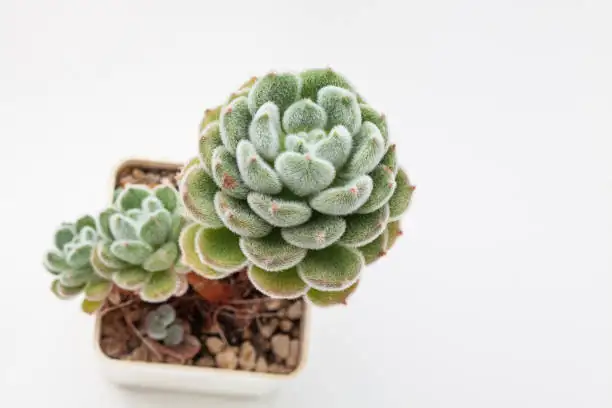
Step into the plant detective’s office. On the desk: a small, perfectly symmetrical rosette—powdery blue‑gray, cool as moonlight. The case file reads: Echeveria elegans, aka Mexican Snowball. The complaint? “White fuzz” moving in on the leaf axils and flower stalks. Is it the plant’s own protective powder (farina)…or a mealybug mob in cotton coats?
Let’s dust for clues, confirm the culprit, and run a clean, methodical sting operation—without ruining that gorgeous bloom of farina that makes this rosette look frosted.
Case basics: what you’re protecting
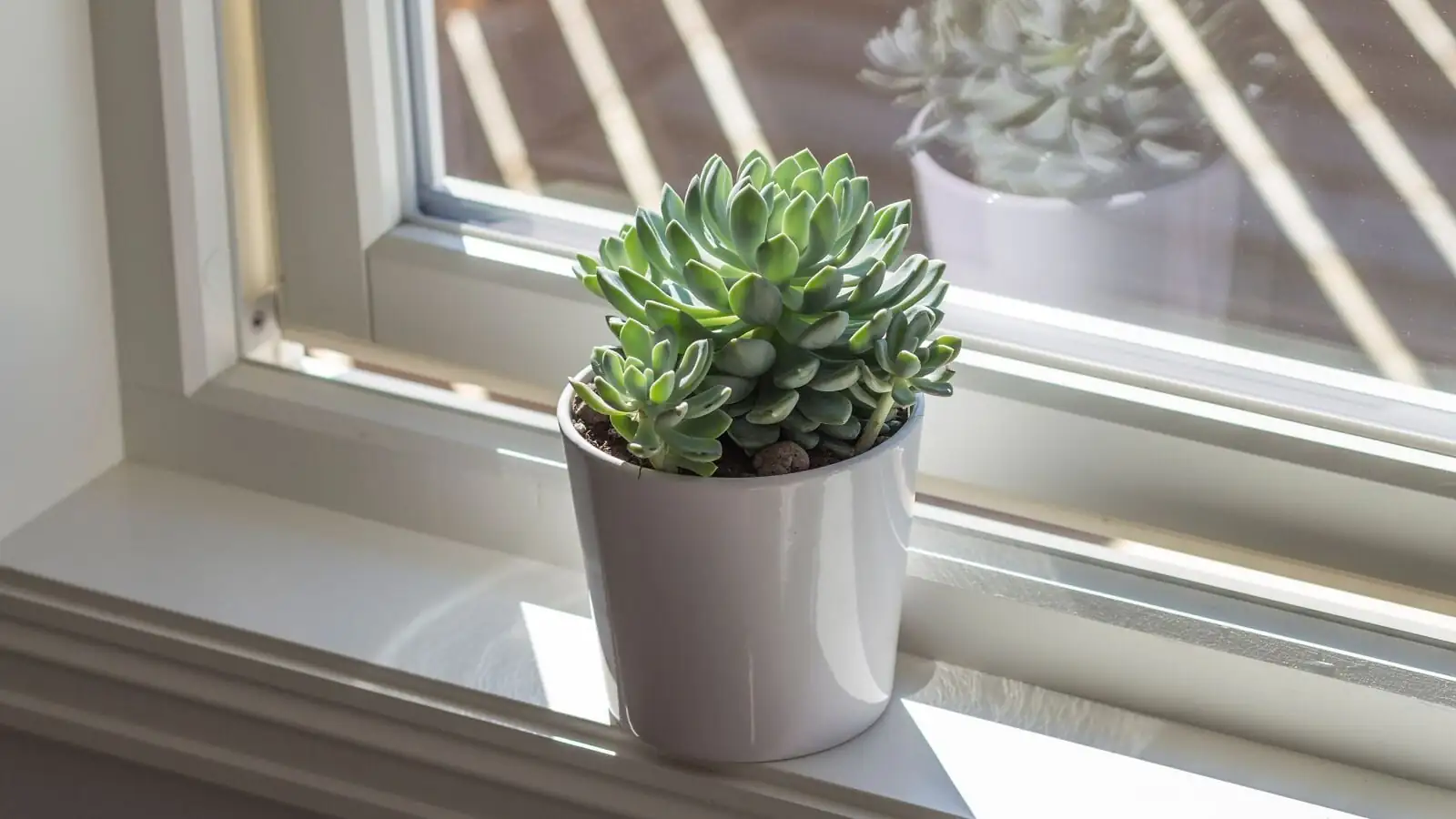
- Identity: Echeveria elegans (Crassulaceae), a compact Mexican rosette succulent with thick, blue‑gray to blue‑green leaves coated in a natural whitish wax (farina).
- Why the farina matters: It’s sunscreen and raincoat in one—reduces water loss and sun stress. It also smudges if you touch it, so go easy.
- Habitat: Bright light to full sun (4–6+ hours), gritty fast‑draining mix, warm and airy, watered only after the soil fully dries. Water kept out of the rosette. Protect from frost.
Keep these cultural fundamentals tight. They’re your long‑term crime prevention: strong light, airflow, and dry intervals make life harder for pests and rot.
The classic impostor: farina vs. mealybugs
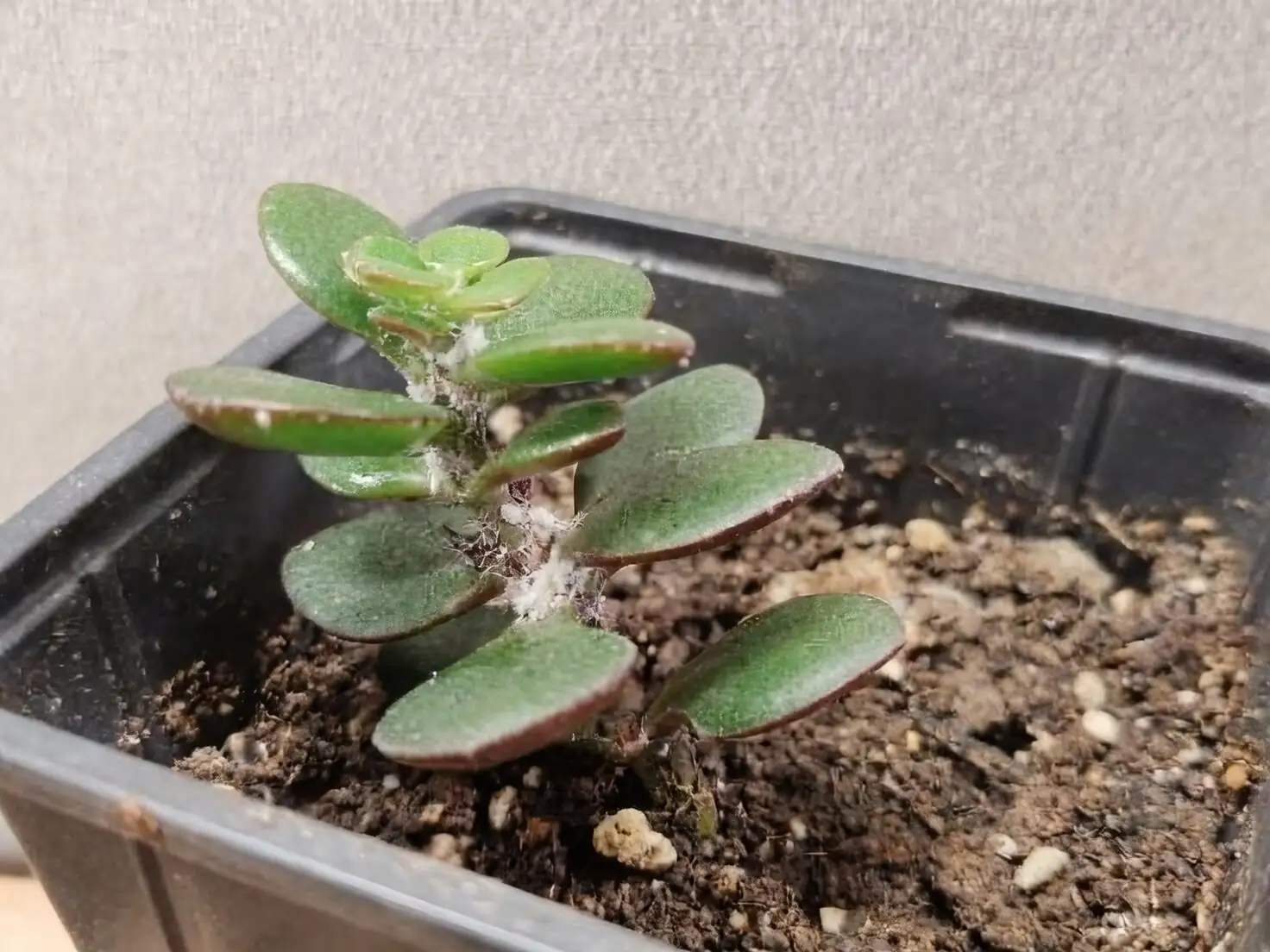
Meet our two “white powders.”
- Farina (innocent):
- Looks like a soft, even, matte dusting across leaves; not clumpy, not tufted.
- Rubs off uniformly to reveal a slightly shinier patch underneath.
- Doesn’t collect as little cotton puffs in nooks and crannies.
- No stickiness, no sooty mold, no ants.
- Mealybugs (guilty):
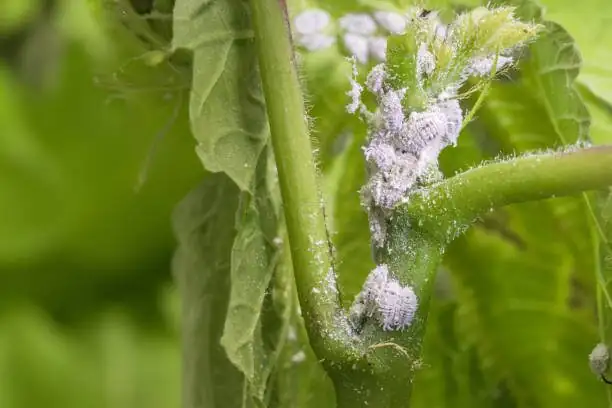
- Cottony, lumpy tufts in leaf axils, at the base of leaves, along the inner rosette, or on flower stalk nodes and buds.
- Individual insects are oval and soft under that fluff; when crushed, they smear and can release a yellowish fluid.
- Often accompanied by sticky honeydew, sooty mold, and sometimes attending ants.
- Your plant may look stressed: slightly puckered new growth, pale or stunted tips.
Field test:
- Aim a bright light and look into leaf axils and along flower stalks. Cottony “nests” tucked where leaf meets stem? That’s likely mealybugs.
- Touch-test (sparingly): a single cottony tuft that lifts off as a little wad with a toothpick or swab is not farina.
Priority targets on Mexican Snowball
- Leaf axils: the tight angles where leaves meet the stem inside the rosette.
- The rosette center: newest leaves and protected crevices.
- Flower stalks (spring–summer): nodes, buds, and the underside of blooms. Aphids also love this zone.
- Under dry, old leaves near the base: prime hideouts—clean these away.
Operation Clean Sweep: step‑by‑step mealybug takedown
Tools for your kit:
- Isopropyl alcohol (around 70%) and cotton swabs/cotton pads.
- Insecticidal soap (labeled for ornamental use).
- A soft artist’s brush, tweezers, and a flashlight.
- Paper towels, a gentle spray bottle or squeeze bottle, and a catch tray.
- Optional: hand lens for close inspection.
Before you begin:
- Isolate the plant immediately. Quarantine any neighbors that shared a shelf or were touching leaves.
- Move the plant to bright shade (not direct sun) with good airflow for treatment day.
- If you’ve just watered, wait until the rosette is dry; we don’t want liquids pooling between leaves.
Step 1: Mechanical removal
- Gently lift and fan outer leaves with a soft brush to expose axils.
- Use tweezers or a dry brush to dislodge the big, obvious cottony clusters—especially along flower stalks.
Step 2: Targeted alcohol swabbing
- Dip a cotton swab in 70% isopropyl alcohol. Tap off excess—drips can mar farina.
- Dab each mealybug directly. Alcohol dissolves the waxy coating and kills on contact.
- Work the swab into leaf axils and along the length and nodes of flower stalks. Rotate the rosette slightly to reach inner crevices.
- Keep it surgical: swab the pests, not the whole leaf, to preserve farina.
Step 3: Precision soap spray (if needed)
- For scattered nymphs you can’t reach, use insecticidal soap at label rate.
- Tilt the plant sideways and spray from below to keep solution out of the rosette center.
- Prioritize undersides of leaves, inner axils, and the full length of flower stalks and buds. Avoid dripping wet foliage.
Step 4: Rinse or blot, then dry
- After 10–15 minutes, gently rinse treated areas from the side with room‑temperature water or blot with damp paper to remove residues and dead insects.
- Tip the rosette to pour out any trapped water. Blot crevices with a twisted corner of paper towel.
- Return the plant to bright, indirect light with strong airflow for fast drying.
Step 5: Follow-up schedule (non‑negotiable)
Mealybug life cycles mean eggs and crawlers keep emerging. Set a calendar:
- Day 0: Full treatment as above.
- Day 4–5: Spot check with a flashlight; swab any stragglers with alcohol.
- Day 7: Repeat alcohol/soap treatment where needed.
- Weeks 2 and 3: Inspect and retreat weekly.
- Week 4: Final sweep. Continue quarantine for at least 2 weeks after the last sighting.
Pro tip: Photograph the same angles each visit. It’s a reliable way to spot patterns and ensure progress.
Special ops: flower stalks and buds
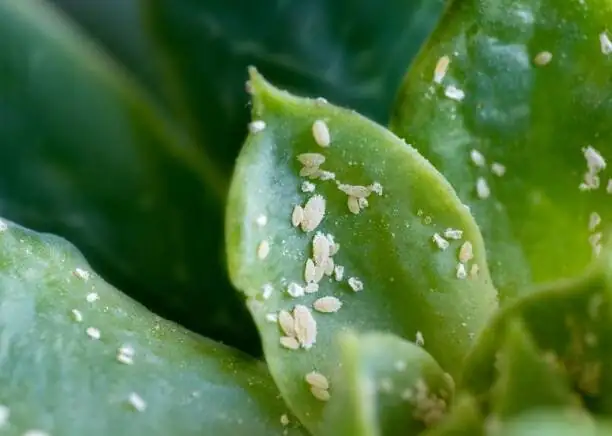
- Aphids and mealybugs adore the succulent tissues of Echeveria flower stalks.
- Light infestations: run a moistened, soapy cotton pad along the stalk, then blot and dry. Swab clusters with alcohol.
- Heavy infestations: don’t hesitate—cut the stalk at the base and discard it sealed. Your rosette’s health comes first, and it will bloom again in a future season.
- Aftercare: clean the cut surface and let it dry; keep water out of the crown for several days.
What about the farina—will treatments ruin it?
- Any contact can smudge farina. Our goal is precision: touch the pests, not the leaf surfaces, and avoid blanket sprays.
- Never use horticultural oils on farina‑heavy succulents; they can etch and stain.
- Don’t treat in direct sun or high heat. Early morning or evening, bright shade, and airflow reduce the chance of cosmetic damage.
If the case spreads or rebounds
- Re‑check your environment. Common enablers:
- Low light and poor airflow (loose rosette, easy hideouts).
- Overwatering or water resting in the rosette.
- Crowded shelves and touching plants.
- Clean‑up routine:
- Remove dried lower leaves (prime pest shelters).
- Repot if the mix is water‑retentive; use a gritty succulent blend in a pot with drainage.
- Space plants so leaves don’t touch; boost light to keep a tight rosette.
- Ant patrol: if you see ants, they may be farming honeydew producers. Manage ants so predators can do their job.
- Severe, garden‑wide outbreaks: some growers add a labeled systemic or rotate contact treatments. If you go that route, follow local regulations and label directions carefully, and keep the rosette dry.
Other suspects to watch
- Aphids: soft green/black clusters on flower stalks and buds; treat like mealybugs (soap, alcohol), or remove the stalk.
- Scale: hard, dome‑shaped bumps on stems; lift with a fingernail or swab with alcohol; follow with spot soap treatment.
- Thrips: silvery streaks and distorted new growth; isolate, increase airflow/brightness, and use labeled controls.
- Fungal leaf spots/rust: uncommon in dry, airy care; if needed, remove affected tissue and use an appropriate labeled fungicide. Prevention is dry leaves, fast drainage, and strong airflow.
- Root zone red flags: unexplained decline in gritty, well‑run care may point to root issues, including root‑knot nematodes. Unpot to investigate if above‑ground pests aren’t the cause.
Prevention: your permanent beat
- Light: Bright light to full sun (4–6+ hours). In very hot climates, give light afternoon shade.
- Air and dryness: Keep humidity low and air moving. Water only with “soak and dry,” and never pour into the rosette.
- Soil: Gritty, fast‑draining succulent mix; always a pot with drainage holes.
- Hygiene: Strip off dead lower leaves, quarantine new arrivals for 3–4 weeks, and inspect offsets before potting them on.
- Feeding: Light, diluted fertilizer in active growth only; skip winter. Don’t splash fertilizer on leaves.
Quick case log (print this)
- Day 0: Isolate. Brush off clusters. Swab mealybugs with 70% isopropyl alcohol. Precision soap on missed spots. Rinse/blot. Dry with airflow.
- Day 4–5: Flashlight check; swab any new crawlers.
- Day 7: Repeat targeted treatment.
- Weeks 2 and 3: Inspect weekly; treat as needed.
- Week 4+: No sightings? Maintain quarantine for two more weeks, then return to regular placement.
- Ongoing: Monthly “stakeout”—tilt, peer into axils, scan flower stalks.
Close the file with confidence: when Echeveria elegans has bright light, grit below, and crisp air above, it stays tight, powder‑kissed, and pest‑resistant. And if cotton‑coated crooks do sneak in, your carefully targeted alcohol swabs, smart soap tactics, and scheduled follow‑ups will send them packing—while your Mexican Snowball keeps its cool.