

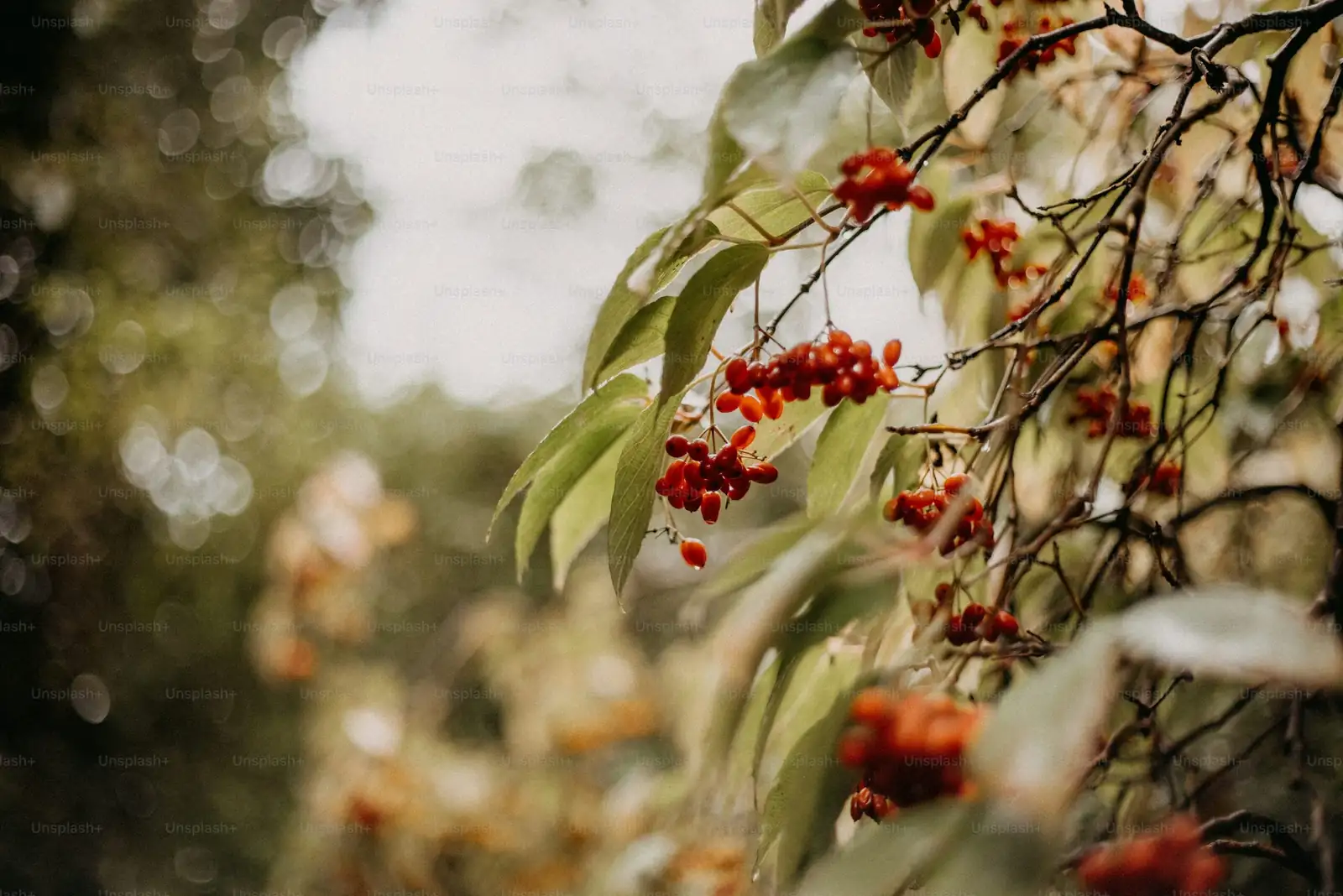
Imagine a living string of lacquer-red beads that brightens winter windows for months on end. That’s Coralberry (Ardisia crenata): compact, glossy, and impossibly festive. If you’ve ever hesitated to bring one home because of kids or pets, take heart—you can absolutely enjoy those irresistible berries safely with smart placement, stable pots, and a few simple house rules. Here’s your plan.
Meet Coralberry at a Glance
- Botanical name: Ardisia crenata (Primulaceae)
- Native range: East Asia, especially China and Japan
- Habit: Slow-growing, upright to bushy evergreen shrub; naturally compact and often dwarf in pots
- Size in cultivation: Usually 30–120 cm (12–47 in); often kept smaller in containers
- Look: Dense, glossy deep-green leaves with softly scalloped edges; small white to pale pink flowers followed by heavy trusses of berries that ripen from green to vivid red
- The show: Berries persist for months—often peaking from winter into spring
What Coralberry likes:
- Light: Bright, filtered light to partial shade; indoors, try an east window or a south window with a sheer curtain
- Temperature: Best at 13–27°C (55–81°F); keep above 5°C (41°F) in winter
- Humidity: Prefers moderate to high humidity (50%+ target)
- Soil: Rich, slightly acidic, well-drained potting mix (peat/coir plus coarse sand/perlite)
- Water: Evenly moist, never soggy; reduce in winter
Safety note:
- Treat as potentially toxic if eaten. Some references list the berries as poisonous; others are cautious/uncertain. For safety, don’t ingest any part and keep it out of reach of children and pets.
—
The Placement Plan: Big Color, Zero Drama
Indoors: Where to Put It
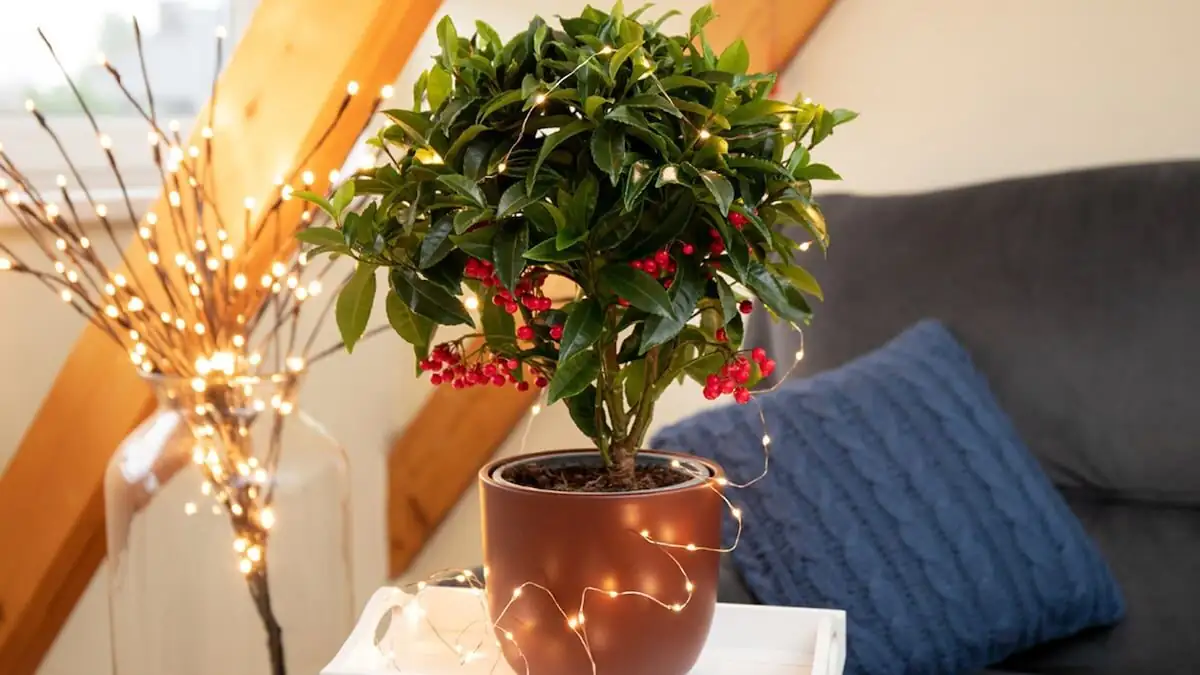
- Best light, minimal temptation: An east-facing sill or a bright room where sun is filtered. Place it on a high, sturdy console or a cabinet top—out of reach and out of traffic lanes.
- Avoid harsh midday sun: It can scorch leaves and dull the berry display.
- Keep it warm: Above 5°C (41°F), away from cold drafts and slamming doors that can shock the plant (and shake berries loose).
- When berries are heavy: Pick a display spot and commit. Moving or jostling a heavily fruited plant often leads to berry drop.
Outdoors (warm seasons only)
- Partial shade on a sheltered balcony or patio. Bring it in before nights threaten 5°C (41°F).
- In some warm regions outside its native range, Ardisia crenata can become invasive—check local guidance before planting outdoors or letting berries fall to the ground.
—
Pot Like a Pro: Stable, Tip-Resistant, Family-Safe
Think “low center of gravity” and “no surprise tumbles.”
- Choose the right pot:
- Size: About 20 cm (8 in) diameter is common for gift-sized plants.
- Shape/weight: Low, wide, heavy pots (ceramic, clay, concrete) resist tipping better than tall, narrow, or ultralight planters.
- Double-pot with ballast:
- Keep the plant in its plastic nursery pot for drainage, then drop it into a heavier, slightly larger cachepot.
- Add clean pebbles or sand to the bottom of the cachepot (not the grow pot) to add weight without blocking root drainage.
- Lock it in place:
- Use non-slip pads under the pot.
- Avoid wheeled caddies in kid/pet zones.
- On shelves, consider discreet museum putty or anti-tip straps for the stand.
- Top-dress to deter digging and add weight:
- A layer of large, smooth river stones (too big to swallow) keeps curious paws out of soil and helps steady the pot. Leave gaps for water to pass through.
- Move with care:
- Support the pot from the bottom. Carry slowly. Avoid bumping doorframes; a sharp jolt can trigger a berry cascade.
—
Kid and Pet Safety Tactics That Actually Work

- Elevate and separate:
- High shelves with a lip, wall-mounted brackets, or a sturdy console—even better if the display surface has a raised edge.
- For the ultra-curious, place Coralberry inside a glass-front cabinet or “greenhouse cabinet.” Open doors daily for airflow and watch humidity to avoid leaf spots.
- Zone defense:
- Use a baby gate or keep the plant in rooms where kids and pets don’t roam unsupervised.
- Put a soft rug or mat beneath the display for easy “fallen-berry patrol.”
- Training and redirection:
- For dogs: reinforce “leave it.” Reward alternatives.
- For cats: give a sanctioned nibble station with cat grass; offer perches/enrichment away from the plant.
- House rules:
- Label it “Do not eat.” It sounds simple, but it works for guests and caregivers.
- Make it a habit to do a quick sweep for dropped berries—especially after you water, dust, or move curtains nearby.
—
If Curious Hands (or Paws) Get Too Close: What to Do
Remember: treat Coralberry as potentially toxic if eaten.
If a berry is nibbled or swallowed (child):
- Remove any remaining plant material from the mouth.
- Rinse the mouth gently with water; offer small sips of water.
- Do not induce vomiting.
- Call your local poison control center (US: 1-800-222-1222) or seek medical advice promptly.
- Save a berry/leaf or take a photo of the plant for identification.
If a pet samples it:
- Remove plant material and offer water.
- Do not induce vomiting unless your veterinarian instructs.
- Contact your vet or a pet poison helpline right away.
- Monitor for vomiting, drooling, diarrhea, lethargy, or abdominal discomfort.
Skin/eye exposure:
- Rinse skin with soap and water; flush eyes with lukewarm water for 15 minutes. Seek advice if irritation persists.
Afterward:
- Collect and dispose of any fallen berries.
- Reassess placement and barriers before returning the plant to display.
—
Care That Keeps the Berries Coming (Safely)
Healthy plants hold berries longer and shed fewer.
Light, Temperature, and Humidity
- Light: Bright, filtered light to partial shade; indoors, an east window is ideal.
- Temperature: 13–27°C (55–81°F) is its comfort zone; keep well above 5°C (41°F) in winter.
- Humidity: Target 50%+. Light misting can help in hot, dry spells—just avoid wet leaves late in the day and ensure airflow.
Watering: Evenly Moist, Never Soggy
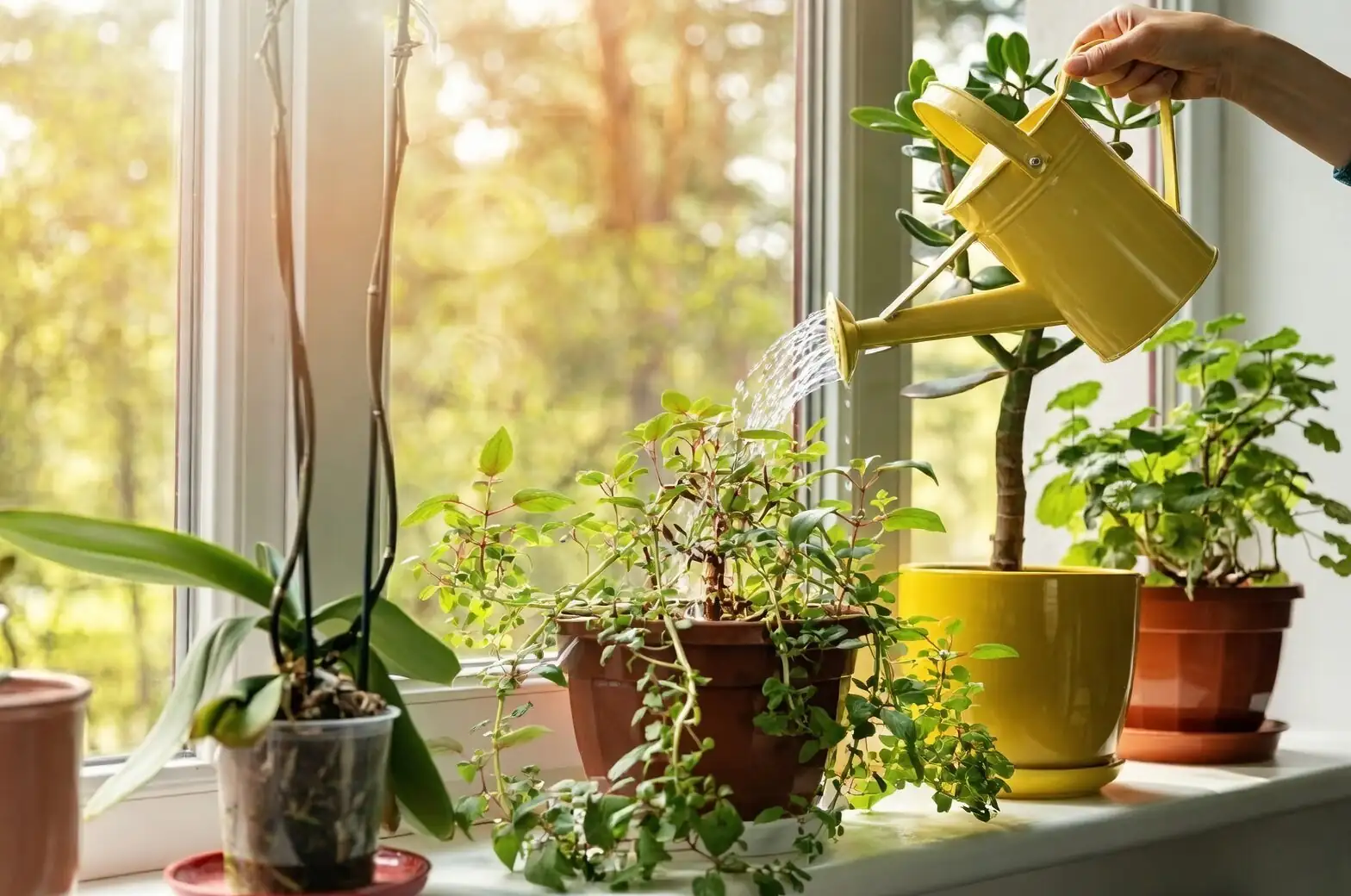
- Growing season: Water thoroughly when the top 2–3 cm (0.8–1.2 in) of mix begins to dry—often every 3–5 days in warm weather, depending on pot size and heat.
- Autumn–winter: Reduce to roughly every 10 days, keeping the mix just slightly moist.
- Drainage is non-negotiable—waterlogging invites root trouble and berry drop.
Feeding
- Feed every 2 weeks during active growth with a balanced fertilizer at label rate.
- After buds appear, give 2–3 extra feeds higher in phosphorus and potassium to support flowering/fruit set.
- Stop fertilizing in winter once berries have turned red.
Pruning and Shaping
- Pinch new shoots at about 10 cm (4 in) to encourage branching and a fuller, more stable crown.
- If the canopy is crowded, thin a few fruiting branches lightly for shape and airflow.
Pollination for Indoor Berry Set
- Indoors, reliable fruiting may need a helping hand. During flowering (late spring to summer), gently transfer pollen between blossoms with a soft brush over several days.
Repotting
- Repot about every 2 years in spring. Trim circling/overlong roots and refresh with a fertile, slightly acidic, well-drained mix.
—
Troubleshooting: Keep the Glow, Ditch the Woes
- Berries dropping?
- Common triggers: sudden moves/shaking, cold stress (near 0°C/32°F), very dry air, or waterlogged soil.
- Fix: Keep above 5°C (41°F), maintain even moisture, boost humidity moderately, and avoid relocating a heavily fruited plant.
- Pests: Scale insects are the usual suspects.
- Remove by hand and treat with horticultural oil or insecticidal soap; repeat as needed.
- Leaf spots:
- Improve airflow, avoid prolonged wet foliage (especially late-day misting), remove badly affected leaves; use an appropriate fungicide if necessary.
—
Buying Smart (So You Start Strong)
- Choose compact, well-branched plants with dense, glossy, deep-green foliage.
- Look for firm, bright berries—and give a gentle shake: they shouldn’t rain down.
- Skip any with sticky residue (possible scale), soft stems, or obvious leaf spotting.
—
Calendar Snapshot
- Spring: Repot (about every 2 years), resume feeding/watering rhythm, pinch new growth.
- Late spring–summer: Bright filtered light; hand-pollinate indoors; protect flowers from pounding rain outdoors.
- Summer–autumn: Peak growth; water when the surface dries; keep humidity up during heat; add higher P/K feeds after buds form.
- Winter: Once berries are red, stop fertilizing; water lightly (~every 10 days); keep warm, draft-free, and above 5°C (41°F).
—
Meaning and Mythos: Why Those Red Berries Feel So Lucky
Coralberry is widely traded as a prosperity plant during Christmas and Lunar New Year. The evergreen leaves suggest endurance and continuity; the long-lasting clusters of bright red fruit echo abundance and warmth in the cold season—perfect symbols for welcoming wealth and good fortune into the home. Rather than an ancient “flower language” with fixed rules, its meaning likely grew from seasonal timing and the cultural association of red with luck and celebration.
—
Quick Answers to Common Questions
- How can I get more berries indoors?
- Give bright, filtered light; keep moisture steady; and hand-pollinate during bloom. After buds form, add 2–3 higher P/K feeds to support fruit set.
- Why are my berries dropping?
- Shock from moving, cold snaps, very dry air, or soggy soil. Keep warm, humidified moderately, evenly moist, and avoid relocating the plant while it’s heavily fruited.
- Is it safe around children and pets?
- Enjoy it safely by elevating placement, stabilizing the pot, and doing regular fallen-berry checks. Treat the plant as potentially toxic if eaten and keep it out of reach.
—
Enjoy your Coralberry like a pro: bright, buoyant clusters of red against glossy green—securely staged, cleverly sited, and family-safe. With a little planning, you’ll have a holiday-perfect display that lasts well into spring, minus the worry.