

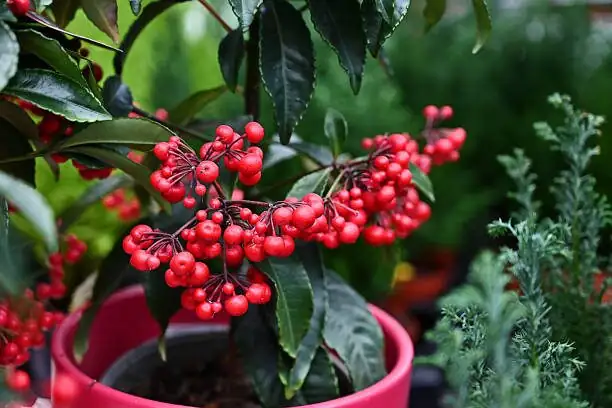
Coralberry’s glossy leaves and lacquer-red berries are already a mood-lifter in part shade. Now imagine that glow tucked into a lush mini-woodland: feathery ferns, velvety moss, and textural foliage that keep humidity high and maintenance low. That’s the magic of Ardisia crenata in containers—an elegant, layered look that thrives in bright, filtered light and gentle shade.
Below you’ll find design recipes, partner picks, and a practical care game plan to keep your coral-red clusters dazzling from winter into spring—without fussy upkeep.
Why Coralberry is a natural for mixed containers
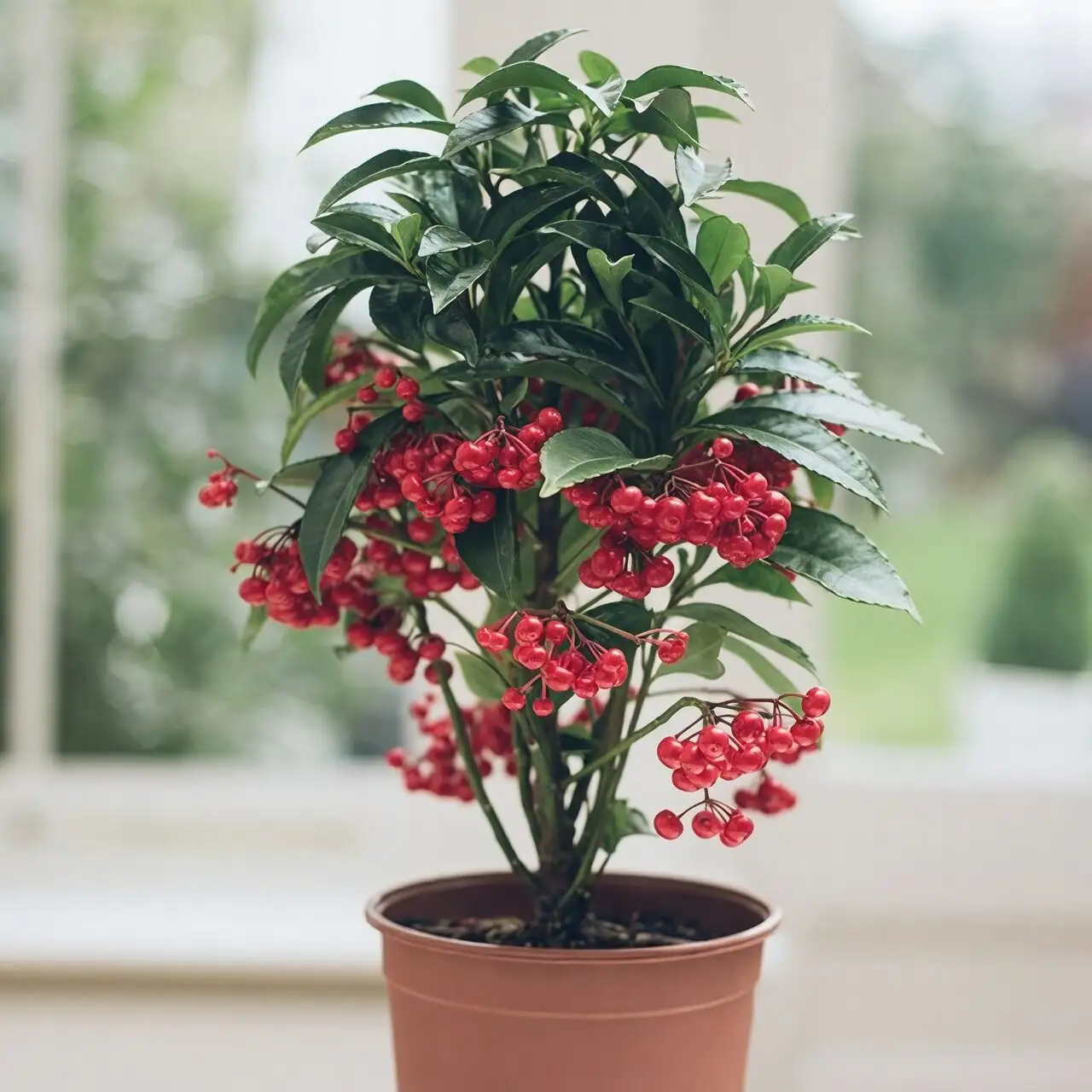
- Evergreen, compact habit: In pots, Coralberry (Ardisia crenata) usually stays 30–120 cm (12–47 in) tall—perfect for tabletop, window, or balcony compositions.
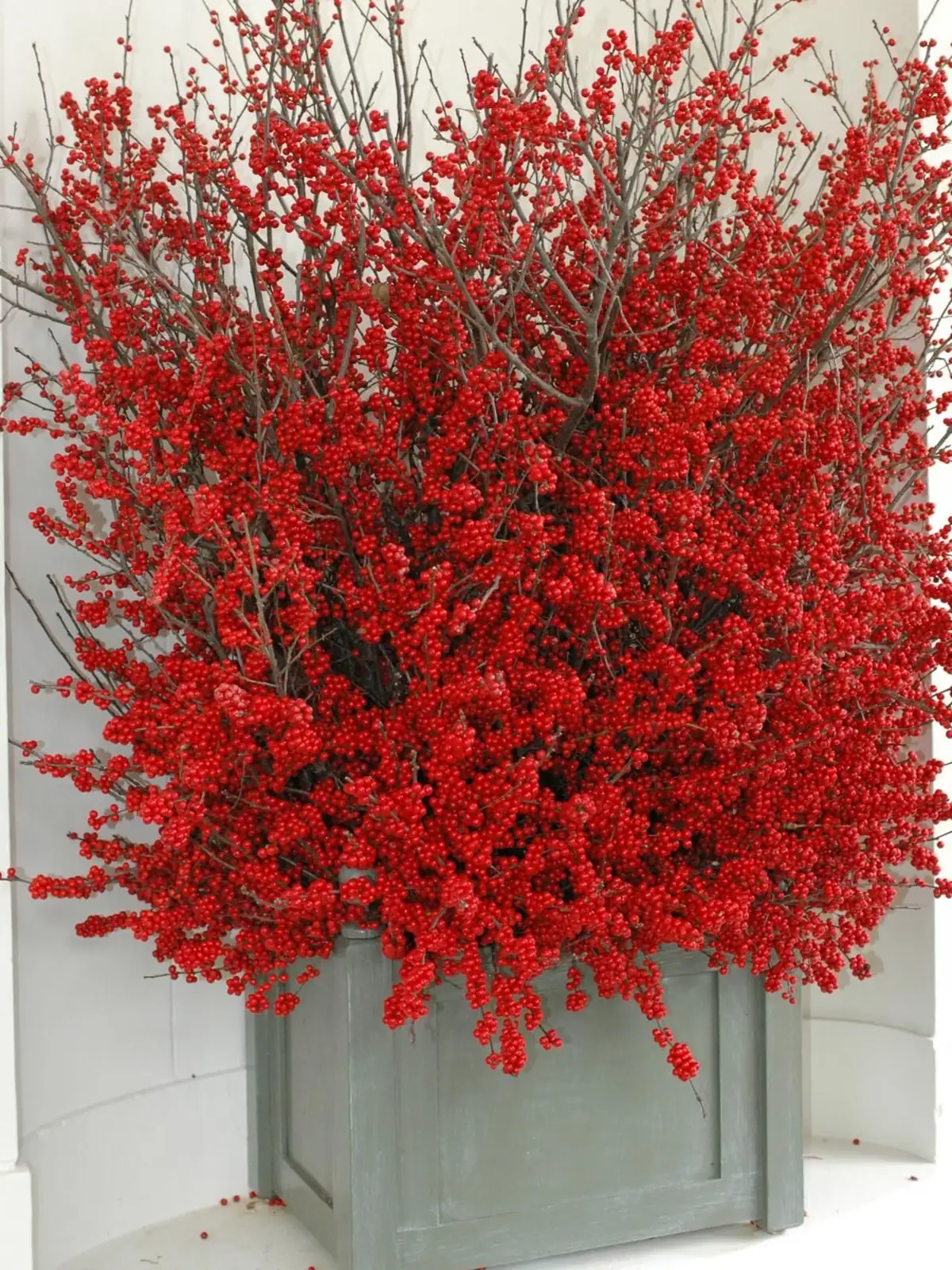
- Long-lasting berries: Heavy clusters ripen from green to vivid red and can hold for months, often through winter and into spring.
- Loves what ferns love: Bright, filtered light, slightly acidic, well-drained soil, steady moisture, and moderate to high humidity.
- Calm-care plant: Once settled, it’s steady-as-she-goes—just keep it evenly moist (never soggy), out of harsh midday sun, and away from cold drafts.
Note: In some warm regions outside its native range, Coralberry can be invasive. Keep it in containers and check local guidance before any outdoor planting. Never discard berries into natural areas.
Design principles for part-shade perfection
- Layer for depth: Use Coralberry as the “thriller,” with medium ferns as “fillers” and mosses or small trailers as “spillers.”
- Texture over flowers: Let glossy leaves, fronds, and mossy tufts do the heavy lifting. The berries are your seasonal color pop.
- Curate humidity: Ferns + moss + grouped containers create a gentle microclimate Coralberry adores.
- Keep it non-invasive: Choose clumping, container-friendly allies and avoid known escape artists outdoors. When in doubt, research your region’s invasive lists.
Container recipes: Lush, low-maintenance, part-shade combos
1) The Gloss + Glow Coffee-Table Bowl (Indoors)
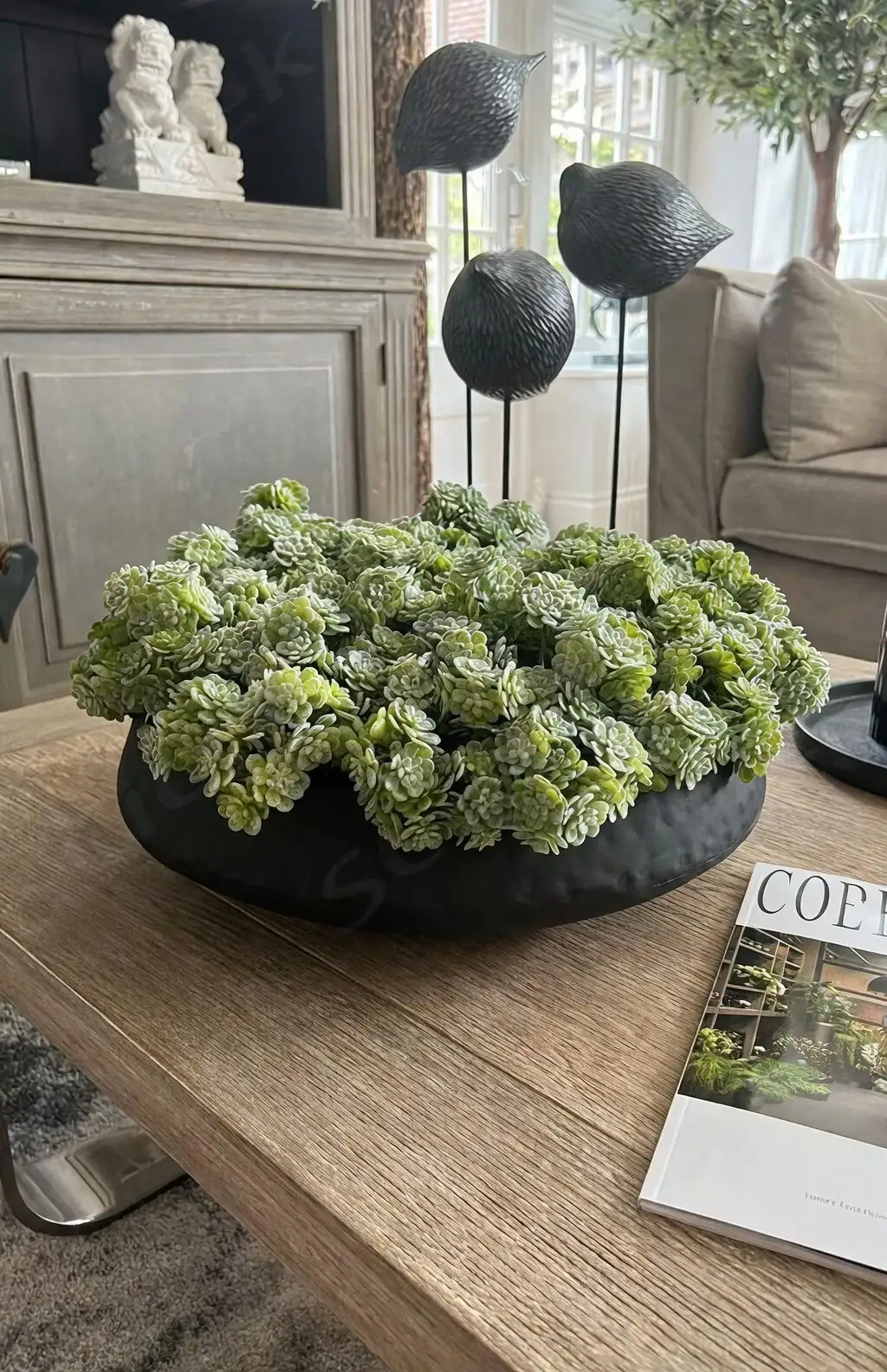
- Vessel: Low, wide bowl (30–35 cm/12–14 in) with drainage.
- Thriller: 1 Coralberry, centered slightly off-axis.
- Fillers:
- Peperomia caperata (wrinkled heart leaves for velvet texture)
- Pellaea rotundifolia (button fern) for tidy, round leaflets
- Spiller: Selaginella kraussiana (spikemoss) or Pilea glauca ‘Aquamarine’ to soften the rim.
- Topdress: Sheet or cushion moss to lock in moisture and hide soil.
- Why it works: Shimmering berries meet plush textures; everyone enjoys bright, filtered light and evenly moist, slightly acidic media.
2) Misty Window Woodland (East Window or Shaded Sill)
- Vessel: Rectangular planter, 45–60 cm (18–24 in).
- Thriller: 1 Coralberry.
- Fillers:
- Asplenium nidus (bird’s nest fern) for bold fronds
- Phlebodium aureum (blue star fern) for blue-green contrast
- Spiller: Pilea involucrata ‘Moon Valley’ for quilted lime-bronze leaves.
- Tip: Rotate the planter monthly for even growth; keep foliage from touching cold glass in winter.
3) Holiday Evergreen Porch Pot (Frost-free only, USDA 9–11 or warm-season display)
- Vessel: Classic urn or 30–35 cm (12–14 in) pot.
- Thriller: 1 Coralberry brimming with berries.
- Fillers:
- Nephrolepis ‘Duffii’ (lemon button fern) for dense, small fronds
- Ophiopogon japonicus ‘Nana’ (dwarf mondo grass; clumping)
- Accent: A sprig of variegated Aspidistra (cast-iron plant) for winter drama.
- Note: Keep in partial shade and above 5°C (41°F). Indoors after the holidays if temperatures dip.
4) Spa-Day Bathroom Trio (Bright, filtered bathroom light)
- Vessel: Trio of simple ceramic pots, 15–20 cm (6–8 in).
- Pot 1: Coralberry with a living moss topdress.
- Pot 2: Microsorum musifolium ‘Crocodyllus’ (crocodile fern) for wild texture.
- Pot 3: Peperomia obtusifolia (thick, glossy leaves; low fuss).
- Why it works: Naturally higher bathroom humidity = happy fronds and persistent berries.
5) Tall Urn, Classic Thriller–Filler–Spiller
- Vessel: Tall urn, 30 cm (12 in) wide.
- Thriller: 1 Coralberry.
- Fillers:
- Cyrtomium falcatum (holly fern) for architectural shine
- Peperomia ‘Napoli Nights’ or ‘Silver Ripple’ for cool metallic leaves
- Spillers:
- Pilea glauca ‘Aquamarine’ or small Selaginella along the lip.
- Bonus: A slice of driftwood or river stones to ground the woodland vibe.
6) Jewel-Berry Terrarium-Lookalike (Open—not sealed)
- Vessel: Wide glass bowl with drainage “false bottom” (pebbles + mesh) or drill drainage.
- Planting:
- Coralberry off-center
- Mini fern (Asplenium ‘Crispy Wave’)
- Fittonia ‘Mini’ as a living carpet (great if you’re consistent with moisture and airflow)
- Topdress: Cushion moss patches with decorative bark chips.
- Caution: Keep airflow up to avoid leaf-spot; never allow standing water at the base.
The perfect potting mix for the whole ensemble
- Aim for rich, slightly acidic, well-drained media:
- 50–60% peat or coir
- 20–30% perlite or pumice (plus a little coarse sand if you like)
- 10–20% fine composted organic matter
- Add a slow-release, balanced fertilizer at planting. Avoid alkaline mixes and heavy, waterlogged soils.
Light, water, and humidity (set it and forget it)
- Light: Bright, filtered light to partial shade; protect from harsh midday sun that can scorch and dull leaves.
- Water: “Evenly moist, never soggy.”
- In warm seasons: water thoroughly when the top 2–3 cm (0.8–1.2 in) of mix dries—often every 3–5 days depending on pot size and heat.
- In autumn–winter: about every 10 days; keep just slightly moist.
- Humidity: 50%+ is a sweet spot. Group plants, topdress with moss, and use pebble trays. If you mist, do so lightly and ensure airflow to prevent leaf spot.
Temperature and placement
- Best range: 13–27°C (55–81°F). Keep above 5°C (41°F) in winter.
- Avoid cold drafts, A/C blasts, or placement near doorways.
- Indoors: East-facing windows or a south window with a sheer curtain are ideal.
- Outdoors (warm seasons only): Sheltered balcony/patio in partial shade.
Feeding, pruning, and repotting
- Feeding: Every 2 weeks in the growing season with a balanced fertilizer. After buds form, give 2–3 feeds higher in phosphorus and potassium to support flowering and fruit set. Stop feeding in winter once berries are red.
- Pruning: Pinch soft new shoots at ~10 cm (4 in) to encourage branching and a fuller crown. Lightly thin crowded, fruiting branches to improve airflow and shape.
- Repotting: Typically every 2 years in spring. A pot around 20 cm (8 in) suits many specimens; trim circling roots and refresh the mix.
Getting (and keeping) those berries
- Bloom time: Late spring to summer; berries color through autumn, often shining from winter into spring.
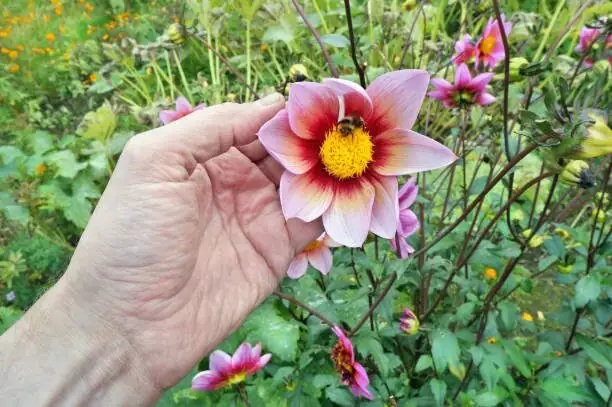
- Indoors, hand-pollination helps: Use a soft brush to move pollen between flowers over several days.
- Prevent berry drop:
- Keep above 5°C (41°F)—near freezing can trigger leaf and berry drop.
- Maintain even moisture and moderate humidity.
- Once in heavy fruit, avoid moving or shaking the pot.
Safe, non-invasive allies for part shade
- Ferns (clumping, container-friendly):
- Asplenium nidus (bird’s nest fern)
- Phlebodium aureum (blue star fern)
- Cyrtomium falcatum (holly fern)
- Nephrolepis ‘Duffii’ (lemon button fern)
- Pellaea rotundifolia (button fern)
- Mosses and near-moss textures:
- Sheet or cushion moss (for topdressing)
- Selaginella (spikemoss) as a contained spiller
- Textural foliage:
- Peperomia caperata, P. obtusifolia, P. ‘Napoli Nights’
- Pilea involucrata ‘Moon Valley’, Pilea glauca ‘Aquamarine’
- Ophiopogon japonicus ‘Nana’ (dwarf mondo; clumping)
Avoid outdoors (or research carefully): English ivy, creeping Jenny, and Tradescantia fluminensis—vigorous spreaders in many regions.
Troubleshooting, pests, and easy fixes
- Scale insects: Wipe off by hand; treat with horticultural oil or insecticidal soap, repeating as needed.
- Leaf spot: Improve airflow; water soil, not leaves, and avoid late-day misting.
- Root issues: Use airy, well-drained mix; never let the pot sit in water.
- Berries dropping? Check for cold drafts, bone-dry soil, sudden moves, or waterlogging.
A quick seasonal rhythm
- Spring: Repot (every ~2 years), resume feeding, pinch tips to shape.
- Late spring–summer: Bright filtered light; hand-pollinate indoors; protect flowers from heavy rain if summering outside.
- Summer–autumn: Active growth—water when the top layer dries; keep humidity up. After buds appear, add 2–3 higher P/K feeds.
- Winter: Once berries are red, stop feeding; water sparingly; keep warm and steady.
Safety note
Treat Coralberry as potentially toxic if eaten. Keep away from children and pets, and don’t ingest any part of the plant. Dispose of pruned berry trusses in sealed trash, not compost.
Symbolism and style
Coralberry is a classic prosperity plant—those lacquer-red clusters have long signaled welcome, celebration, and good fortune around Christmas and Lunar New Year. While “flower language” traditions can vary by culture, the enduring appeal is simple: when most plants are resting, Coralberry dresses your home in living color and quiet abundance.
Buying tips
- Choose compact, well-branched plants with dense, glossy, deep-green leaves and firm, brightly colored berries.
- Gently jostle: berries should not rain off.
- Skip plants with sticky residue (possible scale) or leaf spotting.
With the right allies—ferns, moss, and a few textural understory stars—Coralberry becomes the jewel of a serene, shade-loving container. Think soft light, steady moisture, and a hush of humidity. Then sit back as those red beads light up your winter and carry you beautifully into spring.