

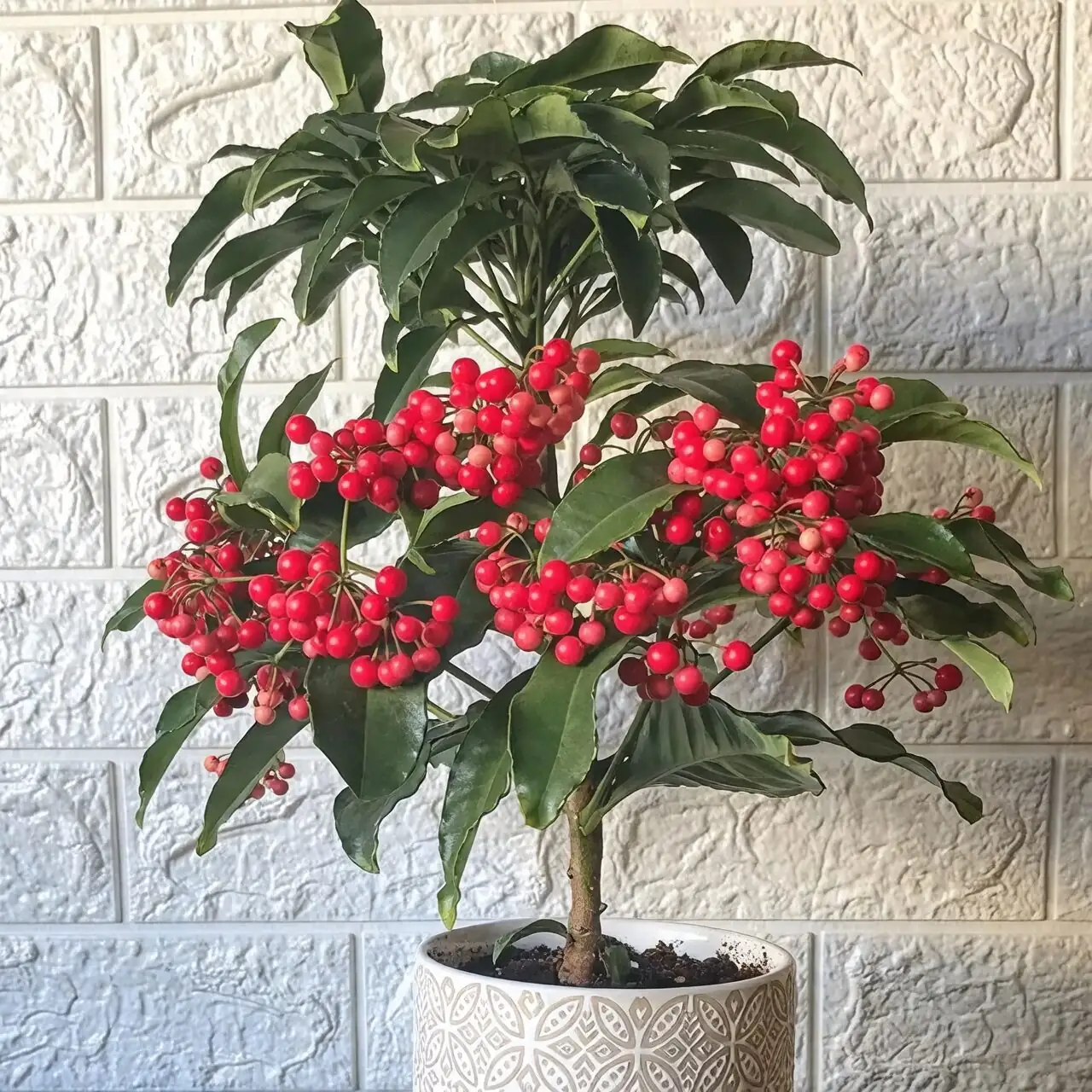
If you’ve ever wanted winter to wear jewelry, Ardisia crenata makes it happen. This compact, glossy-leaved shrub strings itself with lacquer-red berries that linger for months—often right through the holidays—earning it nicknames like coralberry, Christmas berry, and fortune berries. It’s a true charmer indoors. But in some warm regions, those same beautiful berries can turn into a burden outdoors. Here’s how to enjoy coralberry’s glow at home while keeping nature safe.
Meet Ardisia crenata (Coralberry)
- Origins: Native to East Asia—especially China and Japan.
- Family: Primulaceae (the primrose family), genus Ardisia.
- Habit: Upright to bushy evergreen shrub; naturally compact and very slow-growing.
- Size: Typically 30–120 cm (12–47 in) tall in cultivation with a similar spread; often kept smaller in pots.
- Leaves: Dense, glossy, deep green, usually with subtly scalloped (crenate) edges.
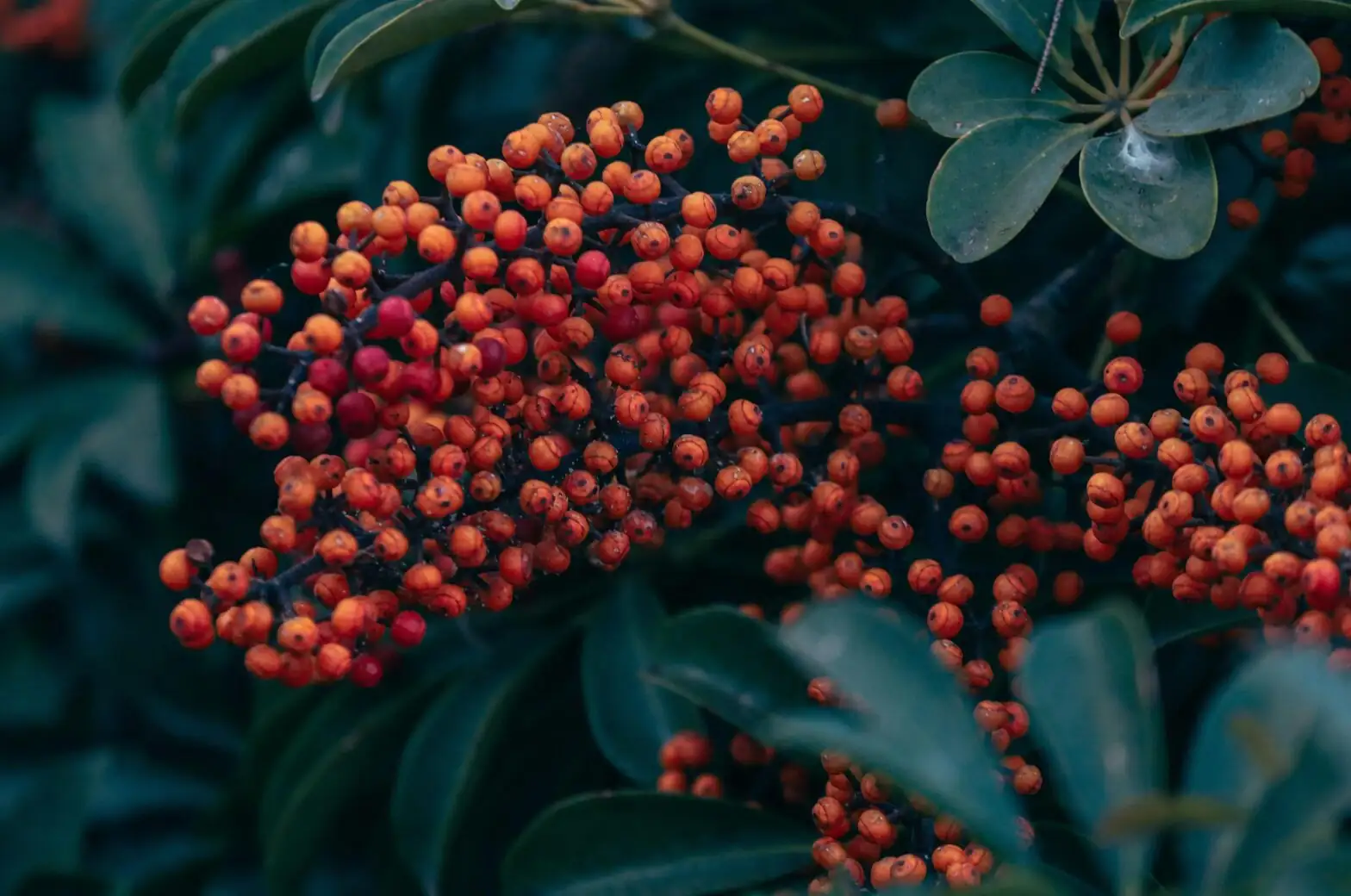
- Flowers and fruit: Small white to pale pink starry flowers in late spring to summer; heavy trusses of berries that ripen from green to a vivid red and can stay decorative for months—often best from winter into spring.
- Popular aliases: Christmas Berry, Coral Ardisia, Coral Bush, Coralberry Ardisia, Fortune Berries, Spiceberry.
Why it’s a hit: The foliage is satiny and evergreen, the habit is neat, and the berries hold on for ages—exactly the “prosperity plant” look that brightens darker months.
Where Ardisia shines indoors
Set it up right and coralberry becomes nearly effortless.
Light
- Bright, filtered light to partial shade.
- Indoors: An east-facing window is perfect; a south window with a sheer curtain also works.
- Avoid harsh midday sun, which can scorch leaves and dull the berry display.

Temperature and humidity
- Ideal range: 13–27°C (55–81°F).
- Winter minimum: Keep above 5°C (41°F); near or below freezing can trigger leaf and berry drop.
- Humidity: Prefers moderate to high (target 50%+). Light misting can help during hot/dry spells, but pair it with airflow and avoid wet foliage late in the day.
Soil and potting
- Mix: Rich, slightly acidic, well-drained potting mix (peat/coir base with perlite or coarse sand).
- Avoid alkaline, compacted, or waterlogged media.
- Pot size: A 20 cm (8 in) pot suits a typical specimen; repot about every 2 years in spring, refreshing the mix and trimming circling roots.
Watering rhythm
- Aim for “evenly moist, never soggy.”
- Water thoroughly when the top 2–3 cm (0.8–1.2 in) of mix begins to dry.
- Typical frequency:
- Active growth: Every 3–5 days in warm weather (about twice a week in peak summer), depending on pot size and heat.
- Autumn/winter: About every 10 days—keep just slightly moist.
Feeding
- Growing season: Every 2 weeks with a balanced fertilizer at label rate.
- After buds form: Give 2–3 extra feeds that are higher in phosphorus and potassium to support flowering and fruit set.
- Winter: Stop fertilizing once berries have turned red.
Shaping and stability
- Pinch soft new shoots at ~10 cm (4 in) to encourage branching and a fuller crown.
- If crowded, thin a few fruiting branches to improve shape and airflow.
- When heavily in fruit, keep the pot steady: avoid moving or shaking—sudden jolts can drop berries.
How to get that famous berry show indoors
- Timing: Flowers appear late spring to summer; berries color up through autumn and shine in winter.
- Hand-pollination helps: Gently move a soft brush between open flowers over several days to transfer pollen.
- Keep conditions steady: Bright filtered light, even moisture, and moderate humidity are your best fruiting friends.
- If berries drop, common culprits include:
- Sudden relocation or shaking
- Cold stress, especially near 0°C (32°F)
- Overly dry air
- Waterlogging or heavy, compacted soil
A quick safety check
Treat coralberry as potentially toxic if eaten. Some references list the berries as poisonous while others are cautious or uncertain. For safety, do not ingest any part and keep the plant out of reach of children and pets.
The flip side: why it’s invasive in some warm regions
In climates that rarely freeze (roughly USDA Zones 9–11), Ardisia crenata can escape gardens and outcompete native understory plants.
What makes it so successful outdoors in warm regions:
- Evergreen shade champion: Tolerates deep shade and keeps growing while many natives rest in winter.
- Seed power: Each berry holds a large seed with high germination rates. Birds eat berries and spread seeds widely.
- Clump-forming habit: Plants often grow in multi-stem clumps; populations can form thick mats that smother ground-layer diversity.
- Forest-floor takeover: Dense stands can absorb a large portion of the light reaching the soil surface, suppressing the regeneration of native species.

Result: A charismatic houseplant can become an ecological bully if allowed to fruit and seed outdoors in mild climates. Some southeastern U.S. states, for example, have documented its spread in woodlands.
Bottom line: Admire it indoors. Be mindful outdoors in warm regions.
Beauty without regret: containment and berry/seed disposal
Keep the sparkle, skip the spread with these practical habits.
If you live in a warm-winter region (Zones 9–11 or similar):
- Keep it as an indoor plant year-round, or only place outdoors temporarily in a sheltered, paved spot—never in the ground.
- Do not set fruiting plants on open patios where birds can feed on the berries.
- Avoid giving away seedlings or suckers; in regulated areas, do not propagate or share at all. Check your local extension or noxious weed lists for guidance.
“Bag-the-berries” routine
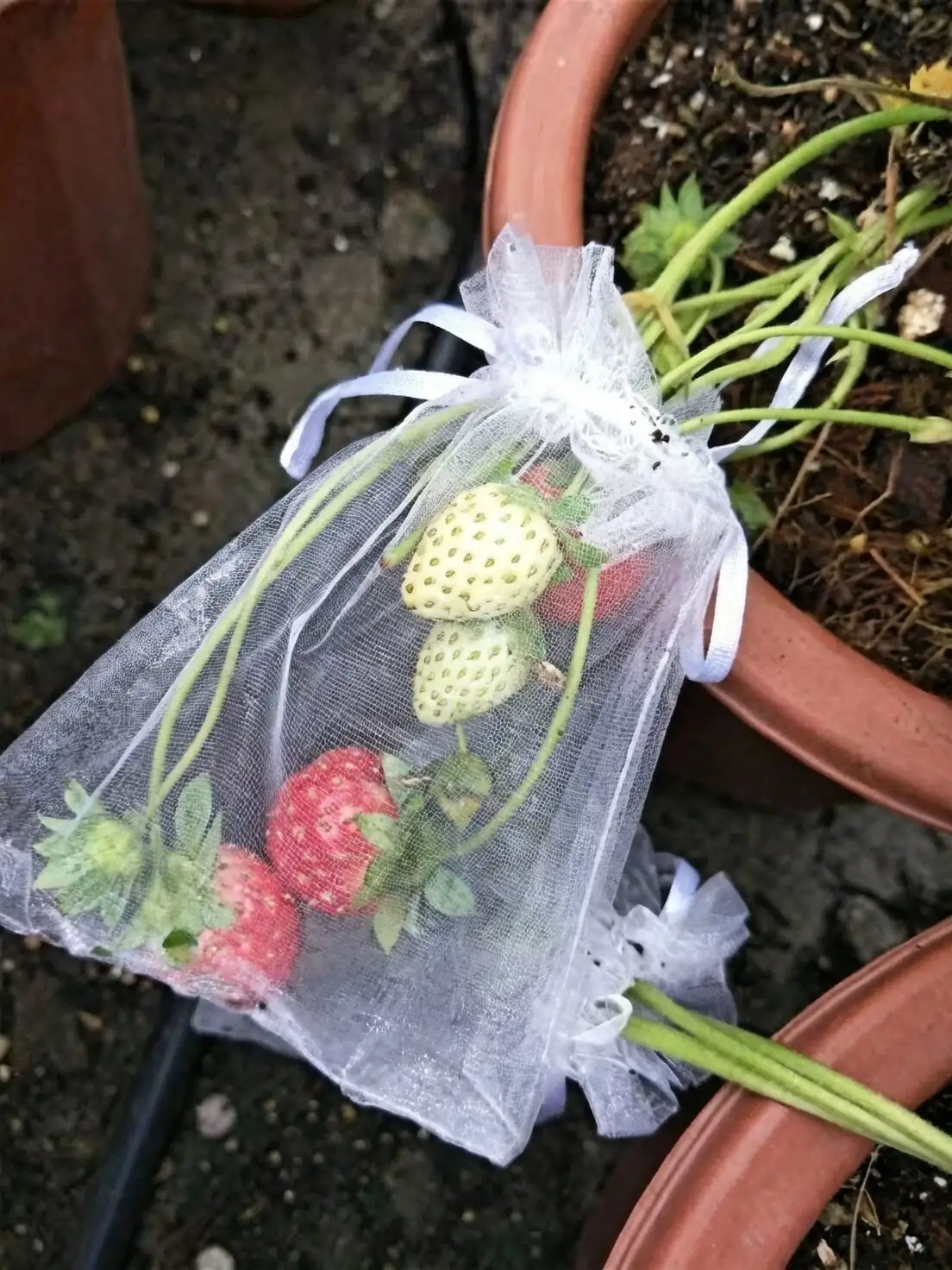
- As berries blush from green to red, slip a loose paper bag or fine mesh over clusters to catch any that detach.
- Clip fruiting trusses before they soften fully to reduce drop.
- Cleanup: Sweep and collect any fallen berries immediately; do not leave them on soil or mulch.
Dispose of berries and spent soil responsibly
- Never compost berries or seed-bearing debris.
- Double-bag and place in the trash, or seal and freeze berries for several days before trashing to ensure seeds are non-viable.
- When repotting, keep the work over a tarp or indoors; double-bag used mix that may contain seeds and dispose in household trash.
- Wipe tools and surfaces afterward; a quick hot-water rinse helps.
Limit outdoor “temptations”
- If moving the plant outdoors in summer (warm regions), do so only when not in fruit, and set it on hardscape with a saucer.
- Don’t place under eaves where berries could roll into cracks or beds.
Pests, diseases, and how to stay ahead
- Scale insects: Look for bumps or sticky residue on stems/leaves. Remove manually and treat with horticultural oil or insecticidal soap, repeating as needed.
- Leaf spot: More likely with stagnant air and wet foliage. Improve airflow, avoid late-day misting, remove badly spotted leaves, and consider a suitable fungicide if it progresses.
- Root problems: Poor drainage invites rot. Keep the mix airy, pots free-draining, and avoid waterlogging.
Your year with coralberry: a simple care calendar
- Spring
- Repot every ~2 years and refresh the potting mix.
- Resume regular feeding and watering.
- Pinch new growth to keep the canopy full.
- Late spring–summer (flowering)
- Bright filtered light; protect flowers from heavy rain if set outdoors temporarily.
- Hand-pollinate indoors to maximize berry set.
- Summer–autumn
- Most active growth. Water when the top layer begins to dry.
- Maintain moderate humidity in hot spells.
- After buds form, add 2–3 higher P/K feeds.
- Winter
- Enjoy the red display. Stop fertilizing once berries are red.
- Water sparingly (about every 10 days) and keep warm, above 5°C (41°F).
- Avoid moving the plant when heavily fruited.
Buying guide: how to choose a knockout plant
- Dense, glossy deep-green foliage with a compact, well-branched form.
- Plump, firmly attached, brightly colored berries.
- No sticky residue (could indicate scale) or obvious leaf spots.
- Gently shake the plant—healthy, well-set berries shouldn’t tumble off.
Repotting, step by step
- Best time: Spring, about every 2 years.
- Size up only slightly; coralberry prefers a snug pot.
- Use a fertile, slightly acidic, free-draining mix (coir/peat + perlite/sand).
- Tease out circling roots and trim lightly.
- Water in well, then let the top layer dry slightly before the next drink.
- If berries are present, be extra gentle to avoid fruit drop—and contain any that fall.
Propagation notes (with a cautionary flag)
- Semi-ripe cuttings (June–July): Take 5–6 cm (2.0–2.4 in) tip cuttings; root in moist sand/vermiculite under warm, humid, lightly shaded conditions. Roots form in ~3–4 weeks.
- Seed: Use fully ripe red berries; remove pulp, optionally soak seeds in warm water at 25–30°C (77–86°F). Sow shallowly (~0.5 cm / 0.2 in). Germination often in ~5–9 weeks.
- Grafting: Possible in early summer; maintain high humidity afterward.
Containment reminder: In warm regions or places where it’s regulated as invasive, avoid propagating or sharing plants. Keep your coralberry a cherished, indoor-only treasure.
Symbolism, stories, and a reality check
Ardisia crenata wears prosperity well—its polished leaves and abundant winter berries naturally became a “fortune plant” in East Asian homes, especially around Lunar New Year. The evergreen fullness reads as continuity; the long-lasting red berries signal stored abundance during lean months; together they whisper welcome, wealth, and warmth.
About flower language: Culturally, the “good luck” reputation grows from centuries of observation—plants that look vigorous in winter felt auspicious. There’s no single ancient text that bestows this meaning; rather, homes and markets adopted coralberry for its enduring winter color, and tradition did the rest. Today, you can keep the spirit—and the ecosystem—intact by celebrating its beauty indoors and preventing any outdoor spread.
Quick FAQ
- How can I get my coralberry to produce more berries indoors?
- Hand-pollinate flowers with a small soft brush over several days, keep light bright but filtered, maintain steady moisture (not soggy), and after buds appear, provide 2–3 feedings higher in phosphorus and potassium.
- Why are my berries dropping off?
- Sudden moves or shaking, cold near freezing, overly dry air, or waterlogging can all trigger drop. Keep it above 5°C (41°F), maintain even moisture, raise humidity moderately, and avoid relocating the pot when it’s heavy with fruit.
- Is it safe around pets and kids?
- Treat as potentially toxic if eaten. Don’t ingest any part and keep it out of reach.
At-a-glance care recap
- Light: Bright, filtered; no harsh midday sun.
- Water: Evenly moist; never soggy. Let the top 2–3 cm dry between waterings.
- Humidity: Moderate to high; ensure airflow.
- Temperature: 13–27°C (55–81°F); above 5°C (41°F) in winter.
- Soil: Slightly acidic, well-drained, fertile potting mix.
- Feeding: Every 2 weeks in season; add 2–3 higher P/K feeds after buds form; stop in winter once berries are red.
- Pruning: Pinch tips for branching; thin lightly if crowded.
- Hardiness: Frost tender; roughly USDA Zone 9–11 outdoors—keep as a houseplant in warm regions to prevent spread.
Enjoy Ardisia crenata for what it does best: turning winter into a celebration. With mindful containment and smart berry disposal, you’ll keep the luck indoors—and leave the landscapes beyond your window just as lucky.