

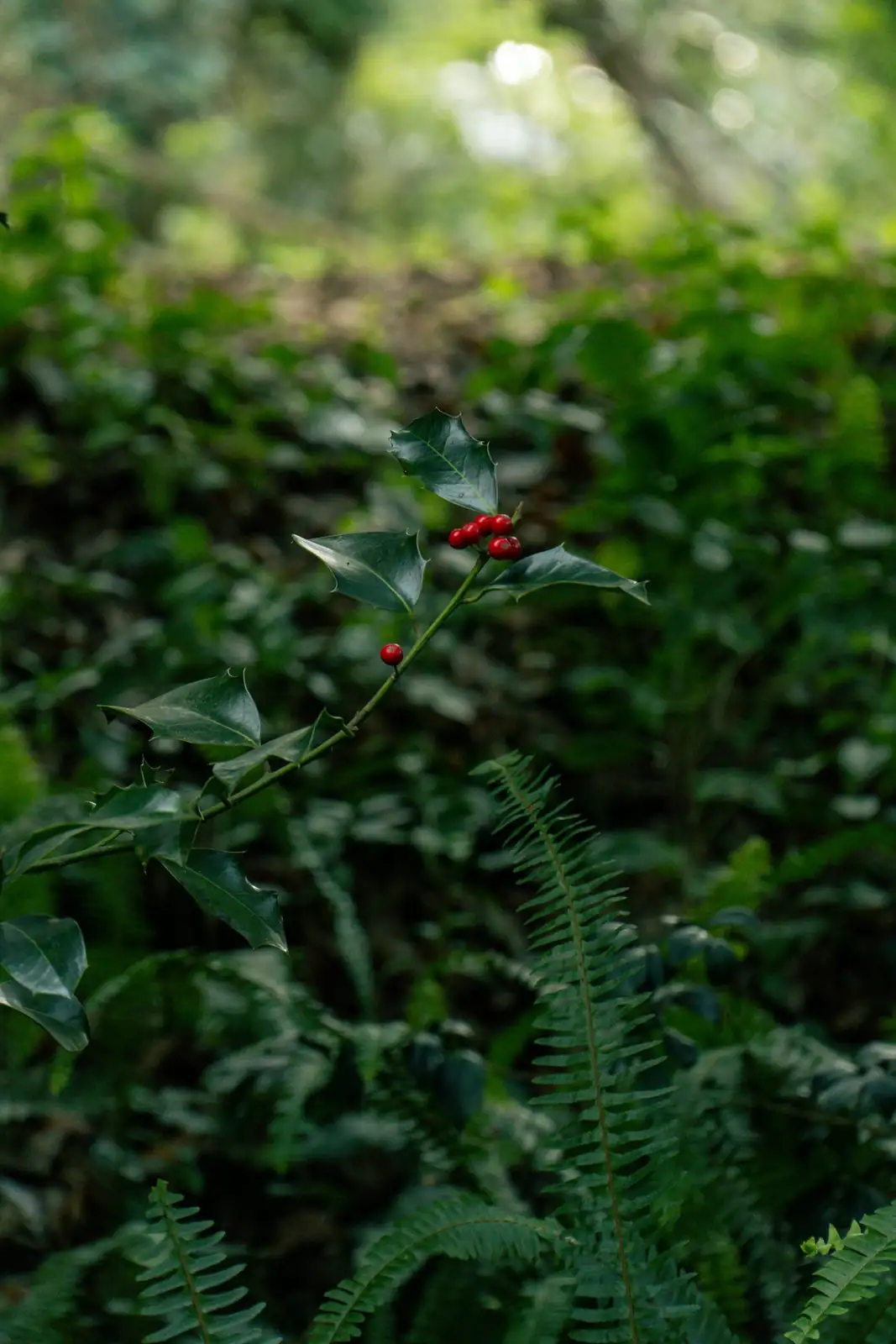
If you’ve ever admired a coralberry dripping with festive red beads in the dead of winter and wondered, “How do I get mine to do that indoors?”—you’re in the right place. Ardisia crenata is perfectly capable of turning its delicate, starry blossoms into dense trusses of lacquer-red fruit at home. The secret is timing, a soft touch with a brush, and a few dialed-in tweaks to light, temperature, and feeding.
Meet Ardisia crenata, the berry-maker
- Also called Coralberry, Christmas Berry, Coral Ardisia, Coral Bush, Fortune Berries, and Spiceberry
- Botanical: Ardisia crenata (Primulaceae), native to China and Japan
- Habit: A slow-growing, compact evergreen shrub, typically 30–120 cm tall in pots
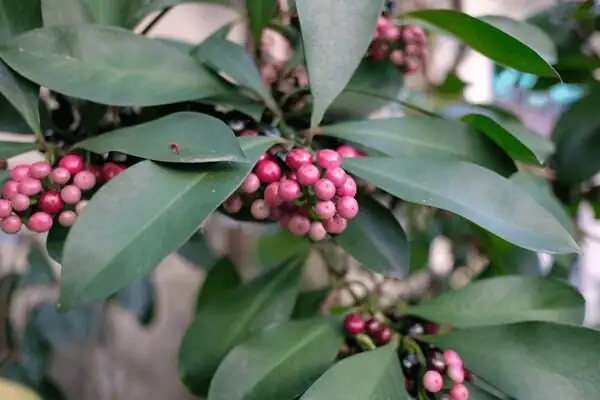
- Look: Glossy deep-green leaves with subtly scalloped edges; dainty white to pale pink flowers in late spring–summer; brilliant red berries that linger from winter into spring
The bloom-to-berry timeline (and why it matters)
- Late spring–summer: Flowering begins—this is your hand‑pollination window.
- Summer–autumn: Fruit swells and colors up from green to red.
- Winter–spring: Berries peak—hanging for months if the plant is kept warm, gently lit, and evenly moist.
Success indoors hinges on good light during flowering, steady (not soggy) moisture, humidity around 50%+, and hand‑pollination repeated over several days.
The indoor fruit‑set formula
Dial in these basics and you’re 80% there:
Light
- Bright, filtered light to partial shade. Indoors, aim for:
- East-facing window, or
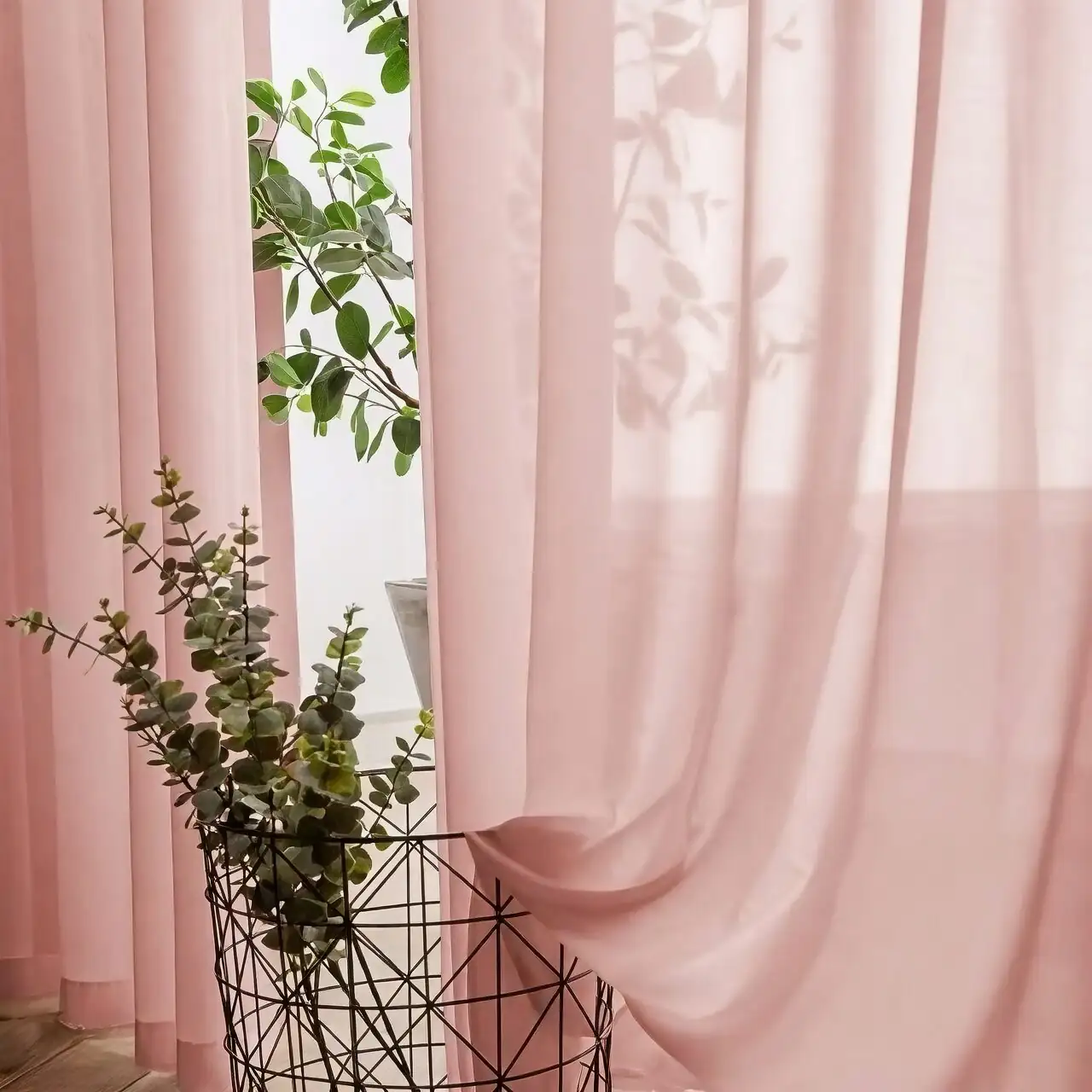
- South-facing window with a sheer curtain
- Avoid harsh midday sun, which can scorch leaves and reduce flower longevity.
- Supplement with a full-spectrum grow light if natural light is weak; 10–12 hours of bright, indirect light helps during flowering.
Temperature
- Best growth: 13–27°C (55–81°F)
- Winter minimum: Keep above 5°C (41°F). Near freezing can trigger leaf and berry drop.
Humidity and airflow
- Target 50%+ humidity, especially while flowers are open.
- Light, occasional misting during hot/dry spells can help—but pair it with gentle airflow and avoid late‑day wet foliage to reduce leaf spot.
Water
- Evenly moist, never soggy.
- Water thoroughly when the top 2–3 cm (about 1 in) of mix begins to dry.
- Warm season: often every 3–5 days, depending on pot size and heat
- Winter: about every 10 days, keeping the mix slightly moist
Feeding
- Growing season: Feed every 2 weeks with a balanced fertilizer at label rate.
- After flower buds appear: Add 2–3 extra feeds higher in phosphorus and potassium to support fruit and truss development.
- Winter: Once berries turn red, stop fertilizing.
Hand‑pollination masterclass: turning blossoms into berries
Indoors, reliable fruit set usually needs your help. Here’s the simple, repeatable method.
Tools
- A small, soft artist’s brush (or cotton swab)
- Optional: a second clean brush to avoid cross-contamination if you’re fussing over multiple plants
Timing
- Start when the first flowers fully open (petals reflexed; anthers powdery).
- Pollinate mid‑morning on dry days when humidity is moderate and the plant is turgid (not thirsty).
Technique
- Stabilize the truss: Support the flower cluster with one hand.
- Load the brush: Lightly swirl through the anthers of an open flower to pick up pollen.
- Transfer: Dab the brush onto the central parts of neighboring flowers in the same truss, then move between trusses on the plant.
- Repeat: Revisit every 1–2 days for a week as new flowers open; this is crucial because clusters don’t open all at once.
- Gentle vibration: A soft tap under each truss can help settle pollen onto stigmas.
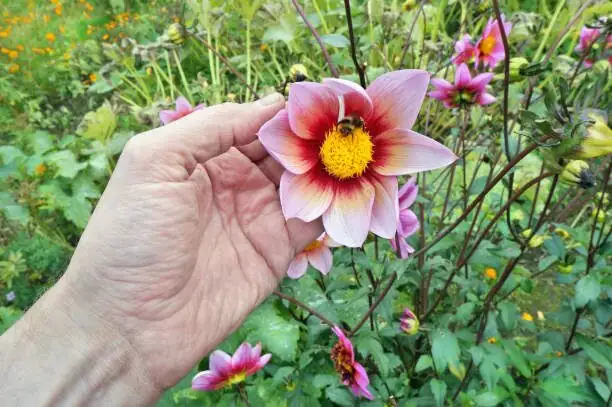
Signs of success: Petals drop cleanly, the tiny green ovary at each flower base stays and begins to swell.
Pro tips for higher set
- Keep light bright but indirect throughout flowering.
- Maintain humidity near 50–60% with airflow.
- Avoid cold drafts and big moves—sudden stress can abort young fruit.
Aftercare for fruit trusses
- Don’t relocate the pot when heavily in fruit; shaking can cause drop.
- Stay consistent with watering—never swing from dry to drenched.
- Continue 2–3 high‑P/K feeds after buds form; then stop once berries are red.
- If clusters are extremely dense, thin a few fruits or lightly prune an overly crowded branch to improve airflow and reduce strain.
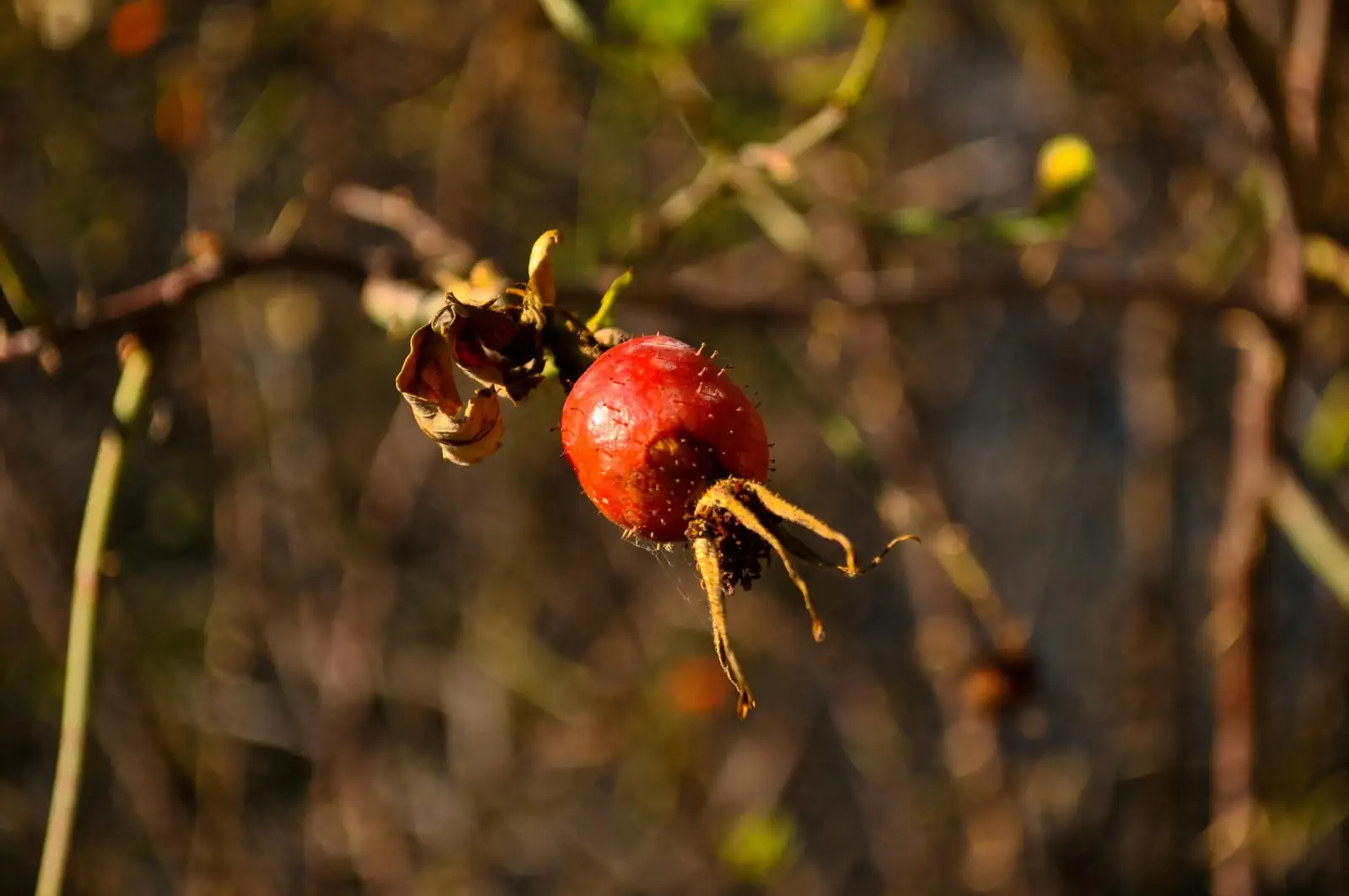
Troubleshooting poor fruit set or berry drop
- Low light during flowering: Move to an east window or add a sheer‑filtered south window/grow light.
- Skipped or rushed pollination: Pollinate over multiple sessions as flowers progressively open.
- Cold exposure (near 0°C/32°F): Keep above 5°C (41°F); protect from drafts and cold window glass.
- Dry air or heat stress: Target ~50%+ humidity; shade lightly from harsh midday sun.
- Waterlogging or prolonged drought: Use a free‑draining, slightly acidic mix; water when the top 2–3 cm dries.
- Excess nitrogen: Encourages leaves at the expense of flowers—switch to balanced, then high‑P/K after bud formation.
- Handling shocks: Minimize moving or jostling once fruit sets.
The ideal potting mix and repotting rhythm
- Mix: Rich, slightly acidic, well‑drained. Try a peat/coir base amended with coarse sand or perlite. Avoid alkaline soils.
- Pot size: About 20 cm (8 in) diameter suits a typical specimen.
- Repot: Every ~2 years in spring. Tease out circling roots and refresh the mix.
Pruning and shaping for more berries
- Pinch soft new shoots at about 10 cm (4 in) to encourage branching and a fuller canopy—more branch tips mean more flower clusters.
- If the canopy becomes crowded, thin a few fruiting branches lightly to improve shape and airflow.
A simple year‑round calendar
- Spring: Repot if due; resume regular feeding; pinch new growth.
- Late spring–summer: Flowering. Keep bright filtered light and hand‑pollinate indoors.
- Summer–autumn: Active growth. Water as needed; maintain humidity in heat. After buds form, give 2–3 high‑P/K feeds.
- Winter: Berries show. Stop fertilizing once berries are red; water sparingly (about every 10 days); keep warm and draft‑free.
Pests, diseases, and easy prevention
- Scale insects: Look for bumps or sticky residue. Remove manually; treat with horticultural oil or insecticidal soap; repeat as needed.
- Leaf spot: Prevent with good airflow and by avoiding late‑day wet foliage. Remove badly affected leaves; treat with an appropriate fungicide if necessary.
- Root issues: Ensure excellent drainage and avoid waterlogging.
Placement tips that protect your display
- Indoors: Bright living room or study near an east window, or south window with a sheer.
- Outdoors in warm seasons (frost‑free): Sheltered patio/balcony in partial shade. Protect flowers from heavy rain.
- When berry‑laden: Avoid moving or shaking the pot.
Safety, pets, and an important note
- Treat as potentially toxic if eaten. Do not ingest any part. Keep out of reach of children and pets.
- In some warm regions, it can become invasive outdoors—check local guidance before planting outside.
Buying a plant that will berry for you
- Look for compact, well‑branched plants with dense, glossy leaves and firm, brightly colored berries.
- Avoid specimens with visible pests, sticky residue, or leaf spotting.
- Give the pot a gentle tap: berries shouldn’t shed easily. Once you bring it home in fruit, minimize moving it.
Propagation basics
- Cuttings (June–July): Take 5–6 cm semi‑ripe cuttings; root in moist sand/vermiculite in warm, humid, lightly shaded conditions; roots in ~3–4 weeks.
- Seed: Use fully ripe red berries; remove pulp and sow lightly covered (~0.5 cm). Soak seeds in warm water (25–30°C) before sowing for a head start. Germination often ~5–9 weeks.
- Grafting: Early summer; keep humidity high after the join.
Meaning, myths, and why it’s a “fortune” plant
Those long‑lasting red berries, shining through the darkest months, have made coralberry a symbol of prosperity and welcoming warmth—hence its popularity at Christmas and Lunar New Year. While you’ll see plenty of “fortune” claims in holiday lore, the deeper charm is practical and poetic: steadiness. With consistent care—gentle light, even moisture, and a few passes with a soft brush—you’re rewarded with months of color when most plants are resting.
—
Quick win to start today:
- Move your coralberry to bright, filtered light.
- Check moisture; water when the top 2–3 cm is dry.
- If flowers are open, hand‑pollinate every other morning this week.
- Keep temps between 13–27°C, humidity 50%+, and avoid drafts.
Do this, and those delicate summer stars will become winter jewels—dense, lacquer‑red trusses that turn your plant into a true prosperity piece.