

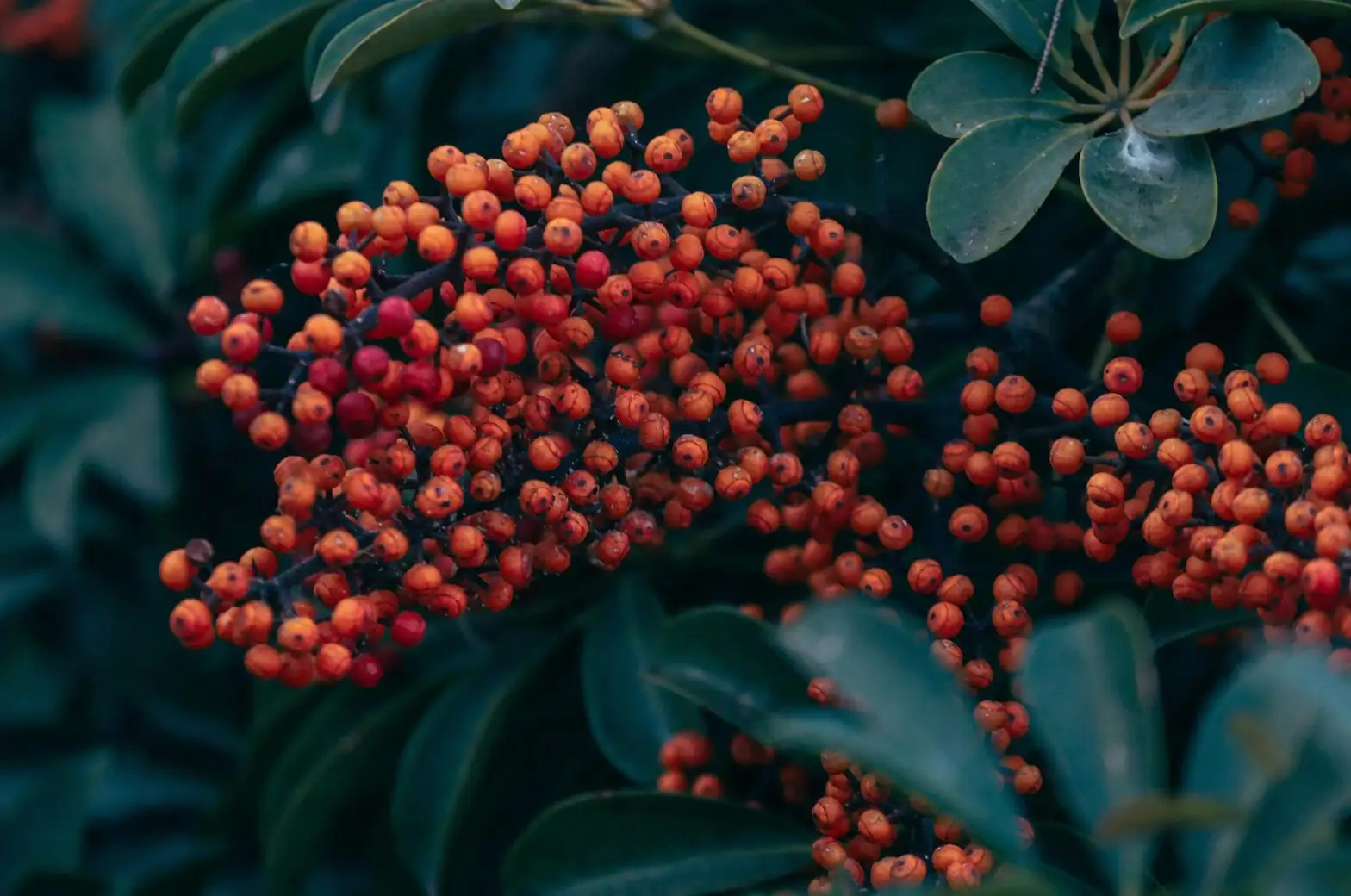
Picture a little evergreen dressed for the holidays year-round: dense, glossy foliage like lacquered leaves and trusses of berries that ripen to a vivid, celebratory red. That’s Ardisia crenata—Coralberry, Christmas Berry, Fortune Berries—an elegant, slow-growing shrub from China and Japan that rewards good design and steady care with berries that linger from winter well into spring.
Below, a design-forward guide to pots, vignettes, color palettes, and microclimates so those berries shine all season—without drafts, hot spots, or shake-induced fruit drop.
Make the berries the star: design choices that do the work
Pot choices that flatter color—and prevent wobble
Your container is both stage and safety harness. Berries can load branches heavily; a well-chosen pot keeps the plant stable and picture-perfect.
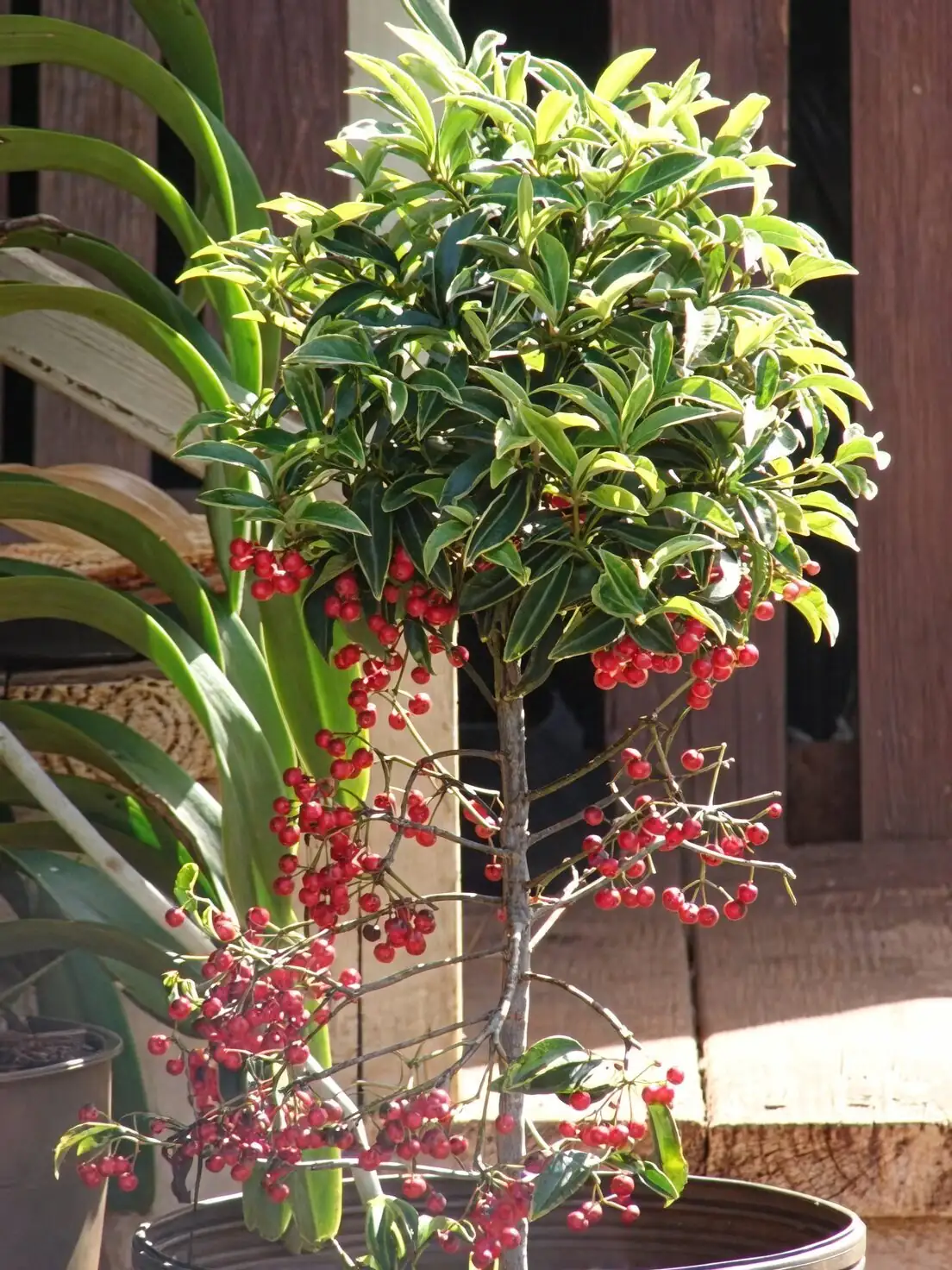
- Shape and weight
- Choose a low center of gravity: a cylinder or slightly flared form with a wide base resists tipping.
- Stoneware, ceramic, or concrete lend visual gravitas and physical stability.
- Avoid tippy, narrow-footed planters for heavy-fruiting plants.
- Drainage and size
- Use a pot with drainage; Coralberry wants “evenly moist, never soggy.”
- A 20 cm (8 in) diameter pot is a sweet spot for typical specimens; repot about every 2 years in spring.
- Color and finish
- Celadon or jade glazes echo the foliage and make red berries glow.
- Matte charcoal/black creates gallery-like contrast.
- White porcelain offers crisp holiday brightness.
- Warm terracotta softens the red into a more natural, woodland feel (line or seal to slow wicking if your air is dry).
- The stealth stabilizers
- Add a layer of decorative pebbles on top to visually “ground” the plant and reduce soil splash.
- Use felt pads under the pot to dampen vibration from foot traffic or closing doors.
- Discreet, dark stakes can support heavily fruited branches without stealing the show.
The right soil under the style
- Mix: fertile, slightly acidic, and well-drained—peat/coir base with coarse sand or perlite.
- Refresh on repotting; trim circling roots and avoid burying the crown.
Curate the scene: vignettes that balance light, color, and calm
Composition rules that flatter berries
- Triangulate the view
- Place Coralberry as the visual apex, flanked by a soft-textured plant (e.g., bird’s nest fern) and a sculptural object (a ceramic bud vase, a small bronze).
- Layer heights
- Use a low tray or stack of books to lift companions while keeping Coralberry slightly taller.
- Texture play
- Pair glossy Coralberry leaves with matte stone, linen runners, or unglazed ceramics to keep the berries from looking too “plastic-shiny.”
- Reflect with restraint
- A satin-finish mirror or brass tray can bounce light to the clusters—but avoid harsh reflections that create hot spots.
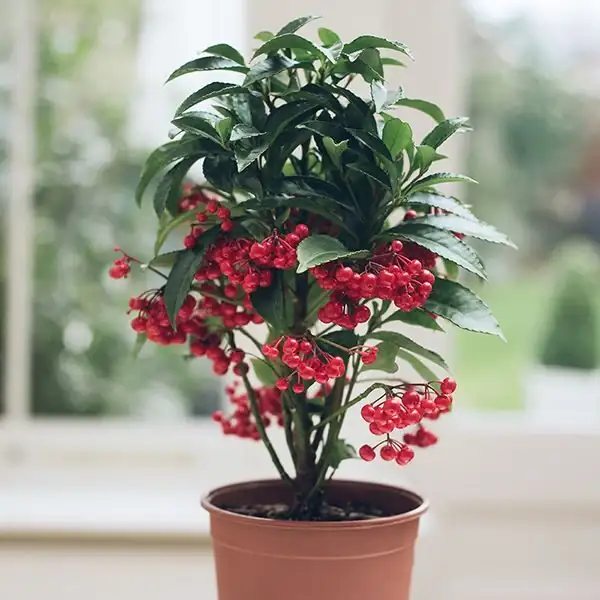
Companion plants that share the microclimate
- Bird’s nest fern (Asplenium nidus) for lush, humidity-friendly fronds.
- Cast-iron plant (Aspidistra) for deep green ballast in shadier corners.
- Phalaenopsis orchids: similar love of bright, filtered light and moderate humidity.
Note: Keep companions at partial shade/bright filtered levels; avoid sun lovers that push you toward harsher light than Coralberry prefers.
Color palettes that make red sing
- Lacquer & Jade
- Pot: celadon or jade glaze
- Accents: black ink tray, brushed brass scissors
- Textiles: ecru linen
- Mood: refined, festive, pan-Asian
- Winter Gallery
- Pot: matte black or charcoal concrete
- Accents: white books, graphite ceramic
- Textiles: dove-gray wool
- Mood: minimal, museum-ready contrast
- Lunar Warmth
- Pot: creamy porcelain or warm terracotta
- Accents: red tea tin, thin gold line frame
- Textiles: raw silk runner
- Mood: welcoming prosperity cue without kitsch
Microclimate engineering: berries that don’t bail
Ardisia crenata is happiest in bright, filtered light to partial shade, with steady warmth and moderate-to-high humidity. The secret is stability—no drafts, no blasts, no shakes.
Light
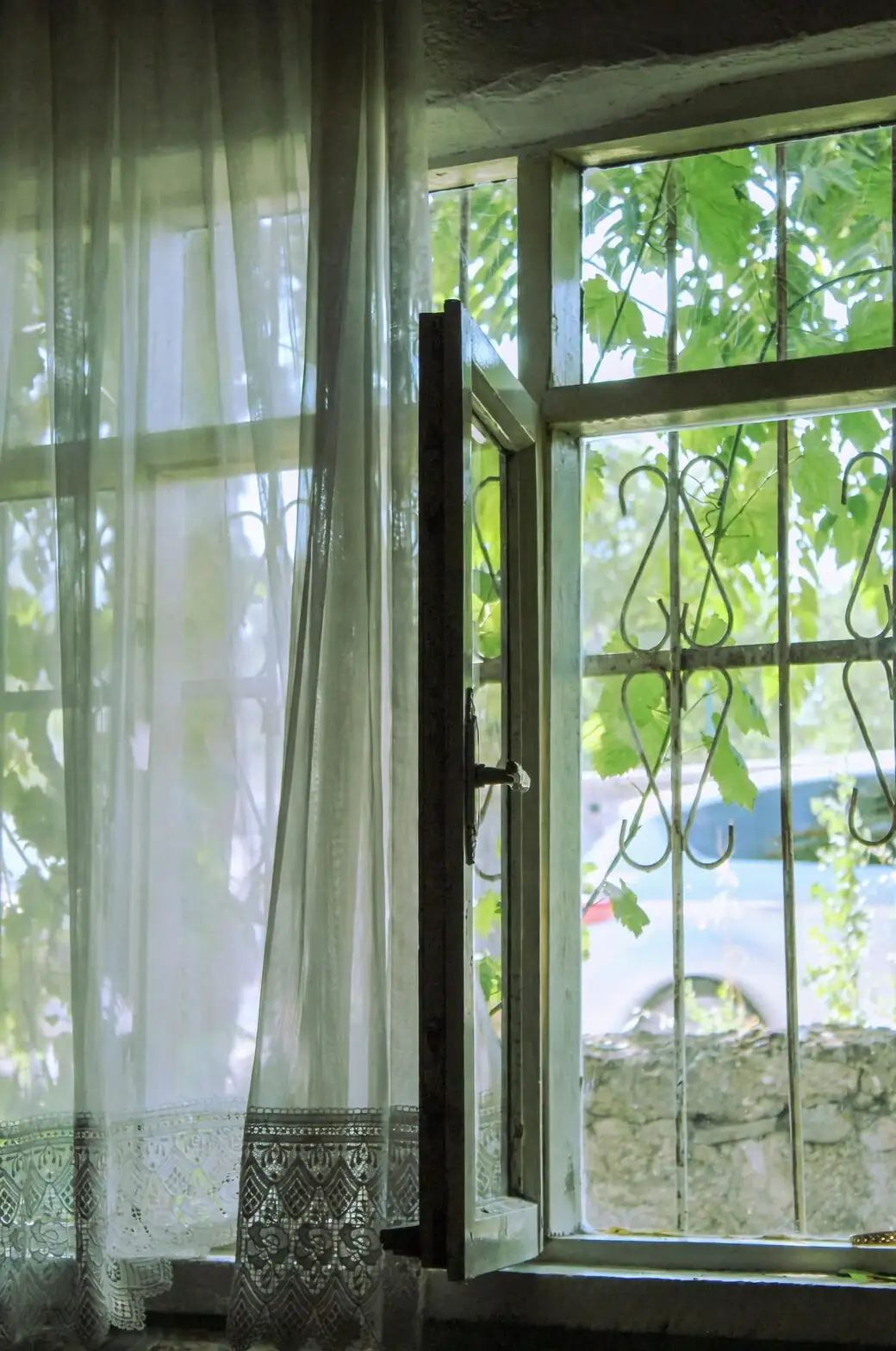
- Best: east-facing window, or south window with a sheer curtain.
- Avoid: harsh midday sun that scorches leaves and dulls the display.
- Grow lights: full-spectrum is fine; keep intensity gentle and distance sufficient to prevent leaf stress.
Temperature
- Sweet spot: 13–27°C (55–81°F).
- Winter minimum: keep above 5°C (41°F). Near or below 0°C (32°F) can trigger leaf and berry drop.
Humidity and airflow
- Target 50%+ relative humidity.
- Use a room humidifier or a broad pebble tray; mist lightly during hot/dry spells but avoid leaving foliage wet late day.
- Pair humidity with gentle airflow to reduce leaf-spot risk (no direct drafts).
Placement: the “no-drama” zone
- Keep out of entryways, away from A/C or heating vents, and off radiator covers.
- Choose a stable spot before berries color up; once fruit is heavy, don’t relocate the pot.
- If rotation is needed for even light, rotate infrequently and smoothly with two hands; avoid jostling.
Water, feed, and hand-pollinate for a berry-laden show
Watering rhythm
- Aim for “evenly moist, never soggy.”
- Check the top 2–3 cm (0.8–1.2 in): water thoroughly when that layer begins to dry.
- Typical cadence: every 3–5 days in warm weather (about twice weekly in peak summer), shifting to roughly every 10 days in winter.
- Always empty saucers; waterlogging invites root issues.
Fertilization for flowers and fruit
- Feed every 2 weeks in the growing season with a balanced fertilizer at label rate.
- After buds form, give 2–3 extra feedings higher in phosphorus and potassium to support flowering and fruit set.
- Stop feeding in winter once berries turn red.
Hand-pollination indoors
- During late spring–summer bloom, gently move a soft brush between flowers over several days to transfer pollen.
- Keep moisture steady and light bright-but-filtered; this markedly improves indoor berry yield.
Troubleshooting without losing the look
- Berries dropping
- Triggers: sudden moves or shaking, cold stress near 0°C (32°F), overly dry air, or waterlogging.
- Fix: stabilize placement, keep above 5°C (41°F), maintain even moisture, raise humidity moderately.
- Scorched or dull leaves
- Cause: harsh midday sun or heat sources.
- Fix: add a sheer curtain, shift to bright filtered light, pull back from glass in summer afternoons.
- Leaf spot
- Cause: prolonged wet foliage + stagnant air.
- Fix: water soil-level, mist only early day, improve gentle airflow, remove badly spotted leaves.
- Scale insects
- Signs: bumps on stems/leaves, sticky residue.
- Response: wipe off, then treat with horticultural oil or insecticidal soap; repeat as needed.
- General root health
- Keep mix airy; avoid compacted or waterlogged soil to prevent root problems.
Seasonal style-and-care calendar
- Spring
- Repot (about every 2 years); refresh slightly acidic, well-drained mix.
- Pinch new shoots at ~10 cm (4 in) to encourage branching; shape lightly.
- Resume regular feeding.
- Late spring–summer (flowering)
- Maintain bright filtered light; hand-pollinate.
- Protect outdoor displays (in warm climates) from heavy rain and midday sun.
- Summer–autumn
- Peak growth; water as the surface begins to dry; raise humidity during heat waves.
- After buds form, add 2–3 higher P/K feeds.
- Winter (berry display)
- Stop fertilizing once berries are red.
- Water sparingly but don’t let the rootball fully dry (about every 10 days as a guide).
- Keep warm and away from drafts; never below 5°C (41°F).
Quick placement cheat sheet
- Indoors: near an east window or behind a sheer on south; bright living room/study corners work beautifully.
- Outdoors (warm seasons only, frost-free): sheltered balcony/patio in partial shade. Frost tender; roughly USDA Zone 9–11. Protect from freezing temperatures and bring inside well before a cold snap.
Safety and sourcing notes
- Safety: treat as potentially toxic if eaten. Keep out of reach of children and pets—those berries look temptingly edible.
- Buying tip: choose a compact, well-branched plant with dense, glossy leaves and firm, brightly colored berries. Gently shake; if berries rain down, pick a sturdier specimen.
- Invasiveness caution: in some warm regions outside its native range, Ardisia crenata can be invasive. Keep it as a container plant and check local guidance before planting outdoors.
Symbolism: why this “prosperity plant” feels so right in winter
Ardisia crenata’s lacquer-red berries read as abundance against evergreen leaves—colors long tied to luck and welcome in winter festivals, from Christmas to Lunar New Year. The berries’ remarkable persistence from winter into spring underscores endurance and continuing good fortune. While “flower language” traditions vary, the modern meaning is rooted in simple, shared experience: in the year’s leanest season, this plant still offers more—more color, more cheer, more promise.
—
Design it once, then keep conditions steady: bright, filtered light; warm, draft-free air; 50%+ humidity; evenly moist, well-drained, slightly acidic soil. Add a stable, beautifully chosen pot and a vignette that lets the red sing, and your Coralberry will hold its berries like ornaments on a carefully dressed tree—month after radiant month.