

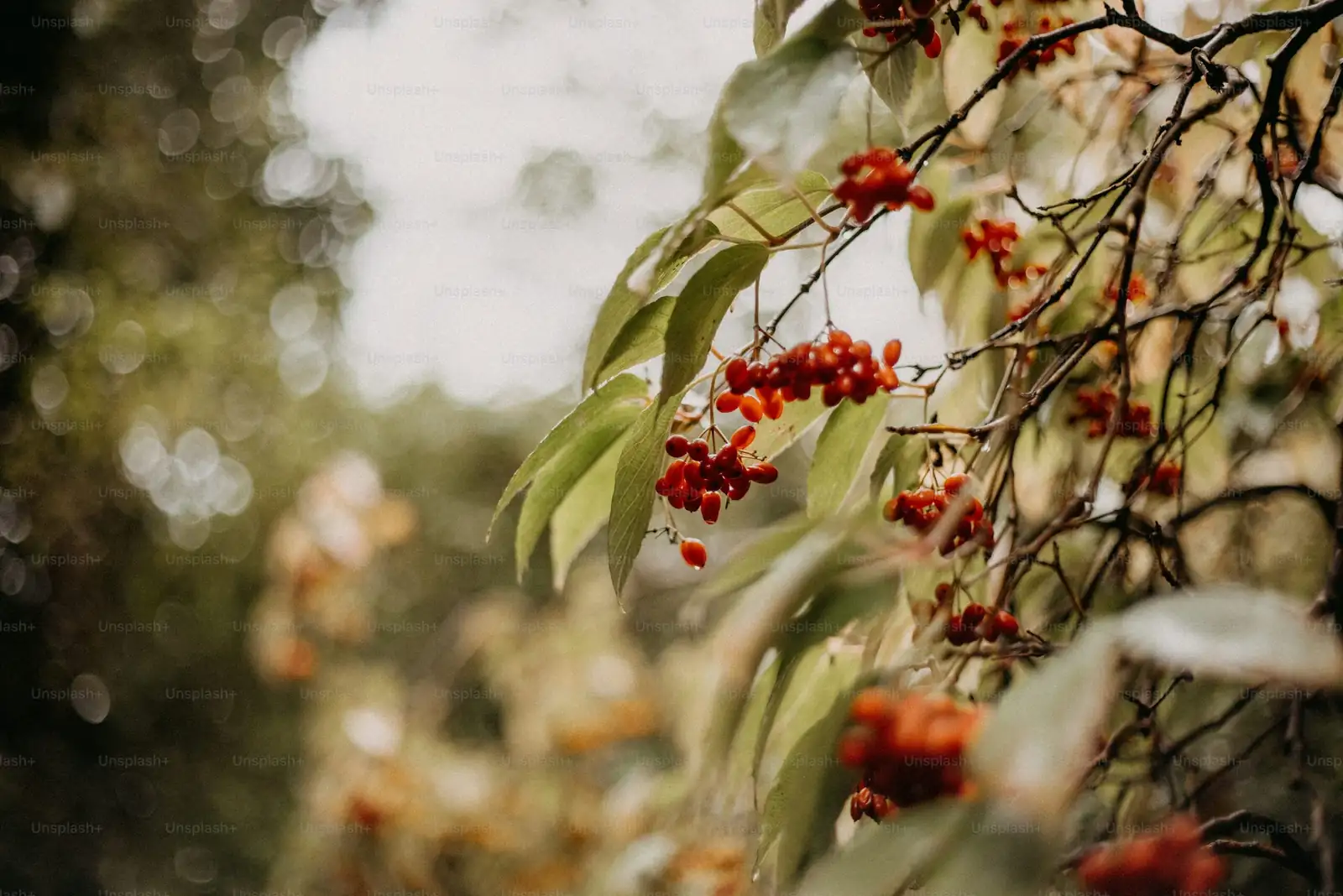
If you like your houseplants with a dash of drama and a lot of longevity, meet the coralberry, Ardisia crenata—the slow-and-steady show-off with berries that outlast your holiday leftovers. Think lacquer-red ornaments dangling for months, a plant that prefers to be admired from a respectful distance (no sudden jostles, please), and a few clever tricks to guarantee a bumper crop of berries indoors.
Meet Ardisia crenata (aka Coralberry, Christmas Berry, Coral Ardisia)
- Family: Primulaceae (primrose family)
- Origin: China and Japan
- Habit: Upright, bushy evergreen shrub with a naturally compact, slow-growing, often dwarf habit
- Size in pots: Typically 30–120 cm (12–47 in) tall, often kept smaller
- Foliage: Dense, glossy, deep-green leaves with subtly scalloped (crenate) edges
- Flowers and fruit: Small white to pale pink, starry clusters in late spring to summer; berries ripen through autumn and usually look best from winter into spring
- Vibe: A classic “prosperity plant” prized for festive clusters of red berries
The Oddities We Love
The marathon berry display
Ardisia’s berries are endurance athletes: trusses of pea-like fruits ripen from green to a vivid lacquer-red, then hang around for months—often dazzling right through winter and well into spring. To keep that marathon going:
- Give bright, filtered light (more on that sweet spot below).
- Maintain steady moisture—never soggy.
- Aim for moderate to high humidity (50%+).
- Keep warm: best at 13–27°C (55–81°F); protect from cold drafts and never let it dip below 5°C (41°F).
- Once the plant is loaded with fruit, minimize moving and shaking to avoid drop.
The gentle-move rule
Ardisia crenata has one strict boundary: don’t roughhouse it when it’s fruiting. Sudden relocation, door-slam drafts, or a bumpy car ride can trigger berry drop.
- Park it after fruit set. Choose a spot with bright, filtered light and stick with it.
- If you must move it, cradle the pot, keep the canopy steady, and avoid knocks. Stake heavy trusses if needed.
- Prevent other drop-triggers: cold snaps near 0°C (32°F), waterlogging, or very dry air.
Hand-pollination secrets (your indoor “cheat code”)
Indoors, reliable berrying often needs a matchmaker—your soft paintbrush.
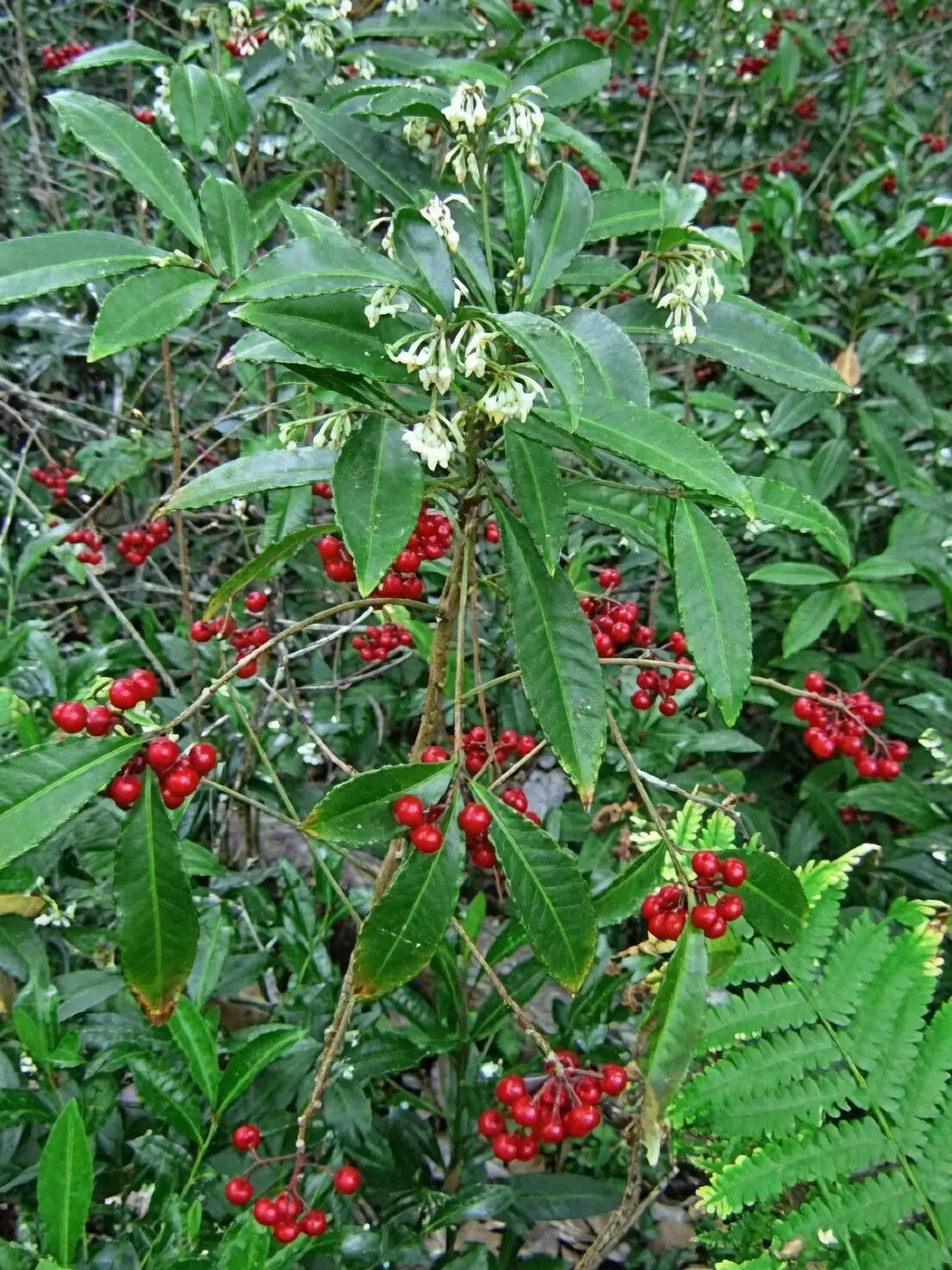
- When flowers open in late spring to summer, gently brush pollen between blooms.
- Repeat daily for several days; flowers don’t all shed pollen at once.
- Keep conditions stable: bright filtered light, evenly moist soil, and light air movement.
- Feed every 2 weeks in the growing season; after buds form, give 2–3 extra feeds higher in phosphorus and potassium to support fruit set.
- Signs of success: petals drop cleanly, tiny green “peas” (immature berries) swell, then color up over the following months.
Why bright, filtered light is the sweet spot
Ardisia’s glossy leaves evolved for dappled woodland light. Here’s what that means indoors:
- Too much harsh sun? Scorched or dulled foliage and stressed flowers.
- Too little light? Sparse growth and fewer berries.
- Just right: an east-facing window or a south-facing window with a sheer curtain. Outdoors (in warm seasons), partial shade on a sheltered balcony or patio.
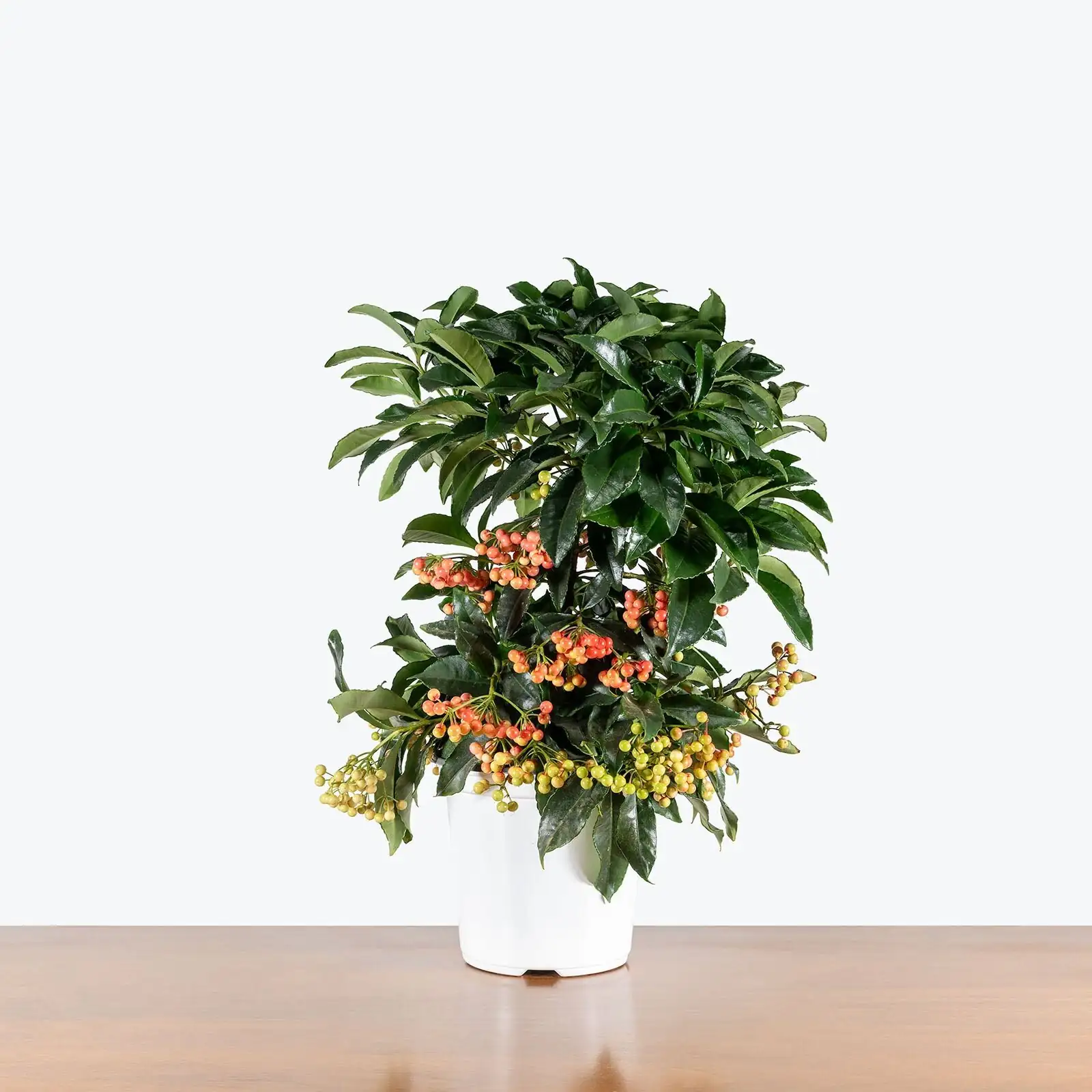
Care Cheatsheet
- Light: Bright, filtered light to part shade; avoid harsh midday sun.
- Temperature: 13–27°C (55–81°F) ideal; keep above 5°C (41°F) in winter.
- Humidity: Prefers 50%+; mist lightly in hot, dry spells, but pair with airflow to avoid leaf spots.
- Watering: “Evenly moist, never soggy.”
- Growing season: Water when the top 2–3 cm (0.8–1.2 in) of mix begins to dry—typically every 3–5 days (about twice a week in peak summer), depending on pot size and heat.
- Winter: About every 10 days; keep just slightly moist once berries are red.
- Soil: Rich, fertile, well-drained, slightly acidic potting mix; peat/coir with coarse sand/perlite is great. Avoid alkaline and waterlogged conditions.
- Feeding: Every 2 weeks in the growing season with a balanced fertilizer. After buds appear, add 2–3 feeds higher in P and K. Stop feeding in winter once berries are red.
- Pruning: Pinch soft shoots at ~10 cm (4 in) to encourage branching. Thin lightly if overcrowded.
- Repotting: About every 2 years in spring. A pot around 20 cm (8 in) suits many specimens; trim circling roots and refresh the mix.
- Hardiness: Frost tender; roughly USDA Zone 9–11 outdoors. Protect from freezing.
- Placement tip: Indoors, a bright living room or study is perfect. When fruiting, resist the urge to rotate or relocate.
Seasonal Game Plan
- Spring:
- Repot (every ~2 years), refresh soil.
- Resume regular watering/feeding.
- Pinch new growth for a fuller crown.
- Late spring to summer (flowering):
- Keep in bright filtered light.
- Hand-pollinate indoors with a soft brush over several days.
- Protect flowers outdoors from pounding rain.
- Summer to autumn (active growth and berry development):
- Water when the top layer dries; bump humidity in heat.
- After buds form, give 2–3 higher P/K feeds.
- Winter (berry showtime):
- Once berries turn red, stop fertilizing.
- Water sparingly (about every 10 days).
- Keep warm, above 5°C (41°F), away from cold drafts.
Propagation: Three Easy Paths
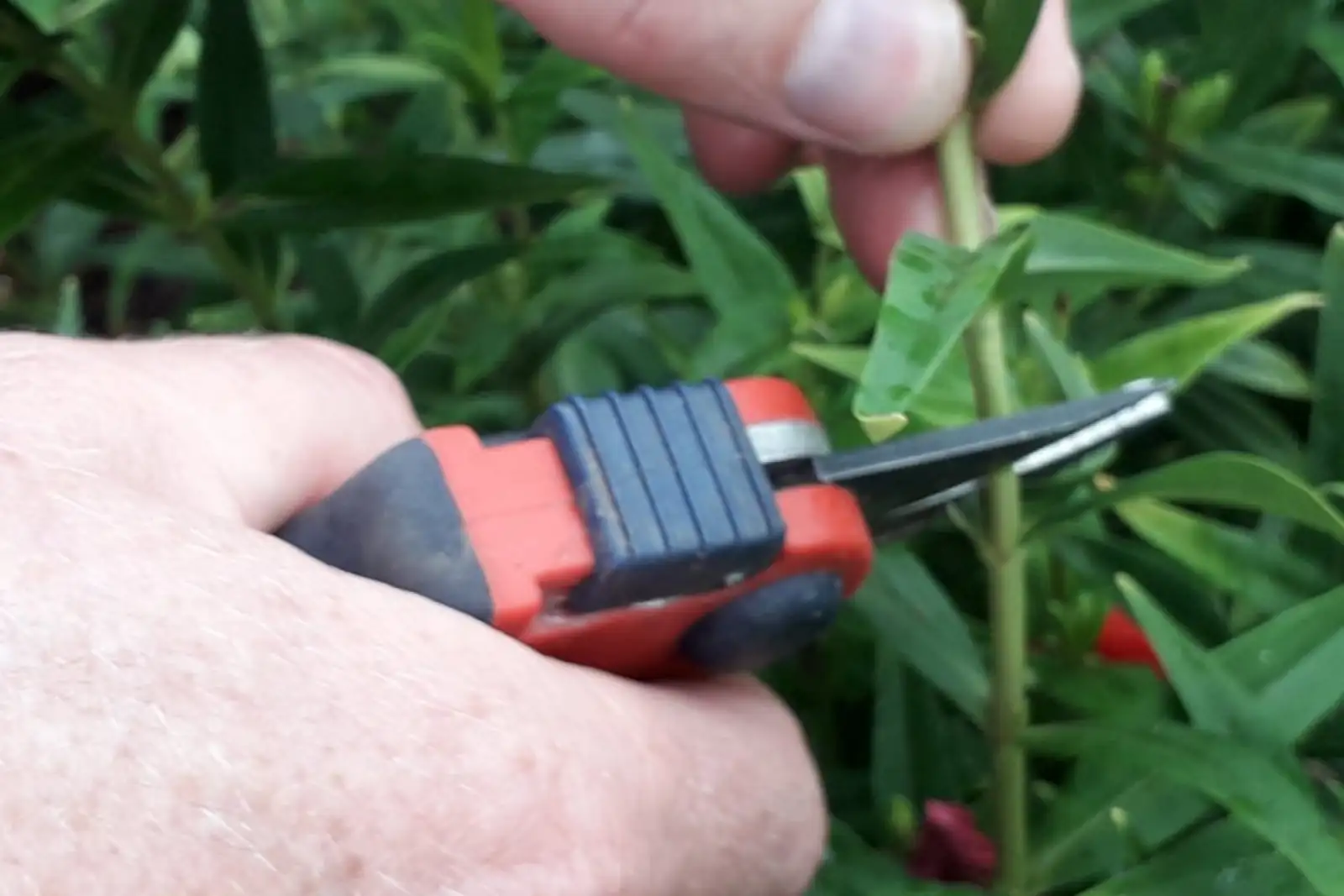
- Semi-ripe cuttings (June–July):
- Take 5–6 cm (2.0–2.4 in) cuttings.
- Root in moist sand/vermiculite in warm, humid, lightly shaded conditions.
- Expect roots in about 3–4 weeks.
- Seeds:
- Use fully ripe bright-red berries; remove pulp.
- Soak seeds in warm water (25–30°C / 77–86°F) before sowing.
- Cover lightly (~0.5 cm / 0.2 in). Don’t bury deeply.
- Germination: commonly around 5–9 weeks.
- Transplant once seedlings are established and leaves expand.
- Grafting:
- Possible in early summer; keep humidity high afterwards.
Buying and Display Tips
- Choose plants that are:
- Compact and well-branched, with dense, glossy leaves.
- Loaded with firm, brightly colored berries.
- Free of sticky residue (scale) or leaf spots.
- The shake test: Gently jostle—berries should stay put.
- After purchase: Once it’s heavy with fruit, minimize moving to prevent drop.
Safety, Pests, and Quirks
- Toxicity: Treat as potentially toxic if ingested. Keep away from children and pets.
- Common issues:
- Scale insects: Remove by hand; treat with horticultural oil or insecticidal soap. Repeat as needed.
- Leaf spot: Improve airflow; avoid wet foliage late in the day; remove badly affected leaves; consider an appropriate fungicide if necessary.
- Root troubles: Prevent by using a well-drained, airy mix and never letting the pot sit in water.
- Invasiveness note: In some warm regions outside its native range, Ardisia crenata can escape cultivation and become invasive. Check local guidance before planting outdoors.
Symbolism and the “flower language” backstory
Ardisia crenata is a staple “fortune plant” across winter holidays—those brilliant red berries feel like strings of coral beads, signaling prosperity, luck, and a welcoming home. The modern “flower language” (花语) attached to coralberry—prosperity, endurance, festive joy—likely grew from its seasonal timing (Christmas and Lunar New Year) and its stamina: few plants hold their color and composure through the cold months so gracefully. In other words, the message isn’t ancient lore so much as living tradition born from winter-defying berries and glossy, evergreen poise.
Quick FAQ
- How can I get my coralberry to produce more berries indoors?
- Hand-pollinate with a small soft brush during flowering (repeat over several days). Provide bright, filtered light, keep the mix evenly moist (not soggy), and after buds appear, give 2–3 extra feeds higher in phosphorus and potassium.
- Why are my berries dropping off?
- Sudden moves or shaking, cold stress (especially near 0°C/32°F), overly dry air, or waterlogging can all cause drop. Keep it above 5°C (41°F), maintain even moisture, raise humidity moderately, and, once it’s heavily in fruit, avoid relocating the pot.
- What’s the ideal lighting?
- Bright, filtered light to partial shade. Indoors, try an east-facing window or a south-facing window with a sheer curtain. Avoid harsh midday sun that can scorch leaves.
- Is it a fast grower?
- No—Ardisia crenata is notably slow-growing. That’s part of its charm; the compact, tidy shape and long-lasting berries more than make up for the unhurried pace.
- Can I grow it outside?
- Yes, in frost-free climates (roughly USDA 9–11). Provide partial shade and shelter. In regions where it’s invasive, consider keeping it in containers and follow local guidance.
The bottom line: Give your coralberry bright, filtered light, a calm, consistent routine, and a little pollination assist—and it will repay you with a months-long cascade of glossy red berries that look like they were buffed by a jeweler.