

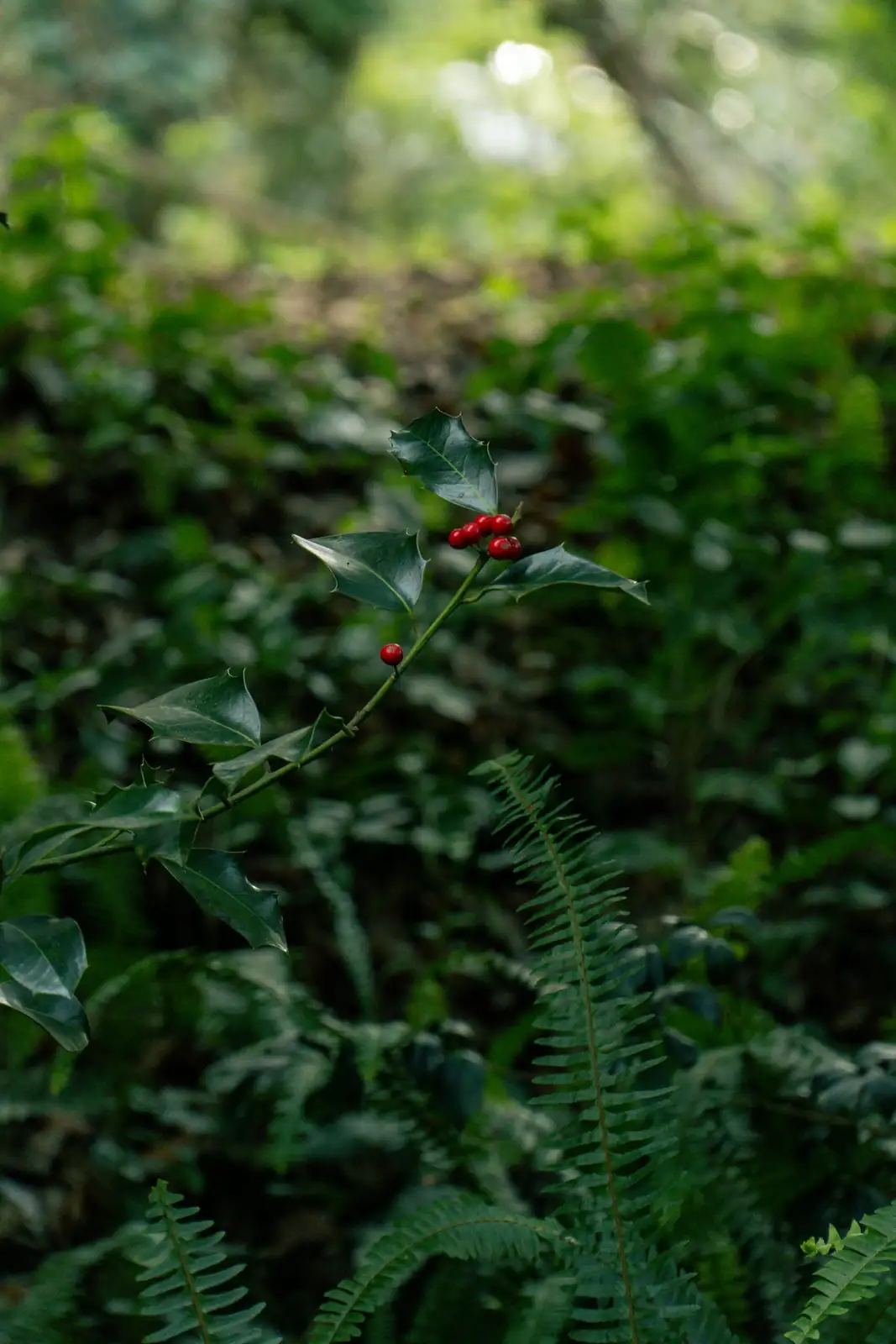
Meet Coralberry (Ardisia crenata): a glossy, evergreen charmer that wears strings of lacquer-red berries from winter into spring. When it’s happy, it looks like a tiny prosperity shrub. When it’s not, it tells you—sticky residue on leaves, speckled foliage, and berry drop are your clearest clues. Here’s your symptom-to-solution guide to decode the signals, stop issues fast, and keep those festive berries dazzling.
Quick symptom decoder
- Sticky, shiny leaves or sooty black film: Scale insects (honeydew + sooty mold)
- Speckled or spotty leaves: Leaf spot from poor airflow/wet foliage; sometimes sun scorch
- Sudden berry drop: Cold drafts, waterlogging, very dry air, or moving/shaking a fruit-laden plant
- Limp leaves, sour soil smell, slow decline: Overwatering and poor drainage leading toward root trouble
Sticky residue: win the scale battle
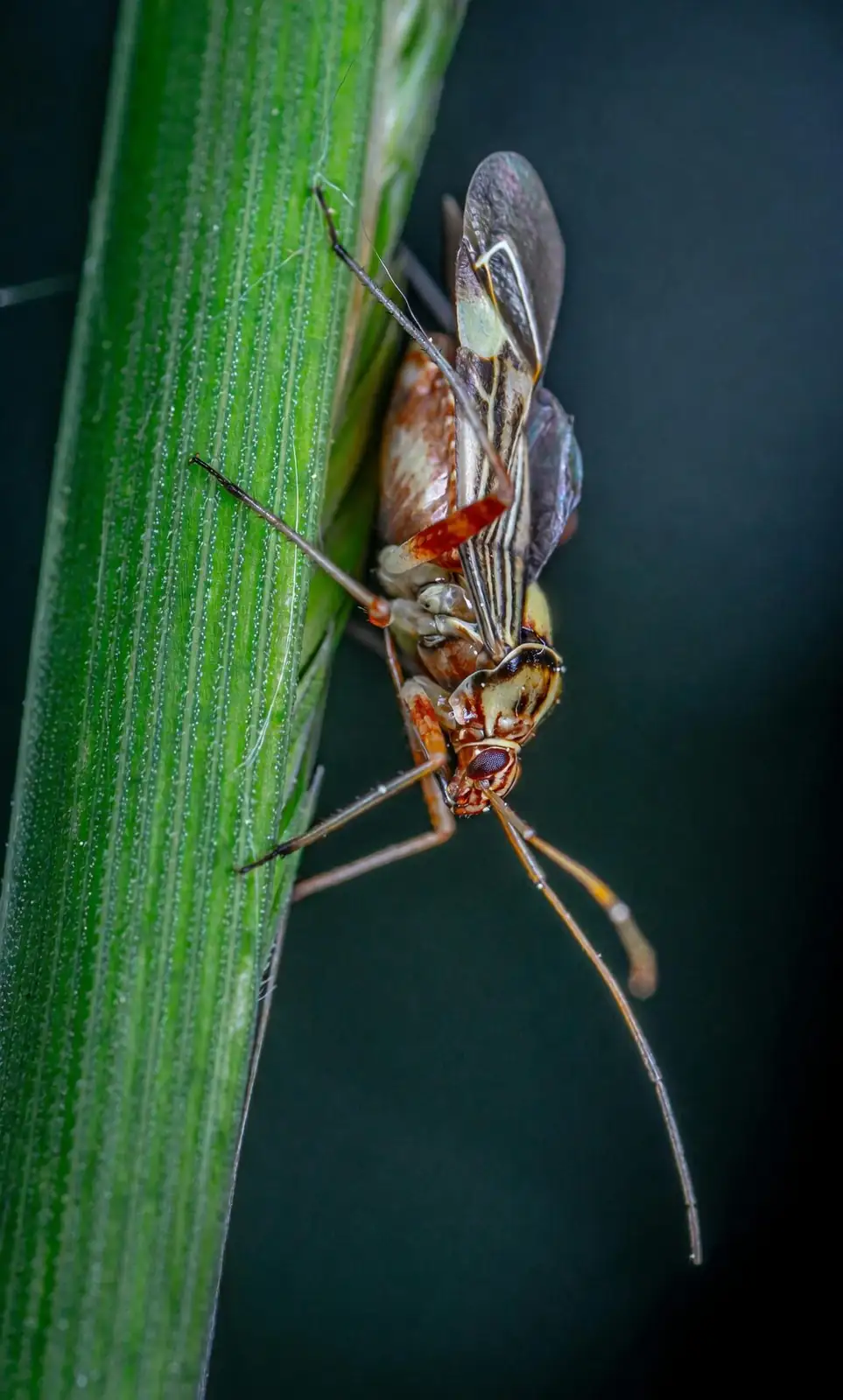
Scale is the #1 pest on coralberry. They suck sap, exude sticky honeydew, and invite sooty mold.
What to look for
- Tiny bumps on stems/leaf undersides that don’t brush off easily
- Shiny, tacky leaves; black sooty mold growing on the honeydew
- Leaves losing luster or yellowing over time
Step-by-step fix (gentle but thorough)
- Isolate and inspect:
- Move the plant away from others.
- Check stems, leaf midribs, and undersides—scale loves hidden seams.
- Manual removal:
- Use a soft toothbrush, cotton swab, or fingernail to flick off visible scale.
- Smother remaining pests:
- Spray with horticultural oil or insecticidal soap, fully coating stems and the undersides of leaves.
- Repeat every 7–10 days for 3–4 cycles to catch hatchlings.
- Clean the aftermath:
- Wipe off honeydew/sooty mold with a damp cloth after treatments.
- Strengthen the plant:
- Provide bright, filtered light and evenly moist (not soggy) soil.
- Avoid late-day leaf wetting to prevent secondary leaf spots.
Pro tip: Improve airflow around the plant with a small fan on low, aimed nearby but not blasting the foliage. This discourages pests and helps leaves dry after misting or watering.
Speckled leaves: spot the cause and respond
Coralberry’s “speckles” usually trace back to leaf spot fungi or sun scorch. Here’s how to tell:
If it’s leaf spot
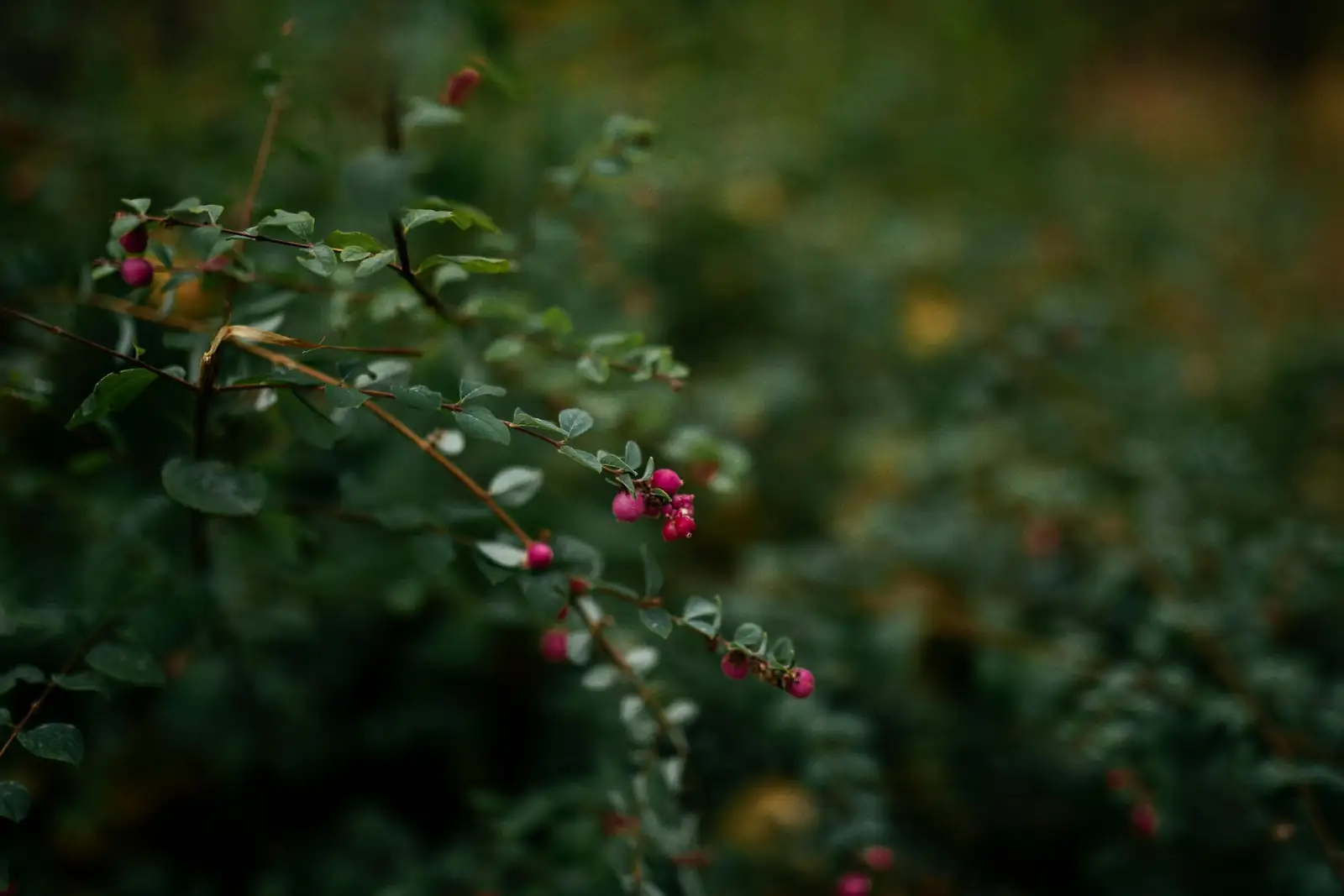
- Small brown or tan spots that may enlarge; often appear after periods of misting + poor airflow
- More common on older, inner leaves or crowded canopies
Fix it:
- Prune for airflow: Thin a few crowded branches and pinch soft tips to keep a fuller yet breezy crown.
- Change the watering rhythm: Water soil directly; avoid wetting leaves late in the day.
- Dry faster: Use light, steady airflow and maintain moderate humidity (around 50%+ without feeling tropical).
- Sanitation: Remove and discard badly affected leaves.
- Consider a fungicide if spots persist, following label directions.
If it’s sun scorch
- Pale, bleached, or crisped patches—usually after exposure to harsh midday sun
- Edges may brown
Fix it:
- Shift to bright, filtered light (an east window or a south window with a sheer curtain).
- Keep out of harsh midday rays; partial shade is perfect outdoors.
Fruit drop: keep those berries on
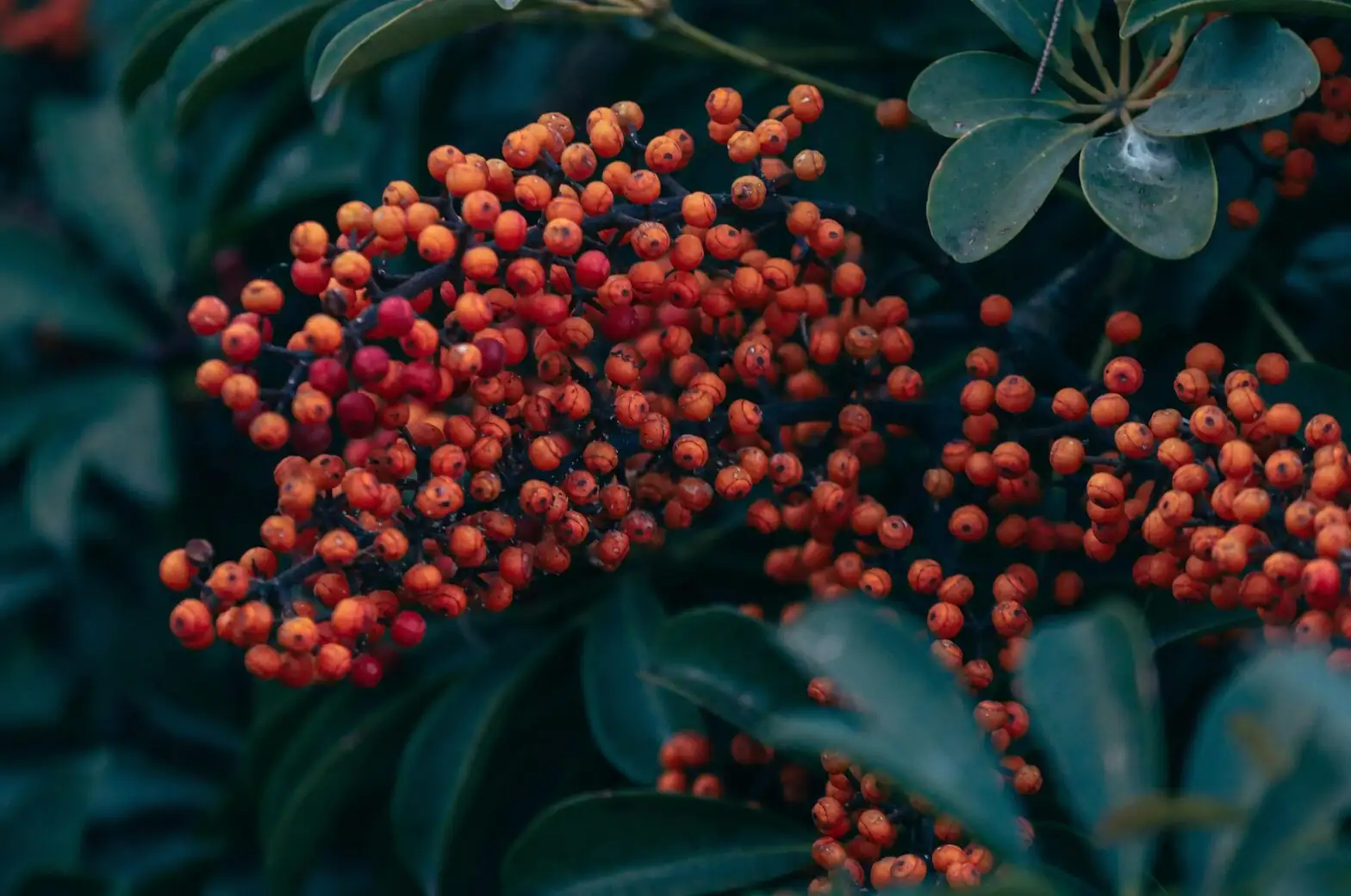
Nothing is sadder than a carpet of fallen coral beads. Berries drop for a few predictable reasons:
- Cold shock: Temps near or below 0°C (32°F) can trigger sudden drop. Keep above 5°C (41°F).
- Water extremes: Waterlogging or erratic droughts cause stress shedding.
- Dry indoor air: Very low humidity can loosen berries.
- Movement and vibration: Shaking or relocating a heavily fruited plant can knock berries off.
Fruit-holding strategy
- Temperature: Aim for 13–27°C (55–81°F), avoid drafts, and protect from cold windowsills.
- Watering: Keep soil evenly moist—never soggy. In winter, water lightly about every 10 days, just to keep the mix slightly moist.
- Humidity: Maintain around 50%+; group plants or use a tray with water and pebbles. Pair any misting with airflow so leaves don’t stay wet.
- Don’t jostle: Once it’s loaded with berries, set it and forget it—no unnecessary moves.
Overwatering: fix it before the roots suffer
Ardisia loves steady moisture but hates wet feet. Overwatering is the fast track to root trouble.
Early warning signs
- Leaves lose their healthy, deep-green sheen, then droop
- Top of mix looks wet for days; pot feels heavy
- Musty or sour smell from the soil
Immediate rescue
- Pause watering and diagnose:
- Use the finger test: Water only when the top 2–3 cm (0.8–1.2 in) is dry.
- Improve drainage:
- Ensure the pot has clear drainage holes.
- If the mix is dense, plan a spring repot into a well-drained, slightly acidic blend (peat or coir + perlite/coarse sand).
- If rot is suspected:
- Slide the plant out gently. Trim away black, mushy, or foul-smelling roots.
- Repot into fresh, airy mix. Water once to settle, then let the top layer dry before watering again.
- Reset your routine:
- Warm months: thorough watering when the surface begins to dry—often every 3–5 days depending on heat and pot size.
- Winter: scale back to about every 10 days; keep just slightly moist.
Tip: A right-sized pot helps—many happy specimens live in ~20 cm (8 in) containers. Oversized pots hold too much water.
Airflow and fungus prevention, made easy
- Space and shape: Pinch new shoots at ~10 cm (4 in) and thin crowded fruiting stems. Lightly open the canopy so air can move through.
- Time your moisture: Water the soil early in the day; avoid late-day misting.
- Gentle breeze: A quiet fan nearby helps dry leaves and discourages fungal spores and pests.
- House hygiene: Remove fallen leaves/berries from the soil surface.
Light, temperature, humidity: the sweet spot
- Light: Bright, filtered light to partial shade. Indoors, an east-facing window or a south window with sheer curtain is ideal.
- Temperature: 13–27°C (55–81°F). Don’t let it drop below 5°C (41°F).
- Humidity: Moderate to high (aim for ~50%+). Pair any humidity boosts with airflow.
Soil, feeding, and repotting
- Soil: Rich, fertile, slightly acidic, and well-drained. A peat/coir base with perlite or coarse sand works well.
- Feeding: Every 2 weeks in the growing season with a balanced fertilizer. After buds form, give 2–3 extra feeds higher in phosphorus and potassium to support flowering/fruit set. Stop feeding in winter once berries have turned red.
- Repotting: Every ~2 years in spring. Trim circling roots, refresh the mix, and keep the new pot only slightly larger.
Want more berries indoors?

- Bright, filtered light and steady moisture are step one.
- Hand-pollination helps: During bloom (late spring–summer), gently transfer pollen between flowers with a small soft brush over several days.
- After buds form, switch a few feeds to higher P/K to support fruiting.
- Keep conditions stable—this plant dislikes sudden changes.
Seasonal care snapshot
- Spring: Repot if needed; resume regular feeding; pinch to shape.
- Late spring–summer: Bright filtered light; hand-pollinate indoors; protect flowers from heavy rain outside.
- Summer–autumn: Most active growth—water when the top layer starts to dry; raise humidity during heat.
- Winter: Once berries are red, stop feeding; water sparingly; keep warm and away from drafts.
Safety note
Treat coralberry as potentially toxic if ingested. Keep out of reach of children and pets. Do not eat the berries.
A note on placement and movement
When weighted with berries, avoid moving or shaking the pot—this alone can trigger fruit drop. Choose a sheltered, bright spot and let it shine.
Flower language and symbolism
Coralberry has long been a “fortune” plant for festive seasons—its glossy foliage and long-lasting red berries symbolize prosperity, welcome, and continuity through winter. Unlike formal Victorian “flower language,” this meaning grew from East Asian and holiday traditions that celebrate abundance during the cold months. Those persistent clusters read as resilience and good luck—exactly why you’ll see it at Christmas and Lunar New Year.
Bonus: outdoors and invasiveness
In warm regions outside its native range of China and Japan, Ardisia crenata can naturalize and become invasive. Enjoy it as a container plant and check local guidance before planting outdoors.
Fast troubleshooting checklist
- Sticky residue + black film: Remove scale manually; spray horticultural oil/insecticidal soap; repeat every 7–10 days; boost airflow.
- Speckled leaves: Improve airflow; avoid wet leaves; remove affected leaves; consider fungicide if persistent; screen from harsh midday sun.
- Fruit drop: Keep above 5°C (41°F); water evenly (never soggy); raise humidity moderately; don’t move a fruit-laden plant.
- Overwatering risk: Let top 2–3 cm dry between waterings; ensure drainage; use airy, slightly acidic mix; repot and trim roots if sour smell or mush is present.
Give Ardisia crenata bright, gentle light, steady-but-sensible moisture, and a bit of breathing room. Do that, and it will repay you with month after month of glossy calm and gleaming red berries—your own little evergreen promise of good fortune.