

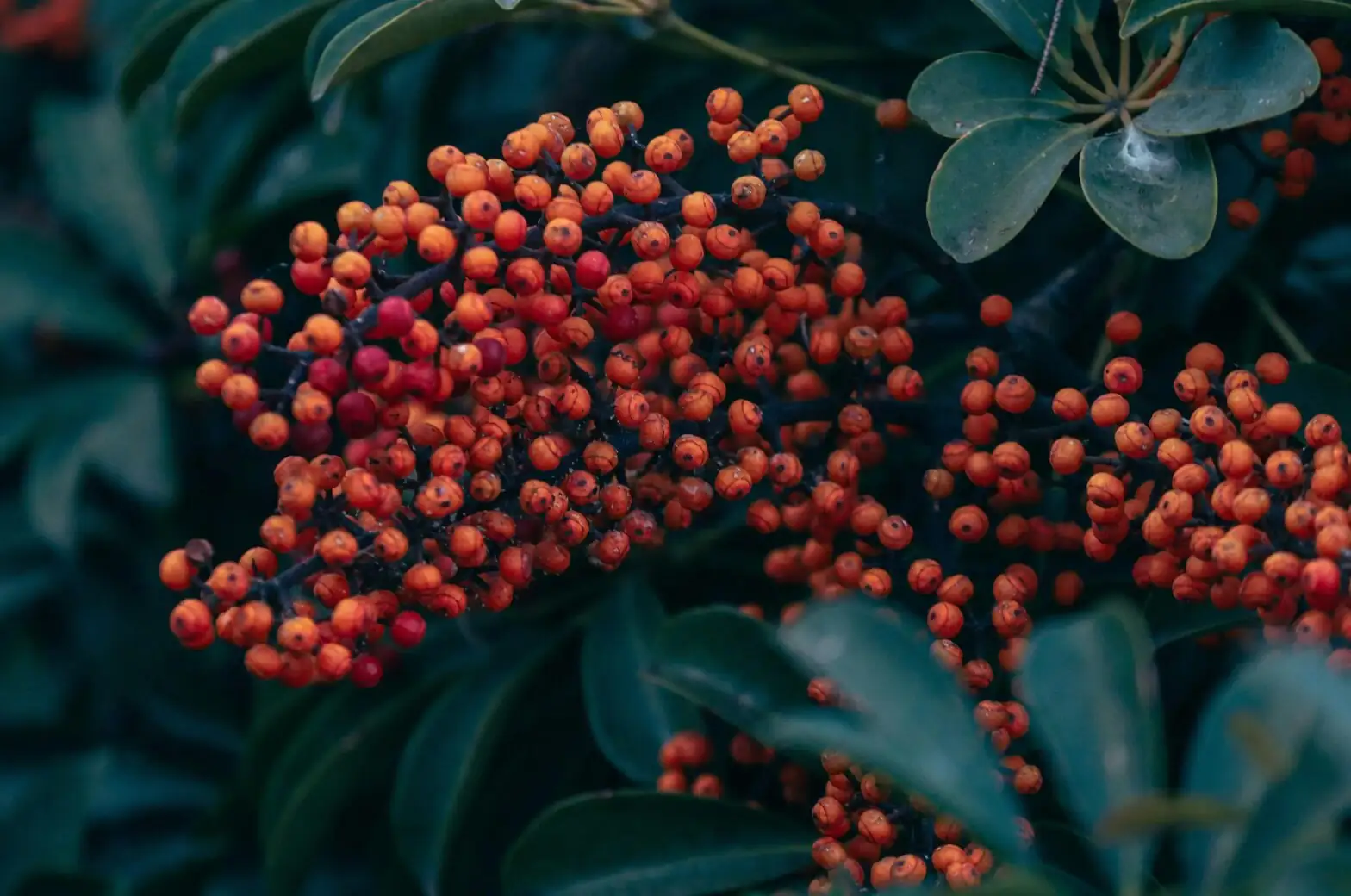
Picture this: dense, glossy leaves framing trusses of lacquer-red berries that carry your room’s mood from the holidays into spring. That’s Ardisia crenata—Coralberry—at its best. If you’ve ever wondered how to reliably get summer flowers and a heavy winter berry show without guesswork, here’s your practical, friendly, season-by-season plan.
Meet Coralberry (Ardisia crenata)
- Scientific name: Ardisia crenata (family Primulaceae), also sold as Christmas Berry, Coral Ardisia, Coral Bush, Fortune Berries, Spiceberry
- Origin: China and Japan
- Habit: Slow-growing, upright-to-bushy evergreen shrub with lush, deep-green, subtly scalloped leaves
- Size in pots: Typically 30–120 cm (12–47 in), often kept compact
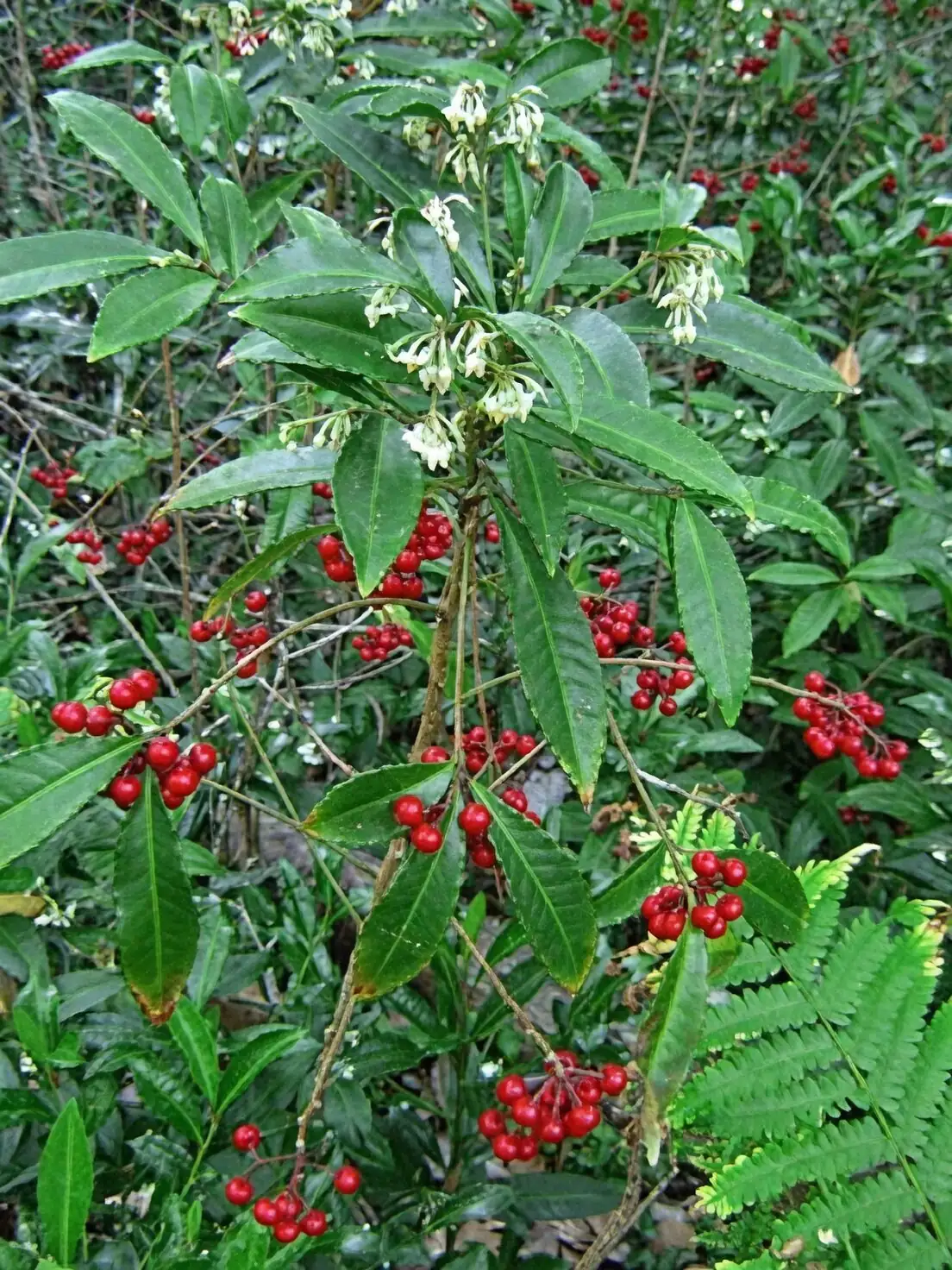
- Star power: Small white to pale pink flowers in late spring–summer; berries ripen from green to vivid red and often look best through winter into spring
Light the plant loves: bright, filtered light to part shade—think an east-facing window or a sheer-curtained south window indoors.
Temperatures: happiest at 13–27°C (55–81°F); keep above 5°C (41°F).
Humidity: likes it moderate to high—aim for 50%+.
Pro tip: Indoors, reliable berry set often needs a little hand-pollination help when it’s in bloom.
—
The Season-by-Season Care Calendar
Late winter to early spring: Wake-up, shape-up, and reset
Your goals now: refresh the soil, set the light, and prime the plant for buds.
- Light
- Move to bright, filtered light (east window is perfect). Avoid harsh midday sun.
- Water
- As days lengthen, shift from “sips” to “evenly moist.” Water thoroughly when the top 2–3 cm (0.8–1.2 in) of mix begins to dry.
- Humidity
- Aim for 50%+. If indoor air is dry, use a pebble tray or room humidifier; mist lightly in the morning only when it’s hot/dry and ensure airflow.
- Feeding
- Resume feeding every 2 weeks with a balanced fertilizer at label rate.
- Pruning and training
- Pinch back new soft shoots once they reach about 10 cm (4 in) to encourage branching and a fuller crown.
- Repotting and soil
- Every ~2 years, repot now into a 20 cm (8 in) pot (or one size up) with a rich, slightly acidic, well-drained mix (peat/coir + coarse sand/perlite). Trim circling roots.
- Placement and temperature
- Keep between 13–27°C (55–81°F). No cold drafts. If you summer it outdoors later, plan for a sheltered, part-shade spot.
Late spring to summer: Flowering and pollination
Your goals now: protect blooms, set fruit, and keep growth steady.
- Light
- Bright, filtered light. A few hours of gentle morning sun is fine; avoid scorching midday rays.
- Water
- Keep evenly moist, never soggy. In warm spells, this may be every 3–5 days (often about twice weekly in peak summer), always guided by that top 2–3 cm dryness check.
- Humidity
- 50–60% is a sweet spot. Ensure gentle airflow to prevent leaf spot.
- Feeding
- Continue every 2 weeks. After you see buds, give 2–3 extra feeds a bit higher in phosphorus and potassium to support flowers and fruit set.
- Hand-pollination (indoors)
- Use a small, soft brush to move pollen between flowers. Do this lightly on several days while blooms are open.
- Weather watch (if outdoors)
- Shield flowers from heavy rain and strong wind.
- Don’t jostle
- Once fruit begins setting, keep the plant stable; avoid moving the pot unnecessarily.
Summer to early autumn: Fruit set, fill-out, and color-up
Your goals now: maintain moisture and nutrients for plump trusses and sturdy growth.
- Light
- Keep that bright, filtered exposure; part shade outdoors is ideal.
- Water
- Continue the “evenly moist” rhythm; hot weeks may demand more frequent checks.
- Humidity
- Maintain ~50%+. Light midday misting in heat is fine if leaves dry quickly and airflow is good; avoid wet foliage late in the day.
- Feeding
- Keep the 2-week schedule until you see berries turning red; then you’ll taper off in winter.
- Pruning and support
- Lightly thin crowded fruiting branches if needed for airflow and shape. Avoid heavy pruning now.
- Propagation (optional)
- Semi-ripe cuttings in June–July: 5–6 cm (2.0–2.4 in), root in moist sand/vermiculite under warm, humid, lightly shaded conditions. Rooting often takes 3–4 weeks.
- Movement
- Minimize moving or shaking the plant—sudden stress can trigger fruit drop.
Late autumn to winter: Berry showtime and gentle rest
Your goals now: hold the display, avoid stress, and keep the plant clean.
- Light
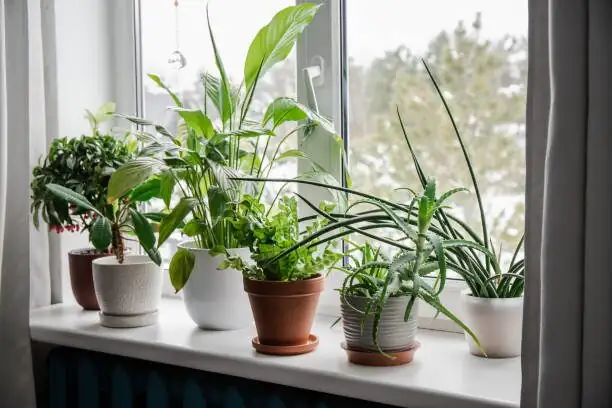
- The brightest filtered light you can offer indoors. East or sheer south window is ideal.
- Temperature
- Protect from cold drafts. Keep above 5°C (41°F); cooler snaps near freezing can cause leaf and berry drop.
- Water
- Reduce frequency: about every 10 days, keeping the mix just slightly moist. Always check the top 2–3 cm first.
- Feeding
- Stop once berries have turned red.
- Humidity
- Aim for 45–55%+ to reduce berry shrivel; avoid late-day misting.
- Handling
- Don’t move or shake a heavily fruited plant. Clean leaves gently with a soft, damp cloth to keep them glossy.
- Decor tip
- It’s a superb holiday plant; just keep it away from heater vents and cold windows at night.
—
No-Guesswork Rules of Thumb
- Light
- Yes: Bright, filtered light or part shade.
- No: Harsh midday sun that scorches and dulls the display.
- Watering rhythm
- Growing season: water thoroughly when the top 2–3 cm dries (often every 3–5 days in heat).
- Winter: about every 10 days, slightly moist only.
- Soil and pot
- Fertile, slightly acidic, well-drained mix (peat/coir + perlite or coarse sand). Use a pot with a drainage hole; never let it sit in water.
- Temperature and humidity
- Best at 13–27°C (55–81°F); keep above 5°C (41°F).
- Target humidity: 50%+. Pair any misting with airflow to avoid leaf spot.
- Fertilizer
- Every 2 weeks spring through early autumn; add 2–3 higher P/K feeds after buds form; stop once berries are red.
—
Pruning for a fuller shrub (and better berries)
- Pinch new shoots at ~10 cm (4 in) in spring to promote branching and a denser canopy.
- If the canopy gets crowded, thin a few fruiting branches lightly to improve shape and airflow.
- Avoid hard pruning during fruit development.
—
Repotting and soil, step by step (spring)
- Choose a pot about 20 cm (8 in) across for a typical specimen (or one size up from current).
- Mix: peat or coir base + coarse sand/perlite for drainage; keep it slightly acidic.
- Tease and trim circling roots.
- Set the crown at the same level, tuck in fresh mix, and water to settle.
- Keep in bright, filtered light and evenly moist for the first few weeks.
—
Troubleshooting: quick fixes that save your display
- Berries dropping
- Likely causes: sudden moves/shaking, cold near 0°C (32°F), very dry air, or waterlogging.
- Fix: keep above 5°C (41°F), stabilize the pot, maintain even moisture (not soggy), nudge humidity upward.
- Few or no berries indoors
- Causes: insufficient light, skipped hand-pollination, irregular watering, or weak feeding strategy.
- Fix: brighter filtered light, hand-pollinate during bloom, maintain “evenly moist,” and add 2–3 higher P/K feeds after buds.
- Leaf spot
- Causes: prolonged wet foliage + stagnant air.
- Fix: water/ mist early in the day, increase airflow, remove badly affected leaves; use an appropriate fungicide if needed.
- Yellowing, limp leaves and root issues
- Often poor drainage or overwatering.
- Fix: check drainage hole, lighten the mix with perlite/coarse sand, let the top layer dry between waterings.
Pests to watch: scale insects are the usual suspects. Wipe off by hand, then treat with horticultural oil or insecticidal soap; repeat as needed.
Safety note: Treat as potentially toxic if eaten. Keep away from curious kids and pets.
—
A berry-insurance checklist (clip this!)
- Bright, filtered light all year.
- Evenly moist soil in growth; slightly moist in winter.
- 50%+ humidity with airflow.
- Feed every 2 weeks; add 2–3 higher P/K feeds after buds.
- Hand-pollinate indoor blooms with a soft brush.
- Keep above 5°C (41°F) and avoid moving the plant once fruits set.
—
Symbolism and “flower language”
Coralberry is a classic prosperity plant in East Asian homes—its clusters of long-lasting red berries read as abundance, welcome, and good fortune, which is why it’s a festive favorite around Christmas and Lunar New Year. While you may see “flower language” claims of luck and wealth, these meanings aren’t ancient botanical lore so much as cultural tradition born from winter color during times of celebration. In short: it broadcasts cheer and plenty when the year is darkest.
—
Quick FAQ
- How can I get more berries indoors?
- Hand-pollinate flowers with a soft brush over several days, keep bright filtered light, maintain steady moisture, and after buds appear, give 2–3 feeds higher in phosphorus and potassium.
- Why are my berries dropping?
- Sudden moves, chills near freezing, very dry air, or waterlogging can all trigger drop. Keep it warm (above 5°C/41°F), evenly moist, and stable; raise humidity moderately.
- Is it okay to grow outdoors?
- In mild climates (roughly USDA 9–11) you can summer it outdoors in partial shade. Protect from harsh sun and any cold snaps. In some warm regions, ardisia can be invasive—check local guidance.
—
Give Coralberry bright, gentle light; keep its feet evenly moist; and treat the seasonal dial as your guide. Do that, and you’ll get dainty summer stars followed by months of glossy, celebratory berries—no guesswork required.