

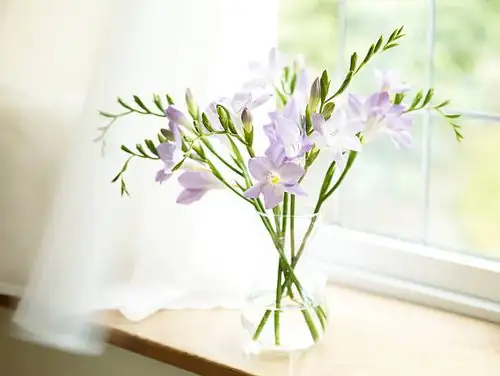
Freesia × hybrida has a perfume that stops you in your tracks and a habit that charms: neat fans of green leaves, then arching wands of blooms that open one by one. And yet, a lot of what we “know” about freesia is flat‑out wrong. Let’s bust the biggest myths—and give you simple fixes—so your plants stand tall, smell heavenly, and flower for weeks.
Myth 1: “Freesia is a bulb.”
It’s a corm—and that changes how you plant and handle it.
- The difference that matters:
- Bulb = layered scales (think onions, tulips).
- Corm = solid storage stem (think gladiolus). Freesia is firmly in the corm camp.
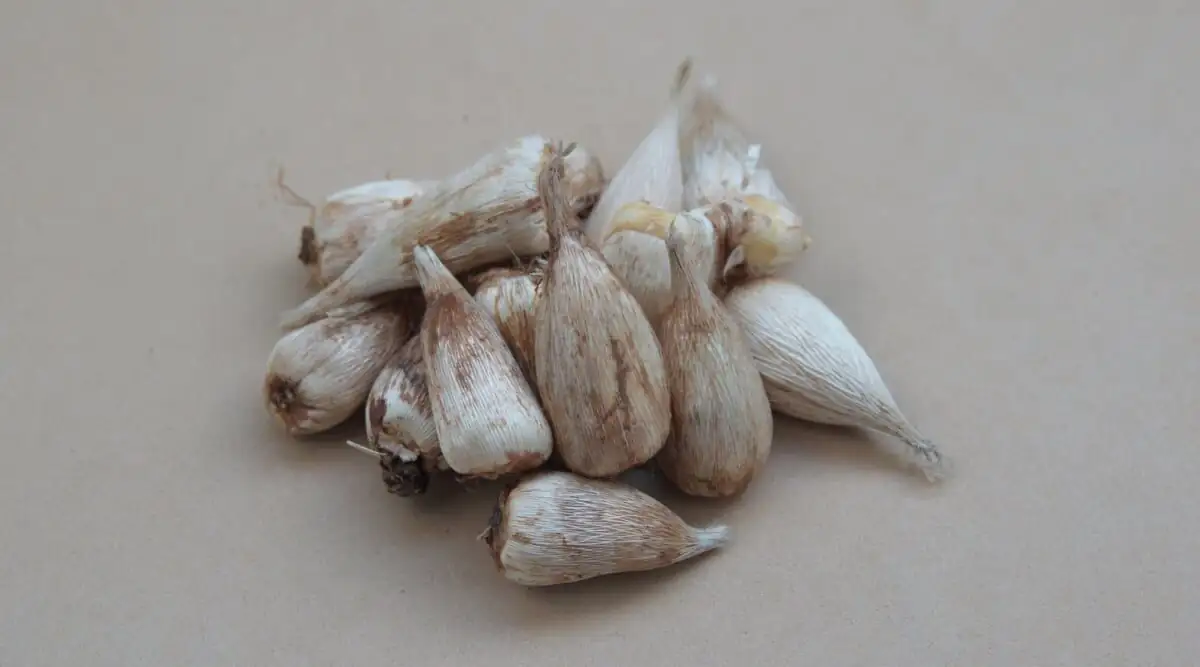
- What that means for you:
- Plant shallowly. In pots: 2–3 cm (0.8–1.2 in) deep. In the ground: 3–4 cm (1.2–1.6 in) deep.
- Expect annual renewal. After bloom, the old corm makes a brand‑new replacement corm plus several small offsets (cormlets). Don’t cut foliage early—let leaves feed the next season’s corm.
- Store dry and warm in dormancy. Once foliage fully yellows, lift or keep pots dry and airy. A well‑ventilated 25°C (77°F) resting period suits them.
Pro tip: Choose corms at least ~2 cm (0.8 in) wide for reliable flowering.
Myth 2: “Warm rooms make freesia bloom faster.”
Warmth shortens the show and weakens stems.
- Freesia is a cool‑season bloomer. Best growth is around 15–20°C (59–68°F), ideally days at 18–20°C (64–68°F) and nights at 14–16°C (57–61°F).
- Prolonged warmth above ~20°C (68°F) = floppy stems, fewer flowers, faster fade.
Fix it fast:
- Move pots to your brightest, coolest spot (east or south window is great) with fresh air.
- Keep them away from heaters, hot vents, and AC blasts.
- Avoid ethylene (ripening fruit, some gas heaters)—it prematurely ages blooms.
- Water evenly (never soggy) and don’t spray open flowers; mist leaves lightly if air is dry.
Myth 3: “More fertilizer = bigger sprays.”
Overfeeding—especially during flowering—can trigger bud drop.
- What freesia actually wants is light, timely feeding:
- Option A: Diluted, balanced fertilizer about every 10 days during active leafy growth; then stop once flower stems are up.
- Option B: Every 2 weeks with a bloom‑leaning feed (higher P and K) during leafy growth, plus a single very dilute P/K boost as spikes first emerge.
- Avoid heavy feeding in peak bloom. It won’t help and can stress buds.
Quick gauge: If leaves are a lively green and stems feel sturdy, you’ve fed enough. Pale, thin leaves? Nudge feeding up—lightly.
Myth 4: “They’re from sunny Africa, so they’re hardy.”
They’re frost‑tender. Treat them like cool‑season prima donnas, not winter warriors.
- Outdoors, freesia suits mild climates (roughly USDA Zones 9–11).
- In cooler regions, grow in pots or lift and store corms dry through dormancy.
- Safety line: keep above ~5°C (41°F). Some guidance notes brief protection near 0°C (32°F), but don’t risk the display.
Two smart scheduling routes:
- Mild‑winter climates: Plant in early autumn for late winter–spring bloom.
- Cold‑winter climates: Pot in autumn and grow bright/cool indoors for winter bloom, or plant “prepared” corms in spring for summer flowering. Either way, keep the growth phase cool and bright.
Myth 5: “Staking is cheating” (or) “You must stake every stem.”
Truth: Freesia naturally arches; good culture decides how much support you need.
- Cool temps + very bright light = thicker, self‑supporting stems with elegant arching.
- Warm, dim, or crowded conditions = floppier growth.
Support that looks effortless:
- Group plantings give mutual support. In a 12–15 cm (4.7–5.9 in) pot, tuck 5–7 corms.
- Use low hoops, discreet twine grids, or short twiggy branches; avoid tall, rigid stakes that fight the plant’s natural curve.
- Outdoors, nestle among low groundcovers or edging plants for gentle bracing.

Myth 6: “Pack in as many corms as possible for a wow moment.”
Overcrowding invites gray mold and weak stems.
- Aim for closeness, not crush:
- Pots: 5–7 corms in a 12–15 cm pot, set 2–3 cm deep.
- Beds: Plant 3–4 cm deep and leave breathing room for airflow; avoid jam‑packed rows that stay damp.
- Prioritize drainage. Use a fertile, fast‑draining mix (loam + compost/leaf mold + coarse sand or perlite). Soggy media = corm rot.
A simple game plan for flawless freesia
Planting
- Choose: Firm, clean corms with intact brown tunics; bigger than ~2 cm bloom best.
- Potting mix: Fertile but fast‑draining. Add grit/perlite generously.
- Depth: 2–3 cm (pots); 3–4 cm (beds). Pointy end up.
- Light: Full sun to very bright light; avoid harsh midday heat.
- Air: Fresh and moving—not muggy.
Watering
- Growth and bud set: Keep evenly moist; never waterlogged. Indoors this often means 2–3 waterings per week in peak bloom.
- After flowering: Over about a month, taper to ~weekly, then stop once leaves yellow naturally.
- Dormancy: Keep dry. Resume light watering as new shoots appear (often autumn), then increase as growth quickens.
Feeding
- Light, regular feeding only during leafy growth (see Myth 3). Stop once stems elongate strongly.
Temperature
- Aim for 15–20°C (59–68°F). Prolonged warmth above ~20°C shortens flowering.
Calendar at a glance
- Autumn: Plant/replant corms. Keep bright and cool; start light watering.
- Winter to spring: Peak growth and bloom. Bright, cool, evenly moist, ventilated.
- After bloom: Deadhead; let leaves recharge the new corm. Gradually reduce water.
- Late spring–summer: Dormancy. Store dry, ventilated, warm (around 25°C/77°F).
- Early autumn: Replant for the next round.
Indoors vs. outdoors
- Indoors: East or south windowsill, bright balcony, or cool sunroom. Keep away from heaters/vents and ripening fruit. Freesia shines in cool, airy rooms.
- Outdoors (mild climates): Full sun to light shade, fast drainage. Protect from frost; provide airflow to deter gray mold.
Troubleshooting: fast fixes
- Floppy stems
- Check for warmth >20°C and low light. Move to brighter, cooler conditions and add discreet support.
- Buds abort or drop
- Common causes: heat, heavy feeding during bloom, ethylene exposure, or drought swings. Cool down, stop feeding, water evenly, and keep away from fruit bowls.
- Leaves yellow too soon
- If before post‑bloom taper: root stress from over/underwatering or poor drainage. Refresh mix and reset watering.
- No flowers
- Corms too small, insufficient light, or too warm during growth. Start with ≥2 cm corms, increase light, keep temperatures in the cool zone.
- Gray mold (Botrytis)
- Still, humid air and crowded planting. Improve airflow, avoid wetting flowers, thin or space plantings.
- Corm rot
- Soggy mix or poor drainage. Repot into sharp‑draining medium; discard soft, smelly corms.
Buying smarter
- Potted plants: Look for fresh green, narrow leaves and sturdy, upright stems. A spike with 6–10 buds, with about half just opening, gives the longest display.
- Cut flowers: Buy when the first bloom is open and at least two more buds show color. Keep cool and away from ethylene to stretch vase life.
- Corms: Choose firm, plump, unblemished corms with intact tunics. Bigger generally blooms better.
Safety and scent
- Not widely listed as highly toxic, but treat corms and foliage as potentially irritating if chewed. Keep from pets and children.
- The fragrance is delicious but strong—ventilate well for sensitive noses.
Flower language, with a reality check
Freesia’s name honors Dr. Friedrich Freese, a 19th‑century German physician and botanist’s friend—hence its reputation for trust, friendship, and thoughtful affection. Over time, florists and gifting traditions layered meanings onto colors: white for romantic purity, red for admiration, pale yellow for warm fondness. These attributions are cultural and modern rather than ancient lore, but they persist because they match the flower’s clean lines and candid perfume. Think of freesia’s “language” as poetry, not botany—lovely to share, not a rulebook.
The take‑home
Give freesia what it actually loves—cool, bright, evenly moist, well‑drained, and lightly fed—and you’ll be rewarded with weeks of scented, arching blooms. Treat it like a corm (not a bulb), respect its frost‑tender nature, space it so air can move, and offer subtle support. Bust the myths, and your freesias will stand tall and sing.