

Lean in and breathe: a single stem of Freesia can perfume a whole patio. In mild-winter gardens (USDA 9–11) and on balconies or bright windowsills, these cool-season charmers sing when paired thoughtfully—by bloom time, height, scent, and color—while keeping roots in fast-draining soil and leaves in fresh, moving air. Here’s how to compose companion plantings that let Freesia × hybrida take center stage and still look effortlessly orchestrated.
Freesia × hybrida at a glance (for Zones 9–11 and containers)
- Type and habit: Corm-forming perennial grown as a cool-season bloomer; forms a new corm plus several small offsets after flowering, then rests.
- Size: About 20–45 cm (8–18 in) tall in pots; clumps spread 10–20 cm (4–8 in).
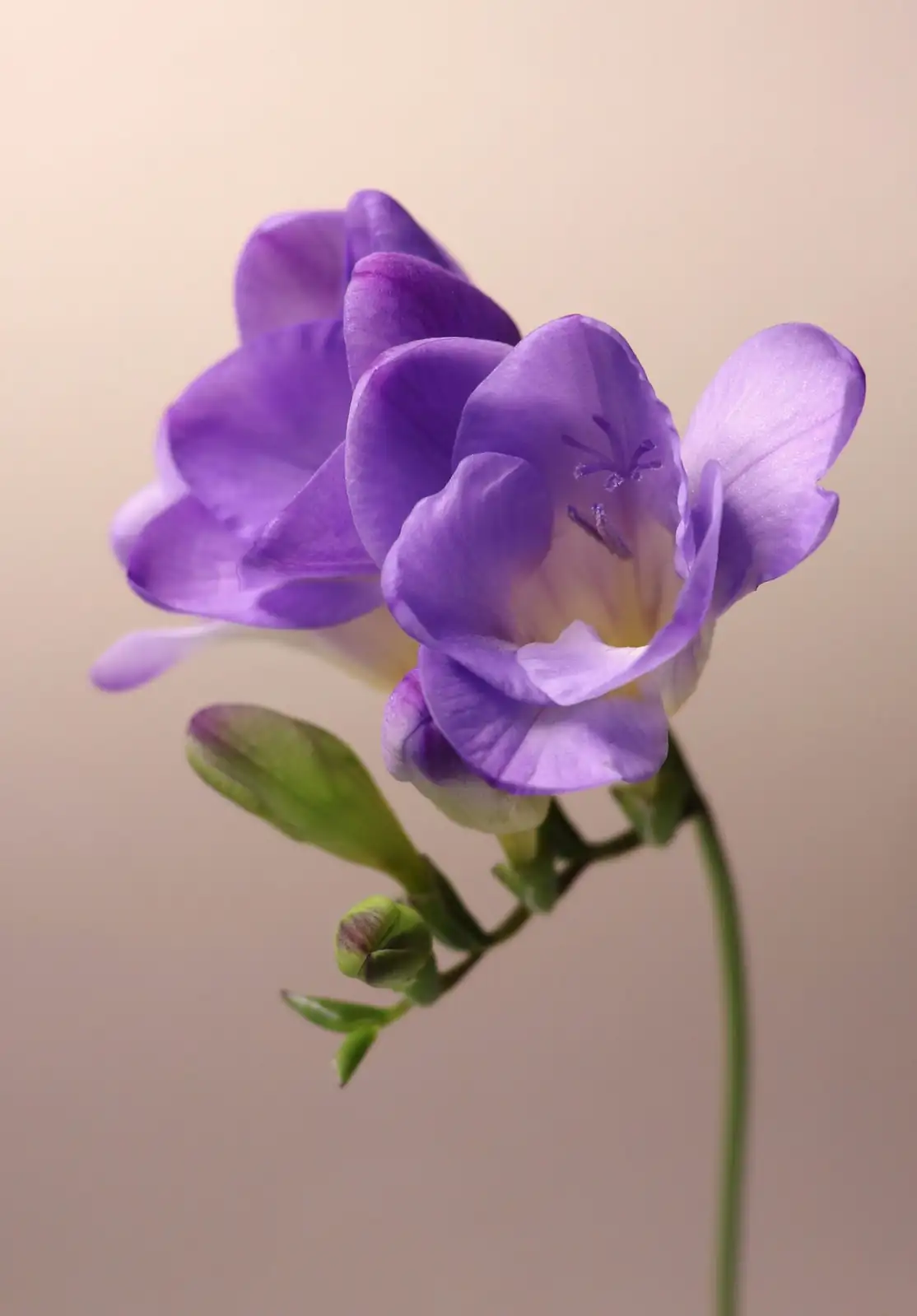
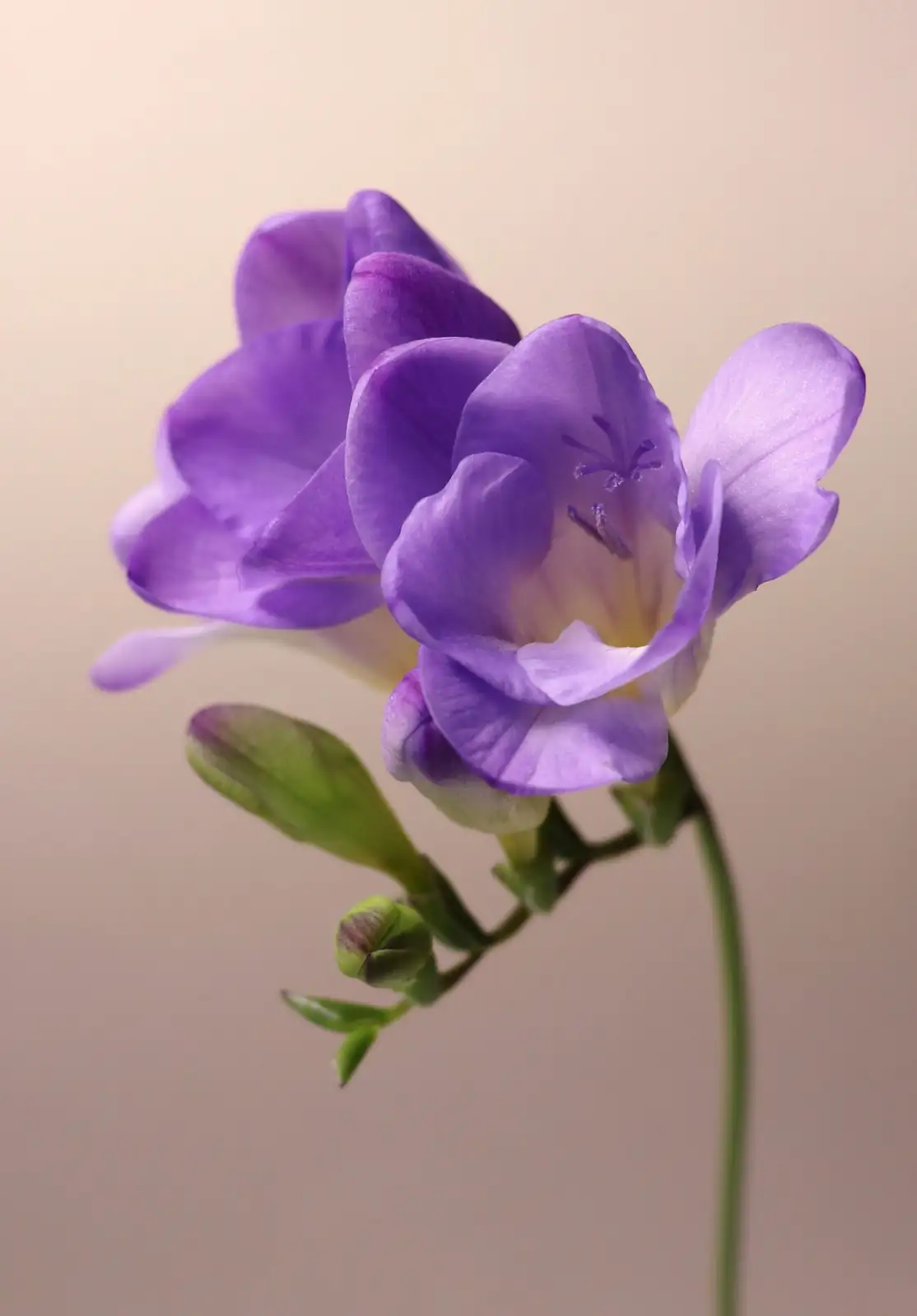
- Bloom and fragrance: Strongly scented, funnel-to-trumpet flowers in white, yellow, orange, pink, red, and bicolors; buds open in sequence along graceful, arching spikes for a long show.
- Season: Late winter to spring (timing shifts with planting date and temperature).
- Light and air: Full sun to very bright light with good airflow; avoid stagnant, muggy pockets.
- Temperature sweet spot: Cool days around 18–20°C (64–68°F) and nights about 14–16°C (57–61°F). Prolonged warmth above ~20°C (68°F) leads to softer, floppier growth and a shorter show.
- Soil: Fertile, fast-draining mix; water evenly in growth, never soggy.
The companion-planting playbook for freesia
Match the music to the soloist.
- Timing first: Freesia peaks in late winter to spring. Choose companions that also thrive and flower in cool, bright conditions—then bow out gracefully as heat rises.
- Height and structure: With flower stems topping out near 8–18 in, freesia shines mid-stage. Use:
- Lower edging (4–10 in) to frame and subtly support freesia spikes.
- Slightly taller backers (12–20 in) as a soft backdrop—never so dense that airflow stalls.
- Color choreography:
- Cool harmony: white, soft yellow, lavender, sky blue.
- Sunny sorbet: lemon, apricot, coral—zest with a violet or deep-purple accent.
- High-contrast duets: white or yellow freesia with inky purples for drama that reads from across the garden.
- Scent sense: Freesia has a sweet, sparkling perfume. Let it lead. Companion with lightly scented or unscented partners so the bouquet doesn’t feel “crowded.”
- Soil and airflow unity: All partners must love a sharply draining medium and dislike waterlogged feet. Space generously to invite breezes; stagnant humidity invites gray mold on buds and blooms.
- Gentle support: Low, lacy edgers can cradle those famously arching stems so you stake less.
Winning cool-season combinations for USDA 9–11 beds and pots
Each recipe lists approximate heights and roles so you can scale up to beds or down to containers.
1) Classic cool: white-and-blue spring vignette
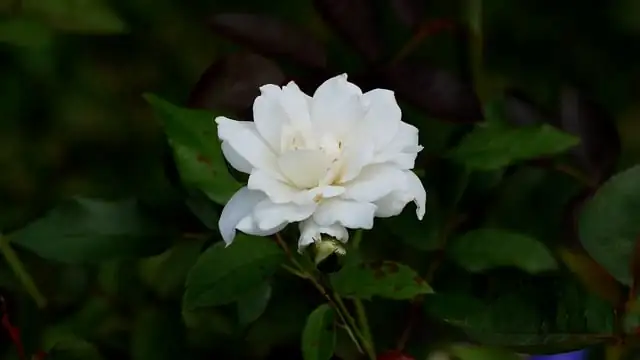
- Freesia (white forms) — 8–18 in, main feature and fragrance
- Anemone coronaria ‘Mr. Fokker’ (deep blue) — 10–15 in, color depth
- Iberis sempervirens (candytuft, white) — 8–12 in, low “skirt” and light stem support
- Festuca glauca (blue fescue) — 8–12 in, tufted, airy texture to keep air moving
Why it works: All relish bright, cool spring weather and fast drainage. White-on-blue keeps the scene crisp; candytuft’s low dome quietly props freesia stems.
2) Citrus sorbet container (balcony showstopper)
- Freesia (yellow or cream) — 8–18 in, focal fragrance
- Calendula (soft apricot forms) or dwarf snapdragons — 10–16 in, gentle warmth in color
- Sweet alyssum (white) — 4–6 in, honeyed edge and living mulch for cool roots
Tip: Place freesia slightly off-center; run alyssum around the rim so breezes sweep through the middle.
3) Pastel poetry for patios
- Freesia (blush pink) — 8–18 in, lead role
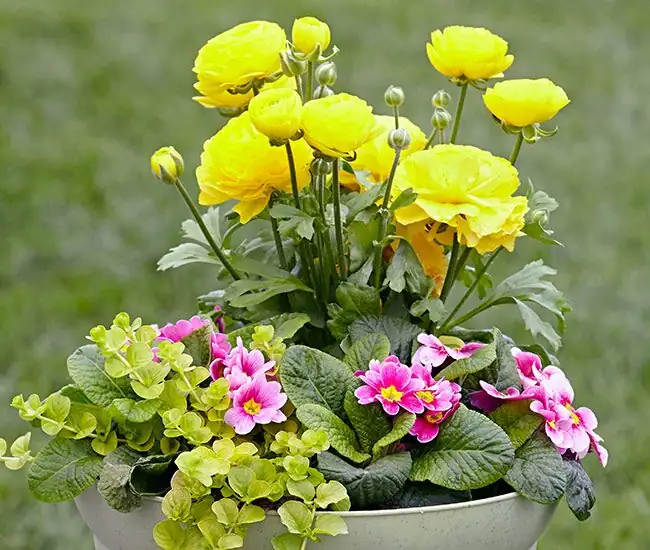
- Ranunculus asiaticus (pastel mix) — 10–16 in, plush companions that share the season
- Nemesia fruticans (pale lavender) — 6–12 in, airy filler that won’t smother
Why it works: Shared cool-season timing, complementary pastels, and compatible moisture needs—without heavy, humidity-trapping foliage.
4) Soft sunset with a purple wink
- Freesia (orange or coral) — 8–18 in
- Osteospermum ecklonis (lavender-purple) — 12–20 in, back-row daisy pop
- Creeping thyme (silver-edged forms) — 2–4 in, dryish rim that keeps crowns ventilated
Note: In warming spring, slide containers to morning sun/bright afternoon shade to preserve freesia stems.
5) Cool-court scented pot (keep it gentle)
- Freesia (any colorway) — 8–18 in
- Cyclamen persicum (white or magenta) — 6–10 in, winter-to-early-spring partner
- Low blue fescue or a sparse ring of sweet alyssum — 4–8 in, lift and lightness
Scent strategy: Cyclamen’s fragrance is delicate; it won’t tangle with freesia’s perfume.
Container recipes you can plant this weekend
- 30–38 cm (12–15 in) bowl: Plant 5–7 freesia corms 2–3 cm deep in a circle, then tuck 3–5 anemones or ranunculus between them. Edge with 4–6 alyssum or 3 small nemesia. Leave open air “windows” rather than a continuous ring.
- Tall 20–25 cm (8–10 in) pot for singles: A freesia-only pot is a chic, low-maintenance option indoors or on a small balcony—especially helpful if your air stays on the humid side.
Pro medium (fast-draining): roughly 50% quality loam-based potting mix, 20–25% leaf mold/compost, 25–30% coarse sand or perlite. Add a thin top-dressing of fine grit to keep the corm necks dry.
When to plant and how to time the show (Zones 9–11)
- Early autumn planting (often September) sets up late winter to spring bloom.
- Stagger plantings in 2–3 small batches, 10–14 days apart, to stretch flowering.
- As days warm toward and above 20°C (68°F), move containers to the brightest cool spot you have; warmth speeds fade and invites flop.
Water, feed, and airflow—the freesia trifecta
- Watering rhythm:
- Active growth and bud build: keep evenly moist, never soggy. Many containers need water 2–3 times weekly in peak bloom.
- After flowering: over about a month, taper to once weekly, then stop as foliage yellows and corms enter dormancy.
- Avoid wetting open flowers; if you must mist, aim for leaves only and keep breezes moving.
- Feeding, light and lean:
- During leafy growth: light, balanced fertilizer every 10–14 days, or use a bloom-leaning feed every 2 weeks.
- As spikes emerge: a one-time, very dilute phosphorus/potassium boost can help stem strength.
- Stop heavy feeding once flower stems are up; too much at peak bloom can cause bud/flower drop.
- Air and spacing:
- Give companions elbow room. Fresh air is your anti-Botrytis secret.
- Use discreet stakes or let a low, lacy edging (alyssum, candytuft) steady arching stems.
Indoors and on sheltered patios: keep it fresh
- Light: a sunny east or south window; avoid deep shade.
- Temperature: cool rooms are ideal; keep away from heaters/AC blasts.
- Ethylene alert: keep blooming pots and cut stems away from ripening fruit; ethylene shortens flower life.
After the applause: dormancy and replanting
- Once leaves yellow and dry, stop watering completely.
- Lift and store corms dry in ventilated conditions around 25°C (77°F). Separate the cormlets (often 3–5 per plant).
- Replant in early autumn with refreshed, free-draining mix. A 12–15 cm (4.7–5.9 in) pot with 5–7 corms makes a perfect “concert” for next season.
Color-and-height companion index
Pick one from each line to mix and match with freesia.
- Low edgers (4–8 in): sweet alyssum, dwarf lobelia, creeping thyme, Iberis sempervirens
- Mid partners (8–16 in): Anemone coronaria, Ranunculus asiaticus, dwarf snapdragons, Nemesia fruticans, Calendula
- Gentle backdrops (12–20 in): Osteospermum ecklonis, blue fescue clumps, airy dwarf wallflowers (lightly used)
All of the above prefer excellent drainage and bright, cool conditions—just like freesia.
Troubleshooting quick takes
- Stems flopping? Likely too warm or light too low. Move to brighter, cooler air and give subtle support.
- Buds spotting or flowers molding? Thin companions to boost airflow; water soil, not blooms.
- Short bloom life? Heat and ethylene are the usual culprits. Keep cool and fruit-free.
A note on meaning: the language of freesia
Freesia has long symbolized purity, trust, and thoughtful affection—associations shaped by its crystalline perfume and pristine spring timing. In gifting traditions, color shifts nuance: red leans into admiration, white suits romantic love, and pale yellow suggests warm friendship. These “flower language” meanings echo 19th‑century floriography, where scent and season helped code emotions; today they still resonate because freesia feels like fresh air—clear, honest, hopeful.
Safety and sensitivity
Freesia isn’t widely listed as highly toxic, but treat corms and foliage as potentially irritating if chewed. Keep out of reach of pets and children, and note that strong fragrance can bother very scent-sensitive folks in enclosed rooms.
—
Design with the season, let cool air flow, and keep the soil brisk and free-draining. With the right companions, Freesia × hybrida delivers a spring chorus—one elegant, long‑lasting note at a time.