

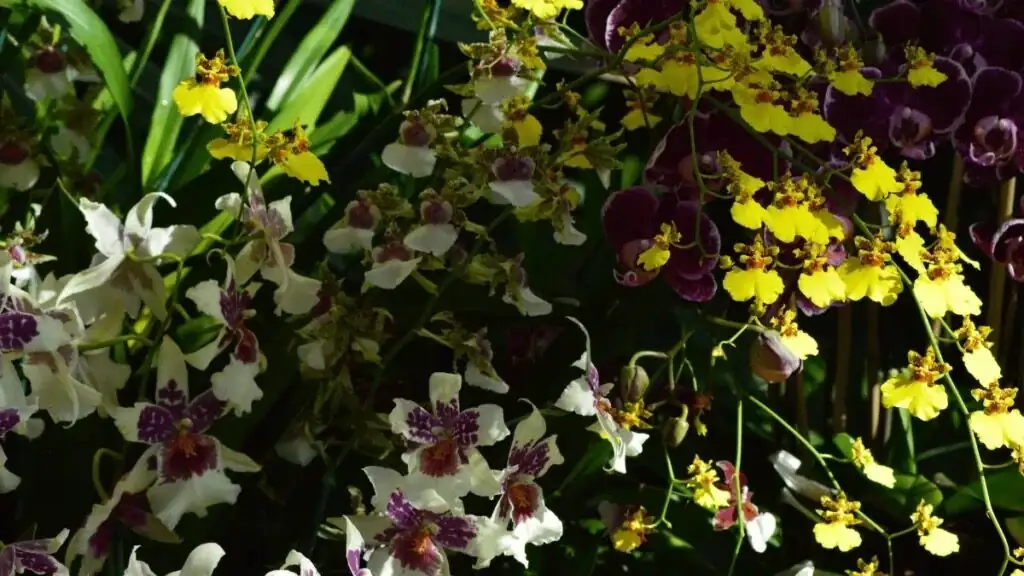
Imagine your windowsill as a little theater and your orchids as a rotating cast of dancers. With the right mix of Oncidium (the classic Dancing Lady orchids) and Oncidium-type hybrids, you can cue curtain calls almost all year—autumn, winter, spring, and summer—by matching bloom season, light, and temperature. Here’s how to curate a staggered display so there’s always a spray in show.
The bloom engine: light, temperature, and rhythm
- Light: Bright, filtered/indirect light is your baseline. An east window is ideal; a lightly shaded south or west window also works. Outdoors, give seasonal shade: about 30% in late spring/early summer, ~50% in midsummer, then 20–30% in autumn. Avoid harsh midday sun that scorches leaves.
- Temperature: These orchids are comfortable around 12–25°C (54–77°F) with cooler nights. In winter, aim for bright light and nights around 13–15°C (55–59°F) for indoor display. Keep above about 8°C (46°F). If your space dips below ~10°C (50°F), keep plants much drier to avoid rot.
- Humidity and airflow: Moderate humidity (about 40–60%) with gentle airflow keeps leaves and buds happy. Use a pebble tray (pot above the waterline), a humidifier, and morning-only misting so foliage dries quickly.
- Watering rhythm: Water thoroughly, then let excess drain. Rewater when the mix is just approaching dryness—never soggy, never bone-dry for long. During budding/flowering, do not let the plant dry hard; that’s a fast track to yellowing buds and bud drop.
- Feeding: During active growth and spike development (roughly March–October), feed lightly with a balanced orchid fertilizer at low strength every couple of weeks. Flush with plain water occasionally. Reduce or pause feeding during cool winter rest and when in full bloom.
Tip: Oncidium-type orchids with slimmer leaves and fine roots resent long droughts—steady moisture with fast-draining media is the sweet spot.
Your year-round Oncidium calendar
Blooming times vary by hybrid and home conditions, but certain groups are commonly sold for particular seasons. Build your collection with “anchors” for each season, then expect a few delightful surprises and reblooms.
Autumn stars (October–November)
- Oncidium ‘Sharry Baby’ group: Famous for chocolate-like fragrance, often blooming in autumn (and sometimes again in spring).
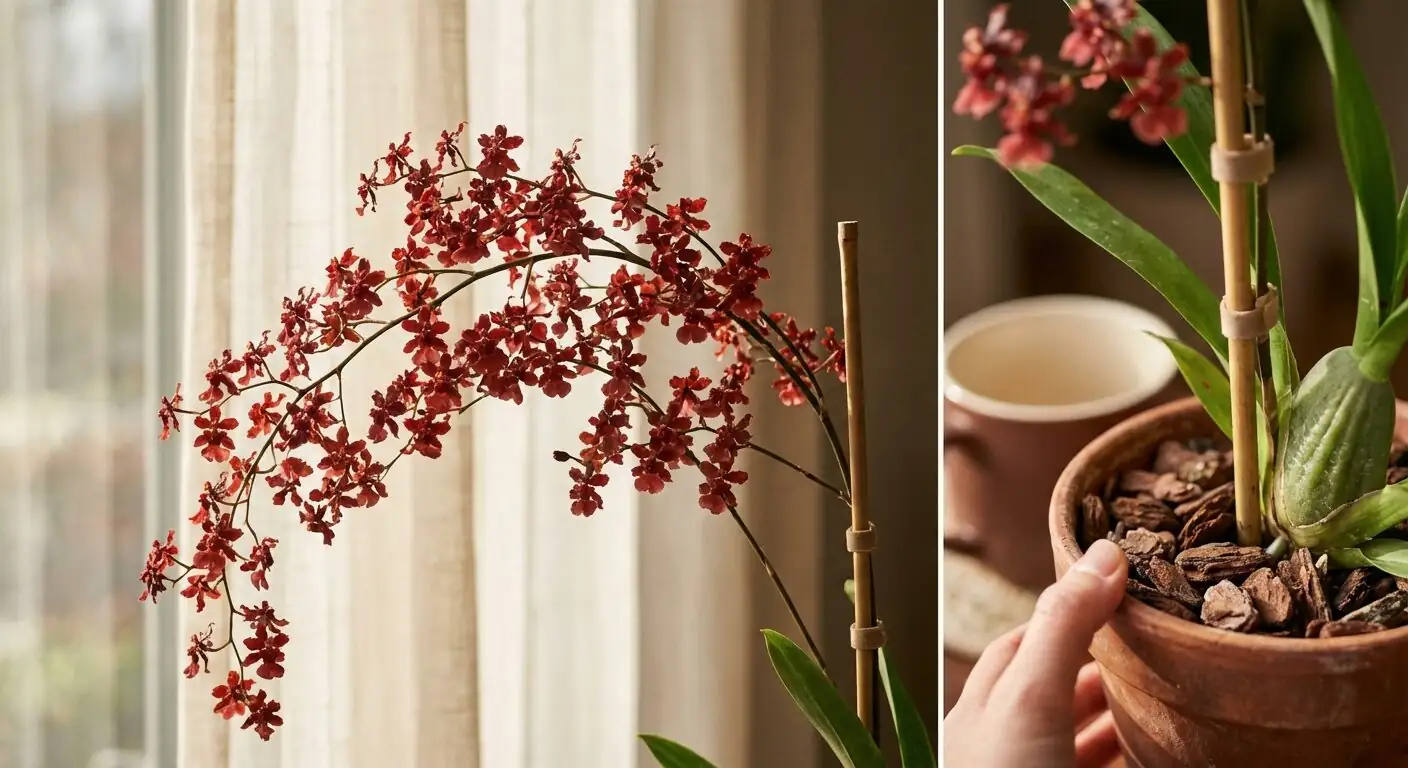
- Oncostele Wildcat (formerly sold under Oncidium): Big, branched spikes in tigered reds, bronzes, and yellows; many clones bloom in fall.
- Oncidium ‘Sweet Sugar’: Bright lemon-yellow sprays; frequently marketed for fall-through-winter displays.
Autumn care notes
- Give bright indirect light with gentle part sun and excellent airflow.
- Keep the watering rhythm steady—don’t let plants fan-dry between waterings during bud swell.
- Stake early; these airy sprays gain weight as buds open.
Winter charmers (December–January)
- Oncidium Twinkle and kin (e.g., ‘Fragrance Fantasy’, ‘Red Fantasy’): Miniature, many-flowered spikes, often winter to early spring, with sweet fragrance.
- Oncidium ‘Heaven Scent’ (related to Sharry Baby lines): Typically winter bloomers in bright windows.
- Oncidium ‘Tsiku Marguerite’: Compact, floriferous, often showing in winter.
Winter care notes
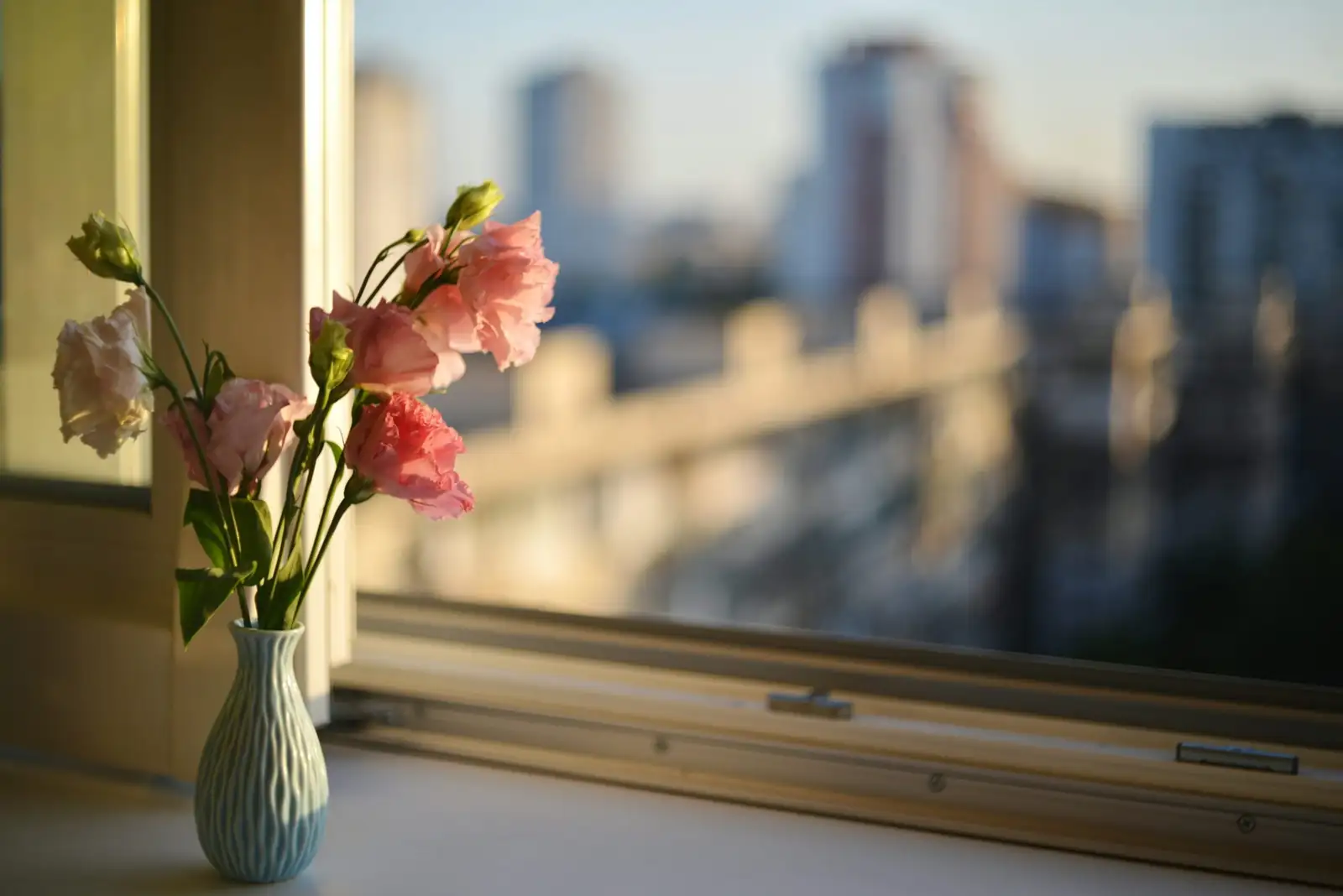
- Move plants to the brightest window you have; east is ideal, a lightly shaded south/west also works.
- Keep nights cool-but-not-cold (about 13–15°C / 55–59°F) to encourage spikes and extend bloom.
- Water consistently but a touch lighter than in summer; never cold, soggy media. If indoor temps slip near 10°C (50°F), keep plants much drier.
Spring showstoppers (April–May)
- Oncidium ‘Gower Ramsey’ types: Classic, exuberant branching sprays; often flower in spring into early summer in home culture.
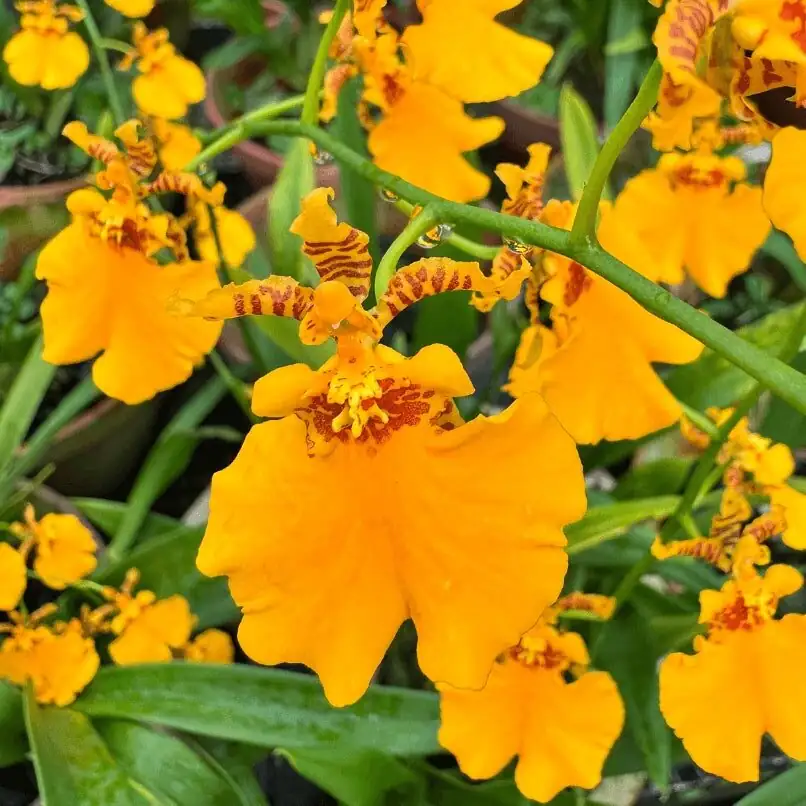
- Oncostele Catatante (orange-toned hybrids often sold under the Oncidium umbrella): Frequently spring-to-summer bloomers.
- Hybrids with Oncidium sphacelatum influence: Often push spikes as days lengthen.
Spring care notes
- Days are brighter—resume light feeding and water a bit more often as new growth accelerates.
- Provide bright, filtered light; an east window or dappled outdoor shade works beautifully.
Summer scene (June–August)
- Oncidium ‘Golden Elf’: A warm-season favorite that often blooms in summer and may encore into autumn; sunny yellow, sometimes lightly fragrant.
- Oncidium sphacelatum and many warm-tolerant Oncidium-type hybrids: Commonly summer bloomers outdoors in frost-free climates.
- Jairak-type Oncidium alliance hybrids (widely sold in Asia): Often peak in warm months with vivid, modern colors.

Summer care notes
- Protect from strong sun with 30–50% shade; keep airflow moving.
- Watering needs may rise to every couple of days outdoors in heat; indoors in active growth, many plants take water 2–3 times per week.
- Humidity around 40–60% plus good drainage = happy roots and persistent buds.
Reality check on timing
- Bloom windows shift with your light, temperature, and watering rhythm. Many Oncidium-types can spike more than once per year. Think in terms of “tendencies” rather than fixed dates, and track your plants’ habits for next year’s plan.
A simple staging plan for blooms nearly all year
- Spring–summer bench: Outdoors (frost-free) or by an east window with 30–50% shade; prioritize your summer and spring bloomers here.
- Autumn–winter bench: Brightest indoor spot with cool nights (13–15°C / 55–59°F) and bright, filtered light; place fall/winter bloomers here to initiate and hold spikes.
- The swap: As each plant finishes, rotate it to bright shade for recovery and move the next “in-season” plant to prime light.
Pro tip: A small clip-on fan set to gentle flow keeps leaves dry after morning misting and discourages pests on tender spikes.
Potting mix, watering, and repotting—dialed for performance
- Medium: Use an airy, fast-draining orchid mix—fine-to-medium bark with perlite/charcoal; add a little sphagnum if your air is very dry. Mounting on cork/bark is possible but requires more frequent watering.
- Pots: Snug pots are better than oversized ones—many home plants are happy in 12.5–15 cm (5–6 in) wide containers.
- Water: Thoroughly wet, drain fully, then wait until the mix is approaching dryness. Use rain or distilled water if your tap is very hard; avoid softened water.
- Winter rest: Many types slow down—reduce watering strongly. If kept below about 10°C (50°F), keep very dry to prevent rot.
- Repotting: Every 1–2 years or when mix breaks down. Best just as new growth begins (often spring). After repotting, shade lightly and go easy on water for 1–2 weeks.
- Division: Divide only when clumps are robust. Aim for 3–4 healthy pseudobulbs per division for quickest recovery.
Troubleshooting buds, bulbs, and spikes
- Buds yellowing and dropping: Most often drought stress during bud swell, sudden light/temperature swings, or very dry air. Keep a steady moist-not-soggy rhythm, hold humidity around 40–60%, and avoid blasting buds with heater air or frequent wetting.
- Wrinkled pseudobulbs: Underwatering, damaged roots, or very dry air. Inspect and refresh old media, water a bit more consistently during growth, and improve humidity with airflow.
- Staking and pruning: Stake flopping spikes gently once they reach about 30–40 cm (12–16 in). After blooming, cut spent spikes near the base once they brown; remove only dead leaves or dried pseudobulbs.
Pests, diseases, and prevention
- Usual suspects: Scale, mealybugs, spider mites, and aphids (aphids love tender spikes). Watch developing spikes closely.
- Diseases: Leaf spots, rust, soft rot, and root rot are often tied to staying too wet or poor airflow.
- Prevention: Airy media, excellent drainage, morning-only misting, and space between plants. Treat pests with orchid-safe insecticidal soap or horticultural oil; improve airflow and refresh media if rot appears. Always follow product labels and local regulations.
Safety, symbolism, and fun bits
- Non-toxicity: Commonly listed as non-toxic to cats and dogs and generally non-toxic to people. Still, discourage nibbling.
- Symbolism (flower “language”): The lively sprays and skirted lips evoke celebration and cheerful energy, so modern floriography often reads Oncidium as joy, festive elegance, and vivacity. Unlike ancient flower lore, this meaning flows from the blossom’s unmistakable “dancing” look—a contemporary association that makes them perfect for parties and weddings.
- Fun facts:
- A well-grown clump can carry dozens—even hundreds—of blooms on branching spikes.
- Many “Oncidium” in shops are complex Oncidium-alliance hybrids—but their care is the same: bright filtered light, airy roots, and a steady wet/dry beat.
Buying guide and collection-building tips
- What to look for: Firm, plump pseudobulbs; clean medium-green leaves; multiple growths for better bloom potential. Avoid mushy bulbs, blackened roots, and persistent spotting.
- For the longest show: Choose plants with a mix of buds and just-opening flowers. In winter, those close to bloom often perform best at home.
- The all-seasons cart:
- Autumn: ‘Sharry Baby’ group, Oncostele Wildcat, ‘Sweet Sugar’
- Winter: Twinkle group, ‘Heaven Scent’, ‘Tsiku Marguerite’
- Spring: ‘Gower Ramsey’ types, Catatante-types, sphacelatum-influenced hybrids
- Summer: ‘Golden Elf’, warm-tolerant sphacelatum lines, brightly colored Jairak-type hybrids
With a 3–4 hybrid starter set—one per season—you’ll have flower spikes for much of the year. Then, as you learn each plant’s personal timing in your home, fine-tune the cast. Keep the light bright-but-gentle, the nights a touch cooler, the mix airy, and the moisture steady. Your stage will stay lively with dancing ladies almost every month.