


Picture a breezy treetop afternoon somewhere between Mexico and Peru. Sunlight flickers through a high canopy; a branch sways; and a cloud of tiny yellow skirts seems to take flight. That’s the Oncidium story in motion—an orchid that learned to dance on air, evolved clever water-storing stems to ride out dry spells, and then, thanks to human matchmakers, became one of the most generous, branching, living-room-friendly bloomers you can grow.
From the canopy down: an epiphyte’s journey from Mexico to Peru
Oncidiums are at home above the ground, clasped to bark and moss as epiphytes, or occasionally tucked into rock crevices. Across their American range—especially from Mexico through Central America into northern and central South America—rain doesn’t fall on a schedule, light shifts with altitude and season, and a “pot” is just a patch of lichen on a branch.
- The lifestyle: anchoring to trunks and limbs for support, not for food. Roots grab air as much as substrate, snatching brief showers and nightly dew.
- The climate: bright but sifted forest light, warm days and cooler nights, and oscillating wet/dry cycles. Oncidiums learned to savor moisture, then breathe and dry, then drink again.
That rhythm shaped everything about the plant’s build and behavior.
The pseudobulb: an air-dancer’s canteen
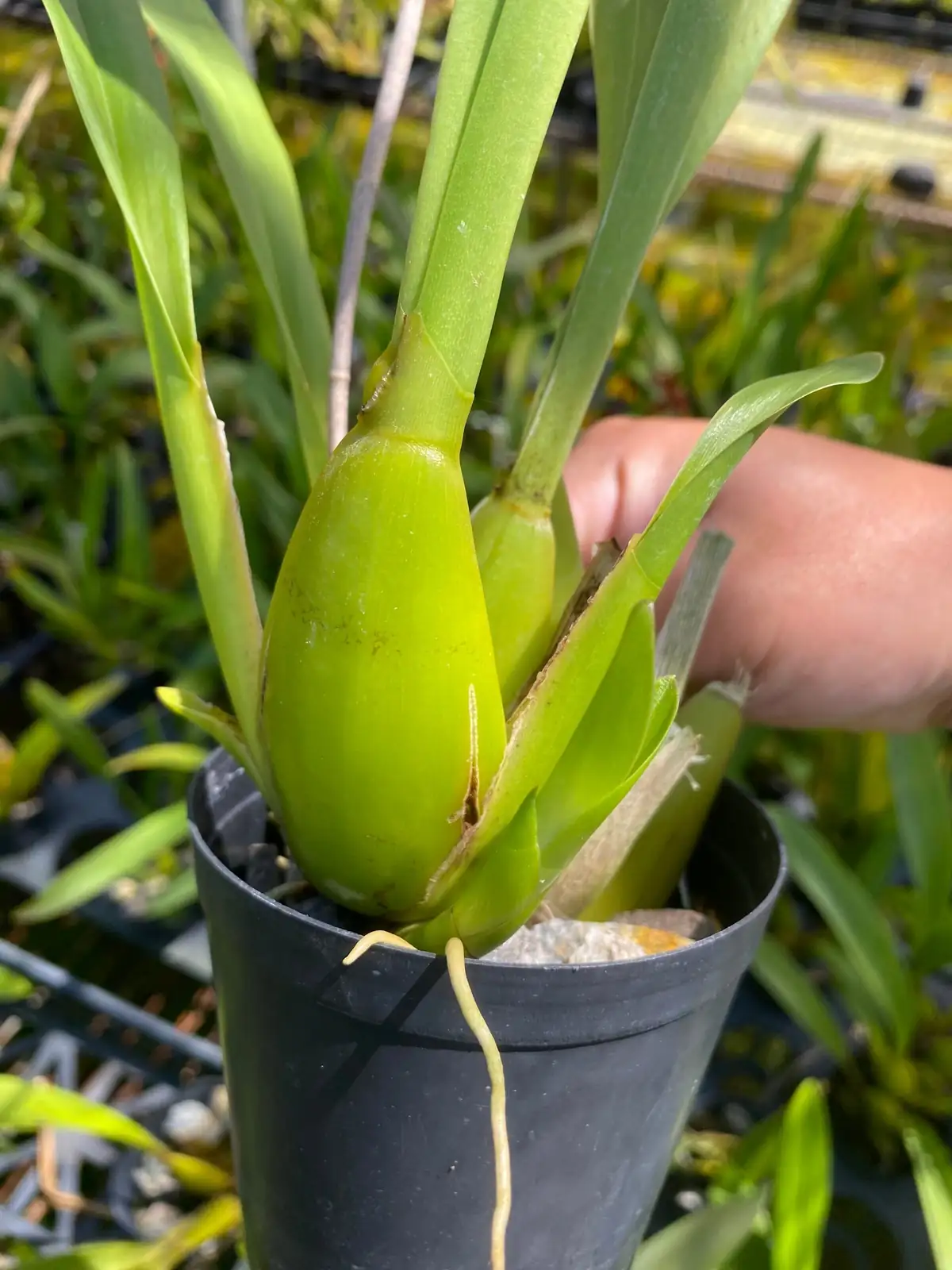
If you’ve ever wondered why Oncidiums have plump, beadlike stems, welcome to the epiphyte survival kit. Those are pseudobulbs—swollen stem segments that store water and nutrients so the plant can sail through short droughts without drama.
- Sympodial stride: new growths (pseudobulbs with leaves) pop up along a creeping rhizome, forming a clump over time.
- Evergreen ribbons: medium-green, strap-like leaves arc from each bulb, catching light but designed to dry quickly after rain.
- Timing is everything: once a new growth matures, a branching spike often pushes from its axil, lifting dozens of fluttery blooms into the airflow where pollinators cruise.
Evolution honed the formula: store a little, breathe a lot, flower high and in numbers.
The great hybrid wave: from wild waifs to home-show headliners
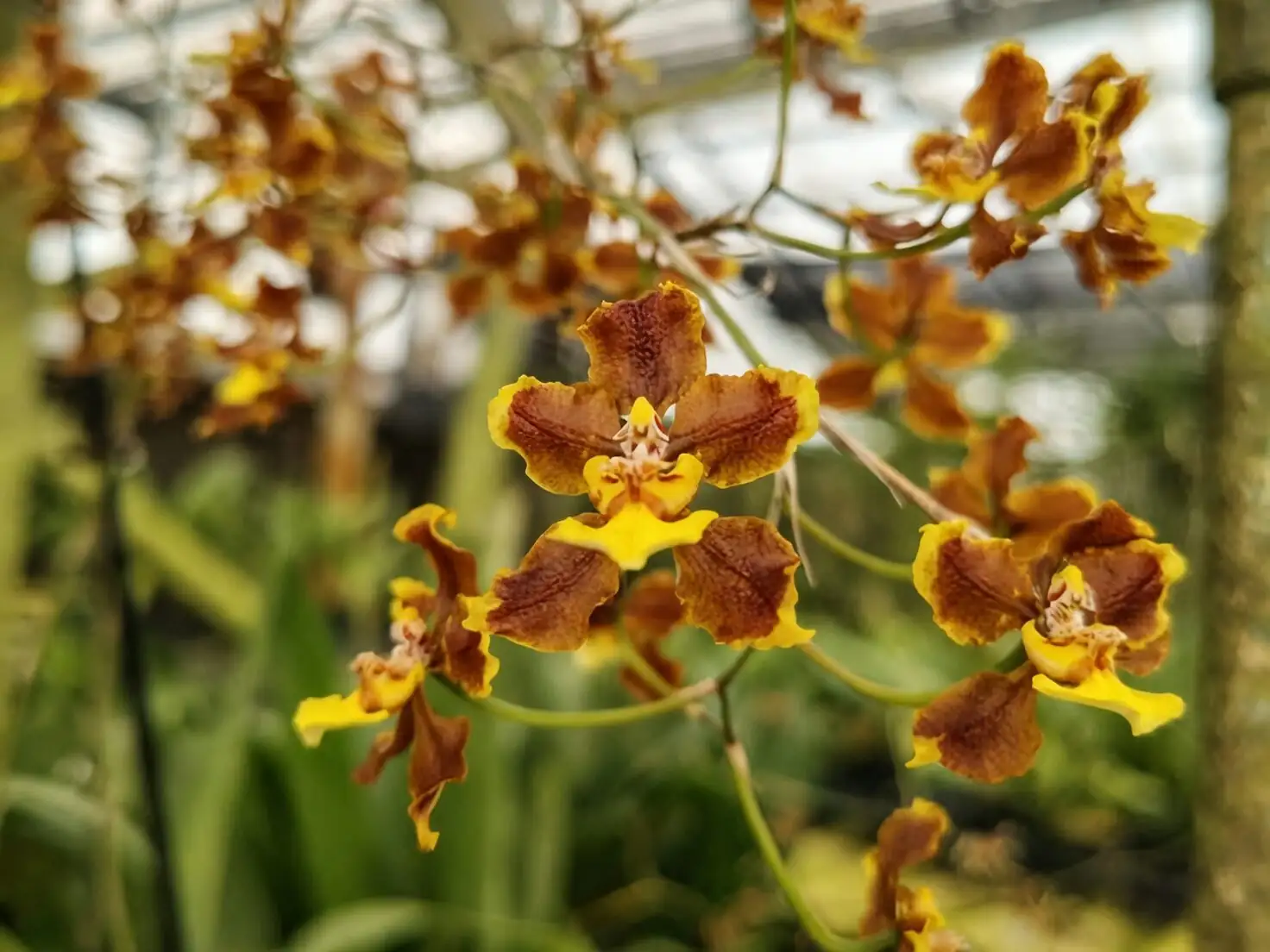
Fast-forward to greenhouses and garden benches. Growers fell for those “dancing lady” sprays—yellow, bronzed, or freckled like butterflies—and started crossing species for even showier results. Over decades, breeders also blended Oncidium with close relatives in the Oncidiinae to create intergeneric hybrids, all under the friendly “Oncidium-type” umbrella you see in shops today.
Why hybridize? To make orchids that:
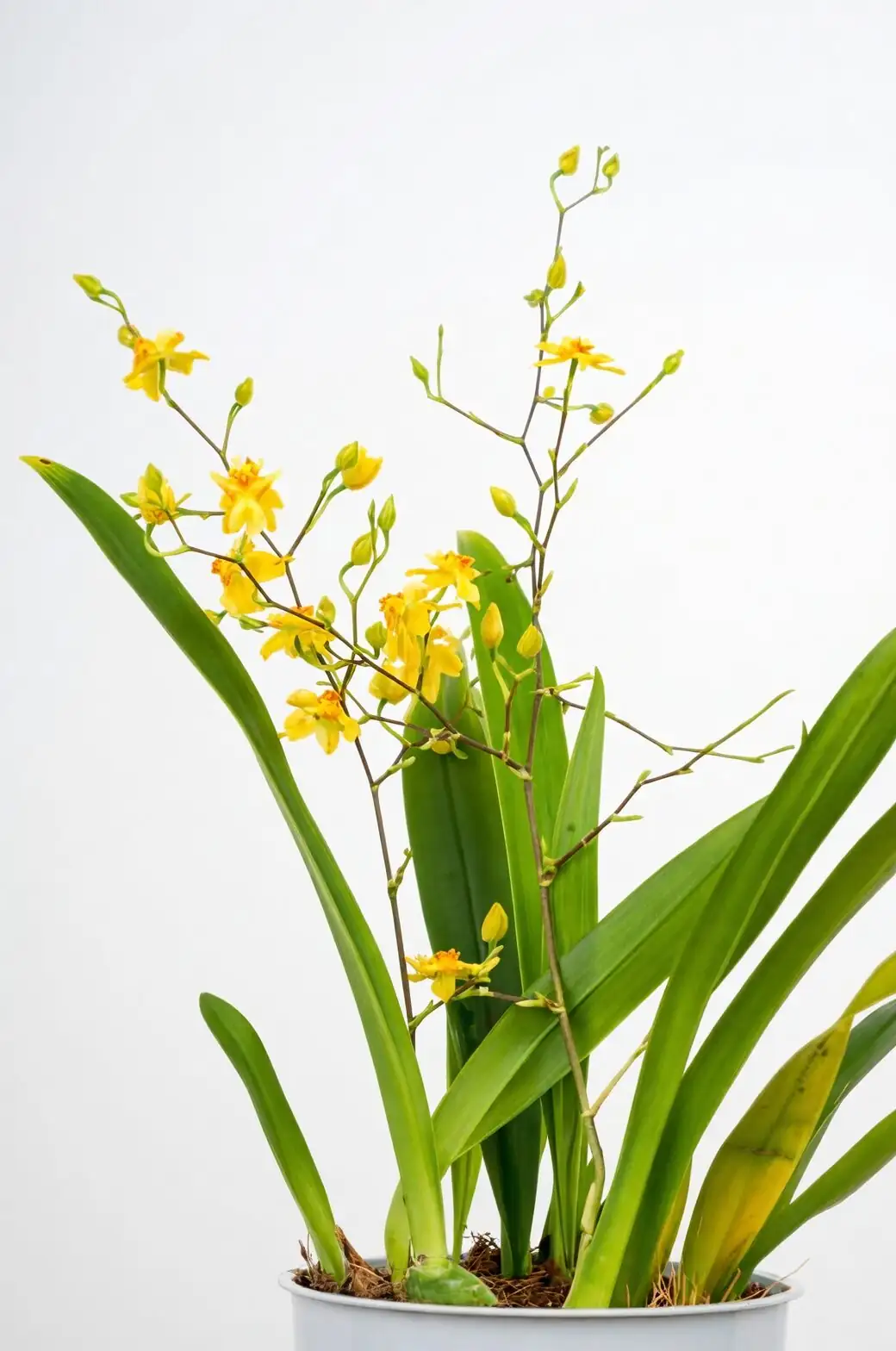
- Branch like fireworks: many modern plants carry long, highly branched spikes with clouds of blooms.
- Flower longer and at varied seasons: mix a few cultivars and you can see shows spread across the year.
- Forgive indoor life: bright windows, comfortable temperatures, and good air are enough—no jungle fog machine required.
- Ship and recover better: thanks to robust root systems and those trusty pseudobulbs.
Taxonomists have reshuffled names in recent years and moved some species among allied genera, but for everyday growers “Oncidium” now simply means easy, airy roots; a bright window; and exuberant flower sprays that look like tiny dancers caught in a breeze.
What that breeding means for your windowsill
- You get branching spikes and big shows in a snug 12.5–15 cm (5–6 in) pot.
- A wide palette beyond classic yellow: whites, pinks, reds, bronzes, and blends—sometimes lightly fragrant.
- Plants that thrive in bright, indirect light and typical home temperatures.
The look and the scale
- Habit: clumping, sympodial epiphyte with distinct pseudobulbs.
- Foliage: medium-green, strap to lance-shaped, usually slightly arching.
- Size: many home forms stand 20–60 cm (8–24 in) in foliage; spikes reach 30–90 cm (12–35 in). A mature clump may fill about 60 × 60 cm (24 × 24 in).
- Flowers: airy, often branching sprays studded with small, fluttery blooms. Classic yellow with brown markings; modern hybrids add white, pink, red, bronze, or mixes. Some are lightly fragrant.
Light, temperature, and placement: set the stage
- Light: bright, filtered/indirect light to gentle part sun. Indoors, an east window is ideal; a lightly shaded south or west window works if you avoid harsh midday rays.
- Outdoor summering: dapple shade—roughly 30% in late spring/early summer, up to ~50% at midsummer, easing to 20–30% in autumn.
- Temperature: happiest around 12–25°C (54–77°F), cooler nights and warm days. Keep above ~8°C (46°F) in winter.
- Placement: give gentle airflow and keep away from hot, dry heater blasts. A bright enclosed balcony is perfect.
Watering and humidity: the pseudobulb rhythm
Think “thorough drink, full drain, then wait for the mix to approach dryness.”

- Watering cadence:
- Active growth: indoors often 2–3 times per week; outdoors in heat, sometimes about every 2 days.
- Budding/blooming: don’t let it go bone-dry—irregular drought causes yellowing buds and bud drop.
- Winter slowdown: reduce sharply. In cool rooms some growers water as little as roughly monthly to prevent severe shriveling. If temps dip below about 10°C (50°F), keep very dry to avoid rot.
- Humidity: moderate suits them—aim for 40–60% (often cited 50–60%). Use a pebble tray (pot above waterline), a small humidifier, and morning-only misting with good airflow so leaves dry in a few hours.
- Water quality: if your tap water is very hard, switch to rainwater or distilled.
Potting, media, and mounting
- Medium: an airy, fast-draining orchid mix—fine-to-medium bark often with perlite/charcoal; add a touch of sphagnum for moisture balance if your air is very dry. Pumice or lava rock helps grit and aeration.
- Pots: snug, well-drained. Opaque or clear both work; drainage matters most.
- Mounting: absolutely—bark, cork, or basket culture can mimic the epiphytic lifestyle. Just water more frequently, as mounts dry fast.
Feeding, repotting, dividing
- Fertilizer: lightly during active growth (roughly March–October). Try a balanced orchid fertilizer at low strength every 2 weeks, or about 1/4 strength every 2–3 waterings. Flush with plain water occasionally to prevent salt buildup. Ease off in full bloom and winter rest.
- Repotting: every 1–2 years or when mix breaks down or roots crowd. Best just before or as new growth begins (often spring). After repotting, keep slightly shaded and go easy on water for 1–2 weeks.
- Division: when the clump is big. Aim for divisions with at least 3–4 healthy pseudobulbs for fastest rebound (2 can work under excellent care). After dividing, give bright shade and light misting for 1–2 weeks.
Bloom timing and aftercare
- Bloom windows vary by hybrid. Many popular types flower in autumn, but you’ll also find winter, spring, and summer bloomers—collect a few and you can have flowers most months.
- After the show: when the spike browns, cut it near the base. Stake future spikes gently if they start to flop around 30–40 cm (12–16 in).
A simple seasonal game plan
- Spring: increase light (filtered), resume regular watering as new growth starts; feed lightly every 2 weeks.
- Summer: shade 30–50%, ensure airflow, and water more frequently in heat.
- Autumn: many hybrids bloom—keep bright light and steady moisture.
- Winter: keep cool and bright; reduce watering sharply. Below ~10°C (50°F), keep very dry.
Buying smart: what to look for
- Firm, plump pseudobulbs; fresh medium-green leaves.
- Multiple growths—more bulbs = stronger plant and better bloom.
- Healthy roots (no black mush).
- For a long display, choose a plant with a mix of buds and just-opening flowers.
Quick answers to common worries
- Buds yellowing and dropping? Usually drought stress during bud set, abrupt light/temperature shifts, or very dry air. Water more steadily (moist, not soggy), raise humidity to around 40–60% with airflow, and keep buds away from hot heater drafts.
- Pseudobulbs wrinkling? Either underwatering, root trouble, or very dry air. Check roots and mix; water more consistently during growth and boost humidity.
- Can I grow it mounted? Yes—just water more often and ensure brisk airflow so roots dry between drinks.
- Do I need an opaque pot? Not required. Clear or opaque is fine; prioritize excellent drainage, an airy mix, and a pot that fits the root mass.
Pests, diseases, and prevention
- Usual suspects: scale, mealybugs, spider mites, aphids (especially on new growth and spikes).
- Diseases: leaf spots, rust, soft rot, root rot—often linked to soggy media and stagnant air.
- Prevention toolkit:
- Airy medium and drainage
- Good spacing and fresh airflow
- Morning-only misting
- Prompt removal of dead tissue
- Treatment: insecticidal soap or horticultural oil suitable for orchids; cut away rot, refresh mix, and improve airflow. Always follow label directions and local regulations.
Pet and people safety
Generally considered non-toxic to people, cats, and dogs. That said, discourage nibbling—any plant material can upset a sensitive stomach.
Symbolism: why they’re the life of the party
The “dancing lady” nickname springs from the big, skirt-like lip that makes each flower look like a tiny dancer mid-twirl. In modern floriography and floral design, Oncidium stands for joy, lively elegance, and celebration. It’s easy to see why they star in festive bouquets and weddings: a spray can read as a cascade of confetti, yet stays graceful and airy. While there isn’t a single ancient legend behind them, their meaning crystallized through their appearance and their role as gift plants—cheerful, generous bloomers that bring motion and light to a room.
Fun to know
- A well-grown plant can carry dozens—sometimes hundreds—of blooms on branching spikes.
- Many shop “Oncidium” are actually complex hybrids from several closely related genera, but they share the same core care: bright filtered light, airy roots, and a steady wet/dry rhythm.
- With the right mix of cultivars, you can orchestrate dancing sprays across much of the year.
Grow an Oncidium and you’re not just raising an orchid—you’re hosting a canopy ballet. Give it bright, filtered light; a quick-drying, airy root run; and that epiphyte-friendly pulse of water-then-air. The reward? A show that turns every breeze at your window into an ovation.