

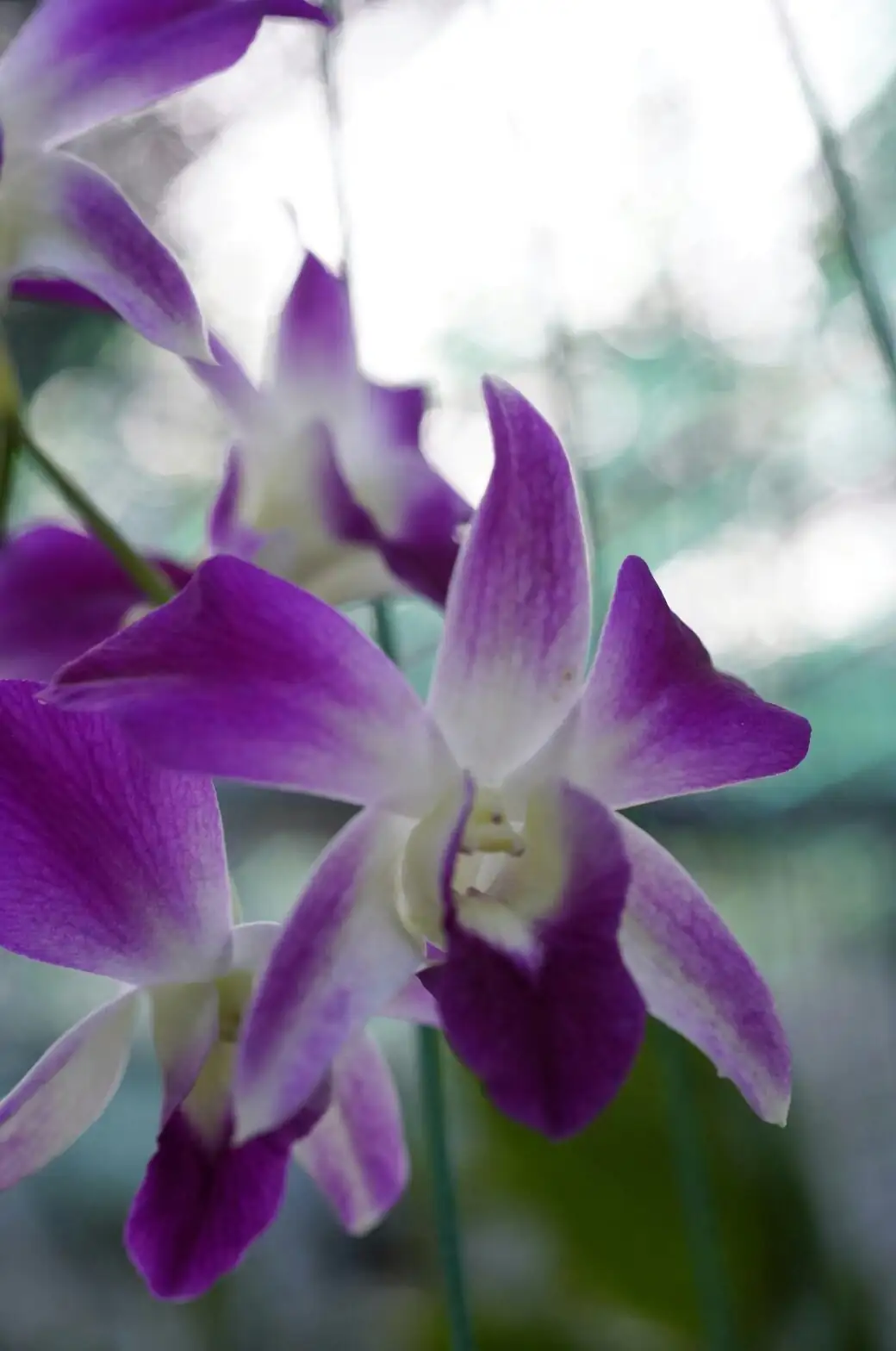
Think of Oncidium orchids (the “Dancing Lady” group) as a troupe of tiny ballerinas: give them the right stage—bright, filtered light, airy roots, and a steady water rhythm—and they’ll perform for weeks. Miss a cue, though, and you might see wrinkled pseudobulbs, yellowing buds that drop, spikes that stall, or roots turning to mush. Welcome to the troubleshooting clinic: fast diagnosis, quick fixes, and exactly how to tweak watering, media, light, and humidity to save the show.
Rapid triage: your 60‑second check
- Pseudobulbs: plump (good) vs. wrinkled/shriveled (dehydration or root trouble)
- Roots (peek through pot holes or briefly unpot): firm silver-white with green tips (good) vs. brown/black mush (rot) vs. very dry, wiry (underwatering)
- Potting mix: fresh and chunky (good) vs. compacted, sour-smelling, or soggy (repot now)
- Leaf color: medium green (ideal) vs. very dark green (too little light) vs. scorched/yellow patches (too much direct sun)
- Buds: firm and green (good) vs. yellowing and dropping (stress, drought, or very dry air)
- Air: humidity around 40–60% with gentle airflow? If not, fix it
- Season and temperature: 12–25°C (54–77°F) is the comfort zone; colder needs drier roots
Below, find the symptom that matches your plant and go straight to the prescription.
—
Symptom A: Wrinkled pseudobulbs
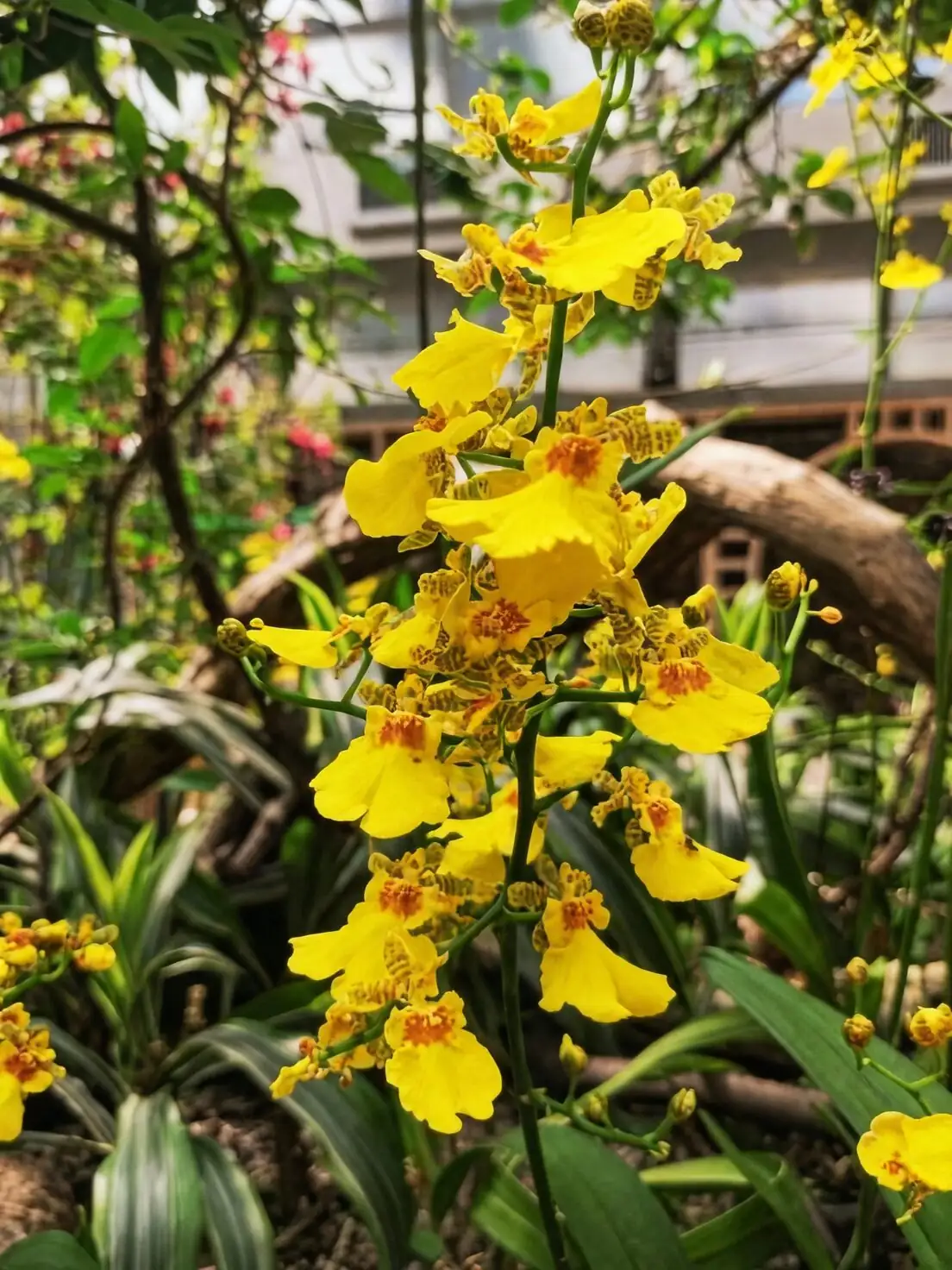
Most common cause: the plant can’t stay evenly hydrated. Either you’re watering too irregularly, the air is very dry, or the roots can’t absorb water (damaged or rotting).
Diagnose
- Slight, even wrinkling but firm bulbs: usually mild drought or dry air
- Deep wrinkles plus limp leaves: chronic underwatering or decomposed mix blocking roots
- Wrinkling despite frequent watering: suspect root rot or old, compacted media
Quick fix
- Reset the water rhythm
- Water thoroughly, then let excess drain completely.
- Water again when the mix is just approaching dryness—not bone-dry for long.
- In active growth indoors, this is often 2–3× per week; outdoors in summer heat can be about every 2 days.
- Improve humidity with airflow
- Target 40–60%. Use a pebble tray (pot above waterline), a small humidifier, or light morning misting plus a fan so leaves dry within a few hours.
- Check the roots and mix
- Healthy roots = increase watering moderate amounts and keep humidity up.
- Mushy/brown roots or sour, compacted mix = repot immediately (see Root Rot section).
- Adjust the medium to your home
- Dry homes: fine-to-medium bark blended with a little sphagnum moss, plus perlite/charcoal.
- Humid homes: medium bark with extra perlite/charcoal; go lighter on moss.
- Expectation reset
- Old wrinkled bulbs rarely “re-inflate.” Your goal is to plump the next new growth.
—
Symptom B: Bud blast (yellowing buds that drop)
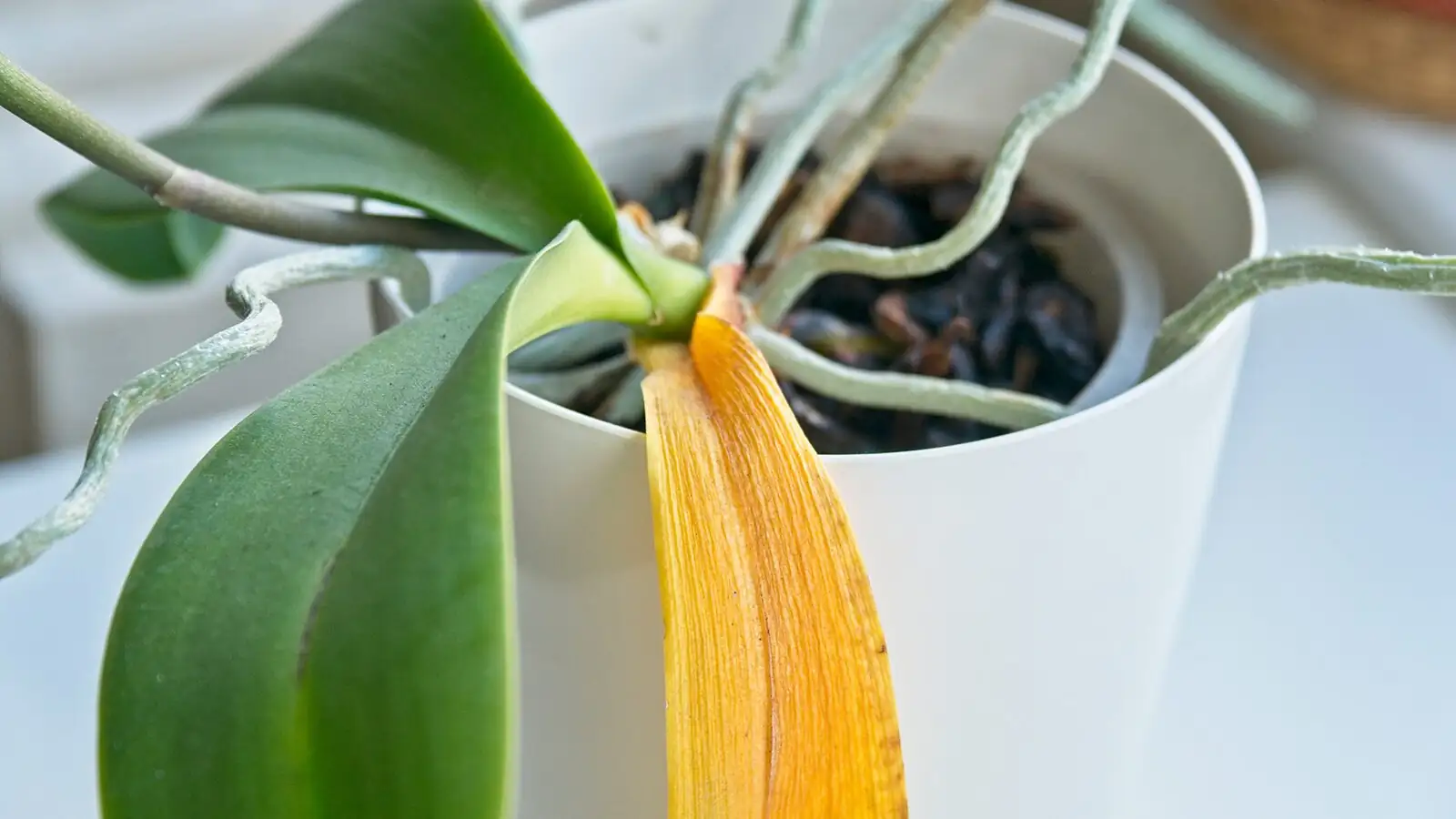
Oncidiums are sensitive to erratic drought during bud formation and to very dry, drafty air.
Diagnose
- Buds yellow and fall before opening, especially after the pot dried hard? Drought stress.
- Moved the plant, blasted it with heater air, or changed temperatures suddenly? Environmental shock.
Quick fix
- Keep moisture steady (not soggy)
- During spiking/bud stage, don’t let the mix go crispy; water as it nears dryness.
- Protect the buds
- Bright, filtered light; avoid hot midday sun and heater vents.
- Humidity 40–60% with gentle airflow. Mist in the morning only; avoid wetting buds and blooms.
- Hold off on big changes
- Don’t repot, divide, or relocate rooms mid-spike unless rot forces your hand.
- Feeding
- Light feeding supports buds: a balanced orchid fertilizer at low strength about every 2 weeks (or 1/4 strength every 2–3 waterings). Flush with plain water occasionally.
—
Symptom C: Stalled spikes (or new growth that won’t progress)
Usually a light, energy, or root problem—sometimes simple seasonal timing.
Diagnose
- Very dark green leaves and thin spikes: light is too low.
- Recently repotted or a tiny division (1–2 bulbs): not enough stored energy yet.
- Roots declining in old mix: stalled growth from poor uptake.
Quick fix
- Turn up the light—gently
- Aim for bright, filtered/indirect light to light part sun. Indoors, an east window is ideal; a lightly shaded south/west window also works.
- Outdoors, adjust seasonal shade: about 30% in late spring/early summer, ~50% midsummer, then 20–30% in autumn.
- Keep the care steady
- Maintain the water rhythm (never soggy, never bone-dry for long).
- Feed lightly during active growth and bud development; flush salts periodically.
- Timing and patience
- Many Oncidium-types bloom in autumn, but hybrids vary—winter, spring, summer bloomers exist. Off-season stalls can simply be timing.
- Do not repot mid-spike unless there’s active rot
- If mix is broken down, wait until after bloom or as new growth begins.
—
Symptom D: Root rot
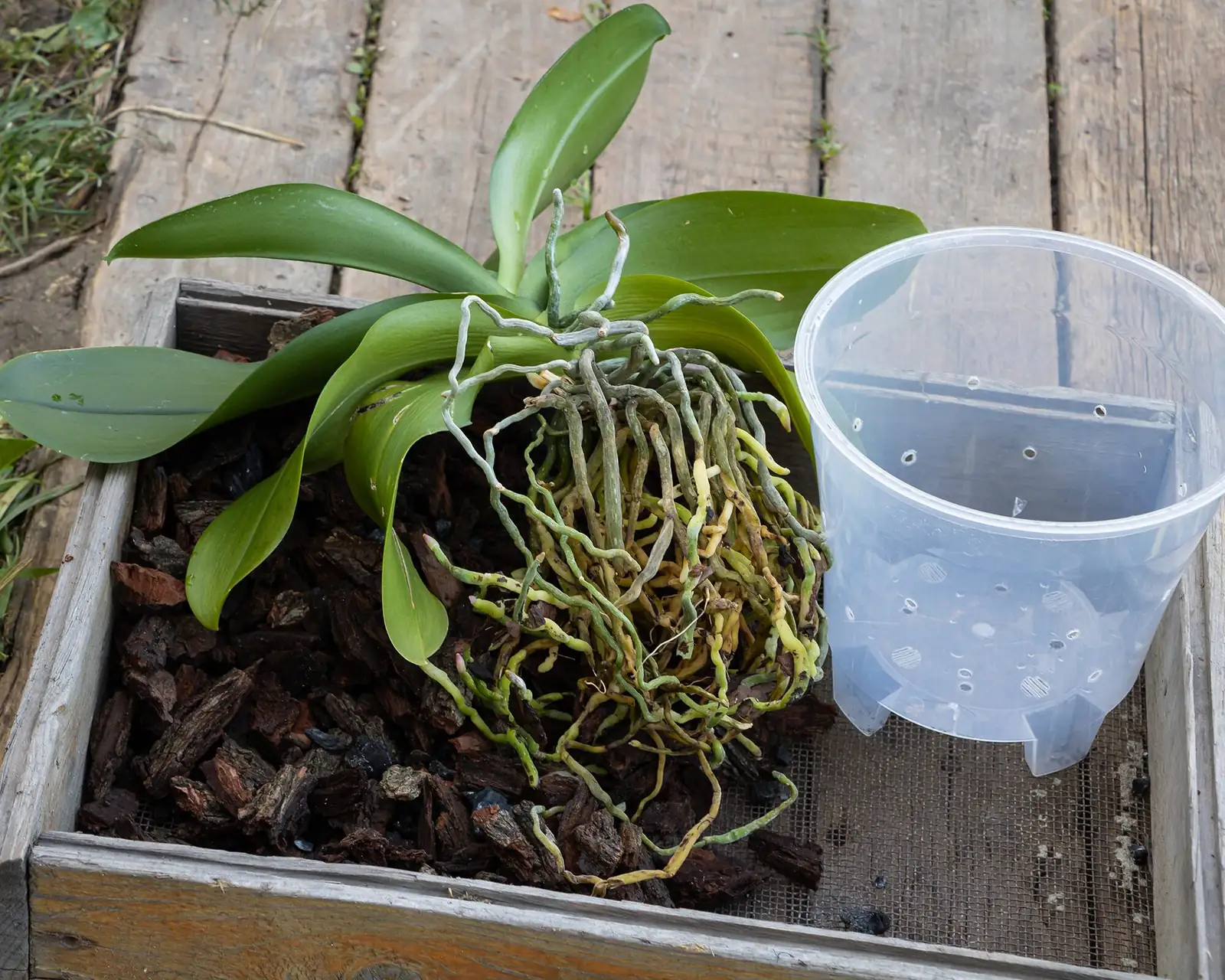
Rot is the silent show-stopper: roots suffocate in soggy or stale media, then the plant dehydrates from the top.
Diagnose
- Roots brown/black and mushy; mix stays wet for days; sour smell
- Root tips blackened can also signal salt burn or previous drought stress
- Pseudobulbs wrinkled despite frequent watering
Emergency rescue (fast, clean, and airy)
- Unpot and rinse away all media.
- Trim dead roots back to firm tissue with sterile tools.
- Treat cuts and remaining roots with an orchid‑safe fungicide per label.
- Repot snugly in fresh, airy orchid media:
- Fine-to-medium bark with perlite/charcoal; add a touch of sphagnum if your air is dry.
- Use a pot just big enough for the current roots (many home plants are happy in 12.5–15 cm / 5–6 in).
- Aftercare
- Bright shade for 1–2 weeks; go easy on water (light misting only) to let cuts heal.
- Then resume thorough soak‑and‑drain watering as the surface approaches dryness.
- Boost humidity to 40–60% with good airflow. Reduce or pause feeding until new roots tip out.
- Prevention
- Repot every 1–2 years before the mix breaks down.
- Water rhythmically; never let the pot sit in water.
- If tap water is very hard, use rain or distilled and flush the pot occasionally to prevent salt buildup.
—
Your fast prescriptions: water, media, light, humidity
Watering rhythm (the make-or-break habit)
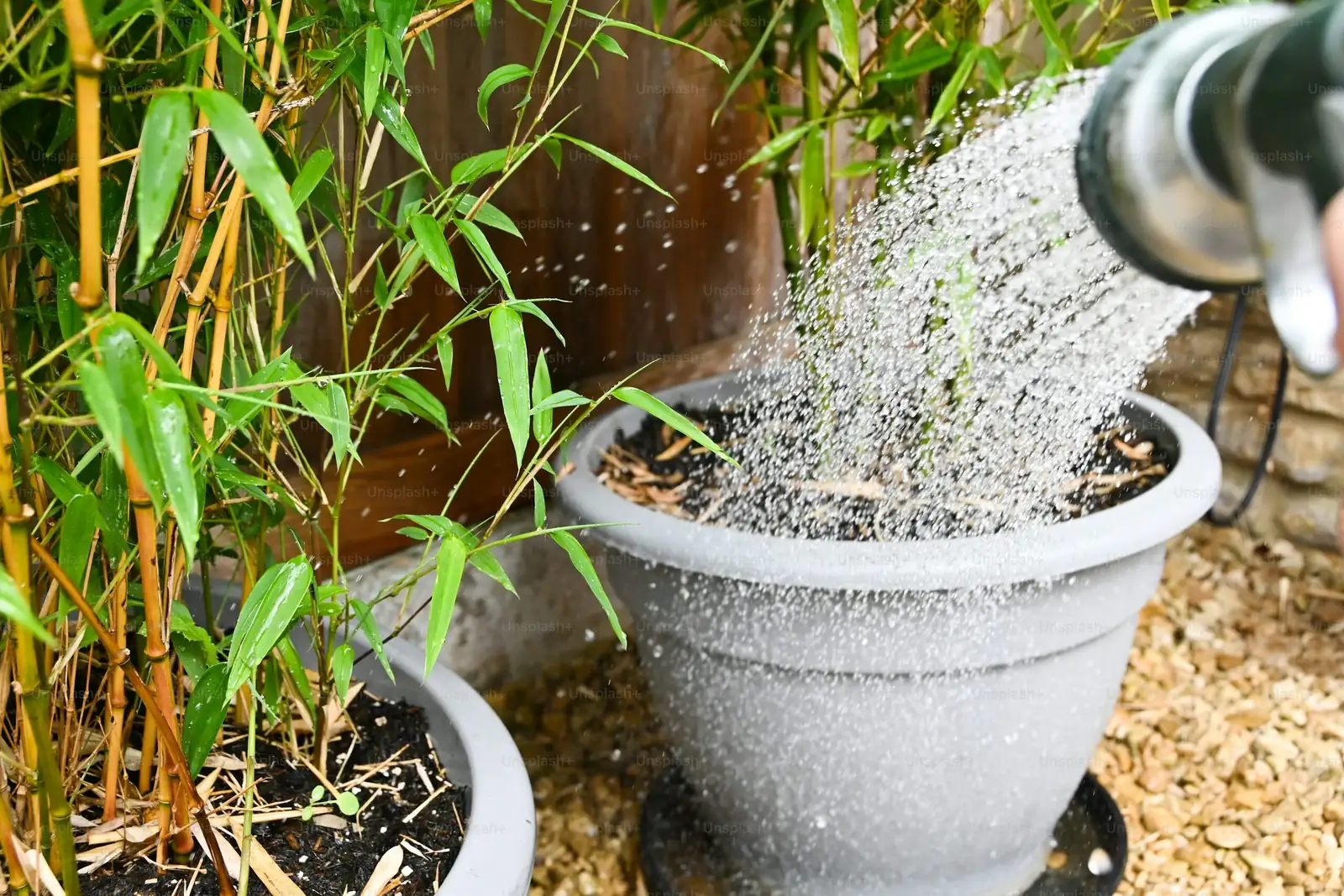
- Active growth (indoors): often 2–3× weekly; outdoors in summer heat can be about every 2 days.
- Budding/flowering: keep moisture more consistent—do not let it dry hard.
- Winter slow-down: reduce strongly; in some setups, as little as roughly monthly. If temperatures drop below about 10°C (50°F), keep very dry to prevent rot.
- Always water thoroughly and let excess drain completely. Never leave water in the cache pot.
Media and pot
- Use a fast-draining orchid mix: fine-to-medium bark with perlite/charcoal; add a little sphagnum for moisture balance if your home is dry.
- Snug pots are best; avoid upsizing “for future growth.”
- Mounted plants look fantastic but dry faster—be prepared to water/mist much more often.
Light and temperature
- Bright, filtered/indirect light; avoid harsh midday sun. Indoors, an east window is ideal; a lightly shaded south/west window can work.
- Comfort range: 12–25°C (54–77°F), with cooler nights and warm days. Keep above ~8°C (46°F) in winter. If near 10°C (50°F), keep the medium quite dry.
Humidity and airflow
- Aim for 40–60% humidity with gentle air movement.
- Pebble trays, a small humidifier, and light morning misting help—just ensure leaves dry within a few hours.
Nutrition and salts
- Feed lightly during active growth: balanced orchid fertilizer every 2 weeks at low strength, or ~1/4 strength every 2–3 waterings.
- Flush with plain water occasionally to prevent salt buildup, especially if you notice darkened root tips.
—
Prevention plan: keep the performance going
- Spring: brighter filtered light; resume regular watering as new growth starts; begin light feeding.
- Summer: provide seasonal shade (30–50%); strong airflow; water more frequently in heat.
- Autumn: many hybrids bloom—hold moisture steady and stake spikes gently if they flop.
- Winter: most slow down—keep cooler and bright, reduce watering sharply; avoid cold, wet roots.
- Repot/divide: every 1–2 years or when the mix breaks down. For division, give each piece 3–4 healthy pseudobulbs for faster recovery.
- Pests/disease watch: scale, mealybugs, mites, and aphids like tender growth. Treat with insecticidal soap or horticultural oil; improve airflow and refresh media if spotting or rot appears.
—
Expectations and recovery timelines
- Wrinkled bulbs: old ones rarely plump up; judge success by firm leaves and swelling new growth within weeks.
- After rot rescue: new root tips should appear in 2–6 weeks under bright, gentle conditions.
- Stalled spikes: with better light and steadier moisture, watch for renewed elongation in 1–3 weeks—if the season is right.
—
A brief note on “flower language”
The “Dancing Lady” nickname—and the cheerful symbolism that follows—comes from those skirted lips that look like tiny yellow dancers in mid‑twirl. Culturally, Oncidium-type orchids are linked to joy, celebration, and lively elegance. It’s more a modern, visual association than an ancient doctrine, but it fits their exuberant, branching sprays that can carry dozens (even hundreds) of blooms on a well-grown plant.
—
Quick reference: symptom-to-action grid
- Wrinkled pseudobulbs → Check roots and mix; increase watering rhythm and humidity; repot if media is stale or roots are mushy.
- Bud blast → Keep moisture steady; raise humidity with airflow; avoid heater drafts and big moves; bright filtered light.
- Stalled spike → Increase filtered light; maintain even moisture; feed lightly; don’t repot mid-spike; be mindful of season.
- Root rot → Unpot, trim, fungicide, fresh airy mix, snug pot; shade and go easy on water 1–2 weeks; then resume a steady rhythm.
Give your Dancing Lady a fresh, airy stage, bright filtered light, and a reliable beat of water and humidity. With those cues in place, the show almost always goes on.