

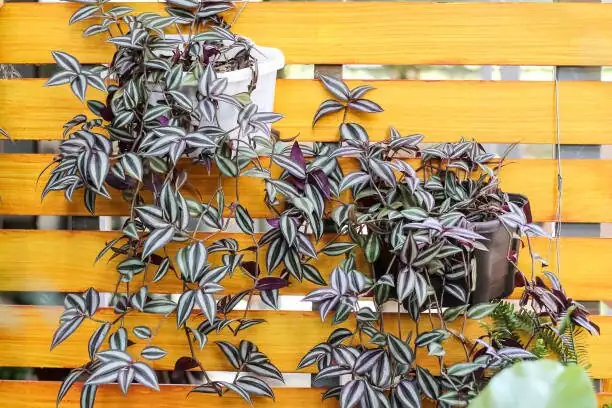
Think of Tradescantia zebrina as living watercolor—silver racing stripes over green, with a royal-purple underside that glows when the light is just right. In frost-free gardens (USDA Zones 10–12), it’s a dream for instant color—and a doer for spilling out of baskets and window boxes. But here’s the rub: it’s also eager to root wherever a stem touches moist soil. This guide shows you how to enjoy every luminous leaf while preventing escape, managing sun and the odd cold snap, and disposing of trimmings in ways that protect local ecosystems.
Meet Tradescantia zebrina (Inch Plant)—beauty with momentum
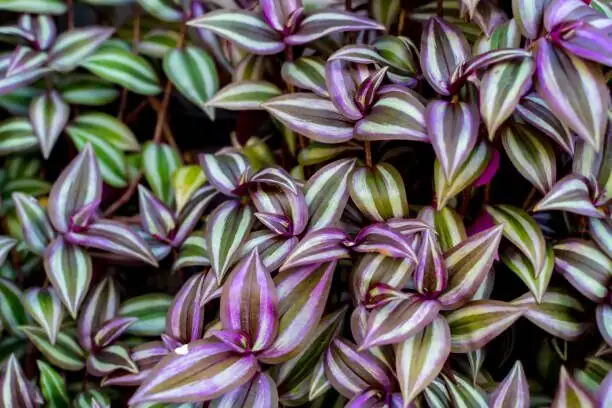
- Botanical name: Tradescantia zebrina (family Commelinaceae); also called Inch Plant, Silver Inch Plant, Wandering Dude, Zebra Plant (Tradescantia).
- Native range: Mexico (often cited with parts of Central America); now naturalized widely in warm regions.
- Habit: Fast, trailing, and creeping; stems root at nodes on contact with moist soil.
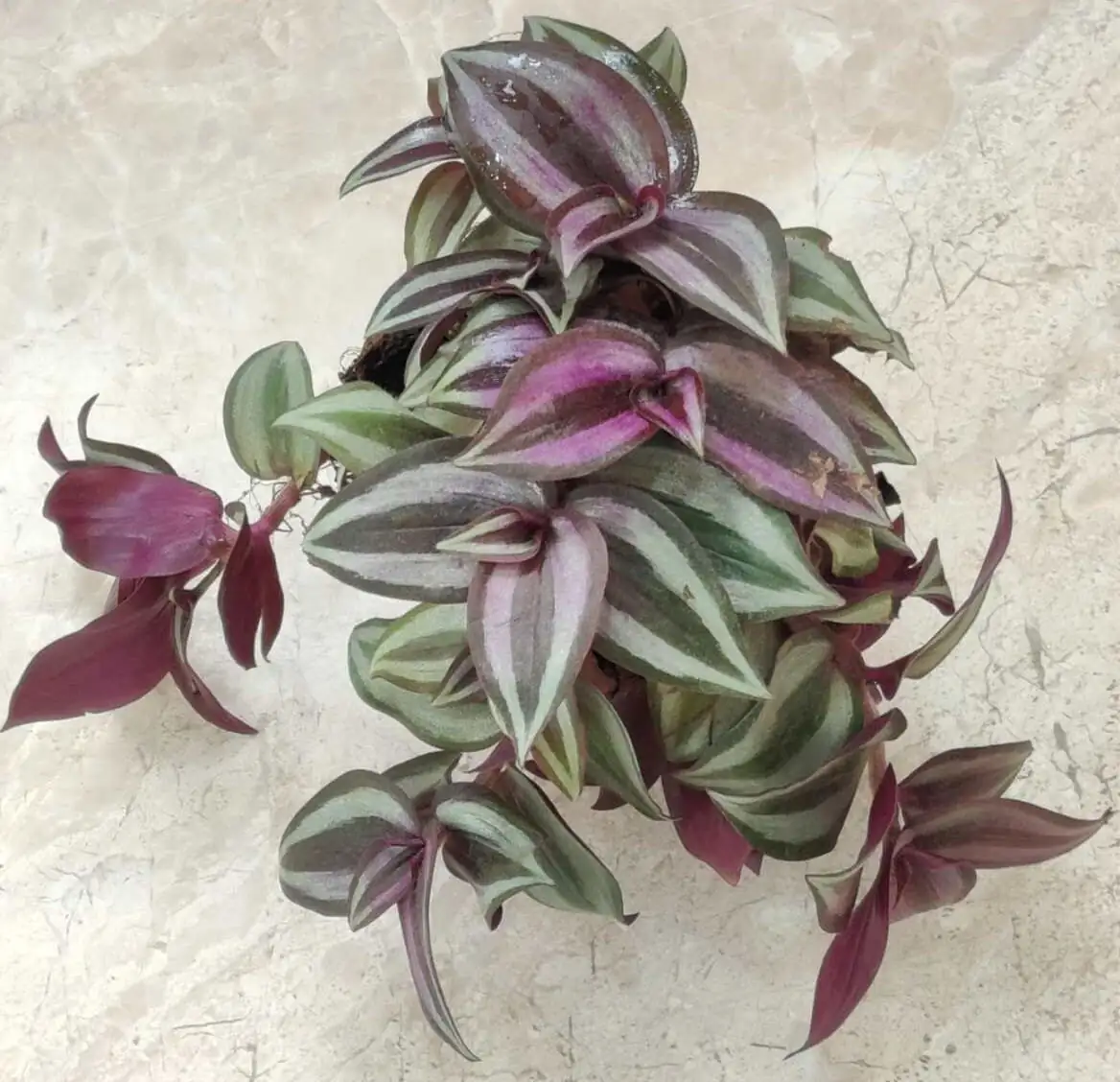
- Why we love it: Bold purple-and-silver striping, effortless cuttings, and a dramatic “spill-over” in baskets. Tiny pink-to-lavender, three-petaled flowers sometimes appear in bright conditions.
- Reality check in Zones 10–12: Frost rarely stops it—so you must.
The responsible grower mindset in frost-free zones
Inch Plant’s superpower is also its risk. Nodes root in days, fragments take off, and a single escapee can start a patch under irrigation. Your mission:
- Keep it containerized or fully contained.
- Prevent any stem from touching soil.
- Trim regularly—and dispose of every scrap responsibly.
Containment strategies that actually work
1) Container-first (best practice)
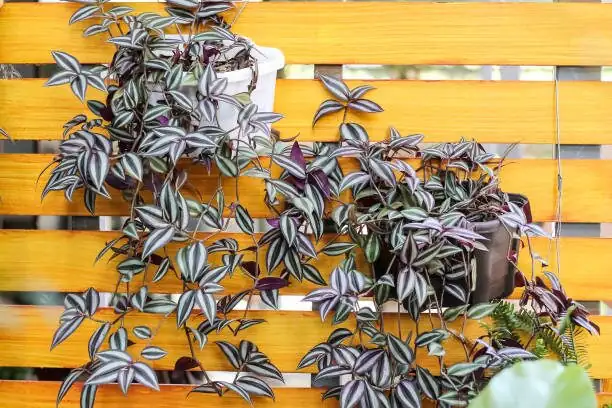
- Hanging baskets and tall planters: Use a breathable 15–20 cm (6–8 in) pot with excellent drainage and a fast-draining mix (general potting mix enriched with perlite at roughly 3:1). Plant 3–5 cuttings for a fuller start.
- The “no-touch skirt”: Maintain a 20–30 cm (8–12 in) air gap between the trailing ends and the ground/bed below; trim proactively so no stem can brush soil.
- Top-dress smartly: A chunky, inert top layer (e.g., lava rock or large orchid bark) keeps fallen nodes from contacting the potting mix surface and rooting where you don’t want them.
- Double-pot for cleanup: Grow in a nursery pot inside a cachepot to catch leaf bits; it also makes cold-snap moves easier.
2) Where to place containers outdoors
- Hardscape is your friend: Set pots on patios, pavers, or shelves—not garden soil. A “landing pad” of stone or a bench keeps breakaway nodes from rooting.
- Create a buffer ring: If a pot must sit near beds, add a 30–60 cm (1–2 ft) gravel apron or stepping stones around it to block rooting escapes.
- Avoid overhead irrigation zones: Sprinklers fling fragments and keep surfaces moist—prime conditions for rooting.
3) If you must “bed” it—contain completely
- Use raised planters with solid bottoms, not open ground. Line sides with landscape fabric and keep a rigid lip so stems can’t flop into adjacent soil.
- Edges matter: Clean, vertical edges prevent “creep-over.” Inspect weekly.
4) Prune with purpose
- Pinch tips early and often to keep plants bushy and to control “reach.”
- Monthly “perimeter sweep”: Snip any scout stems, collect fragments, and check beneath pots.
- Refresh every 1–2 years: Take tip cuttings, re-root, and restart for a neat, full display.
Ethical disposal of trimmings and fragments

Never toss this plant’s leftovers onto the ground or into green waste unless your municipality specifically instructs you to do so in sealed bags.
- Best options:
- Seal-and-bin: Bag securely (double-bag if juicy), label “Do Not Compost,” and place in the landfill trash.
- Solarize to neutralize: Spread trimmings in a clear plastic bag, expel air, seal, and sun-bake on pavement for 2–4 weeks until completely dry and brittle; then landfill.
- Hot-compost only if you truly keep a sustained high-heat core; otherwise, skip home compost altogether.
- During pruning:
- Work over a tarp or table; keep a lined bucket beside you.
- Sweep/vacuum afterwards—those tiny nodes root fast.
- Rinse pruning shears and check shoe treads for hitchhikers.
Microclimates that give color without scorch—or spread
Light sweet spot in Zones 10–12
- Aim for bright, filtered light or light shade. A little gentle morning sun is welcome; harsh midday summer sun can scorch or wash out color.
- Great places:
- East-facing porches and windows.
- Under open pergolas or 30–50% shade cloth.
- Dappled shade under high-branching trees or palms.
- Bright, covered patios where reflected heat is moderated.
- Skip:
- Blazing, reflective walls or pool decks at midday.
- Dense, low shade (color dulls; stems stretch).
Humidity and airflow
- Prefers moderate humidity but adapts well. In very dry air, leaf tips can brown—counter with a humidity tray and good airflow, not constant misting.
Sun, heat, and the odd chill: managing extremes
For color without burn
- Light management: Morning sun + bright shade after 10–11 a.m. in midsummer keeps stripes vivid.
- Fertility finesse: Overdoing nitrogen softens growth and fades color—feed modestly and watch the leaves for feedback.
Cold snaps in “frost-free” areas
- Keep above 10°C (50°F); damage can occur below about 5°C (41°F).
- When a surprise chill looms:
- Move baskets/containers under cover or indoors overnight.
- Cluster pots near a warm wall; use breathable frost cloth if needed.
- Resume normal care once temps rebound—trim any mushy tips.
A simple, sustainable care routine for outdoor containers
Watering
- Water thoroughly, then let the top 2–3 cm (about 1 in) dry before the next watering.
- Spring–autumn: keep lightly, evenly moist—not soggy.
- Winter: growth slows; water sparingly, just to keep the mix slightly moist.
- Always use pots with drainage.
Feeding
- During active growth, feed either:
- Every two weeks at a diluted rate, or
- About once a month at label strength.
- Keep nitrogen moderate to preserve strong striping; occasional bloom-leaning feeds can encourage sporadic flowers in bright conditions.
Pruning and propagation
- Pinch routinely for density.
- Re-root 7–12 cm (3–5 in) tip cuttings—nodes root in roughly a week.
- Plant multiple cuttings together for a lusher pot.
- Remember: contain and dispose of any leftovers responsibly.
Quick containment checklist (Zones 10–12)
- Keep it in containers or fully contained raised planters.
- Maintain a no-soil “air gap” beneath trailing stems.
- Top-dress pots with chunky, inert material.
- Prune monthly; collect every fragment.
- Bag-and-bin trimmings or solarize before binning.
- Inspect irrigation areas and hardscape edges after wind or pruning.
- Wear gloves if you’re sap-sensitive; keep out of reach of pets and kids.
Safe and considerate growing
- Skin/pet safety: The sap can irritate sensitive skin; ingestion may cause mild mouth or stomach upset in pets or children. Wear gloves if you’re prone to irritation, and site plants out of reach.
- Community-minded choices: Share cuttings with a care card that includes containment and disposal tips. Check local guidance if your area lists Tradescantia among species of concern.
Name notes and a little flower language
- About the names: You’ll see a mix of common names in circulation. Many growers prefer neutral options like Inch Plant or Wandering Dude.
- Symbolism (the “flower language” angle): Gardeners often link this plant with resilience and adaptability. It bounces back from a hard trim, roots wherever life gives it a node, and keeps its color under thoughtful care. This isn’t a formal, historic “花语” tradition so much as a modern gardener’s reading—an affectionate nod to a plant that thrives with minimal fuss and a bit of guidance.
Troubleshooting for responsible growers
- It’s getting leggy and pale: Increase bright, indirect light; pinch tips to branch. Avoid high nitrogen feeds.
- Older leaves are yellowing at the base: Normal with age—time for a refresh. Take tip cuttings, replant several together, and compost only if you run a verified hot compost system; otherwise, bag and bin.
- Can I let it trail to the ground “just a little”? In Zones 10–12, that’s all it needs to root and wander. Keep a strict air gap and trim often.
- I found a piece on the patio—what now? Bag it. Even a short, node-bearing fragment can root if it reaches moist soil.
Grow Tradescantia zebrina like a pro, and like a good neighbor: containers up high, colors dialed in, trimmings sealed tight. You get all the shimmer and none of the spread.