

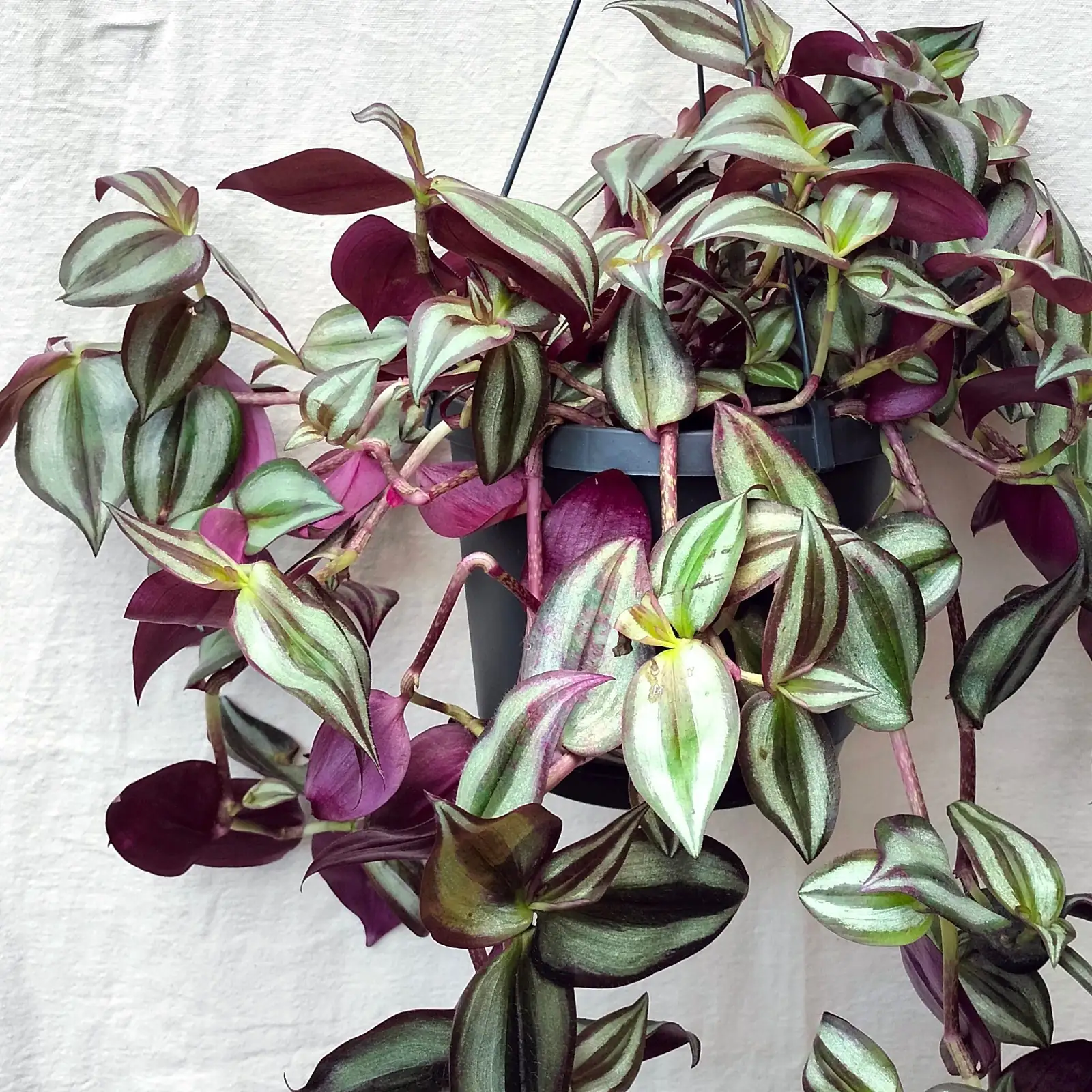
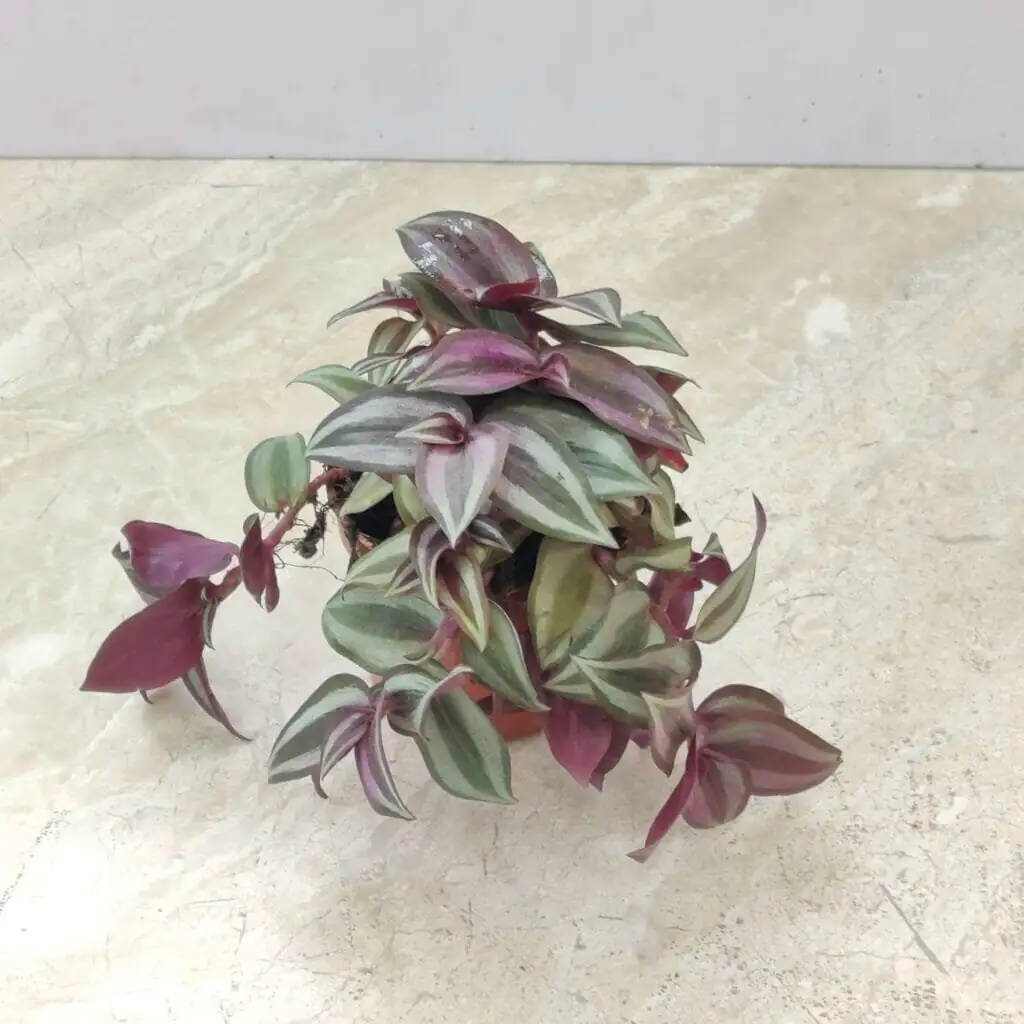
Consider this your design brief for a plant that behaves like living fabric: Tradescantia zebrina (aka Inch Plant) drapes, shimmers, and brings instant movement to tight spaces. Those metallic silver streaks and velvety purples beg to be spotlighted—without the scorch of harsh sun or the nibbling curiosity of pets and kids. Here’s how to compose with height, light, and container color so your stripes sing.
Meet the muse: Tradescantia zebrina, the stripe that spills
- Common names: Inch Plant, Silver Inch Plant, Wandering Dude, Zebra Plant (Tradescantia)
- Family: Commelinaceae; Genus: Tradescantia
- Origin: Native to Mexico (often also cited with parts of Central America). Widely naturalized in warm regions worldwide.
- Habit: A fast, forgiving trailer with cascading stems that root at the nodes. Indoors it typically sits about 6 inches tall and trails 12–35 inches; expect a 24-inch spill with good light and pruning.
- Bonus: With enough light, it may toss out tiny three‑petaled flowers in pink to lavender.
Design takeaway: Think of it as a patterned textile—best elevated, draped, and lit like a statement scarf rather than a floor-length curtain lost in shadow.
Light that flatters (and protects the pigment)
Silver and purple tones are richest in bright, indirect light. Too little light = color fades and stems stretch; too much harsh sun = scorched, yellowed, or washed-out leaves.
- Best placements
- East window with gentle morning sun.
- Bright north window.
- A few feet back from a bright south or west window, softened by sheer curtains or a light-diffusing blind.
- Small-space trick
- Mount a floating shelf just beside the window frame (not in the beam). The leaf sheen pops without risking mid‑day burn.
- What to avoid
- Strong midday direct sun in summer.
- Deep interior corners where color dulls and growth goes leggy.
Pro move: If your plant’s stripes look muted, slide it closer to filtered light; if edges look crispy or yellowed, pull it back or add a sheer.
Height = drama: how to stage the cascade
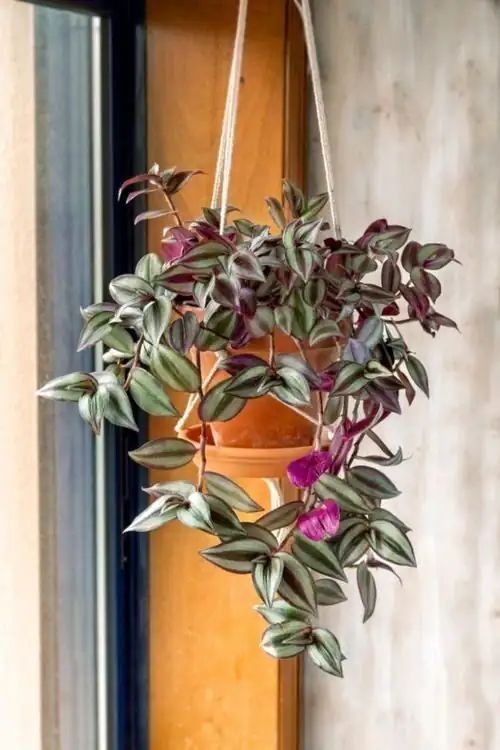
T. zebrina shines when it can spill. Use verticality to transform small footprints into lush volume.
- Eye‑level drama
- Hang a 6–8 inch basket from a ceiling hook or wall bracket so the foliage rests just below eye level. It reads as a living fringe.
- Shelf-to-floor vignette
- Place the pot on a high shelf and let trails drape past the shelf edge by 8–12 inches; trim tips to encourage branching and a fuller “hem.”
- Ladder shelves and picture ledges
- Stagger two or three pots at different heights for a layered textile effect.
- Balcony/porch rail (bright shade only)
- A rail planter under a covered overhang gives morning glow and safe shade later.
Tip for a full silhouette: Start with 3–5 young cuttings in a 6–8 inch pot for an instantly plush look.
Color theory for containers that make stripes sparkle
Container choices can intensify (or mute) those metallic bands.
- High-contrast spotlights
- Matte white or soft cream pots amplify silver striping.
- Charcoal, slate, or black creates gallery contrast that makes purple glow.
- Tonal elegance
- Deep plum, aubergine, or berry ceramics echo the leaf underside for a luxe, monochromatic palette.
- Materials that flatter
- Brushed metal or smoky glass mirrors the plant’s sheen.
- Terracotta warms the palette but may downplay silver; stunning if you prefer a cozier, earthy look.
- Strap and hardware details
- Black leather or brass accents “frame” the foliage in modern interiors.
- Shape that supports the spill
- Bowl-shaped or pedestal planters let stems fan and fall; narrow top rims can bruise tips as they cascade.
Design note: If your room is cool-toned (grays, blues), go white/metal to spotlight silver. In warm rooms (wood, terracotta), a charcoal or plum pot keeps the composition crisp.
Safe, stylish placement away from harsh sun—and curious paws or little hands
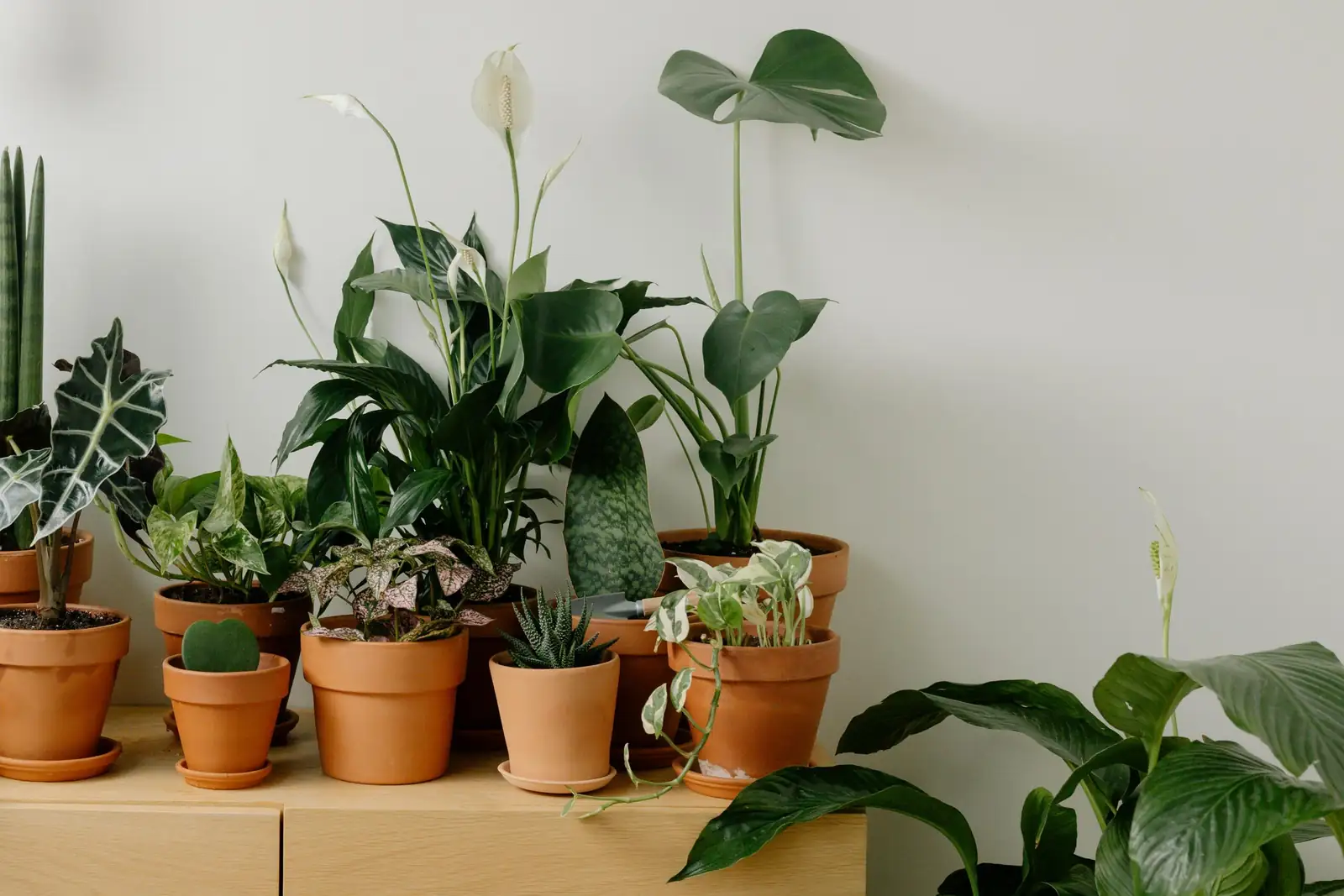
This plant’s sap can irritate skin; if chewed, it may cause mild mouth or tummy upset in pets or kids. Keep it out of reach and away from mid‑day sun.
- Pet- and kid-smart staging
- Hang baskets high, or mount wall planters out of climbing range.
- Use deep floating shelves (upper third of the wall), or inside a glass-front plant cabinet with bright, filtered light.
- Choose corners behind sheer curtains—bright but visually “hidden.”
- Avoid low coffee tables, toy zones, and cat highway shelves.
- Tidy the trails
- Trim back stems that start to dangle within reach; pruning also boosts fullness.
Water, soil, and humidity—care that keeps color couture
- Watering
- Water thoroughly, then drain completely. Rewater when the top 2–3 cm (about 1 inch) of mix feels dry.
- Spring–autumn: keep lightly and evenly moist, never soggy.
- Winter: water less; aim for slightly moist.
- Clues: Brown tips often mean underwatering or very dry air; limp, mushy nodes suggest overwatering.
- Soil
- Use a loose, fertile, fast-draining mix. A simple formula: about 3 parts general potting mix to 1 part perlite or coarse sand.
- Always choose a pot with drainage.
- Humidity
- Prefers moderate humidity (around 50%+), but adapts to normal homes. In very dry air, occasional misting is fine if airflow is good, or set on a humidity tray.
- Temperature
- Sweet spot: 18–22°C (64–72°F). Indoors, 12–24°C (54–75°F) is workable. Keep above 10°C (50°F) and away from cold drafts.
Small-space hack: A slim pebble tray tucked behind a lamp adds humidity without taking visual real estate.
Grooming: the haircut that makes it hotter
Regular pinching is your styling secret. Inch Plant responds to a trim like a runway model to a great tailor.
- Pinch tips every few weeks to trigger branching and a denser cascade.
- If it gets leggy or bare at the base, cut stems back hard and re-root the healthiest tips to restart the pot.
- Expect a refresh every 1–2 years indoors; this plant loves a makeover.
Propagation for lush fullness (and free plants)
It couldn’t be easier.
- Take 3–5 inch (7–12 cm) cuttings, remove lower leaves, and root 1–2 nodes in water or directly into moist potting mix/perlite.
- Roots appear in about 7–10 days.
- Plant multiple rooted cuttings together for instant volume.
Designer’s move: When you trim for shape, immediately tuck those tips back into the pot’s surface. They’ll root at the nodes and thicken the crown.
Troubleshooting the look
- Faded stripes, stretchy stems
- Cause: Not enough light. Move to brighter, filtered light; pinch to rebuild density.
- Scorched or yellowed patches
- Cause: Harsh midday sun. Add a sheer or pull back from the window.
- Brown leaf tips
- Cause: Underwatering or very dry air. Water a touch sooner and add humidity with airflow.
- Washed-out colors after feeding
- Cause: Too much nitrogen. Scale back and return to balanced, modest feeding.
- Pests (spider mites, mealybugs, aphids, scale)
- Rinse the plant, then treat with insecticidal soap or horticultural oil. Improve airflow and repeat as needed.
Feeding and seasonal rhythm
- Feeding
- Spring to early autumn: either feed every 2 weeks at a dilute rate or about once a month at label strength. Avoid high nitrogen; it softens growth and fades color.
- Want blooms? A bloom-leaning feed a few times in the growing season can help.
- Seasonal cues
- Spring: increase light and watering; pinch tips; begin feeding.
- Summer: bright filtered light, steady moisture, airflow for humidity.
- Autumn: taper water and feed as growth slows.
- Winter: keep above 10°C (50°F), protect from drafts, water lightly.
Pot size, spacing, and repot strategy
- For a standard 6–8 inch pot or hanging basket, start with 3–5 cuttings for a full look.
- Repot in spring every 1–2 years, refreshing with a fast-draining mix.
- Many growers skip potting up and instead restart with fresh cuttings for the fullest silhouette.
Outdoor note (if you have a frost-free balcony)
- Frost-tender; suitable outdoors year‑round mainly in USDA Zones 10–12.
- In warm climates it can spread and naturalize—dispose of trimmings responsibly.
A brief cultural note on names
You’ll see older references to a common name that’s widely considered offensive today. Many growers now use “inch plant” or “wandering dude,” both friendly and widely recognized.
Symbolism and the so‑called “flower language”
Tradescantia zebrina is often associated with resilience and adaptability—likely because it roots so readily at nodes and bounces back beautifully after a haircut. While “flower language” traditions aren’t botanical facts and vary by culture, the plant’s habit of regenerating from small cuttings lends it a modern symbolic read: resourcefulness, renewal, and hope. Indoors, its occasional three‑petaled pink‑lavender blooms become subtle reminders that good light and gentle care yield quiet rewards.
Quick style checklist
- Light: Bright, indirect; gentle morning sun is fine. Avoid harsh midday sun.
- Height: Hang high or shelf-stage at eye level for the best cascade—and out of reach of pets/kids.
- Pot color: White/cream for silver pop; charcoal/black for gallery contrast; plum for tonal elegance; metal or smoky glass for shimmer.
- Water: When the top 1 inch dries; keep lightly moist, never soggy.
- Prune: Pinch often for density; refresh tired pots with re-rooted tips.
- Safety: Keep out of reach. Sap can irritate skin; ingestion may cause mild mouth or stomach upset.
Compose with light, height, and color, and your Tradescantia zebrina will repay you with a waterfall of silver-purple stripes that looks curated, not crowded—perfect for compact homes with big style.