

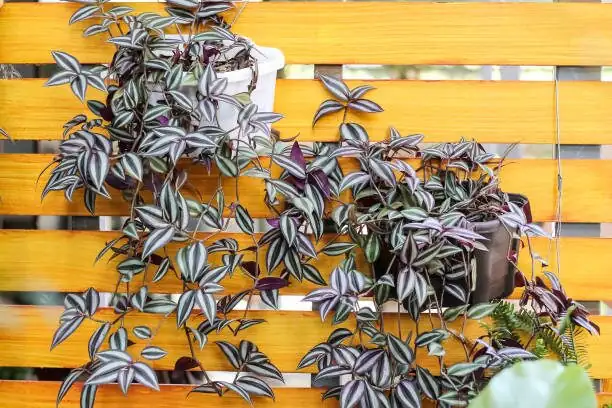
Meet Tradescantia zebrina, the fast-growing, silver-and-purple showboat that loves to spill from shelves and baskets. Keep its stripes saturated and its form compact with this practical, upbeat blueprint—light placement, watering rhythm, humidity boosts, feeding rules, a no-fuss soil recipe, and easy pruning cues included.
Light Positioning: Where to Park Your Plant for Bold Stripes
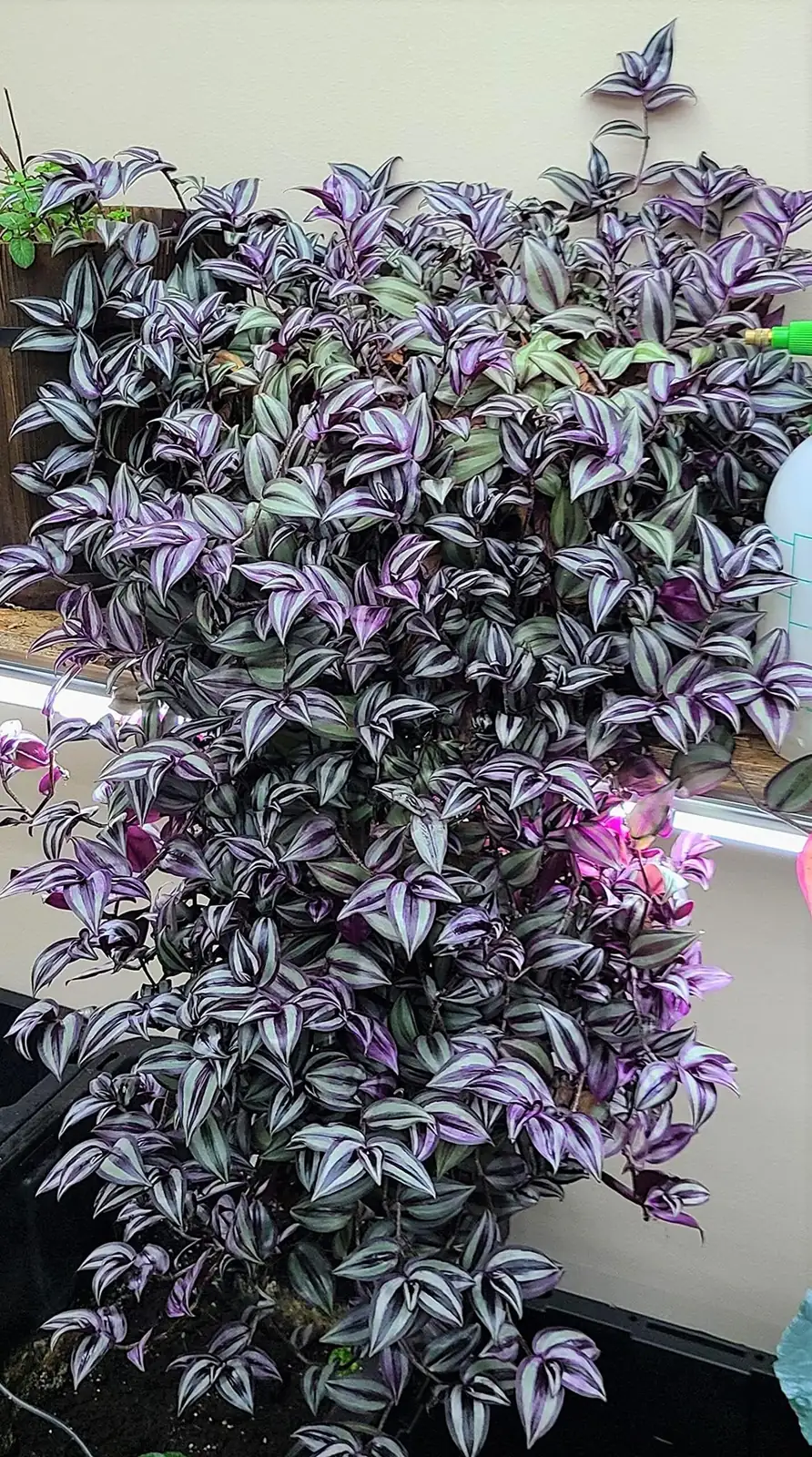
- Best spot: bright, indirect light to light shade. Think an east- or north-facing window, or any bright spot with filtered light.
- A little sun is fine: gentle morning sun perks up color. Shield from harsh midday rays, especially in summer, which can scorch or wash out leaves.
- Distance guide:
- East window: right on the sill or within 30–60 cm (1–2 ft).
- South or west window: set back 1–2 m (3–6 ft) or use a sheer curtain.
- Rotate weekly for even striping and compact growth.
Telltale signs:
- Stripes fading, stems stretching = needs more light.
- Leaves yellowing or bleached = too much direct sun.
- Dense, richly colored growth = you nailed it.
Watering Rhythm by Season
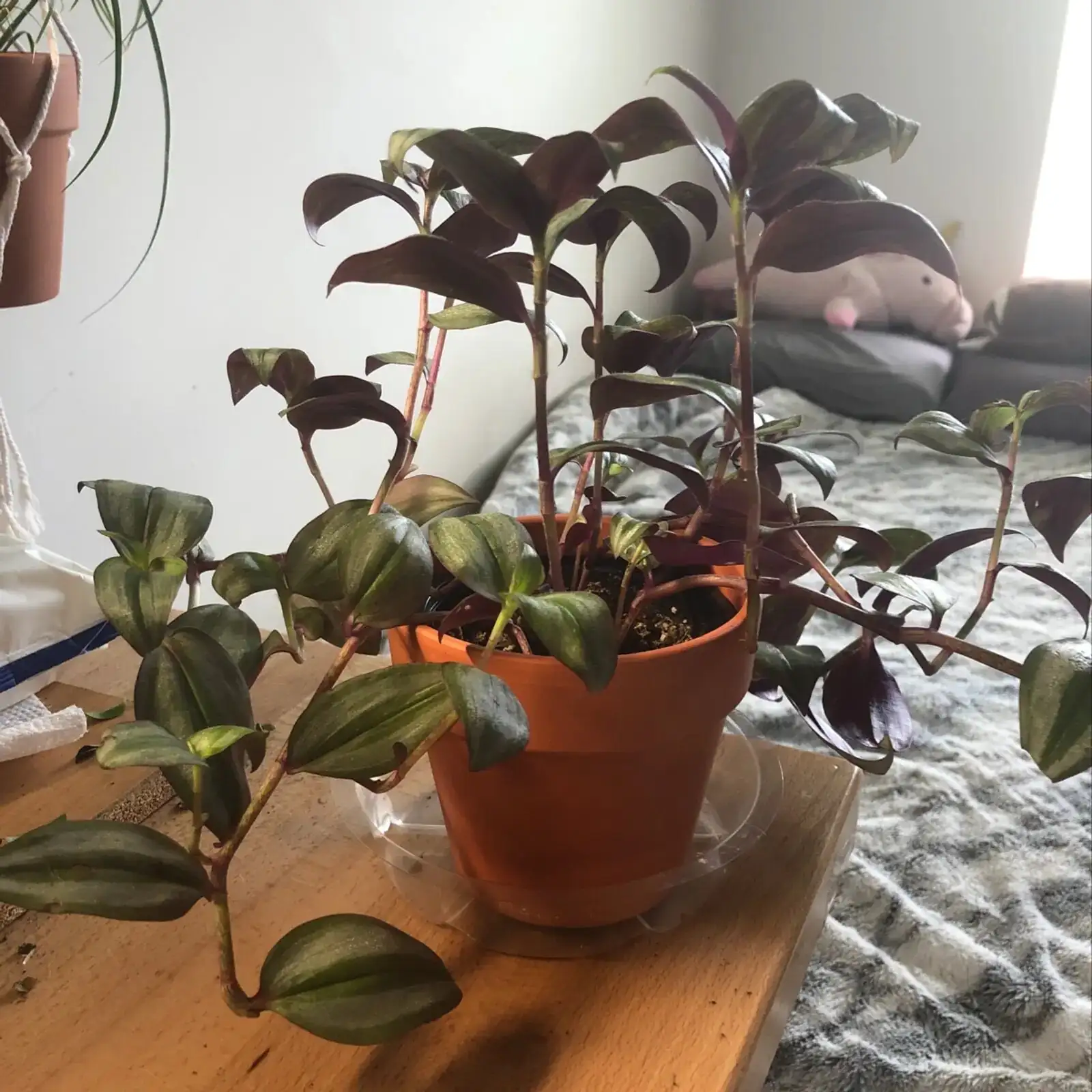
Aim for “lightly and evenly moist,” never soggy.
- Universal rule: water thoroughly, then let excess drain. Water again when the top 2–3 cm (about 1 inch) feels dry.
- Spring–summer: the thirstiest phase. Expect more frequent waterings; check soil every few days.
- Autumn: slow the pace as growth eases.
- Winter: cool, shorter days mean less water. Keep the mix just slightly moist.
Pro tips:
- Use a pot with drainage—nonnegotiable to prevent rot.
- Learn the pot’s “weight”: light pot = likely time to water.
- Crispy tips and dullness = often underwatering or very dry air.
- Mushy stems or a swampy smell = overwatering; let dry slightly more between drinks and improve drainage.
Humidity Hacks (With Airflow)
- Sweet spot: moderate humidity around 50%+, but this plant adapts to average home air.
- Simple boosts:
- Pebble tray with water under the pot (pot sits above waterline).
- Group plants or run a small humidifier nearby.
- Light morning misting is OK if room air circulates well.
- Keep it out of blasting vents and cold drafts. Dry air can encourage spider mites and crispy tips—wipe leaves occasionally to deter pests and dust.
Fertilizer: Dos and Don’ts for Vivid Color
- When to feed: spring to early autumn during active growth.
- Two workable schedules:
- Every 2 weeks at a diluted rate, or
- About once a month at label strength.
- Keep it balanced: avoid heavy, high-nitrogen feeding—it can soften growth and fade that purple-and-silver.
- Flower nudge: if you’re chasing those tiny pink-to-lavender blooms, a bloom-leaning feed (a bit higher in phosphorus/potassium) a few times in the season can help.
- Skip feeding in winter. Flush the pot with clear water occasionally to prevent salt buildup.
The Foolproof Mix Recipe (And the Right Pot)
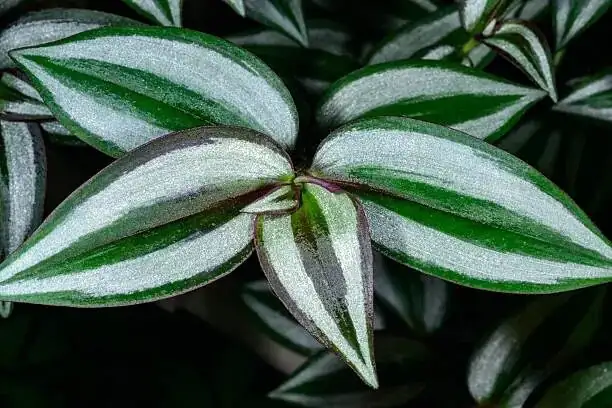
- Go-to recipe: 3 parts quality houseplant potting mix + 1 part perlite or coarse sand.
- Optional texture: a small handful of fine orchid bark adds extra airiness.
- Pot choice: always use drainage. A breathable 15–20 cm (6–8 in) pot or hanging basket suits a full, trail-ready plant.
- Repot/refresh: in spring every 1–2 years. Many growers simply replant fresh tip cuttings for a plush reset.
Pruning Cues: Keep It Compact and Color-Saturated
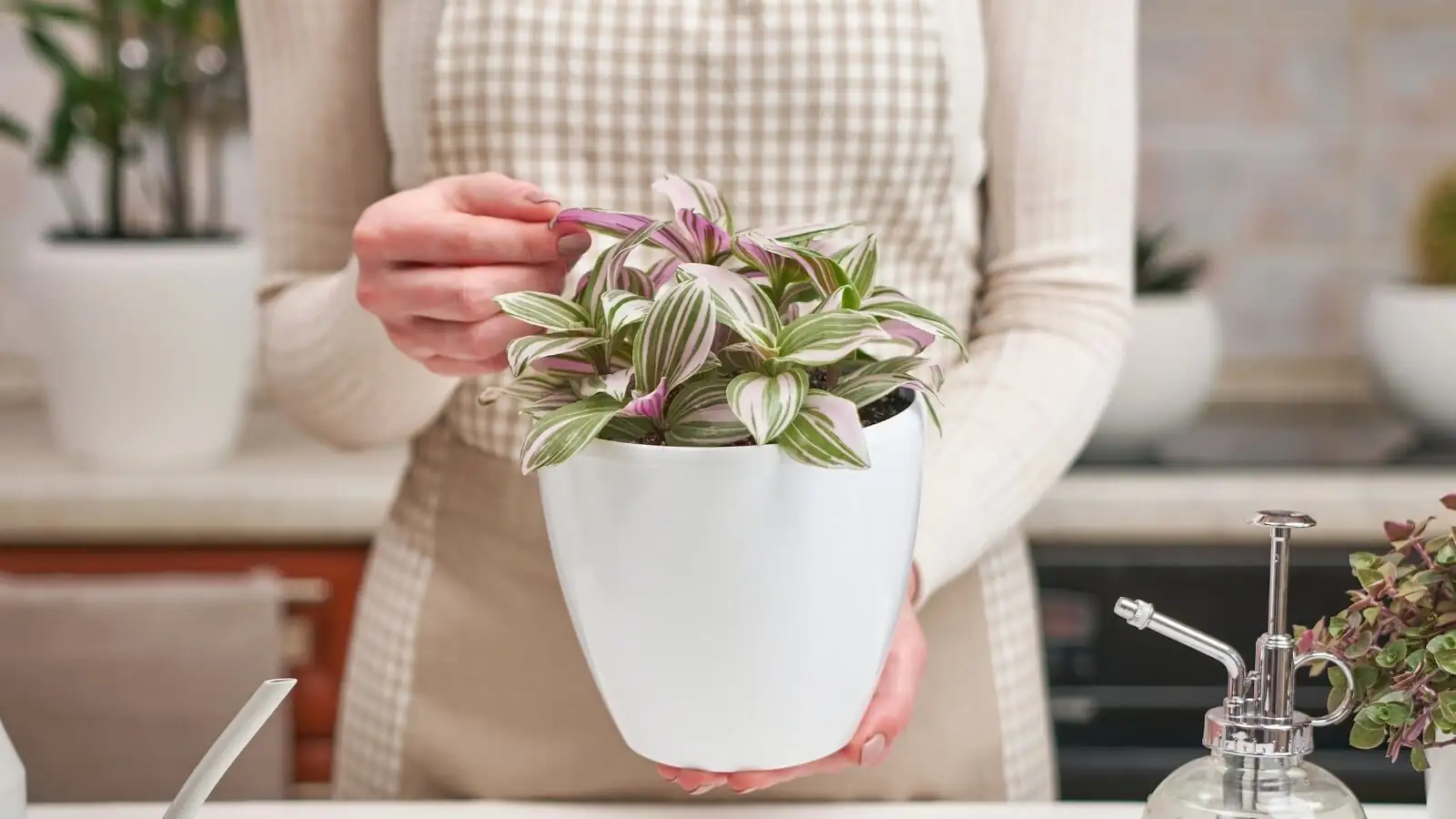
Tradescantia zebrina looks its best with regular haircuts.
- Pinch for bushiness: once stems reach 15–20 cm (6–8 in), pinch the growing tip just above a node. Do this every couple of weeks in the growing season.
- Fill the pot fast: plant several cuttings together; 3–5 cuttings in a 15–20 cm (6–8 in) pot builds instant fullness.
- Refresh a scruffy plant: if the base goes bare or stems get lanky, cut back hard and re-root the healthiest tips. A full reboot every 1–2 years keeps it showy.
- Color cues: stronger striping comes from bright, filtered light and sensible feeding. If colors look washed out, increase filtered light and ease up on nitrogen.
Temperature and Placement Cheat Sheet
- Thrives around 18–22°C (64–72°F); tolerates about 12–24°C (54–75°F).
- Keep above 10°C (50°F); damage can occur below ~5°C (41°F).
- Indoors: near bright east or north windows, or a filtered bright spot anywhere.
- Outdoors (frost-free only, USDA 10–12): bright shade or gentle morning sun; avoid strong summer sun.
Propagation Fast-Track (It’s Almost Too Easy)
- Snip 7–12 cm (3–5 in) tips, remove the lowest leaves.
- Root 1–2 nodes in water or directly in moist potting mix/perlite.
- Roots pop in about 7–10 days. Pot multiple rooted cuttings together for an instant lush look.
- Bonus: the plant naturally roots at nodes where stems touch moist soil—use that to your advantage for thick cascades.
Quick Troubleshooting
- Leggy, mostly green growth: move to brighter, indirect light and start pinching.
- Yellowing older leaves near the base: normal aging; trim and encourage new side shoots.
- Brown, crispy tips: often dry air or inconsistent watering—raise humidity slightly and keep soil lightly moist.
- Soft, collapsing stems: overwatering or poor drainage—improve the mix and let the top inch dry before the next soak.
- Sparse trailing: plant more cuttings and pinch regularly.
Pests and Health
- Usual suspects: spider mites, mealybugs, aphids, scale—especially in dry air.
- First response: rinse the plant, then treat with insecticidal soap or horticultural oil, repeating as needed. Improve airflow and avoid chronically wet leaves.
- Disease watch: soggy soil and poor ventilation can cause stem rot or leaf spots. Remove affected parts and keep the mix fast-draining.
Safety Note
- The sap may irritate sensitive skin. Keep away from nibbling pets or kids to avoid mild mouth or stomach upset. Wear gloves if you’re prone to irritation.
A Dash of Meaning and Backstory
Native to Mexico (often also cited in parts of Central America), this resilient trailer is beloved for its bounce-back attitude—trim it hard and it rebounds fuller than before. That tenacity is why many people link it with resilience, adaptability, and hope. You may encounter older common names that are now considered offensive; friendlier names like Inch Plant, Silver Inch Plant, or Wandering Dude are widely used today.
Bring these cues together—bright filtered light, light-and-even moisture, a breezy potting mix, modest feeding, and frequent pinches—and your Tradescantia zebrina will reward you with saturated stripes, compact growth, and the occasional delicate pink-purple bloom.