

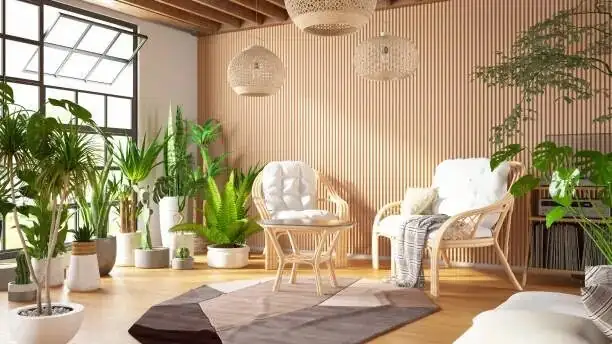
If you love the sculptural calm of “lucky bamboo” yet live with a curious cat or a snack‑seeking pup, you’re in the right place. Here’s a stylish, pet‑parent guide to enjoying Dracaena sanderiana without the worry—plus smart placement ideas, clever barriers, and chic, pet‑safe look‑alikes that give you the same vibe.
Meet “Lucky Bamboo,” the not‑actually‑bamboo
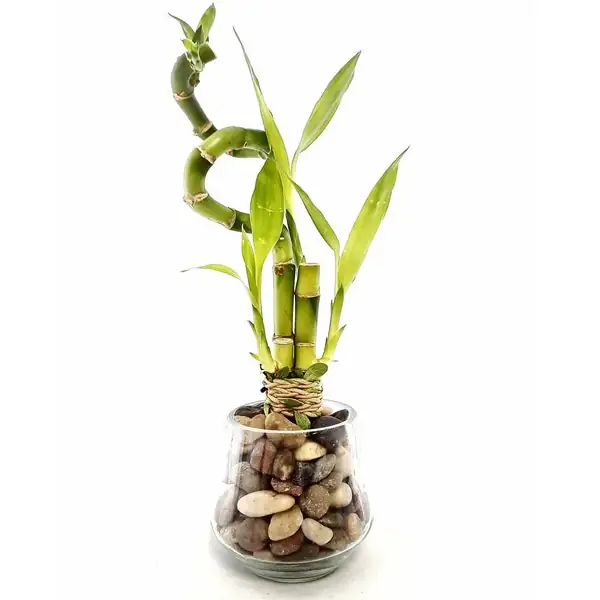
- Botanical profile: Dracaena sanderiana (family Asparagaceae), also sold as Lucky Bamboo, Ribbon Dracaena, Belgian Evergreen, Ribbon Plant, Sander’s Dracaena.
- Origin story: West Africa—not Asia, and not a true bamboo.
- The look: Upright, bamboo‑like canes with glossy green leaves (variegated forms have crisp striping). Frequently trained into spirals or braids and often grown in water in vases or bowls.
- Why it’s everywhere: Warmth‑loving, easy indoors, and responds well to pruning. A décor classic for desks, living rooms, reception areas, and feng‑shui‑style gifts.
The pet‑safety headline: Dracaena is toxic to cats and dogs
Dracaena sanderiana contains saponins that can irritate pets’ GI tracts if chewed.
Typical signs if a pet nibbles
- Drooling and hypersalivation
- Vomiting (occasionally with blood)
- Reduced appetite, lethargy or depression
- Cats may show dilated pupils
While many cases are mild, any ingestion warrants attention.
What to do if it happens
- Remove any plant bits from your pet’s mouth and offer water to rinse.
- Call your veterinarian or the ASPCA Animal Poison Control Center at 888‑426‑4435 for guidance.
- Do not induce vomiting unless a professional instructs you to.
- Keep a photo or sample of the plant to help your vet identify it quickly.
Pro tip: Pets may also drink from decorative vases. Keep lucky bamboo water out of reach and go extra light on any nutrients in water culture.
Style‑first placements that keep pets safe
Lucky bamboo thrives in bright, indirect light and warm rooms (about 18–30°C / 64–86°F). Use that to your advantage and place it where pets can’t reach.
- High style, high shelves
- Floating shelves above seating height or the top tier of a bookcase
- East‑facing windows with a sheer curtain (great filtered light)
- The “gallery” approach
- Wall‑mounted planters with drip trays
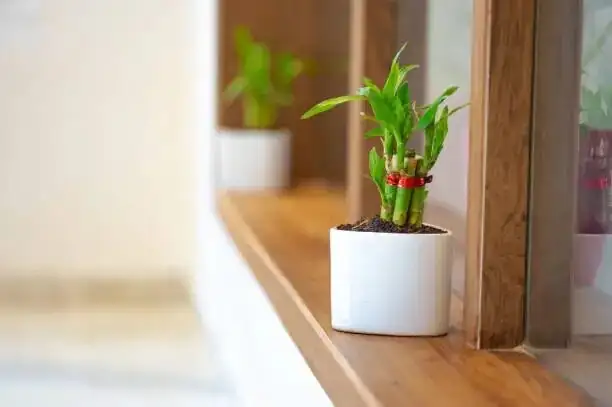
- Window shelves with suction‑cup supports (outside paw range)
- The bathroom spa
- Bright bathrooms give welcome humidity; place on a vanity niche or high ledge
- Console or buffet styling
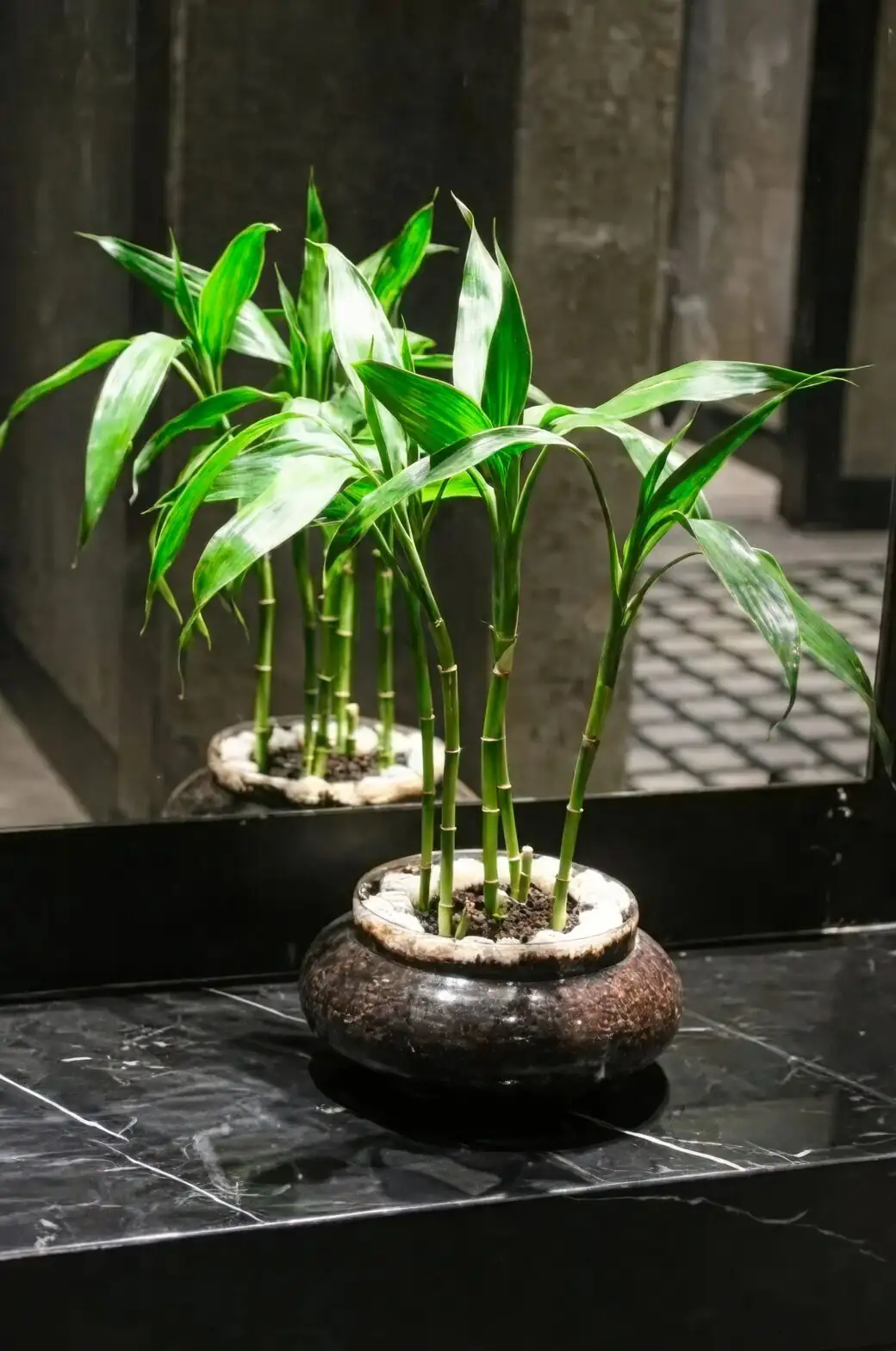
- Keep arrangements centered and backed by a wall mirror; add a narrow ledge or riser that pets can’t jump onto from adjacent furniture
Avoid harsh direct sun (especially midsummer through glass), cold drafts, and AC vents.
Barriers and training that actually work
Build layers of protection so the plant looks intentional—not off limits.
Beautiful physical barriers
- Greenhouse cabinets (the décor favorite)
- Glass‑front cabinets with latch doors and grow lights if needed
- Cloches and bell jars
- Perfect for small spiral arrangements; ventilation holes help reduce condensation
- Tall, narrow‑neck vases
- Limit snacking and “vase sipping”; add a mesh disc or florist’s frog under decorative pebbles to shield roots
- Hanging planters and ceiling shelves
- Keep at least 5–6 feet off the floor and out of “launch zones”
- Terrarium‑style cases or acrylic display boxes
- Ideal for tabletop arrangements; wipe condensation and refresh air regularly
Behavioral nudges
- Offer a sanctioned snack: a pot of fresh cat grass near your cat’s favorite sunspot
- Make the site boring: double‑sided tape on adjacent launching surfaces, or a motion‑activated air puff (pet‑safe) aimed at the jump‑off point
- Bitter anti‑chew sprays on nearby furniture (never on the lucky bamboo itself if you might touch it and then your eyes)
- Rotate enrichment: puzzle feeders and high perches reduce plant curiosity
Safe look‑alike alternatives (keep the vibe, lose the risk)
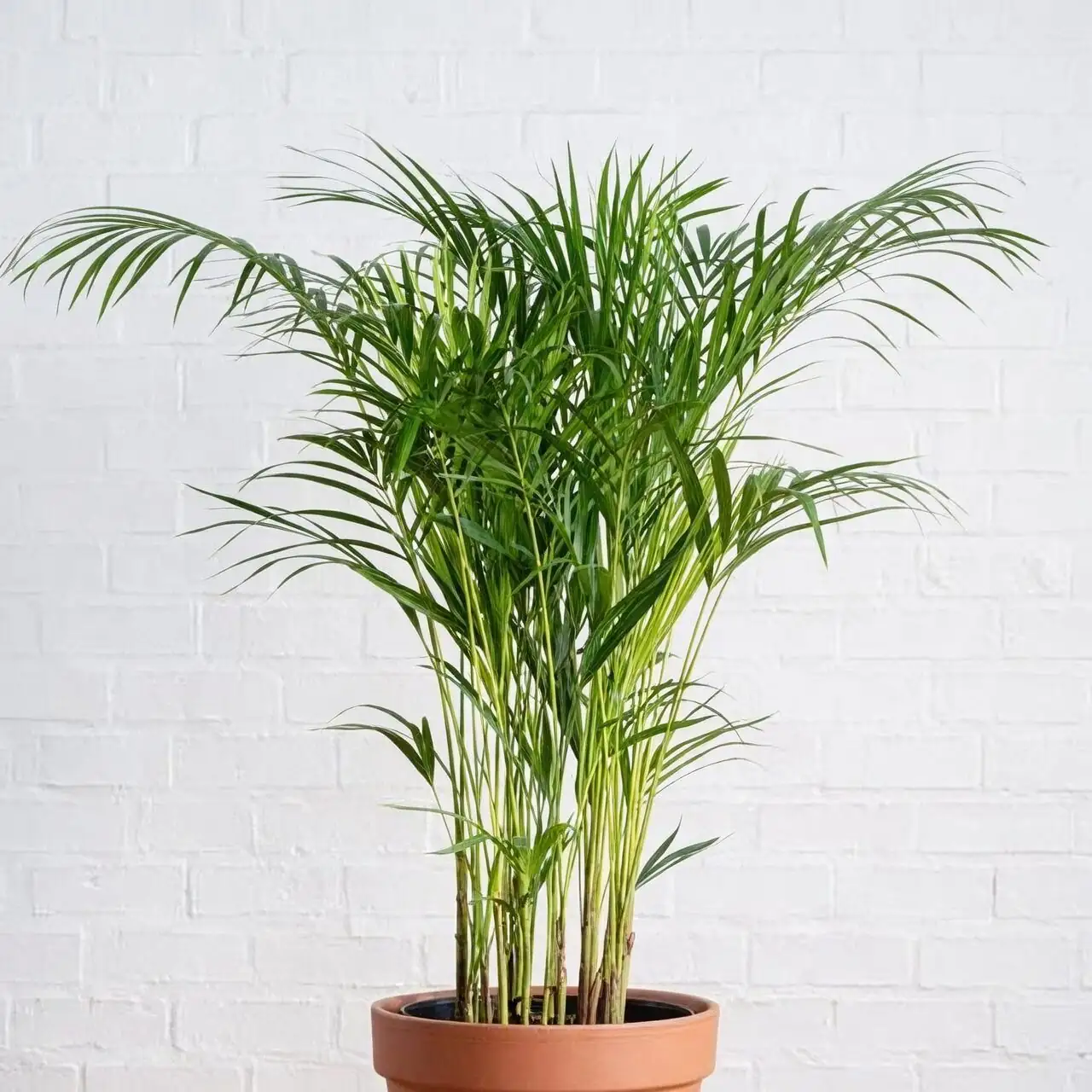
Want the same serene, architectural feel without worrying about saponins? Try these pet‑safe stand‑ins.
- Parlor palm (Chamaedorea elegans)
- Why you’ll love it: Graceful, bamboo‑like stems and classic, airy fronds
- Pet safety: Non‑toxic
- Style cue: Cluster 2–3 sizes in matte ceramic for a minimalist grove effect
- Bamboo palm (Chamaedorea seifrizii)
- The look: True “bamboo” ambiance indoors
- Pet safety: Non‑toxic
- Styling: Tall planters accentuate its canes; great room divider
- Spider plant (Chlorophytum comosum)
- The echo: Ribbon‑like leaves and elegant arcs
- Pet safety: Non‑toxic
- Styling: Hang high or perch on a plant stand; ‘Bonnie’ has chic curls
- Cast‑iron plant (Aspidistra elatior)
- The echo: Stately, strap‑like leaves, deep green drama
- Pet safety: Non‑toxic
- Styling: Low, wide pots; thrives in lower light where lucky bamboo can also sit
- Ponytail palm (Beaucarnea recurvata)
- The echo: Fountain of long, glossy straps; modern silhouette
- Pet safety: Non‑toxic
- Styling: Single sculptural statement in a tall cylinder pot
- Prayer plant and peacock plant (Maranta and Goeppertia/Calathea)
- The echo: Lush, graphic foliage for that “zen focal point”
- Pet safety: Non‑toxic
- Styling: Spotlight with a small uplight for nighttime leaf movement drama
- Chinese money plant (Pilea peperomioides)
- The echo: Clean, minimal stems and graphic leaves; easy water propagation
- Pet safety: Generally regarded as non‑toxic
- Styling: Trio of cuttings in clear bud vases for that water‑culture look
Tip: If you adore the “stems‑in‑water” aesthetic, many non‑toxic plants root beautifully in clear vessels (spider plant pups, pilea cuttings, some peperomias). Keep containers clean and out of paw range.
If you already own lucky bamboo: a pet‑parent checklist
- Move it up and in: Bright, indirect light on a high shelf or in a glass‑front cabinet
- Choose safer vessels: Tall, narrow‑neck vases that pets can’t drink from
- Cover the roots: A mesh disc plus rinsed pebbles; refresh pebbles periodically
- Keep water pristine: Change weekly; use clean, preferably dechlorinated water
- Feed lightly: Extremely dilute fertilizer, sparingly—especially in water culture
- Prune for poise: Cut back tall, top‑heavy canes to about 15 cm/6 in; the stump usually re‑sprouts, and the top can root as a new plant
- Label it: Add a “toxic to pets” tag so guests and pet‑sitters know not to move it
- Mind the trimmings: Keep cut stems and leaves out of reach while you work
Quick care for a thriving plant (because a stressed plant invites trouble)
- Light: Bright, filtered light is best; east windows or sheer‑curtained south windows
- Temperature: 18–30°C (64–86°F); protect from cold drafts; keep above 10°C/50°F
- Humidity: Prefers moderate to high; in hot, dry air, occasional misting helps
- Water culture: Keep roots submerged, container clean; trim old/damaged roots during water changes
- Soil culture: Use a well‑drained houseplant mix; keep evenly moist (spring/summer), slightly drier in winter (but warm)
- Common pitfalls: Harsh direct sun, dirty/stagnant water, very dry air, cold
The “lucky” in lucky bamboo—what it really means
Lucky bamboo has become a global symbol of prosperity, harmony, and longevity. Its popularity surged with modern feng shui‑inspired décor and gifting, and arrangements often play with “meaningful” stalk counts. While the plant’s fortune‑bringing status is more cultural than botanical, the sentiment is timeless: it’s a wish for well‑being. If you’re gifting to a pet home, include a stylish care card that notes “toxic to cats and dogs—display out of reach,” or consider one of the pet‑safe alternatives above.
Bottom line
- Yes, Dracaena sanderiana is toxic to cats and dogs if chewed.
- You can still enjoy its calm, green elegance—just elevate it, shield it, and keep the water clean.
- Or, swap to pet‑safe doubles that capture the same serene style.
With a few smart moves, you can have both: a home that’s gorgeously green and genuinely pet‑friendly.