

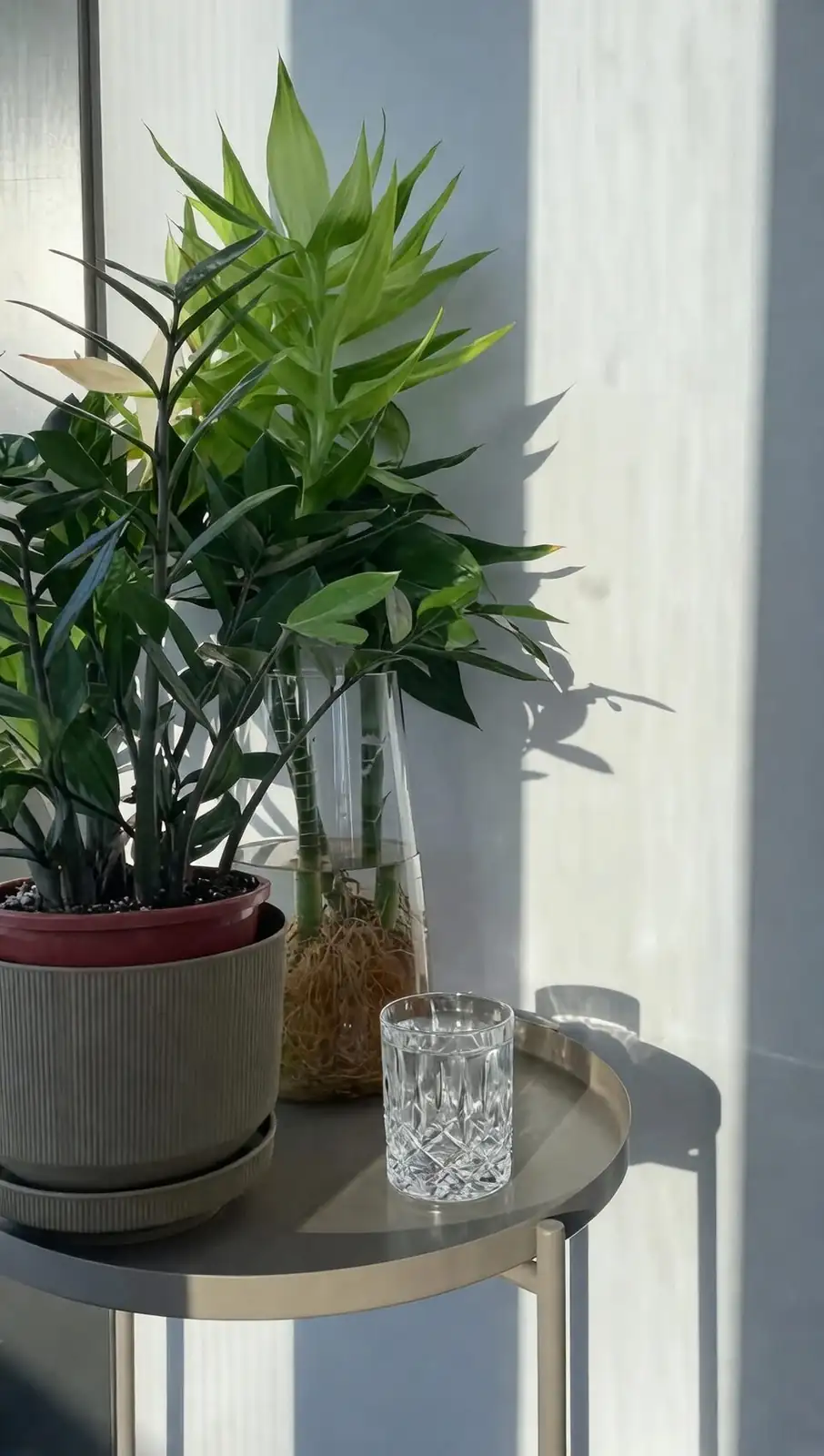
If plants carried passports, Dracaena sanderiana’s would be thick with stamps. Born in West Africa’s warm, filtered forest light and named for a German‑English plant impresario, this decidedly non‑bamboo slipped into the global imagination as “Lucky Bamboo,” curled itself into spirals, and—riding a wave of 1990s feng shui—ended up on millions of desks from Lagos to Los Angeles.
West African roots, European name
Long before it became a mall‑kiosk celebrity, Dracaena sanderiana grew as an understory shrub in West Africa, thriving on warmth, humidity, and dappled light. Botanists later honored Henry Frederick Conrad Sander—a renowned horticulturalist and orchid dealer—by attaching his name to the species, hence “sanderiana.”
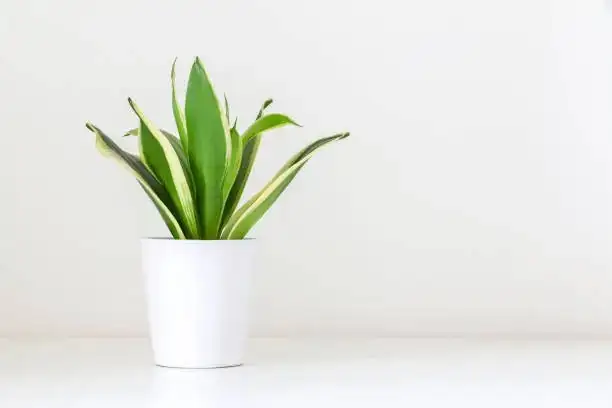
- Family: Asparagaceae
- Genus: Dracaena
- Native range: West Africa
- Common names: Lucky Bamboo, Ribbon Dracaena, Ribbon Plant, Belgian Evergreen, Fortune Bamboo, Sander’s Dracaena
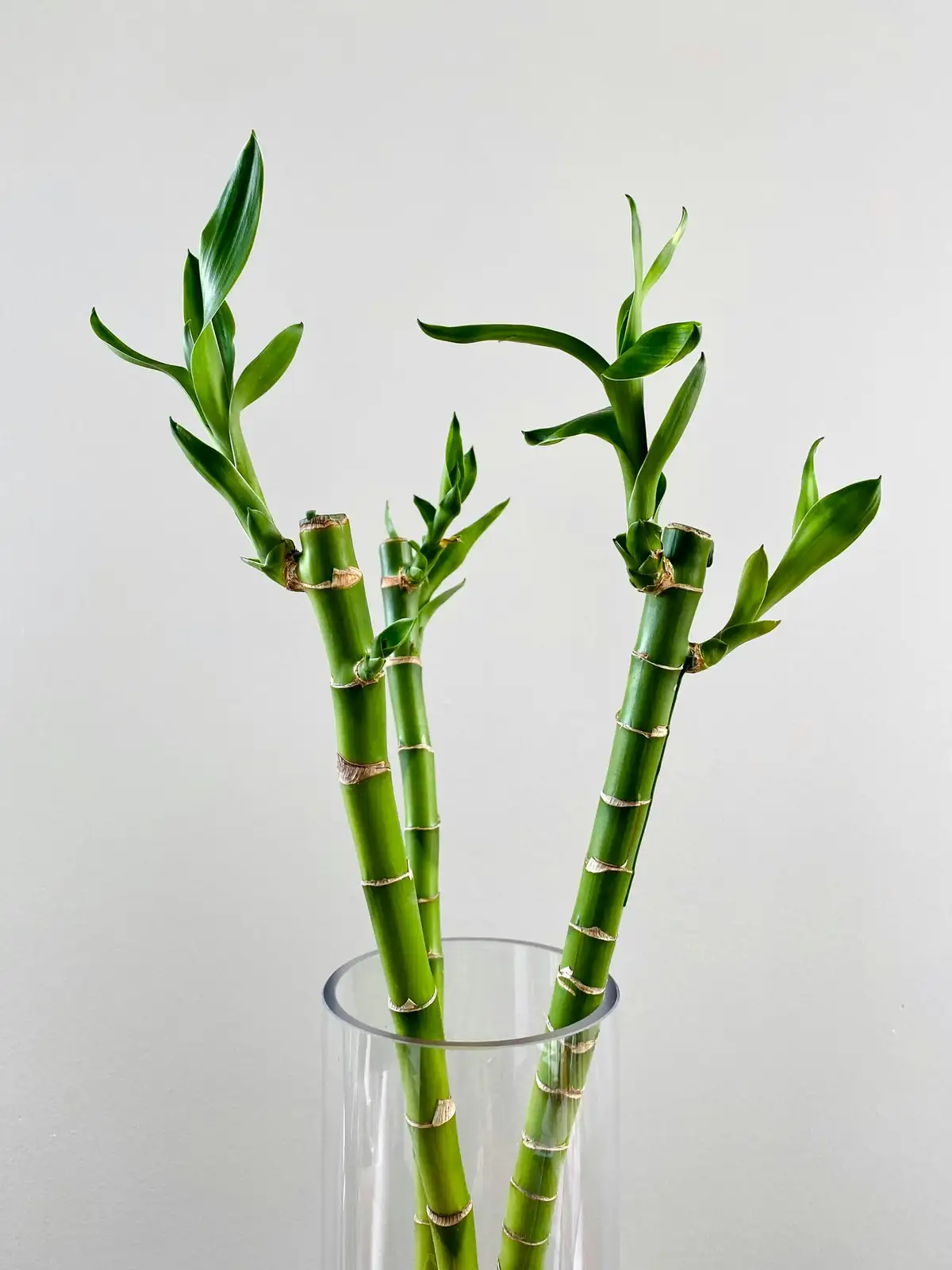
And here’s the twist that launches our tale: despite the bamboo nickname, it isn’t bamboo at all. Those upright, segmented canes only look the part. Anatomically and botanically, this is a dracaena through and through—closer kin to your houseplant corn plant than to any grove of true bamboo.
How a dracaena became “bamboo”
The rebrand wrote itself. In shops, the plant’s tidy, upright canes echoed the calm geometry of bamboo. Retailers leaned in, dubbing it “Lucky Bamboo,” “Chinese water bamboo,” and a handful of other names that romance the look rather than the lineage. The bamboo likeness made it instantly legible: minimalist, Zen‑adjacent, and refreshingly easy to grow indoors—especially in water.
What sealed its fate were two irresistible features:
1) It’s forgiving. Warmth and bright, indirect light are its sweet spot; it tolerates lower light better than many plants.
2) It’s sculptable. Those phototropic canes respond to light like slow‑motion sundials—turn them, shade them, guide them, and they’ll curve.
The spiral craze: a slow dance with light
By the late 20th century, growers had perfected the gentle art of coaxing canes into spirals, S‑curves, and braids. The secret is simple science and great patience:
- Direct the plant toward a side‑lit window (or through a light box with a single opening), prompting a curve.
- Rotate the cane incrementally over weeks and months so each section arcs in sequence.
- Repeat until a full helix forms; support and tidy with light pruning.
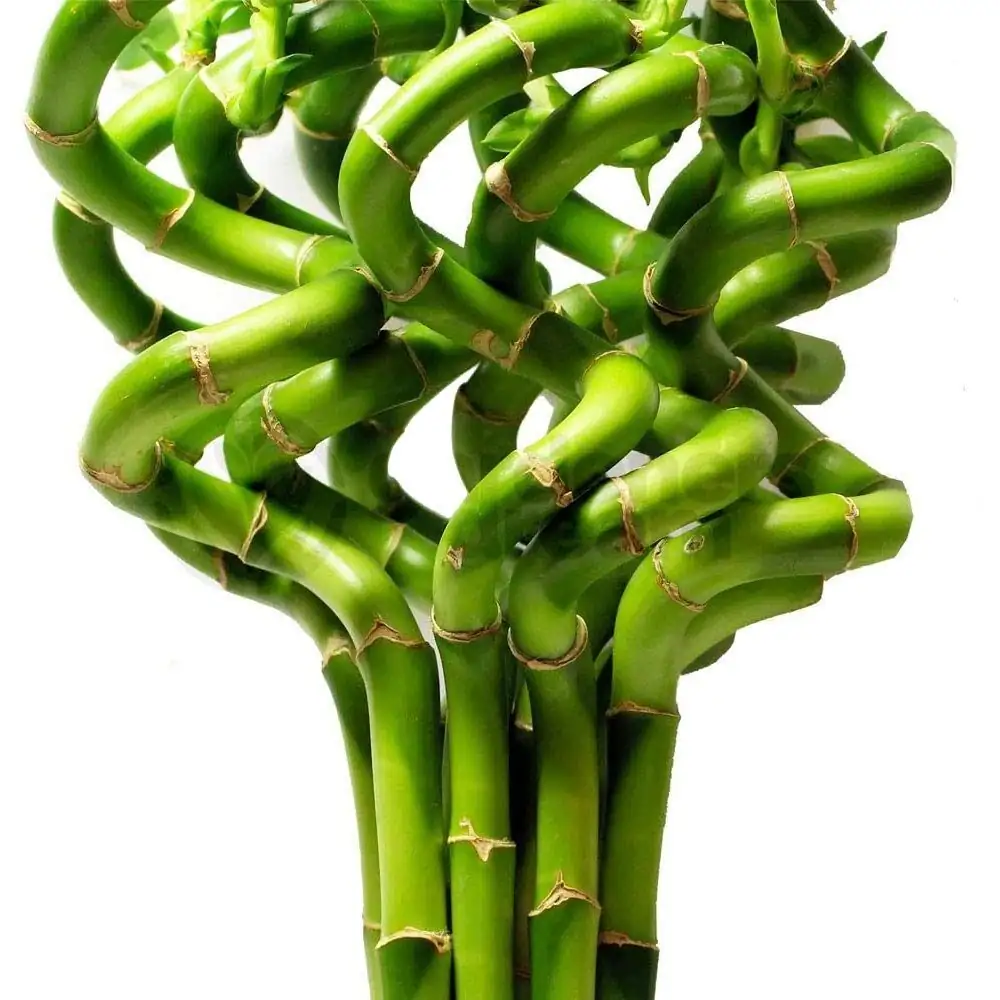
The result felt almost magical: living green calligraphy that fit in a pencil cup. Spirals and braids became giftable, photogenic, and office‑proof—catnip for a design‑hungry, time‑pressed world.
The 1990s feng shui boom: from boutiques to big‑box
Then came the cultural jet fuel. In the 1990s, feng shui leapt from specialist circles into global retail, infusing interiors with ideas of balance, flow, and auspicious symbolism. Lucky Bamboo—with its clean lines, tabletop scale, and water‑in‑a‑vase simplicity—checked every box.
- Gift logic: easy to carry, instantly arranged, and brimming with “good fortune” symbolism.
- Retail logic: ships and displays well, roots readily, and stays attractive under store lighting.
- Consumer logic: low‑maintenance green that feels meaningful.
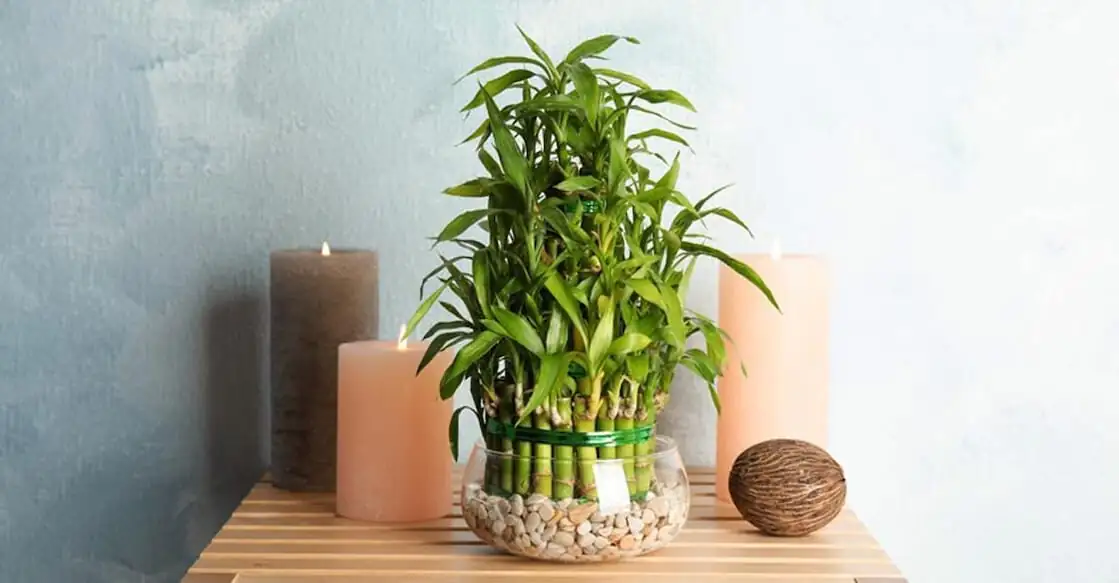
Suddenly, you could find it everywhere: arranged in glass cylinders with pebbles, tied with a red ribbon, clustered in odd numbers on reception desks, hotel lobbies, and home-office shelves. A West African understory plant had become the world’s favorite desktop talisman.
Symbolism and “flower language,” decoded
Lucky Bamboo’s aura is less about blossoms (it rarely flowers indoors) and more about cultural storytelling:
- Prosperity and wealth: the “lucky” moniker frames it as a magnet for good fortune.
- Harmony and longevity: evergreen foliage and upright canes suggest steady growth and balance.
- Number lore: arrangements often play with stalk counts (such as three for happiness, wealth, and longevity). While widely used in gifting, these meanings are modern popular culture—an adopted layer rather than an ancient truth embedded in the plant itself.
Think of it as a global hybrid of meanings: a West African plant wearing an East‑Asian‑inspired suit tailored by 1990s design sensibilities.
What it actually looks and behaves like
- Architecture: upright, cane‑forming dracaena with fresh green, glossy, strap‑shaped leaves clustered near the tops of stems.
- Size: commonly kept 30–60 cm (12–24 in) tall indoors; with vigor it can surpass 1 m (3.3 ft), though people often prune to keep it neat.
- Growth: responds quickly in warm, moist conditions; tall, top‑heavy canes may bend—stake or prune to keep the silhouette crisp.
- Flowers: uncommon indoors; if they appear, they’re small and pale, typically in summer.
Care made effortless (desk‑friendly, lobby‑proof)
Give it what its forest home would: soft light, warmth, and steady moisture.
Light
- Best: bright, indirect light—think east window or a south window softened by a sheer.
- Okay: lower light is tolerated, but growth softens and leaves can lose intensity.
- Avoid: harsh direct sun, which can scorch foliage.
Temperature and humidity
- Comfort zone: 18–30°C (64–86°F); it really hums at 25–30°C (77–86°F).
- Keep above 10°C (50°F); cold drafts are the enemy.
- Prefers moderate to high humidity; mist during hot, dry spells to prevent brown tips.
Watering
- In soil: keep evenly moist in spring–summer; let the top of the mix dry slightly between waterings. Ease off in winter.
- In water: never let it run dry. Change water weekly once rooted (every 3–4 days for fresh cuttings). Use clean, preferably dechlorinated water; keep roots submerged and containers spotless. Rinse pebbles if you use them.
Feeding
- Light hand only. A dilute, balanced fertilizer every 2 months—or a very weak foliage‑plant solution about every 2 weeks. Overfeeding, especially in water, leads to floppy growth and fouled containers.
Pruning and shaping
- Don’t fear the cut. Reduce a top‑heavy cane to about 15 cm (6 in) above the base. It will typically resprout from nodes, and the removed top can be rooted to make a new plant.
- Stake tall stems if you prefer not to prune.
Propagation
- Stem cuttings root readily. Take 10–15 cm (4–6 in) cane sections in early summer; root in a light, moist medium at 25–30°C (77–86°F), or water‑root a 20–25 cm (8–10 in) tip cutting (roots often appear in ~3 weeks). Clean tools and, if you like, dust cut ends with charcoal to deter rot.
Outdoors?
- Frost‑tender. Suitable outside year‑round only in warm, frost‑free climates roughly equivalent to USDA Zones 10–12.
Health and safety
- Hygiene matters: stagnant water and dirty containers invite rot. Refresh, clean, and remove decaying tissue promptly.
- Watch for scale insects, thrips, and the occasional aphid; treat early with insecticidal soap or horticultural oil.
- Toxic to cats and dogs if chewed—place out of reach.
The great identity check: dracaena, not bamboo
Why the miscue endures:
- Visual mimicry: segmented, upright canes read as “bamboo” at a glance.
- Marketing momentum: “Lucky Bamboo” is catchy and culturally loaded—in the best retail way.
- True difference: dracaenas are broadleaf monocots with fleshy stems; true bamboos are woody grasses. This plant behaves like an easy houseplant, not a pond‑side reed.
From forest understory to office understory
The charm of Dracaena sanderiana is how gracefully it crosses worlds. It carries the lush quiet of West African understories into bright urban rooms, slips into water‑filled vases with pebbles and ribbons, and still has enough botanical charisma to sprout anew when you prune it. It’s a success story written in green spirals: patient, resilient, and perfectly sized for the modern desk.
Quick reference
- Best spot: bright, filtered light; away from harsh sun and cold drafts.
- Culture: water or soil—both work; just keep it clean and evenly moist.
- Trim without worry: it resprouts from nodes; tops root easily.
- Signature look: upright canes, glossy leaves, and—if you’re patient—a spiral you shaped yourself.
In the end, Lucky Bamboo’s greatest luck may be ours: a living line break in the day, a quiet curl of green that made the long trip from West Africa to the workplace and never lost its poise.