

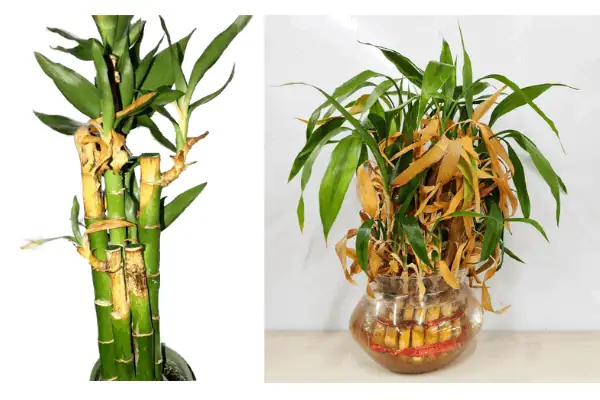
If your “lucky” stems have suddenly started looking not-so-lucky, don’t panic. Dracaena sanderiana (aka lucky bamboo) is a tough indoor dracaena that bounces back quickly once you remove the stress. Use this rapid triage to pinpoint the problem—chlorinated water, dirty vases, root rot, sun scorch, or cold shock—then make fast fixes and watch recovery unfold on a predictable timeline.
What you’re growing: a warm‑loving West African Dracaena with bamboo‑like canes, happiest in bright, indirect light and clean water or a well‑drained potting mix. It’s not a true bamboo, so think “easy houseplant,” not pond plant.
The 60‑second triage: read the room (and the roots)
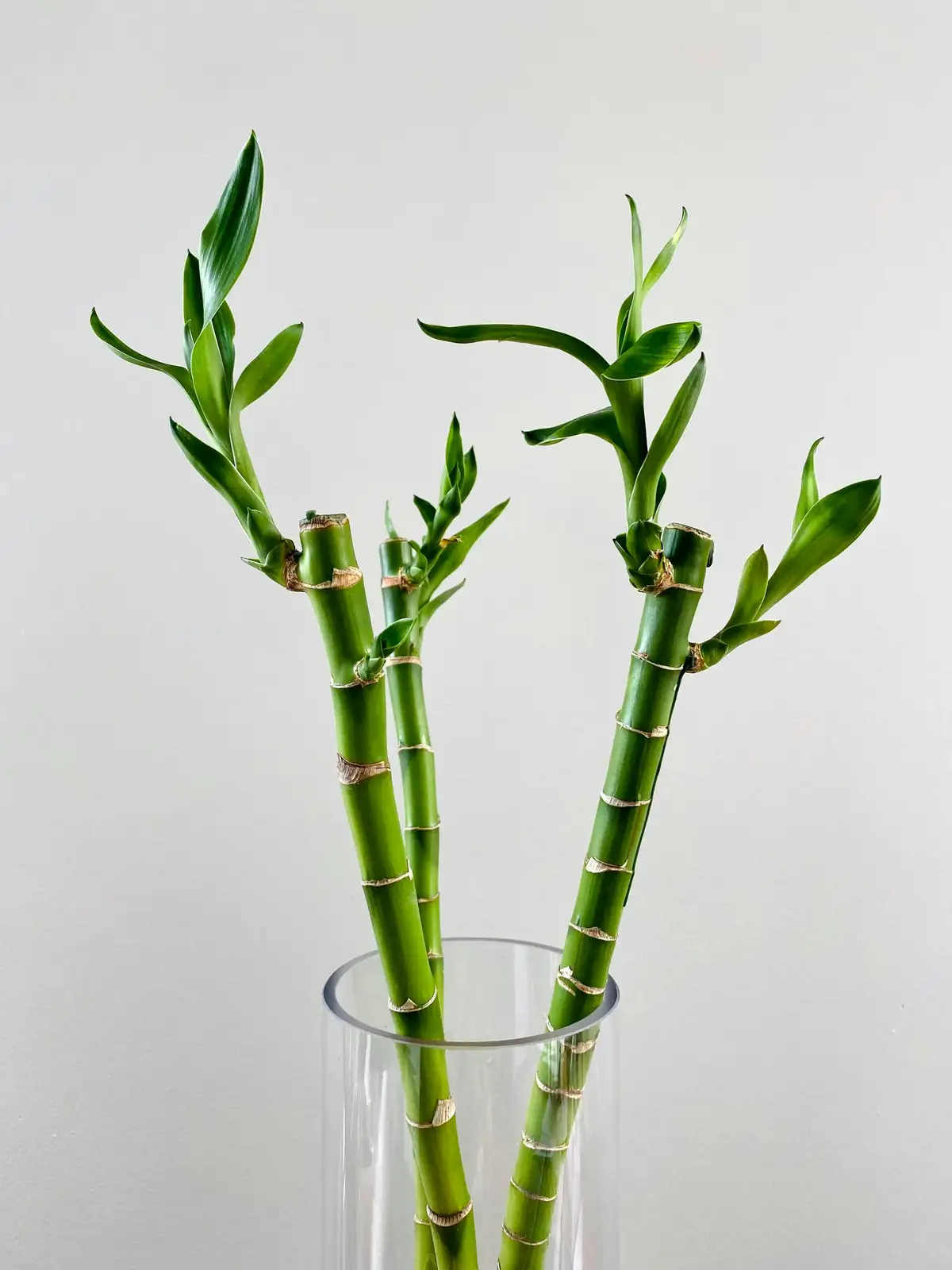
- Smelly or cloudy water, slime on glass, algae bloom? Dirty vase problem (and likely rot brewing).
- Roots look brown/black and mushy, smell “sour”? Root rot.
- Leaves yellowing from the tips with no smell, water clear? Likely chemical tap‑water stress (chlorine, etc.) or overfeeding in water.
- Leaves with crisp, pale/bleached or brown patches after a sunny day? Sun scorch.
- Sudden droop, glassy or translucent patches, yellowing after a chilly ride home, open window, or AC blast? Cold shock.
- Also check: scale or thrips (tiny insects, sticky residue). If present, isolate and treat with insecticidal soap or horticultural oil.
Now dive into the top five problems—step by step.
Chlorinated water or chemical stress
Typical signs
- Yellowing tips/edges, generalized paling; clear water, no bad smell; canes still firm.
Immediate fix (today)
1) Dump and rinse: Gently rinse roots and vase with room‑temperature water.
2) Refill with dechlorinated water: Use filtered, bottled, or “aged” tap water (let sit 24 hours) at room temperature. Keep roots submerged.
3) Go easy on feed: Skip fertilizer for 2–3 weeks. In water culture, overfeeding quickly fouls setups.
Short‑term care (next 2 weeks)
- Change water every 3–4 days for a “flush” period, then shift to weekly once stable.
- Bright, indirect light; avoid midday sun. Keep warm (18–30°C / 64–86°F).
Long‑term prevention
- Stick to dechlorinated/filtered water. Fertilize lightly only during active growth (either a very dilute foliage feed every ~2 weeks or a standard balanced feed about every 2 months—sparingly in water).
Recovery timeline
- Yellowing halts in 7–14 days; freshest new leaves look greener within 2–4 weeks.
Dirty vases and grimy pebbles
Typical signs
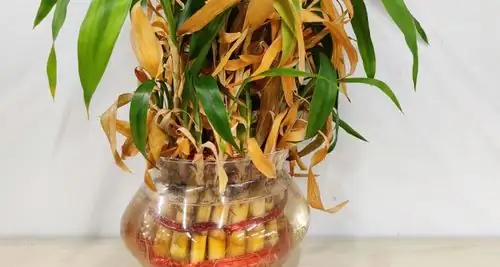
- Cloudy water, green film/algae, slick slime, or an “off” smell; roots may be tan to brown; leaves start yellowing if neglected.
Immediate fix (today)
1) Move the plant: Park the canes/roots in a temporary cup of clean, dechlorinated water.
2) Deep‑clean the container and pebbles:
- Wash with hot water and a drop of fragrance‑free dish soap; scrub with a bottle brush.
- Disinfect with a 10% bleach solution for 10 minutes (optional). Rinse thoroughly and air‑dry.
- Rinse decorative stones/pebbles very well before returning them.
3) Re‑assemble with fresh water at room temperature.
Short‑term care (next 10–14 days)
- Weekly water changes (every 3–4 days if the setup was very dirty).
- Avoid fertilizing while re‑stabilizing.
Long‑term prevention
- Keep the container clean; rinse pebbles periodically.
- Consider an opaque or shaded vessel side to deter algae.
- Don’t overfeed—excess nutrients fuel slime and algae.
Recovery timeline
- Water clarity: same day. Root appearance improves in 1–2 weeks if rot hasn’t set in.
Root rot (the one to act on fast)
Typical signs
- Roots are soft, brown/black, smelly. Leaves yellow; cane base may wrinkle or soften.
Immediate “surgery” (today)
1) Sterilize tools: Wipe shears with alcohol.
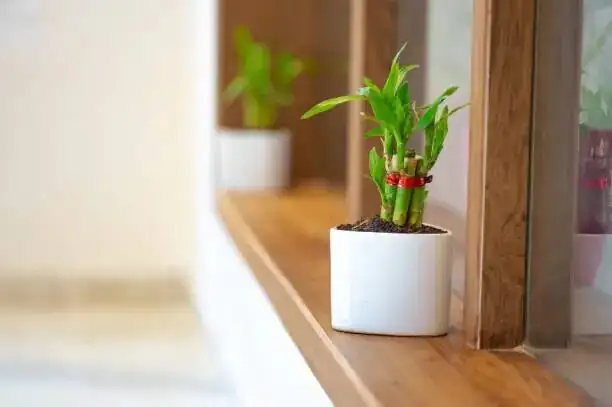
2) Trim to health: Cut away all mushy roots to firm, pale/tan tissue. If rot has climbed into the cane, cut the cane above the affected node into a healthy section.
3) Optional rot‑guard: Dust fresh cuts lightly with powdered charcoal/wood ash.
4) Reset in pristine conditions:
- Water culture: Place the healthy cane/sections in clean, dechlorinated water. Change every 3–4 days while rooting.
- Soil rescue (if rot keeps recurring in water): Pot in a fertile, well‑drained houseplant mix (potting soil with a bit of perlite/sand). Keep evenly moist, never waterlogged.
5) Air and warmth: Bright, indirect light; warm, stable temps (ideally 25–30°C / 77–86°F). Moderate to higher humidity helps; you can mist 2–3 times/day in hot, dry conditions while new roots form.
Pro tips
- In water culture, some growers leave a small portion of the root mass near/above the waterline for aeration.
- Isolate from drafts and direct sun during recovery.
Recovery timeline
- Cuts callus in 2–3 days. New roots usually form in about 3 weeks; fresh leaf growth follows in 4–6 weeks.
- If the cane continues to yellow from the base upward or collapses, discard that section and root a healthy top cutting.
Sun scorch (too much direct sun through glass)
Typical signs
- Bleached/pale patches or crisp brown areas on leaves, especially after strong afternoon sun. Water may be fine.
Immediate fix (today)
1) Move the plant: Aim for 50–70% filtered light—an east window or a south window with a sheer curtain is perfect.
2) Hydration check: Keep water topped up (or soil evenly moist). Don’t “overcorrect” with heavy feeding or overwatering.
3) Cosmetic cleanup: Trim only the worst scorched leaf parts; leave green tissue for photosynthesis.
Short‑term care (next 2 weeks)
- Maintain bright, indirect light and warmth. No midday sun baths.
Long‑term prevention
- Use sheer curtains; rotate arrangements so no single side sits under harsh rays.
- Variegated forms scorch faster—give them softer light.
Recovery timeline
- Damaged patches won’t green up, but new leaves emerge properly colored in 2–4 weeks once light is right.
Cold shock (drafts, winter windows, AC blasts)
Typical signs
- Sudden droop, glassy/translucent patches, leaf yellowing after exposure to cold air or cold water. Severe exposure below ~5°C / 41°F can kill tissue.
Immediate fix (today)
1) Relocate to warmth: 18–30°C (64–86°F), away from doors, winter windows, and AC vents. Use room‑temperature water.
2) Hands off the scissors (for now): Give 48–72 hours to see what revives. Remove only mushy tissue.
3) For frost‑damaged canes: If the base is mushy, cut back to about 15 cm (6 in) above the base to solid tissue; root the healthy top as a cutting.
Short‑term care (next 1–2 weeks)
- Stable warmth and bright, indirect light.
- Avoid repotting or heavy feeding during shock recovery.
Long‑term prevention
- Keep above 10°C (50°F) in winter. Transport in a bag or wrap during cold snaps. Avoid placing on cold sills.
Recovery timeline
- Mild shock: perk‑up in 2–3 days. Severe cold burn: damaged areas brown within a week; new shoots form once temperatures stabilize, typically over several warm weeks.
Quick swaps that fix most problems fast
- Water: Swap to dechlorinated/filtered or 24‑hour‑aged tap water; keep it room‑warm.
- Light: Swap harsh sun for bright, filtered light (sheer curtain).
- Vessel: Swap a grimy vase for a freshly cleaned one; consider opaque sides to curb algae.
- Media: Swap dirty pebbles for thoroughly rinsed ones; if rot repeats in water, trial a switch to a well‑drained soil mix.
- Tools: Swap dull/dirty shears for clean, sterilized ones; disinfect between cuts.
- Air/humidity: Swap dry, hot spots for places with moderate humidity; mist in hot, dry weather while rooting.
Fast answers to common “what now?” questions
- One or two yellow leaves—remove them? Yes, snip when fully yellow. If many are yellowing at once, troubleshoot water quality, light, and temperature first.
- Stems are tall and floppy. Cut or stake? Either. You can cut canes back to about 15 cm (6 in); they usually re‑sprout from nodes, and tops root readily in water.
- Brown tips only? Often dry air or chemical water stress. Improve humidity and water quality; keep away from AC/heat blasts.
- Pests? Scale and thrips pop up occasionally. Isolate, wipe leaves, and treat early with insecticidal soap or horticultural oil; repeat per label.
Recovery timelines at a glance
- Water chemistry stress: improvement in 7–14 days; new growth normal in 2–4 weeks.
- Dirty vase/algae: immediate cleanup; monitor roots for 1–2 weeks.
- Root rot: new roots in ~3 weeks; leaf push in 4–6 weeks if warmth and light are right.
- Sun scorch: damage is permanent, but new leaves look good in 2–4 weeks.
- Cold shock: mild cases rebound in 2–3 days; severe damage replaces over several warm weeks.
Your 5‑minute weekly routine (prevention that pays off)
- Refresh water weekly (every 3–4 days for fresh cuttings).
- Wipe the vase, rinse pebbles, and keep roots submerged.
- Bright, indirect light; sheer any harsh rays.
- Warmth: aim for 18–30°C (64–86°F); never below 10°C (50°F).
- Feed lightly in active growth only: very dilute every ~2 weeks or a modest balanced feed about every 2 months—especially sparing in water.
- Trim crowded or dead roots and remove yellow leaves promptly.
A note on “luck” and symbolism
Lucky bamboo’s fame exploded via feng shui gifting: the plant symbolizes prosperity, harmony, and longevity. The “flower language” here isn’t botanical—it’s cultural. Arrangements (spirals, braids, specific stalk counts) are meant to cue balance and good fortune in a space. Whether or not you court luck, the real magic is practical: warmth, bright filtered light, and very clean water.
Safety
Like other Dracaena, it’s toxic to cats and dogs if chewed (drooling, vomiting, lethargy). Display out of reach.
Bonus: quick propagation if things go south
- Take a 20–25 cm (8–10 in) tip cutting.
- Remove lower leaves, set in clean water, and change water every 3–4 days.
- Expect roots in about 3 weeks at 25–30°C (77–86°F), bright indirect light, and moderate humidity.
With these rapid swaps and timelines in mind, your lucky bamboo can go from “uh‑oh” to upright and glossy again—often in just a couple of weeks. Clean water, filtered light, steady warmth: that’s the winning trio.