


Imagine a compact, evergreen tree with lacquered leaves layered like a well-styled haircut—that’s Radermachera sinica, the China Doll Plant. Gorgeous, yes. Also a bit dramatic. Buy a subpar specimen or jostle it on the way home, and it may “protest” with a shower of leaves. This buyer’s guide shows you exactly how to choose a dense, glossy, pest‑free plant—and how to transport and acclimate it so those perfect tiers stay intact.
Meet Radermachera sinica (China Doll Plant)
- Origin: Southern China and parts of Southeast Asia
- Look: Upright, bushy, evergreen with neatly tiered branches and many small, glossy, deep‑green leaflets
- Indoor size: Commonly 60–200 cm (2–6.5 ft), shaped easily by pinching and pruning
- Personality: Warmth- and humidity‑loving; can drop leaves if light is low, air is dry, or temperatures swing
The smart buyer’s checklist at the store
1) Crown shape and density
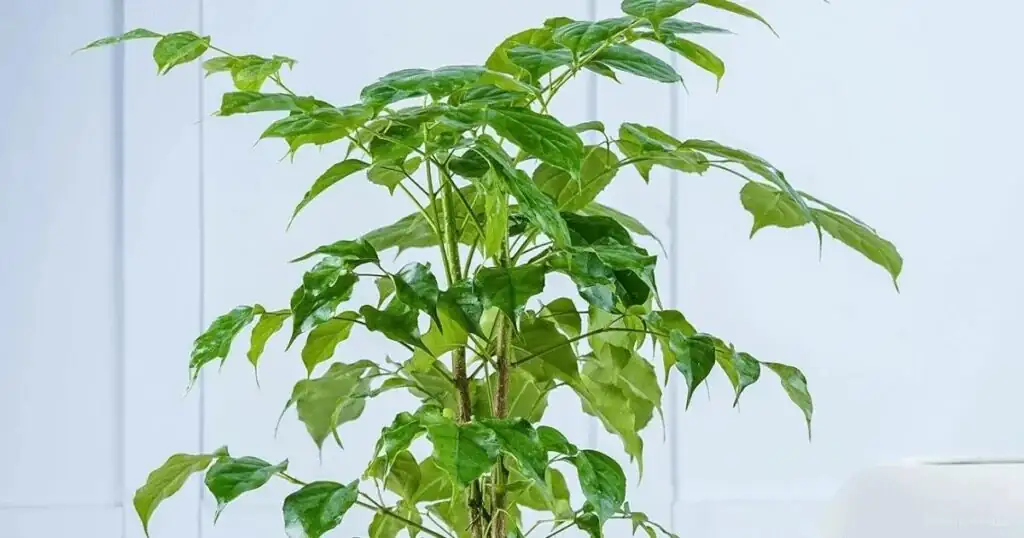
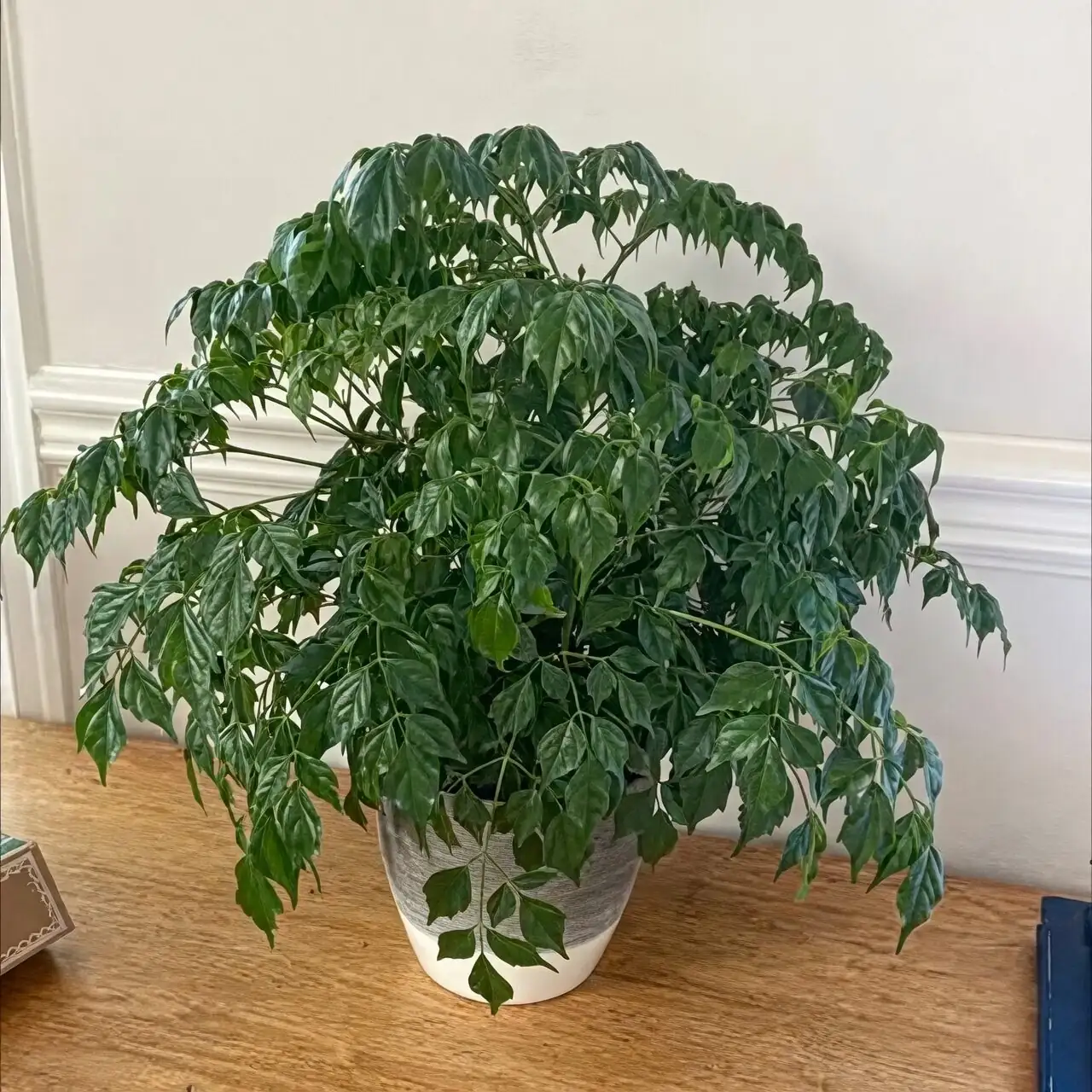
- Seek a balanced, compact canopy with multiple layered “tiers.”
- Avoid lanky, stretched stems (wide gaps between leaves signal low-light growing conditions).
- A lightly pinched tip or two is a good sign: it encourages branching and future fullness.
2) Leaf quality: glossy, deep green, spotless
- Leaves should be a uniform, rich green with a natural sheen—no yellowing, no brown tips or speckles.
- Check for:
- Spots or blemishes (skip plants with scattered leaf spot or many torn edges).
- Sticky residue or sooty mold (often linked to pests).
- Active leaf drop around the pot—an early red flag for stress.
3) Stems and structure
- Stems should be firm and woody, not mushy at the base.
- No snapped or creased branches; those weak points often brown out later.
4) Root health (quick, discreet check)
- Gently press the nursery pot: healthy root systems make the plant feel anchored, not wobbly.
- Peek at drainage holes for firm, light tan/white roots—not dark, mushy strands.
- Avoid any pot that smells sour or swampy or is obviously waterlogged.
5) Potting mix and container
- Choose a plant in a pot with drainage.
- The mix should be loose and well‑draining (a quality potting soil with compost/leaf mold plus perlite or coarse sand is ideal).
- Very heavy pots that slosh suggest saturation and future root trouble.
6) Pest inspection: scale and whiteflies
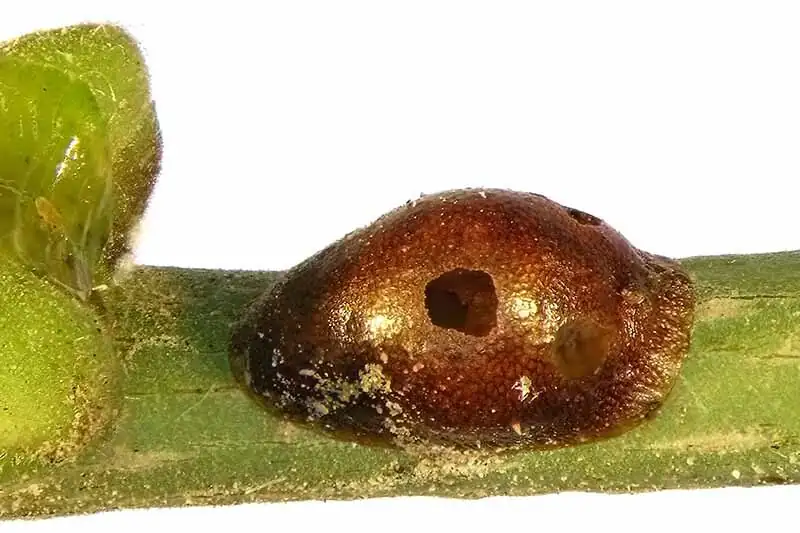
- Scale: look for tiny, brownish bumps stuck along stems and leaf midribs.
- Whiteflies: gently tap the plant—if tiny white insects flutter out, pass on it.
- Any sticky “honeydew,” sooty mold, webbed clusters of eggs, or curled new growth are warning signs.
7) Size that matches your space and light
- Brighter homes can support larger, fuller plants. If your light is only moderate, pick a more compact specimen (easier to keep dense).
Transport without tears (literally)
- Keep it warm and steady: best range is 20–30°C (68–86°F); avoid chills. Do not let it drop below about 12°C (54°F) in transit; below 5°C (41°F) risks serious leaf drop.
- Shield from wind and scorching sun through car windows. A breathable plant sleeve or paper wrap prevents leaf abrasion.
- Secure upright in a box so stems don’t whip around.
- Skip errands. Get it home promptly and out of temperature swings.
The first two weeks: acclimation that prevents leaf drop
Light: bright and filtered, then inch closer
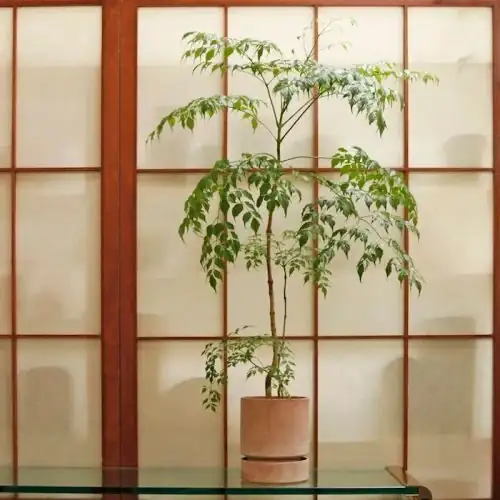
- Ideal: bright, indirect light to gentle morning sun; protect from harsh midday rays (about 50–60% shade is often perfect).
- New home routine:
- Days 1–3: place in bright, filtered light a little back from the window.
- Days 4–10: slide it gradually closer to its final bright spot.
- East-facing exposure or filtered south light is excellent.
Temperature and drafts
- Keep warm and stable (20–30°C/68–86°F).
- Protect from AC/heat vents and cold window glass in winter.
- Nights should remain above about 12°C (54°F).
Humidity and airflow
- Aim for moderate to high humidity around 60%+. Use a pebble tray, humidifier, or cluster with other plants.
- Pair humidity with gentle airflow to deter leaf spot. Avoid leaving foliage wet late in the day.
Watering: even moisture, never soggy
- Goal: evenly moist during active growth without waterlogging. Don’t let the pot dry out fully.
- After arrival: let the plant settle 24 hours, then water thoroughly and drain fully.
- In spring–autumn: many growers give a deeper soak roughly every two weeks—still checking the soil in between and adjusting to your home’s conditions.
- In winter: reduce; in many homes, about once every two weeks is typical. Always let excess water drain.
- Pro tip: use pot weight and finger checks to guide you; top feels just moist, not wet.
Feeding and pruning (go easy at first)
- Start feeding lightly after 2–3 weeks of settling: about monthly during the growing season with a balanced fertilizer; pause in extreme summer heat and stop in winter.
- Pinch soft tips occasionally to keep the canopy compact and tiered.
- Hold off on repotting for 3–4 weeks post-purchase (unless severely rootbound).
Quarantine, just in case
- Keep new plants a short distance from your collection for a couple of weeks while you monitor for hidden pests or leaf spot.
Troubleshooting post‑purchase leaf drop
- Usual triggers:
- Low light or abrupt light change
- Dry air, cold drafts, or temperature swings
- Overwatering in a heavy mix or, conversely, letting the root ball bone‑dry
- Smoke or stagnant air
- Fixes:
- Increase bright, filtered light; keep nights above about 12°C (54°F).
- Raise humidity to around 60%+ with good airflow.
- Re‑establish steady watering to “evenly moist,” never soggy.
- Remove yellowed leaves; resist the urge to repot immediately unless the mix is clearly failing.
- Check for pests: scale bumps or whiteflies (and their sticky residue). Treat early with horticultural oil or insecticidal soap; isolate while treating.
- For leaf spot, snip affected leaves, improve airflow, and avoid wet foliage late in the day.
Longer‑term care for a dense, glossy canopy
Light
- Bright, indirect light to gentle sun; protect from harsh midday exposure that can scorch.
Water and humidity
- Keep consistently, lightly moist in the growing season; never let it sit in water.
- Prefers moderate to high humidity (~60%+). Pebble trays and humidifiers help, along with clean airflow.
Temperature
- Thrives warm: 20–30°C (68–86°F).
- Avoid chilling; keep above about 12°C (54°F) indoors. Don’t drop below 5°C (41°F).
Soil and pot
- Use a loose, fertile, well‑draining mix (quality potting soil + leaf mold/compost + perlite or coarse sand). Always use a pot with drainage.
Feeding
- Feed about once a month in the growing season with a balanced fertilizer; pause in extreme heat and stop in winter.
Pruning and shaping
- Pinch tips regularly for bushiness.
- Prune leggy shoots during active growth to maintain a compact, layered form.
Repotting
- Repot in spring when rootbound—usually annually for vigorous young plants. Step up one pot size at a time.
Outdoors?
- Frost‑tender; suitable outdoors mainly in USDA Zones 10–12. Most growers keep it as an indoor ornamental.
Water culture and semi‑hydro: a décor twist
- Choose a specimen with strong, healthy roots.
- Gently rinse away soil, trim damaged roots.
- Set into clean decorative stones, filling the vessel about 1/3, then spreading roots and adding stones to ~4/5 full.
- Add water slowly; keep in bright filtered light.
- Top up as needed; change water about weekly if in pure water culture and add a hydroponic nutrient solution about monthly.
Safety, symbolism, and story
- Safety: Generally regarded as non‑toxic to people and pets, though chewing may upset sensitive stomachs. Keep out of reach as a precaution.
- Symbolism: Marketed widely as a “happiness” or “good luck” plant—its lush, ordered foliage evokes prosperity, diligence, and calm. This is modern, commercially driven “flower language” rather than an ancient legend, but the meaning resonates: when your China Doll is glossy and full, your indoor climate and care are balanced, too.
- A modern classic: It rose to popularity as a tidy, tree‑like houseplant that looks refined in living rooms, entryways, and study corners—and yes, it rewards steady routines.
Buyer’s mini checklist (clip-and-carry)
- Dense, balanced crown with compact tiers
- Glossy, deep‑green leaves; no spots, yellowing, or active leaf drop
- Firm stems; no mushy base
- Healthy roots visible at drainage holes; no sour smell, no waterlogged soil
- Pot with drainage; light, airy mix
- Pest‑free: no scale bumps, whitefly flutters, or sticky residue
- Safe transport plan: warm, shielded, upright
- Acclimation: bright filtered light, stable warmth, humidity ~60%+, even moisture
Choose well, carry gently, and acclimate patiently—and your Radermachera sinica will keep that dense, mirror‑gloss canopy without the melodrama.