

If you love plants that behave like living architecture, the China Doll (Radermachera sinica) is your minimalist muse. Those glossy, tiered leaves read like carefully cut paper, and when staged in a sleek semi-hydro setup—think glass vessels, matte cachepots, and a crisp layer of LECA or polished stones—you get a clean, modern display that’s as soothing as it is sculptural. The secret is simple: bright filtered light, a steady water line, weekly top-ups, and a whisper of nutrients once a month.
Meet Radermachera sinica (China Doll Plant)

- Identity: Radermachera sinica, family Bignoniaceae; also sold as China Doll, Chinese Trumpet Tree, Emerald Tree, Serpent Tree; Chinese name: 幸福树.
- Origin: Southern China and parts of Southeast Asia.
- Look: Upright, bushy evergreen with tidy, layered branching and many small, glossy leaflets. Indoors it reaches roughly 60–200 cm (2–6.5 ft), depending on pot size and pruning.
- Personality: Gorgeous, a little dramatic. Low light, dry air, cold drafts, or temperature swings can trigger yellowing and leaf drop. Give it bright, filtered light and stable warmth and it stays impeccably lush.
Why Semi-Hydro Suits China Doll
China Doll thrives on even moisture and high oxygen at the roots—two things semi-hydro excels at.
- Consistent moisture without soggy soil: LECA or stones create a capillary lift from a small reservoir, keeping roots evenly moist yet airy.
- Cleaner look, cleaner roots: No potting mix splatter; easy to inspect and rinse roots, especially helpful for a species that pouts when conditions fluctuate.
- Predictable routine: Weekly water top-ups, monthly nutrients, and bright filtered light are the rhythm this plant loves.
- Display power: Clear cylinders, sculptural vases, or opaque cachepots with an inner reservoir let foliage be the star.
Two Design-Forward Semi-Hydro Configurations
Both are passive hydro (no pumps). Choose the vibe you want, or mix and match across your space.
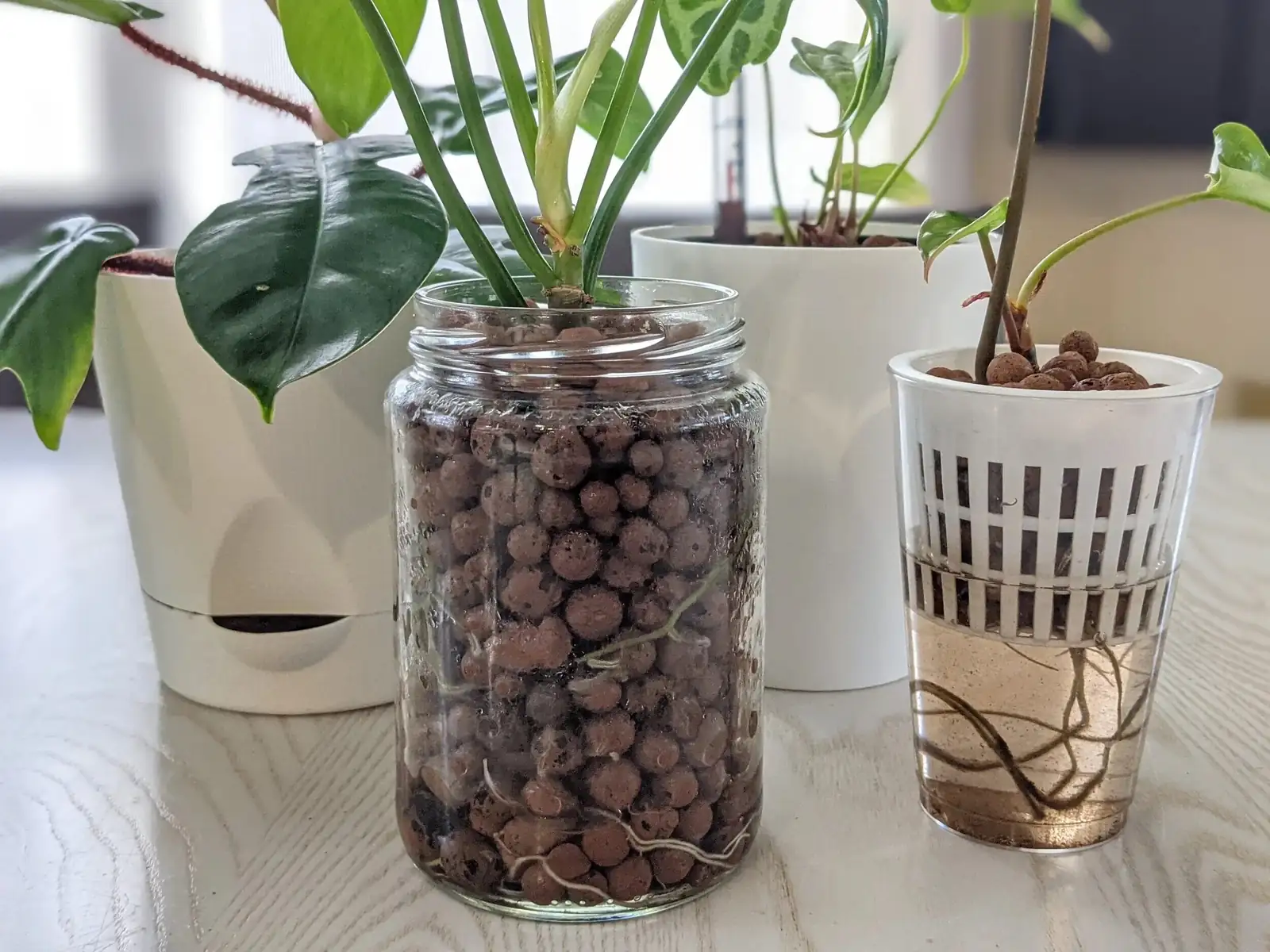
1) LECA in a reservoir (non-wick or wick-assisted)
- Non-wick: The lower LECA stays in contact with a small reservoir; capillarity lifts moisture upward.
- Wick-assisted: A microfiber or cotton wick draws nutrient solution into LECA, helpful in tall or extra-dry rooms.
- Visual: Clear inner grow pot in an opaque outer pot with a discreet water window—elegant and practical.
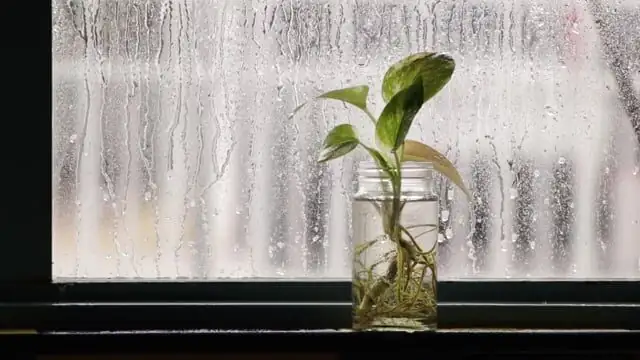
2) Decorative stones in a glass cylinder
- The look: Polished river stones or neutral pebbles layered to 4/5 of the vessel height; roots nestled within.
- Notes: Use an inner mesh cup if you want easy lift-outs for rinsing. For pure water culture, change water weekly; for semi-hydro with stones, top up weekly and feed monthly.
Tip: Opaque outer pots reduce algae; clear inserts let you monitor water lines and roots. Either way, the foliage stays museum-clean.
Root Prep: Transitioning from Soil to Semi-Hydro
Do this on a warm day in bright, filtered light.
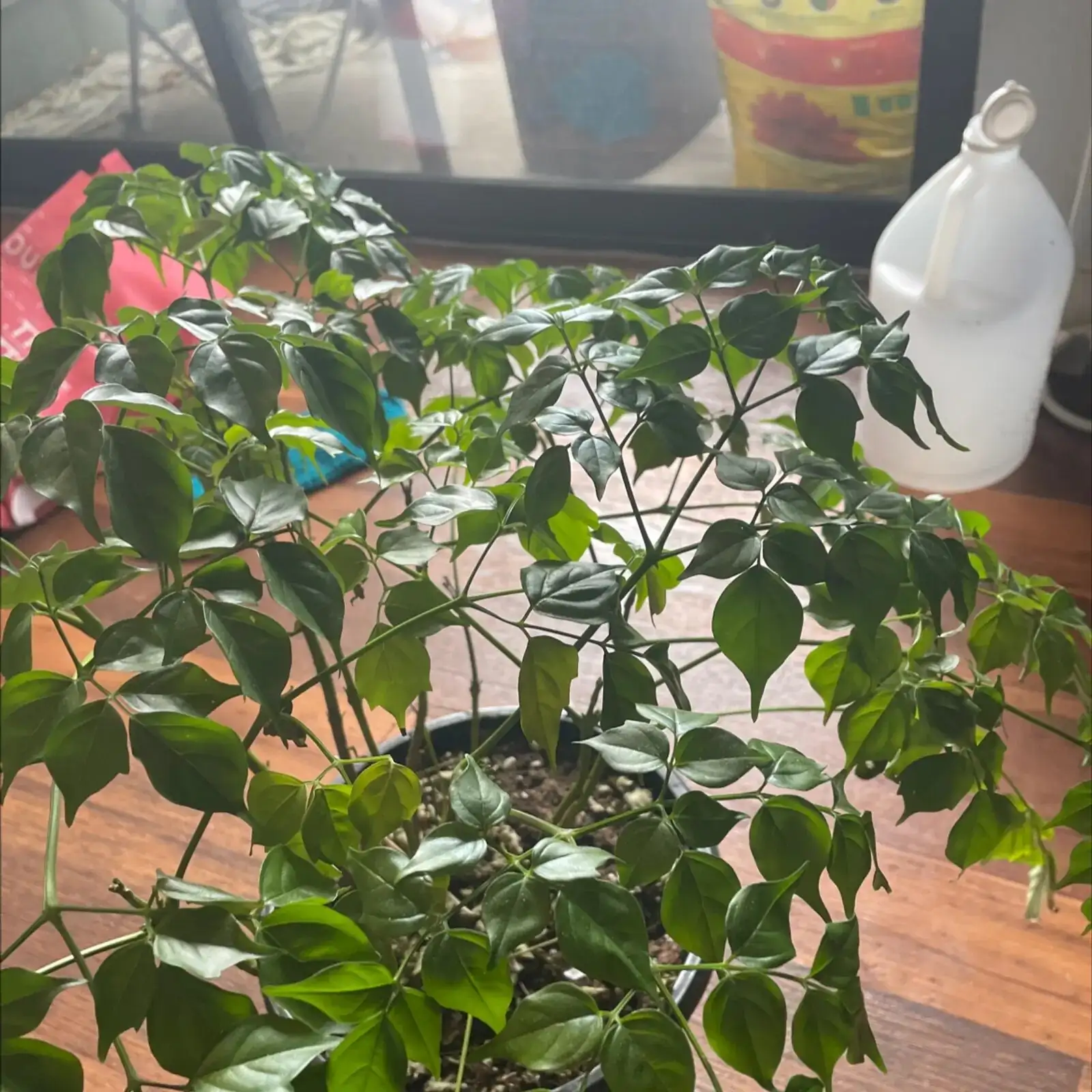
1) Choose a healthy plant: Full canopy, glossy leaves, no active leaf drop; check carefully for scale or whiteflies.
2) Unpot and rinse: Gently tease away all soil; rinse roots in room-temperature water until fully clean.
3) Trim: Snip off damaged or mushy roots with sterile scissors. Keep firm, pale roots.
4) Prep media and container:
- Rinse LECA thoroughly; pre-soak to reduce dust and improve wicking.
- Wash stones until the water runs clear.
- Clean your vessel; ensure there’s a reservoir strategy (inner pot holes or a raised false bottom).
5) Potting (stones/LECA):
- Add clean media to fill about 1/3 of the container, spread the roots, then fill to roughly 4/5 and firm gently so the plant is stable.
6) First fill:
- Add water slowly to create a small reservoir. For non-wick setups, keep the water line below the central root mass—aim for the bottom 15–25% of LECA or 1–2 cm below the lowest main roots in a stones setup.
Acclimation tip: Keep light bright but filtered; avoid sudden temperature swings. Slight leaf drop after conversion is normal—new growth will follow in stable conditions.
Water Level Control: The Art of the Line
- Standard line: Maintain a reservoir in the lowest 15–25% of the pot (or just below the main roots in stones).
- New transitions: Start slightly lower for the first 2–3 weeks; raise gradually once you see fresh root tips reaching the moisture zone.
- High-evaporation rooms: A wick or a slightly higher reservoir can help; always keep the central root mass airy, not submerged.
Your Weekly–Monthly Rhythm
- Weekly top-up:
- Semi-hydro: Top up with plain water to your target line.
- Pure water culture (if you choose this look): Replace the water fully about weekly to keep it fresh and oxygenated.
- Monthly nutrients:
- Feed once a month during active growth with a balanced fertilizer (e.g., 20-20-20) at diluted strength, or use an organic liquid feed.
- Pause feeding in winter or during extreme summer heat.
- Monthly flush:
- Rinse LECA/stones thoroughly with plain water to wash out mineral buildup before your nutrient day.
Light, Temperature, Humidity (Dial These In)
- Light: Bright, indirect light to gentle sun. Protect from harsh midday rays; about 50–60% shade is ideal in summer. East windows or filtered south light are perfect.
- Temperature: Best at 20–30°C (68–86°F). Keep above about 12°C (54°F) for stable indoor performance; avoid dropping below 5°C (41°F).
- Humidity: Prefers moderate to high humidity around 60%+. Use a humidifier, pebble tray, or regular misting paired with good airflow to prevent leaf spot.
Pruning, Shaping, and Growth
- Pinch tips regularly to maintain those elegant “tiers.”
- Prune leggy stems during active growth to thicken the canopy.
- Indoors, flowering is rare; grow this one for its glossy architecture.
Troubleshooting (Semi-Hydro Edition)
- Leaf drop: Often triggered by low light, dry air, cold drafts, or temperature swings. Move to brighter filtered light, raise humidity, and protect from drafts.
- Yellowing leaves: Can follow stress or staying too wet without air. Lower your water line, improve airflow, and keep light bright but gentle.
- Algae in clear vessels: Use an opaque cachepot, reduce direct sun on the reservoir, and rinse media monthly.
- Pests: Watch for scale and whiteflies. Treat early with horticultural oil or insecticidal soap and isolate while treating.
- Leaf spot: Don’t leave foliage wet late in the day; ensure airflow.
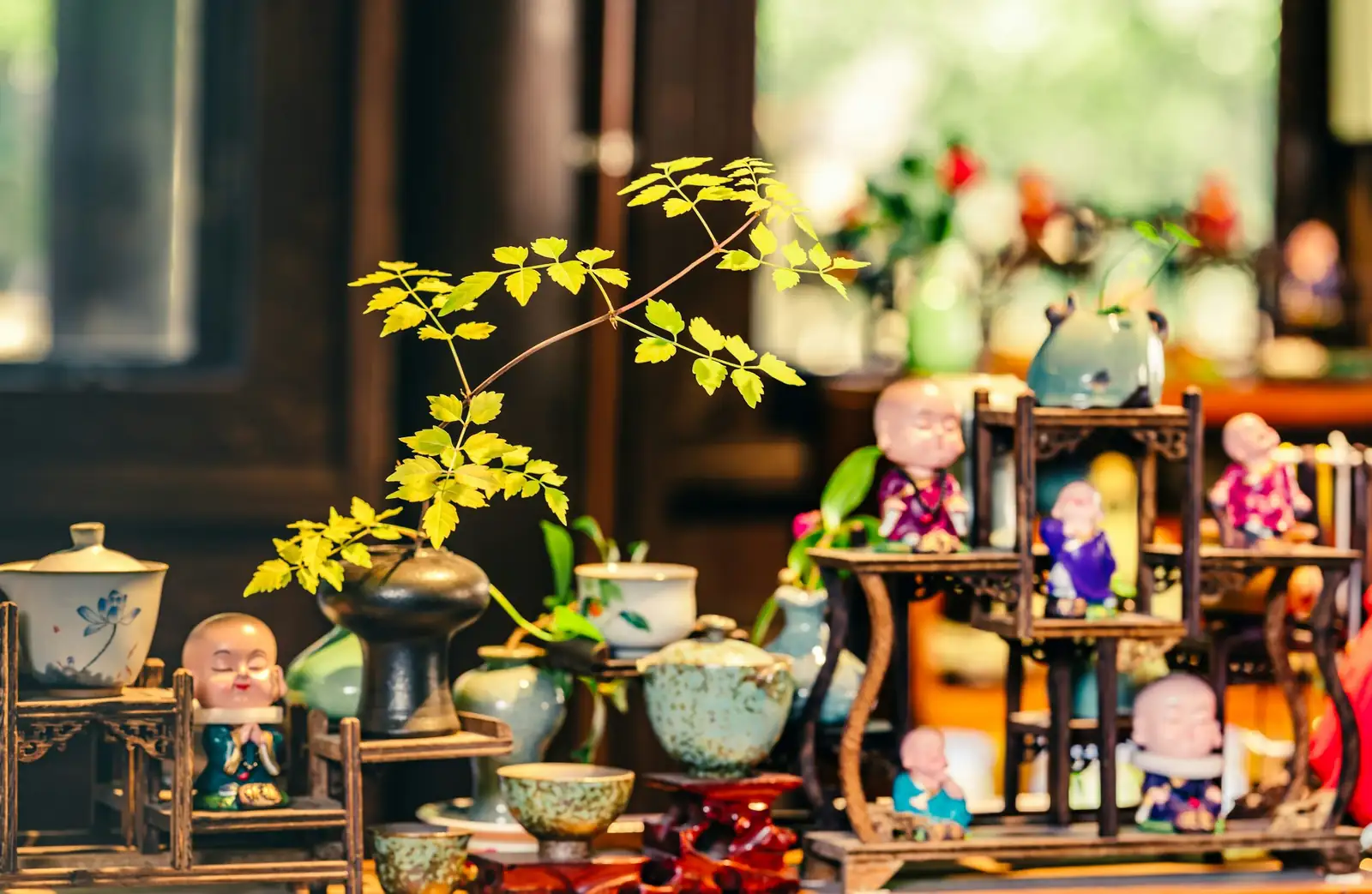
Styling Ideas for a Clean, Modern Look
- Monochrome palette: Black stones in a white cylindrical cachepot for maximum contrast with the deep-green foliage.
- Gallery glass: A tall, clear cylinder with a subtle reservoir line—pair with books and ceramics for a curated shelf.
- Soft minimalism: Pale river pebbles, a matte sand-tone pot, and an east-facing sill with sheer curtains.
- Trio effect: Group China Doll with other fine-textured greens in staggered heights for a layered, quiet-luxury vignette.
Safety and Placement
- Generally regarded as non-toxic to people and pets, but ingestion may cause mild stomach upset in sensitive individuals. Keep out of reach as a sensible precaution.
- Indoors, place in a bright, airy spot away from heating/AC vents, cold winter glass, cigarette smoke, and stagnant air.
A Simple Seasonal Calendar
- Spring: Repot or refresh media if needed; resume monthly feeding; pinch to shape; you can also sow seeds or root cuttings in warm conditions.
- Summer: Bright filtered light; maintain even moisture and higher humidity; pause fertilizer during extreme heat.
- Autumn: Keep lightly moist; maintain brightness; wipe leaves so they gleam.
- Winter: Keep warm and stable (ideally above 12°C/54°F); water sparingly; stop feeding; boost humidity to reduce leaf drop.
Meaning and Modern Symbolism
Marketed widely as a “happiness” or “good luck” plant (幸福树), China Doll’s symbolism is a contemporary, design-era story rather than ancient lore. Its lush, neatly layered canopy suggests prosperity, diligence, and a refined, ordered life—especially in a study or office. The “good fortune” aura springs from how polished and thriving it looks in bright rooms, not from deep historical legend.
Quick Answers
- Will it flower indoors? Rarely. Expect foliage-forward beauty.
- Best light? Bright, filtered light with protection from harsh midday sun.
- How high should the water be? Keep a small reservoir in the lowest 15–25% of the media or just below the main roots; top up weekly; feed monthly.
- Why the sudden leaf drop? Usually stress—low light, dry air, drafts, or big temperature swings. Stabilize conditions and it rebounds.
With a design-led semi-hydro setup and a steady routine—bright filtered light, a disciplined water line, weekly top-ups, and monthly nutrients—Radermachera sinica becomes the definition of quiet elegance. It’s living architecture you can grow.