

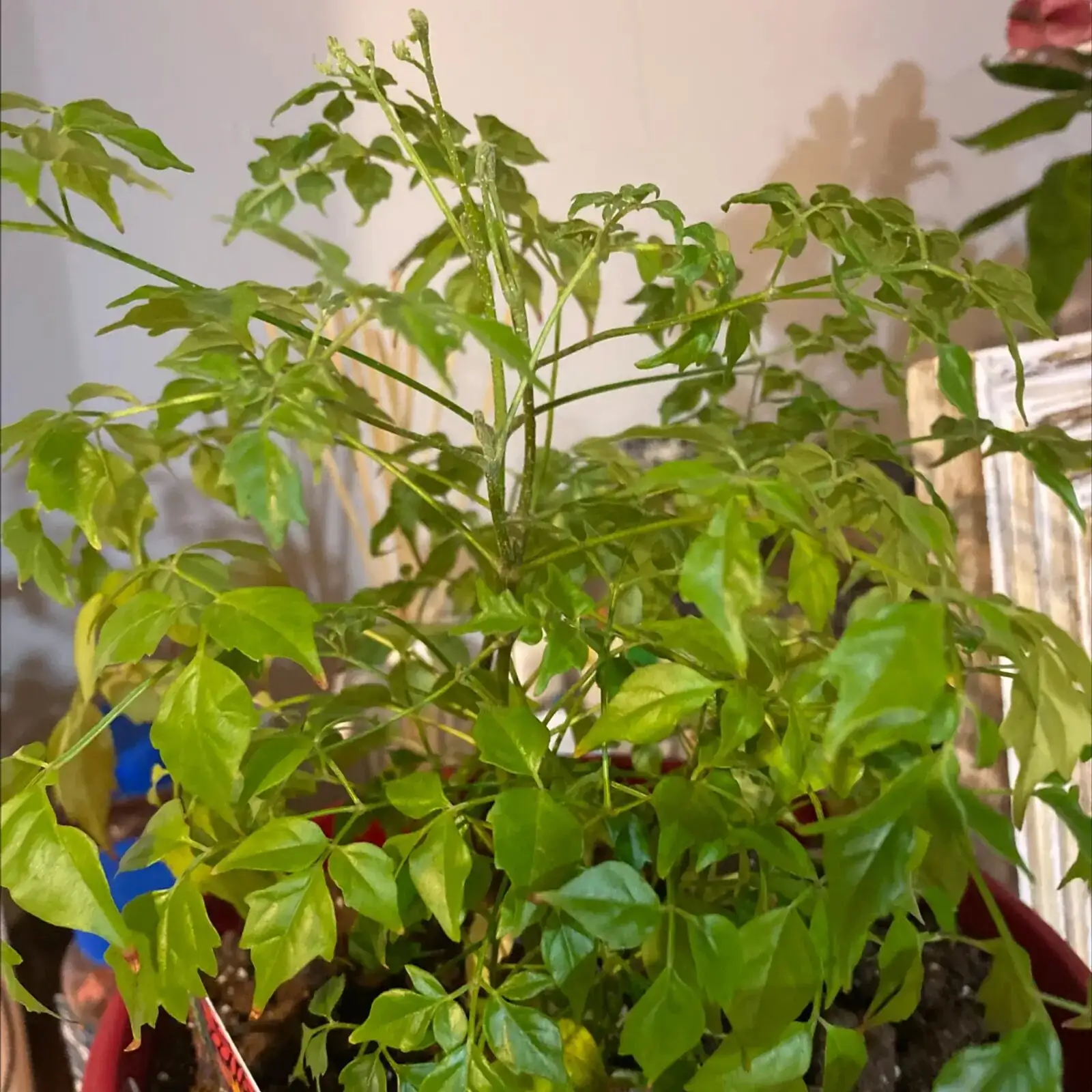
If your China Doll Plant (Radermachera sinica, “幸福树”) is looking moody, don’t guess—measure. This elegant, tiered mini-tree thrives when a few numbers line up. Grab a light meter (or a phone app), a soil probe or your finger, a hygrometer, and map any drafts with a tissue test. With four quick scans, you can match yellowing, crisping, or mass leaf drop to precise, confidence-boosting fixes.
The 4‑scan triage that saves a China Doll
1) Light scan
- Target: bright, filtered light—think a luminous east window or softened south light with midday protection.
- Quick metric: roughly bright indirect light (about 5,000–10,000 lux) for 4–6+ hours; avoid harsh midday beams.
- Where it shines: near sheers, under a lightly shaded skylight, or behind a bright, filtered patio door. Outdoors (frost-free), about 50–60% shade in summer is ideal.

2) Moisture scan
- Goal: evenly moist, never soggy; don’t let the root ball bake dry.
- Check: probe or finger down to 4–5 cm (1.5–2 in). It should feel lightly moist between waterings.
- Rhythm: spring–autumn, water thoroughly and let excess drain; in winter, water sparingly—often about once every 2 weeks, but always go by how fast your mix dries.
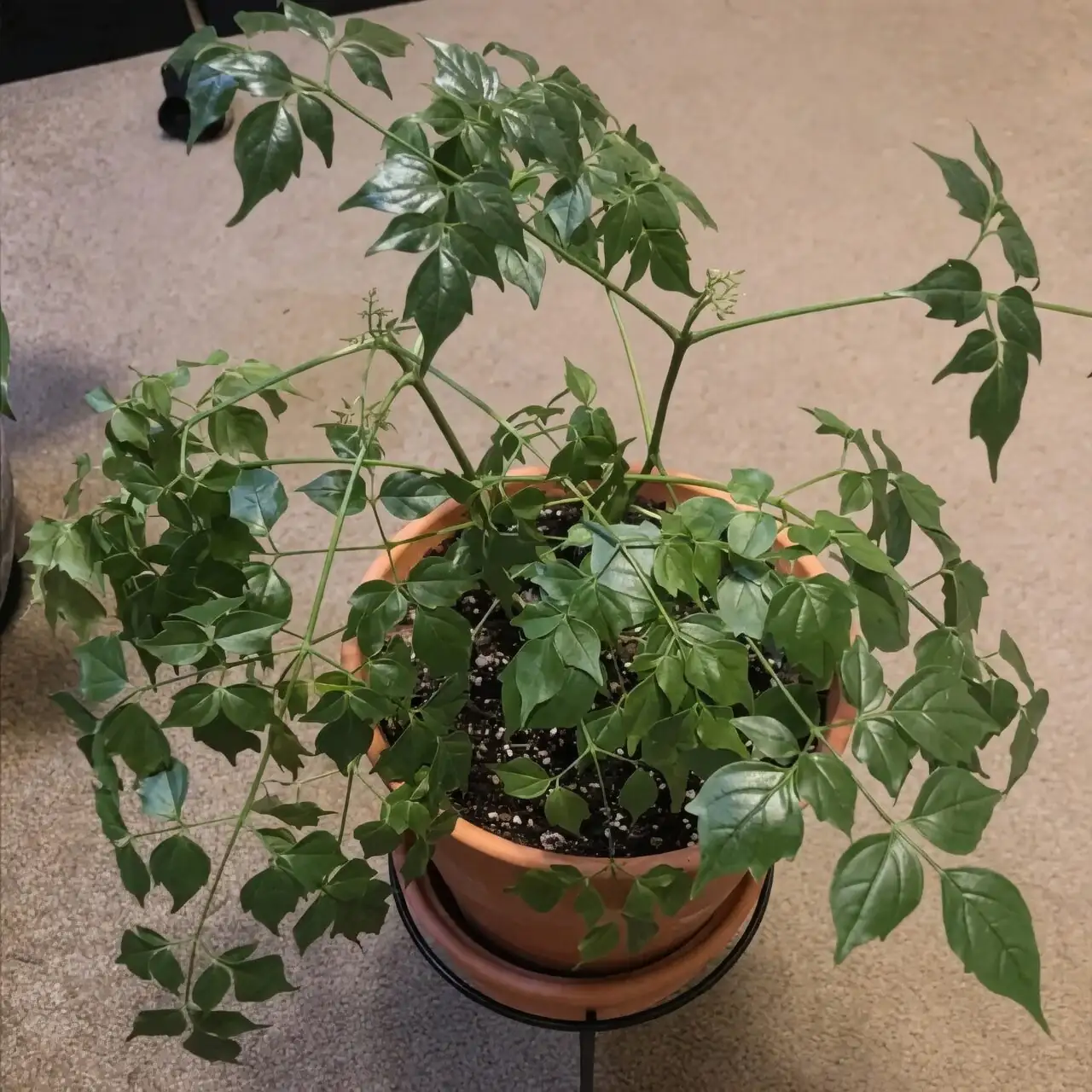
3) Draft/temperature map
- Sweet spot: 20–30°C (68–86°F), warm and steady.
- Red lines: try to keep above ~12°C (54°F) indoors for best performance; avoid drops toward 5°C (41°F), which can trigger dramatic leaf shed.
- Draft check: wave a tissue near windows, doors, vents. If it flutters, that’s a draft zone. Park the plant away from AC/heat vents and cold winter glass.
4) Humidity reading and airflow
- Target RH: around 60%+ with gentle air movement.
- Tools: a small humidifier, pebble tray, or regular misting paired with good airflow (to prevent leaf spot). Grouping plants helps.
- Avoid: smoke and stagnant corners—this plant sulks in stale air.

Match the symptom to the sensor: quick fixes
Yellowing leaves (especially lower/older first)
- Sensors to check:
- Moisture: staying wet for days? Pot heavy? Roots starved of oxygen.
- Light: low (<3,000 lux) or far from any window?
- Likely causes:
- Overwatering or poor drainage; insufficient light.
- Precise fixes:
- Let the top 2–3 cm (¾–1¼ in) dry before watering again; empty saucers.
- Refresh mix if compacted: quality potting soil + leaf mold/compost + coarse sand/perlite; always use a drained pot.
- Move to brighter, filtered light (east window or filtered south).
- In growing season, resume balanced, diluted feed monthly after recovery.
Crisping tips or browned edges
- Sensors to check:
- Humidity: <40–50%?
- Light/heat: harsh midday sun scorching leaves?
- Moisture: swings from bone-dry to soaked?
- Likely causes:
- Dry air, underwatering spikes, or sun scorch.
- Precise fixes:
- Lift RH to ~60%+ (humidifier/pebble tray), keep airflow gentle.
- Water consistently; avoid “desert then deluge.”
- Soften light at midday (sheer curtain or move slightly back from glass).
Sudden mass leaf drop (the famous drama)
- Sensors to check:
- Temperature log: did a cold front or AC blast hit?
- Placement: was it just moved or repotted?
- Light: big change in orientation/intensity?
- Likely causes:
- Temperature swing, cold draft, abrupt change in conditions, or seasonal overwatering in dim light.
- Precise fixes:
- Stabilize: warm, bright filtered spot away from vents and cold glass.
- Trim bare, leggy stems by up to one-third to spur bushy regrowth.
- In winter, water lightly (often ~every 2 weeks), just to keep the mix barely moist.
- Patience: new growth follows once conditions steady.
Leaves pale, plant turns leggy, internodes stretch
- Sensors to check:
- Light: lux too low or too brief?
- Likely cause:
- Insufficient light.
- Precise fixes:
- Shift to brighter filtered light or add full-spectrum grow lights.
- Pinch tips regularly to encourage branching and a fuller canopy.
Wilting, soft stems, pot smells “sour”
- Sensors to check:
- Moisture: consistently soggy? Drainage holes missing?
- Likely cause:
- Root rot from waterlogging.
- Precise fixes:
- Unpot carefully, trim brown mushy roots, repot in fresh, airy mix with good drainage.
- Water only once the top layer is slightly dry; ensure bright, filtered light and warmth for recovery.
Leaf spots that spread in damp rooms
- Sensors to check:
- Humidity + airflow timing: leaves staying wet late in the day?
- Likely cause:
- Fungal/bacterial leaf spot.
- Precise fixes:
- Increase airflow, avoid wetting leaves late, remove affected foliage.
- Water the soil, not the canopy.
Sticky residue, tiny flying insects, or shell-like bumps
- Sensors to check:
- Leaf undersides, stems.
- Likely culprits:
- Whiteflies or scale insects.
- Precise fixes:
- Isolate the plant. Treat with insecticidal soap or horticultural oil; repeat per label. Improve ventilation and wipe leaves clean.
Set the baseline: conditions China Doll loves
- Light: bright, indirect light to gentle sun. Protect from harsh midday summer sun; about 50–60% shade is ideal outdoors. Indoors, an east-facing window or filtered south light works beautifully.
- Temperature: 20–30°C (68–86°F). Keep above about 12°C (54°F) for best indoor performance; avoid dips toward 5°C (41°F).
- Humidity: around 60%+ RH. Pair added humidity with airflow to prevent spotting.
- Soil: loose, fertile, well-draining: quality potting soil + leaf mold/compost + coarse sand or perlite. A pot with drainage is non-negotiable.
- Watering:
- Spring–autumn: water thoroughly; keep evenly moist, never soggy. Many growers give a deep soak roughly every 2 weeks while still checking the soil and adjusting to their space.
- Winter: cut back; aim for “just moist,” often watering about every 2 weeks depending on conditions.
- Feeding: monthly in the growing season with a balanced fertilizer at diluted strength; pause during extreme summer heat and stop in winter.
- Placement: a bright, airy room—living room, entryway, study. Keep away from heating/AC vents, cold winter glass, cigarette smoke, and stagnant corners.
Pruning, shaping, and repotting without the tantrums
- Pinch tips often to keep that dense, layered look.
- Prune back leggy or overlong shoots during active growth to maintain a compact canopy.
- Repot in spring when rootbound—young, fast growers often benefit from yearly refreshes. Step up one pot size at a time (common indoor diameters: 12–25 cm / 4.7–9.8 in). Keep the root ball snug, not swamped by excess mix.
Propagation and a stylish water-culture option
- Tip cuttings (most common):
- Take 12–20 cm (4.7–8 in) semi-mature cuttings in summer.
- Remove lower leaves, keep 2–4 at the top; trim large leaves by half.
- Root in sand or a peat-based medium at 22–26°C (72–79°F) with high humidity.
- Rooting typically takes 5–6 weeks.
- Seeds: sow in spring, lightly covered; germination in ~2–3 weeks at 18–21°C (64–70°F).
- Water/semi-hydro culture:
- Rinse roots, trim damaged bits. Set into clean stones; add water to just below the crown.
- Change water about weekly; add a hydroponic nutrient solution roughly monthly.
- Keep in bright filtered light.
Pests, diseases, and general health
- Pests: watch for scale and whiteflies, especially in warm, humid, poorly ventilated rooms. Treat early, isolate while treating, and repeat as needed.
- Disease: leaf spot appears when foliage stays wet and air is stagnant—improve airflow and watering technique.
- Stress signals: low light, dry air, cold drafts, or big temperature swings often show up first as yellowing and leaf drop.
Safety and flower notes
- Toxicity: generally regarded as non-toxic to people and pets, though nibbling any houseplant can upset sensitive stomachs. Keep out of reach as a sensible precaution.
- Flowers: indoors, flowering is rare; in conservatories or warm climates it can produce showy, pale trumpet-shaped blooms. Most folks grow it for its glossy foliage.
- Symbolism (flower language): marketed as a “happiness” or “good luck” plant—its lush, orderly tiers suggest prosperity, diligence, and calm. It’s a modern houseplant emblem rather than an ancient legend, popular in studies and offices for that composed, thriving look.
Season-by-season, 30-second checklist
- Spring: repot if needed; resume monthly feeding; pinch tips to shape; sow seeds at 18–21°C (64–70°F).
- Summer: bright filtered light; even moisture; keep RH ~60%+ with airflow; pause fertilizer during extreme heat.
- Autumn: maintain brightness; keep lightly moist; clean leaves for better photosynthesis.
- Winter: keep warm and stable (ideally >12°C/54°F), away from drafts; water sparingly; stop feeding; support humidity.
10-minute rescue protocol for a sulking China Doll
1) Measure: light, temperature, humidity, and soil moisture.
2) Move: to bright, filtered light away from drafts and heat/AC vents.
3) Water logic: if soggy, hold off; if dry, water thoroughly and drain.
4) Prune: remove yellowed leaves and reduce bare stems by up to one-third.
5) Air and humidity: start gentle airflow and lift RH toward ~60%+.
6) Wait and watch: new growth typically follows once numbers stabilize.
Buying smart
- Choose a plant with a dense, balanced crown and glossy, deep-green leaves.
- Avoid specimens dropping leaves or with sour-smelling, waterlogged soil.
- Inspect closely for pests (scale/whiteflies) before you bring it home—and protect it from temperature shocks on the way.
With a simple toolkit and a few target ranges, Radermachera sinica stops being a diva and becomes the composed, evergreen companion it’s meant to be—a small architectural tree that rewards steadiness with rich, tiered green.