

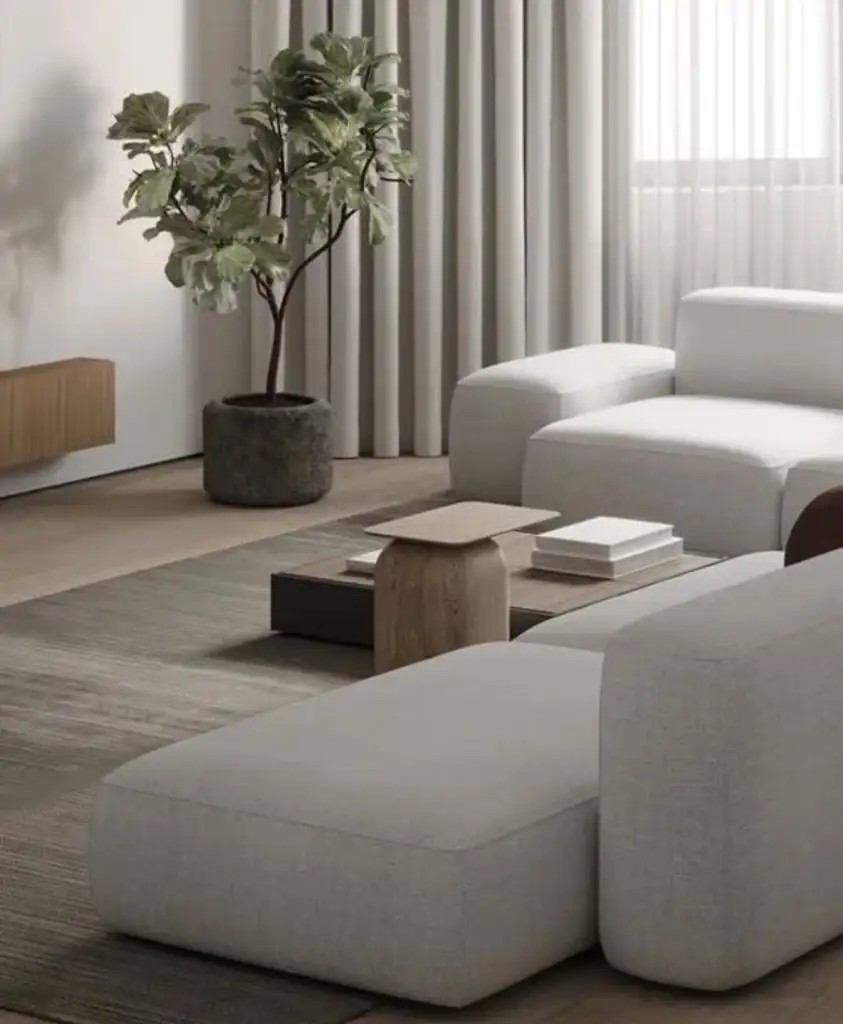
Step into a home where greenery does more than decorate—it guides you from the door, softens your living room lines, and lends quiet focus in your study. Radermachera sinica—better known as the China Doll Plant—has the elegant, mini-tree silhouette designers love: tiered, glossy leaves that read as architecture. Place it right, size the pot well, and pair it with tactile finishes, and you’ll have a living feature that looks curated yet stays healthy.
Meet your layered “mini tree”
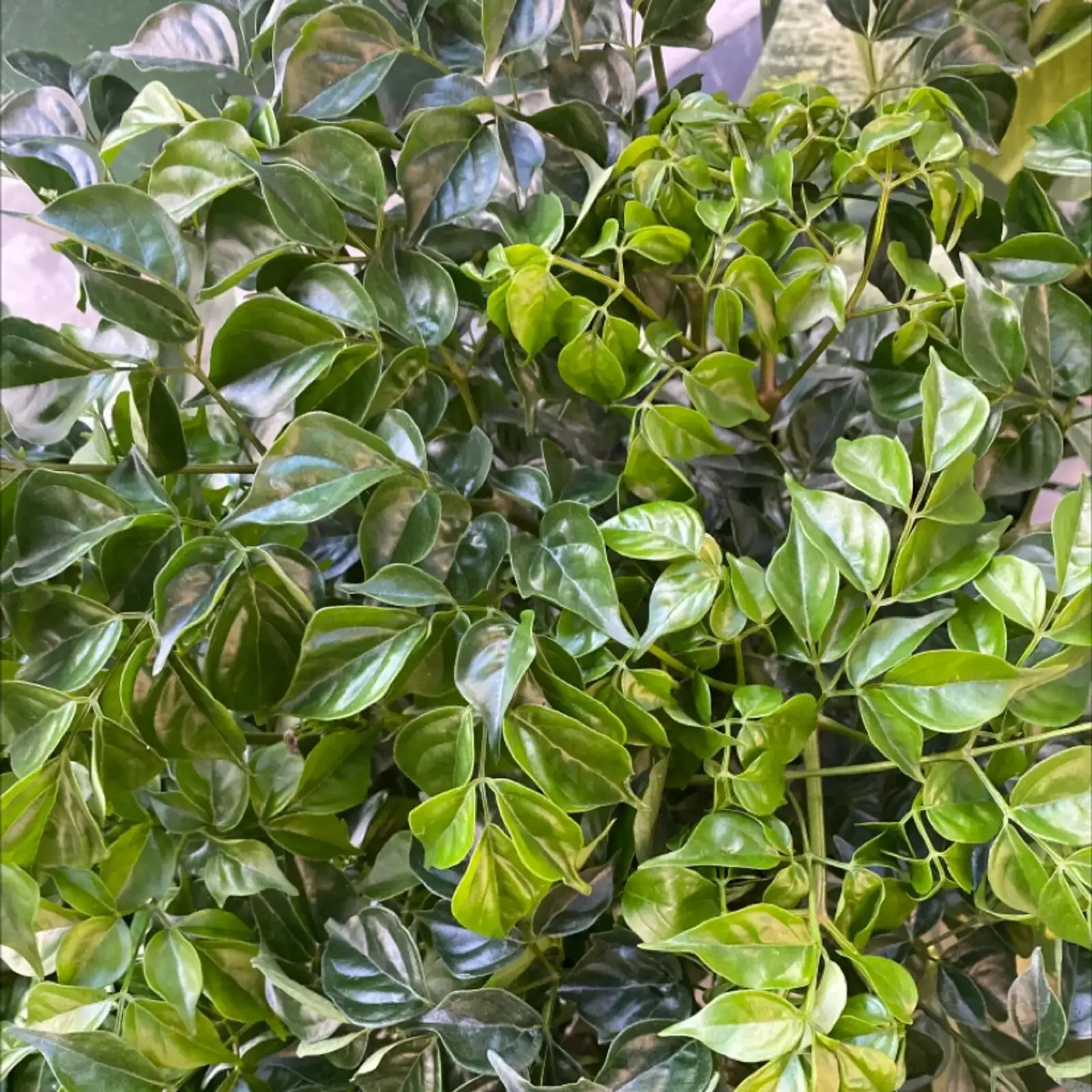
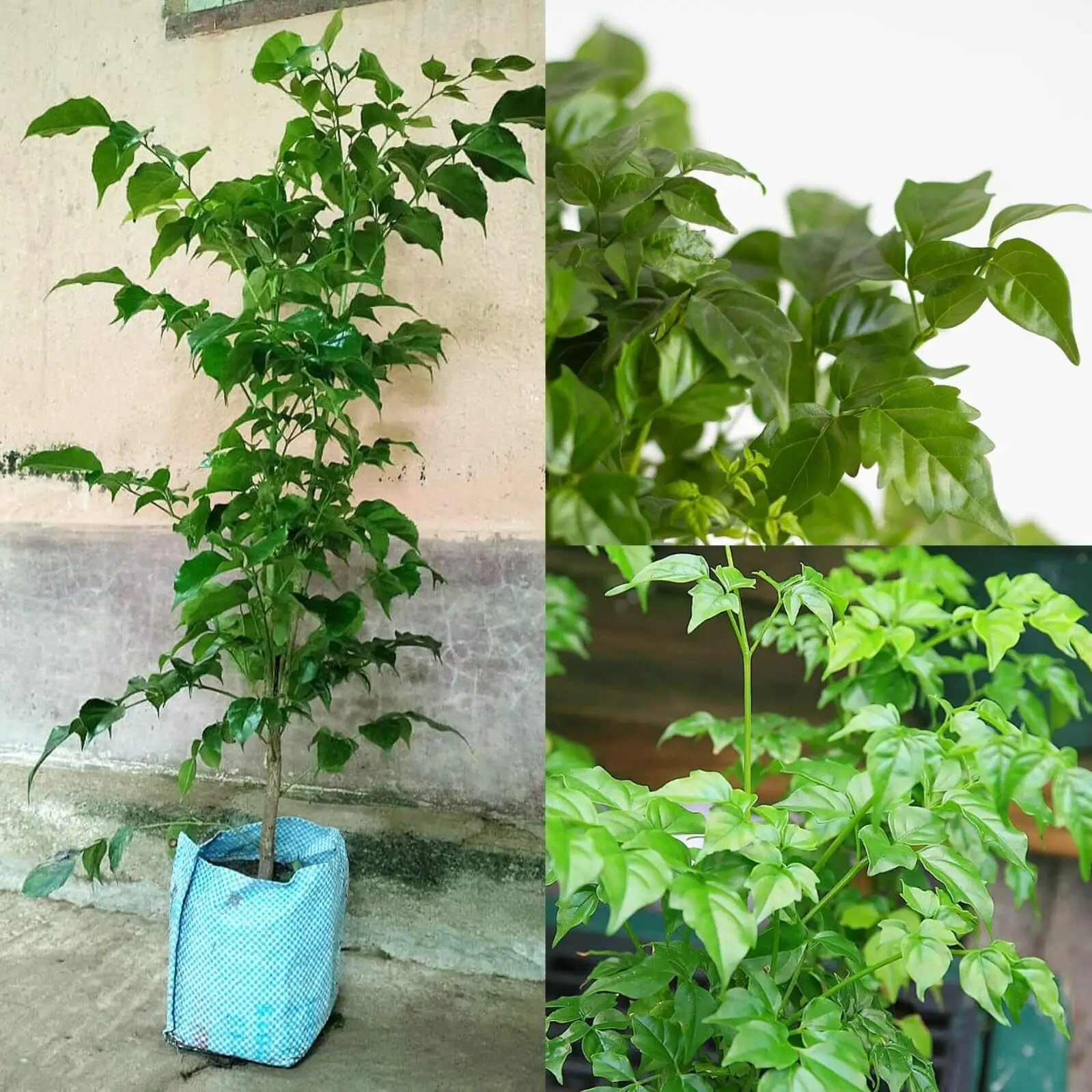
Radermachera sinica is an upright, bushy evergreen from southern China and parts of Southeast Asia. Indoors it typically reaches 2–6.5 ft (60–200 cm), forming naturally layered branches with small, glossy, deep-green leaflets. In bright, filtered light and steady warmth, it stays lush and precise—perfect for entryways, living rooms, and work nooks. It can be a little dramatic about change, though: low light, dry air, smoke, or cold drafts often mean leaf drop. Treat it like a design-forward guest that thrives on consistency.
Style it like a designer, care for it like a botanist
- Light: Bright, indirect to gentle sun; shield from harsh midday rays. East windows are ideal; filtered south light is great.
- Temperature: Warm and stable—best around 68–86°F (20–30°C). Keep above ~54°F (12°C) for good indoor performance; avoid dropping below 41°F (5°C).
- Humidity: Prefers ~60%+ with light airflow. Humidifier, pebble tray, or periodic misting helps (avoid leaving foliage wet late in the day).
- Water: Spring–autumn, water thoroughly and keep evenly moist, never soggy; don’t let the pot bone-dry. In winter, ease off—aim for “just moist.”
- Soil: Loose, fertile, free-draining mix with compost/leaf mold plus perlite or coarse sand. Always use drainage.
- Pruning: Pinch tips to keep a full, compact canopy; trim leggy shoots during active growth.
Now, let’s move room to room.
The Entryway: A green “welcome” that frames your threshold
Think of China Doll as a soft column that greets the eye.
Design placement
- Best spot: Within a couple of feet of an east-facing sidelight or a bright, open stairwell. For north-facing foyers, add a discrete grow light (4000–6500K) aimed from the side to keep that tiered habit dense.
- Avoid: Door blasts and winter chills. Keep it a step back from drafty doors and away from heating vents.
Pot and proportion
- Scale: Choose a planter that’s roughly one-third to one-half the width of the plant’s canopy; this visually anchors the “mini tree.”
- Height: A medium-tall cylinder or footed planter raises foliage above scuff level while keeping the silhouette tidy.
- Practicality: Use a nursery pot with drainage inside a decorative cachepot to keep floors clean. Weight the base (ceramic, stone) so it won’t tip.
Companion textures
- Entryway magic: Pair with a ribbed stone umbrella stand, a narrow oak bench, and a low-pile jute runner. Matte finishes and soft neutrals (oat, putty, sand) let the foliage be the “jewel.”

Keep it thriving
- Rotate a quarter turn every week or two for even branching.
- In dry seasons, a small, quiet humidifier near (not blasting) the plant helps maintain leaf gloss.
The Living Room: A layered canopy as a soft room divider
Use that tiered branching like a living screen—more poetry than wall.
Design placement
- Light angles: Place 1–6 ft from a bright window—closer for north/east, farther for south/west with sheers. Give it about 50–60% shade at midday in summer.
- Sightlines: Flank a large artwork, temper the edge of a sofa, or bridge the gap between two seating zones without blocking conversation.
Pot, stand, and scale
- Grouping: For long walls, try a tall China Doll in a 12–14 in (30–36 cm) planter plus a smaller, pruned companion in an 8–10 in (20–25 cm) pot for a tiered vignette.
- Stands: A slim black metal stand or low oak plinth makes the foliage feel like it’s floating—great for Japandi-inspired rooms where fewer, better objects shine.
Companion textures (without overwhelming)
- Materials: Linen upholstery, ash or oak woods, tumbled limestone or travertine side tables, and matte ceramic vessels echo the plant’s calm, glossy structure.
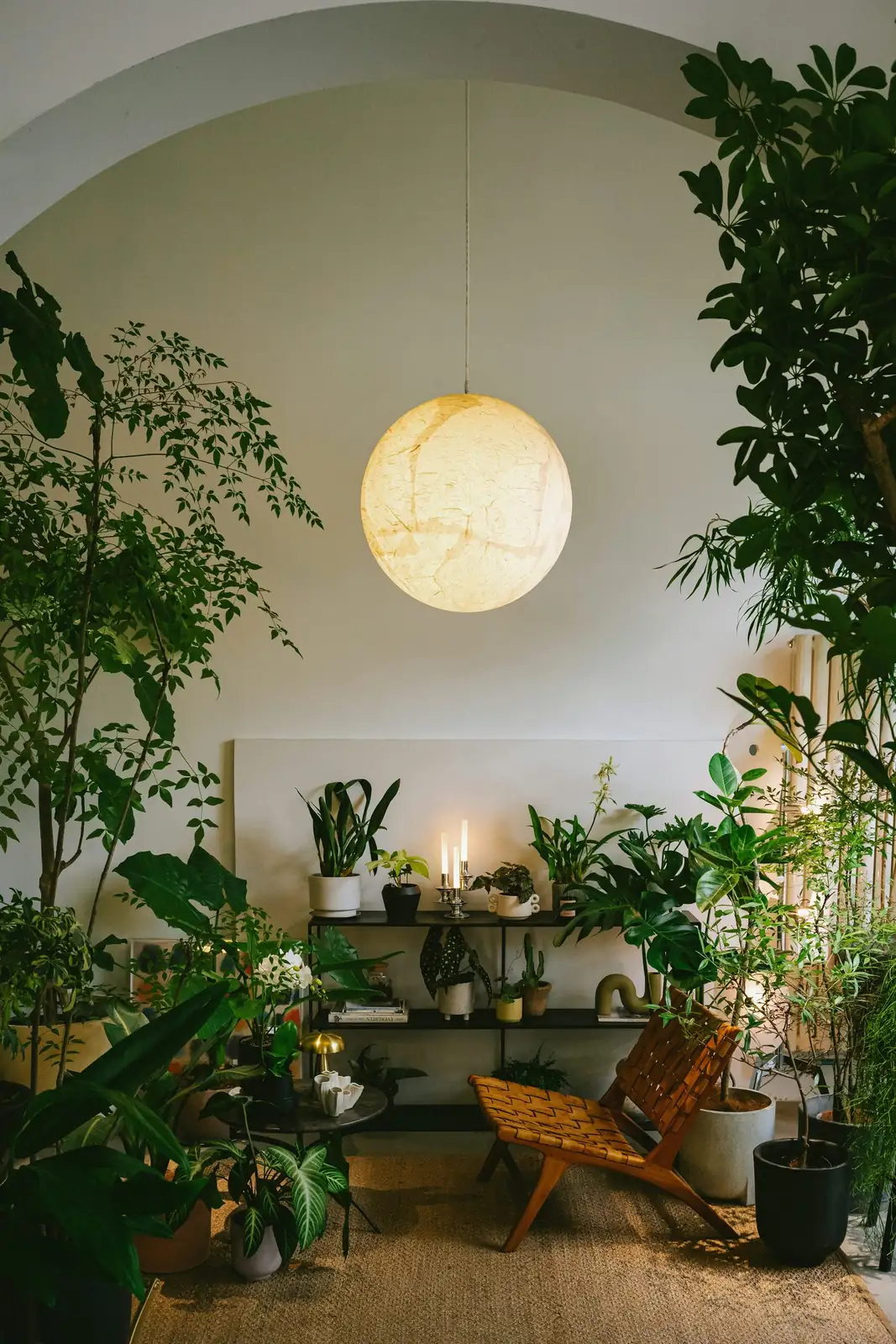
- Other plants: Keep it sparse. If you must pair, choose contrast in leaf shape and sheen (e.g., a single, sculptural sansevieria or a trailing hoya on a nearby shelf). Fewer plants = better airflow and fewer pest issues.
Care in the living zone
- Watering rhythm: During active growth, water thoroughly, then let the top inch just begin to dry. Many growers like a deep soak roughly every two weeks in summer, adjusting to your light and airflow.
- Air quality: Good ventilation is a must; avoid smoke and stagnant air. Stable warmth wins.
The Study Corner: A quiet muse for focused work
China Doll reads like a small tree beside your desk—green enough to refresh, orderly enough not to distract.
Design placement
- Put it slightly behind and to the side of your chair, near an east or bright, filtered window to avoid screen glare yet feed growth.
- A narrow planter tucked beside a bookshelf frames the vertical line of the shelves and “softens” hard edges.
Pot and companion finishes
- Go for a simple, chalky ceramic cylinder in warm gray or bone. Add a woven pencil cup, a linen pinboard, and a single black accent lamp for crisp contrast.
Health touchpoints
- Keep it off the radiator or under an AC vent.
- Pinch the top pair of leaflets periodically to keep the canopy compact and symmetrical beside the desk.
Light choreography: Make those tiers glow
- Morning sun, afternoon filter: East light delivers gentle sun that fuels fresh growth without scorching. South light works well behind a sheer; west windows often need a curtain during peak hours.
- Side-lighting = better form: Light from one side encourages those elegant lateral tiers. Rotate regularly for symmetry.
- Bounce it: Pale walls and light floors reflect bright, indirect light upward through the lower foliage.
Pots, stands, and the “architecture” of proportion
- Diameter: Indoors, common pot sizes range 12–25 cm (4.7–9.8 in) and scale upward with growth. Step up gradually when rootbound; don’t jump multiple sizes at once.
- Depth and drainage: Choose a pot deep enough for a steady root column and always with drainage holes. A layer of coarse material isn’t a substitute for proper mix and holes.
- Mix for structure: Use a quality potting soil enriched with leaf mold/compost, then open it with perlite or coarse sand so water moves cleanly through.
- Underfoot: A slim saucer felted underneath keeps floors safe and the silhouette clean.
Watering and humidity—without the drama
- Growing season (spring–autumn): Keep the mix evenly moist but not wet. Never let it dry to dust; never let it sit in water.
- Winter: Slow down—often about once every two weeks is plenty in typical homes, but always read the soil, not the calendar.
- Humidity: Aim for roughly 60%+. Misting every couple of days in summer can help, but pair it with good airflow and avoid wet leaves late in the day to reduce leaf spot.
- Temperature stability: Think steady warmth. Cold snaps and hot blasts trigger leaf drop.
Pruning and shaping for that sculpted canopy
- Pinch, don’t rush: Pinch soft tips regularly to encourage branching and a denser “tiered” look.
- Edit leggy shoots during active growth. The plant responds very well to shaping—it’s part of its charm.
- Want a small “tree”? Select a few main stems, keep lower nodes lightly thinned, and pinch upper tips for a rounded crown.
Decorative water or semi-hydro culture (for a gallery-clean look)
- Choose a plant with strong roots. Rinse soil away, trim damaged roots.
- Set into clean decorative stones: fill the vessel to about one-third, spread roots, then fill to four-fifths.
- Add water slowly; keep in bright, filtered light. Top up weekly (adjust for evaporation) and add hydroponic nutrients about monthly. Refresh water regularly for clarity and oxygen.
Troubleshooting, pests, and safety
- Leaf drop? Usually low light, dry air, cold drafts, or big temperature swings. Move to bright filtered light, warm it up, and raise humidity; ventilate gently.
- Pests: Scale and whiteflies can appear in warm, stagnant conditions. Treat early with insecticidal soap or horticultural oil and repeat as needed; isolate while treating.
- Leaf spot: Improve airflow; avoid wetting leaves late in the day; remove affected leaves.
- Toxicity: Generally regarded as non-toxic to people and pets, though chewing any plant can upset sensitive stomachs. Sensible to keep out of reach.
Flower language and symbolism
Often sold as a “happiness” or “good luck” plant, its name in Chinese (幸福树) nods to prosperity and contentment. This symbolism is modern and marketing-friendly rather than rooted in old legend—but it resonates: a well-tended China Doll embodies diligence, calm, and steady growth. Perfect cues for a study, an entry ritual, or the quiet heart of a living room.
Room-by-room styling checklist
Entryway
- East light or discrete grow light
- Medium-tall weighted planter; drainage pot inside
- Oak bench + matte stone accents
- Humidifier nearby in winter (not blasting the plant)
Living room
- Bright filtered window; sheer for midday protection
- Tall cylinder or stand to float foliage
- One or two statement plants, max, for airflow
- Linen, ash/oak, matte ceramics for serene contrast
Study corner
- Positioned to the side of desk near bright, filtered light
- Simple ceramic pot; soft, neutral palette
- Regular tip-pinching to keep the canopy compact
With the right pot proportions, thoughtful light angles, and a few tactile companions, Radermachera sinica becomes a living piece of interior architecture—layered, calm, and quietly commanding—without asking you to sacrifice plant health for style.