

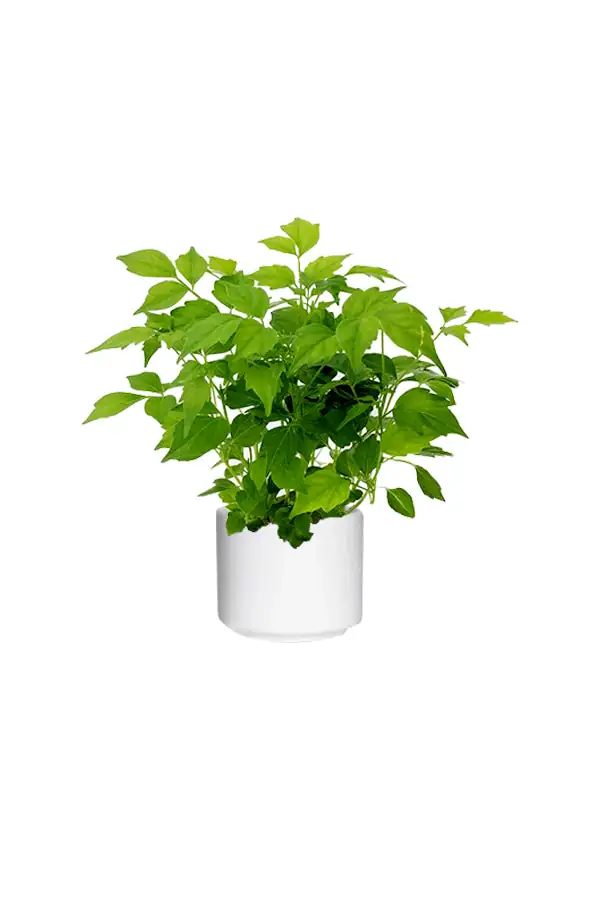
If you’ve ever walked into a bright lobby or a freshly opened office in East Asia and seen a perfectly groomed “mini tree” with tiers of glossy leaves tied with a red ribbon, you’ve likely met Radermachera sinica—the China Doll Plant, known in Chinese as Xingfu Shu, the “Happiness Tree.” It’s the very picture of tidy abundance, and its reputation for bringing good fortune isn’t an ancient legend carved in stone so much as a late-20th-century story written by nurseries, city life, and feng shui-friendly décor.
Here’s how a handsome foliage plant became a messenger of prosperity, diligence, and harmony—and why placing it in a study or gifting it at life’s turning points now feels like second nature.
Meet the plant behind the wish
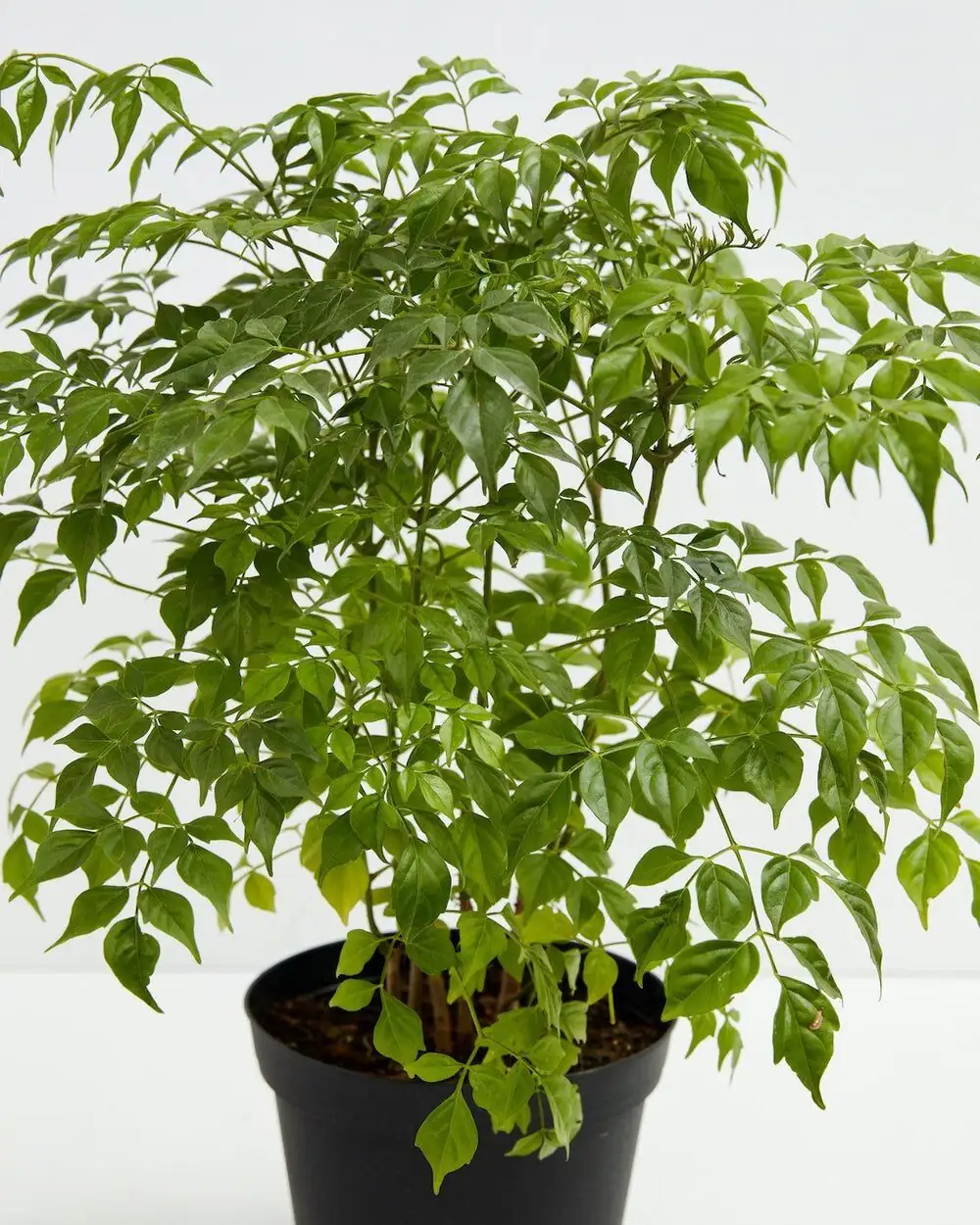
- Botanical identity: Radermachera sinica (family Bignoniaceae), also called China Doll, Chinese Trumpet Tree, Emerald Tree, Serpent Tree
- Origins: Southern China and parts of Southeast Asia; widely cultivated across warm regions
- Look and feel: Upright, evergreen, and elegantly layered—its many small, glossy, deep-green leaflets form neat “tiers” along woody stems, reading as a compact indoor tree
- Indoors: Usually 2–6.5 ft (60–200 cm). In the tropics outdoors, it can become a small tree
- Flowers: Showy creamy-white trumpets in warm conservatories or gardens; flowering indoors is uncommon—people grow it for the foliage
Care personality in a sentence: loves bright, filtered light, warmth, and steady humidity—and can be a little dramatic about it. If conditions dip (low light, dry air, cold drafts), it may drop leaves to voice its displeasure.
How “happiness tree” flower language blossomed (and why it’s modern)
Flower language (hua yu) in China has deep classical roots for certain plants (think plum, orchid, bamboo, chrysanthemum). But the specific “happiness tree” story is far more recent—very much a child of urbanization, apartment living, and the boom in houseplant retail.
The late-20th-century arc
- City life meets indoor greenery: As apartments and offices proliferated, so did the appetite for easy, upright “mini trees” that read well in corners and lobbies. Radermachera’s neat tiers photographed beautifully for catalogs and shop displays.
- Nursery marketing: Growers leaned into feel-good names that promised auspicious energy. “Happiness Tree” packaged Radermachera’s lush, evergreen look as a wish for good fortune and contentment—perfect for move-ins, new businesses, and promotions.
- Feng shui synergy: Feng shui traditions value living, vigorous greenery for its growth-oriented wood element; Radermachera’s vertical poise and dense leaves made it an instant fit for studies and offices, where focus and steady progress matter.
- A new vernacular of luck plants: Alongside other auspiciously named houseplants, “Happiness Tree” became a retail staple. While some plants picked up wealth-focused nicknames, Radermachera’s brand settled into happiness, harmony, and steady growth.
In short, the plant’s “flower language” wasn’t handed down from antiquity; it was harmonized by modern culture—nursery storytelling plus feng shui-inflected living—then embraced because it felt right in contemporary rooms.
What the “Happiness Tree” says: symbolism unpacked
- Prosperity: Evergreen fullness and glossy depth read as “thriving.” In décor, lush foliage suggests abundant qi (vital energy) and a future that keeps leafing out.
- Diligence and steady progress: This plant rewards consistency—bright filtered light, warm temperatures, and even moisture. Neglect it, and it sheds leaves. That temperament turned into metaphor: success follows regular care and attentiveness.
- Family harmony: The layered, tiered branching resembles a small canopy of “rooms,” evoking shelter and togetherness. As an indoor “tree,” it signals stability and continuity—a living wish for a peaceful household.
Why studies and offices adore it (and the feng shui logic)
Place a Happiness Tree in a study or office, and it sends two messages at once: a horticultural one and a cultural one.
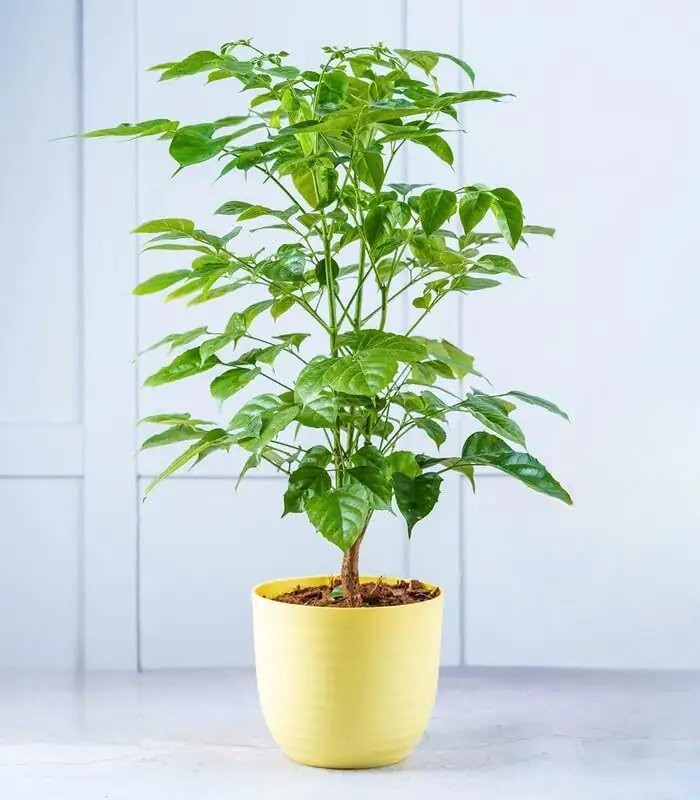
- Horticultural fit
- Light sweet spot: Bright, indirect light to gentle sun suits it well—an east-facing window or filtered south light is often ideal.
- Form factor: Naturally layered branching reads clean and composed beside a desk, bookcase, or meeting table.
- Air and warmth: Offices and studies often have steadier temperatures and better ventilation—exactly what this plant prefers.
- Cultural meaning
- Wood element uplift: In many feng shui traditions, upright, healthy green growth symbolizes learning, renewal, and purposeful momentum—great for career focus.
- Calm productivity: Its refined canopy creates a “quiet green” backdrop that suggests order and dedication.
Placement notes that please both plant and meaning:
- Near bright windows with filtered light; avoid harsh midday sun
- Away from heating/AC vents and cold winter glass
- Keep warm and stable—best growth around 20–30°C (68–86°F); aim to stay above ~12°C (54°F), and avoid dropping below ~5°C (41°F)
The gifting code: when a Happiness Tree says more than “congrats”

- Best occasions
- Housewarmings and new offices: A living wish for a smooth, prosperous start
- Promotions, graduations, or exam prep: A nod to diligence and steady success
- Business openings: A lobby-friendly symbol of growth and harmony for the team
- How to make the message clear
- Choose a compact, balanced plant with a dense, glossy crown (skip any that’s yellowing or actively dropping leaves)
- Present it with a simple ribbon or a tasteful pot; include a note with wishes for “steady growth, harmony, and happiness”
- In colder months, protect it from temperature shock during transport
- A considerate choice
- Generally regarded as non-toxic to people and pets in many houseplant references (still keep out of reach—chewing can upset sensitive stomachs)
- Tidy habit and minimal mess compared to many flowering gifts
Care that sustains the symbolism (and keeps the leaves on)
Think “even keel.” This plant loves routines more than surprises.
- Light: Bright, indirect light to gentle sun; tolerate light shade but expect slower growth
- Water: Spring to autumn, keep the mix evenly moist—but never soggy. Don’t let it bone-dry. In winter, reduce; often about once every 2 weeks, guided by how fast the mix dries
- Humidity: Prefers moderate to high humidity (around 60%+). Try a pebble tray, humidifier, or occasional misting with good airflow
- Temperature: Warm and steady is key; leaf drop follows chills, drafts, or big swings
- Feeding: During active growth, feed about monthly with a balanced, diluted fertilizer; pause in extreme heat and stop in winter
- Pruning: Pinch tips to encourage branching; prune leggy shoots during growth for a fuller canopy
- Repotting: In spring, step up gradually when rootbound; use a loose, well-draining mix with added perlite/coarse sand
- Semi-hydro style: Often displayed in decorative stones or water culture for clean, modern interiors—refresh water about weekly and add hydroponic nutrients monthly
Common stress signals and quick fixes:
- Sudden leaf drop: Usually low light, dry air, cold draft, or temperature swing—move to brighter filtered light, raise humidity, and stabilize temps
- Sticky pests like scale or whiteflies: Improve airflow and treat promptly with horticultural oil or insecticidal soap; isolate while treating
A quick identification and naming note
“Happiness Tree” is Radermachera sinica (the China Doll Plant). It’s sometimes confused in casual conversation with other auspiciously named houseplants. The friendly rule of thumb: look for those fine, many-parted, glossy leaflets arranged in tidy tiers—that’s your Radermachera.
Why the story stuck
The reason this modern flower language feels timeless is simple: the plant’s look, care, and cultural aspirations align. Radermachera sinica is evergreen, ordered, and quietly ambitious—all traits people want in a home or workplace. Place it by your desk, and it becomes a living promise: stay warm, keep the light good, show up day after day—and happiness has a habit of leafing out.