

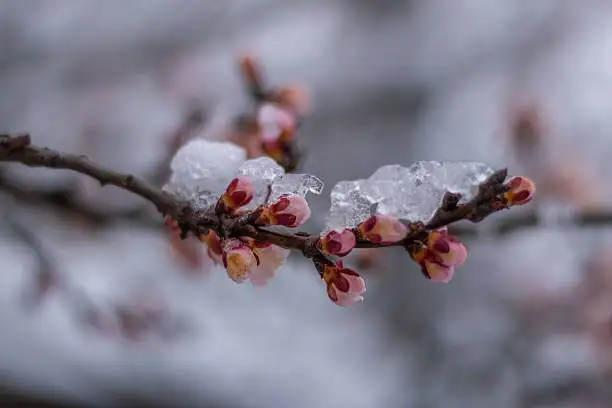
On a clear, cold morning, when gardens look like charcoal sketches and breath hangs in the air, a sweet, clean perfume cuts through the stillness. Look closer: on leafless wood, little five-pointed stars have opened. This is Prunus mume—ume, the Japanese apricot, the Chinese plum blossom—arriving ahead of spring and carrying an old promise: endurance today, renewal tomorrow.
A quick botanical cameo: why ume stands out
- Native range: China and the Korean Peninsula; later beloved across Japan and much of East Asia.
- Habit and look: a woody shrub to small tree with elegant, sculptural branching—equally at home in courtyards, gardens, and as bonsai.
- Bloom drama: intensely fragrant flowers from winter into early spring, often on bare branches. Colors run from white to pink to red; many cultivars exist, including doubles.
- Hardiness and temperament: tough once established, tolerant of cold and some drought, but it dislikes waterlogged soil. Excellent drainage and bright sun are non-negotiable.
- Living with it: cut branches perfume rooms; potted plants can be staged indoors for bloom if kept bright and cool.
All of this natural behavior—flowering on bare wood, scent carrying far in cold air—sets the stage for its cultural meanings. Ume doesn’t just survive winter; it blooms into it.
How “flower language” took root in China
Modern “flower language” (huayu) can suggest tidy, one-word meanings. Classical Chinese culture worked differently. Meanings weren’t assigned from a dictionary; they accumulated from centuries of poetry, painting, and lived observation. The plum’s “language” is really a layered code—part botany, part brushwork, part philosophy.
Poetry and ink: where character becomes image
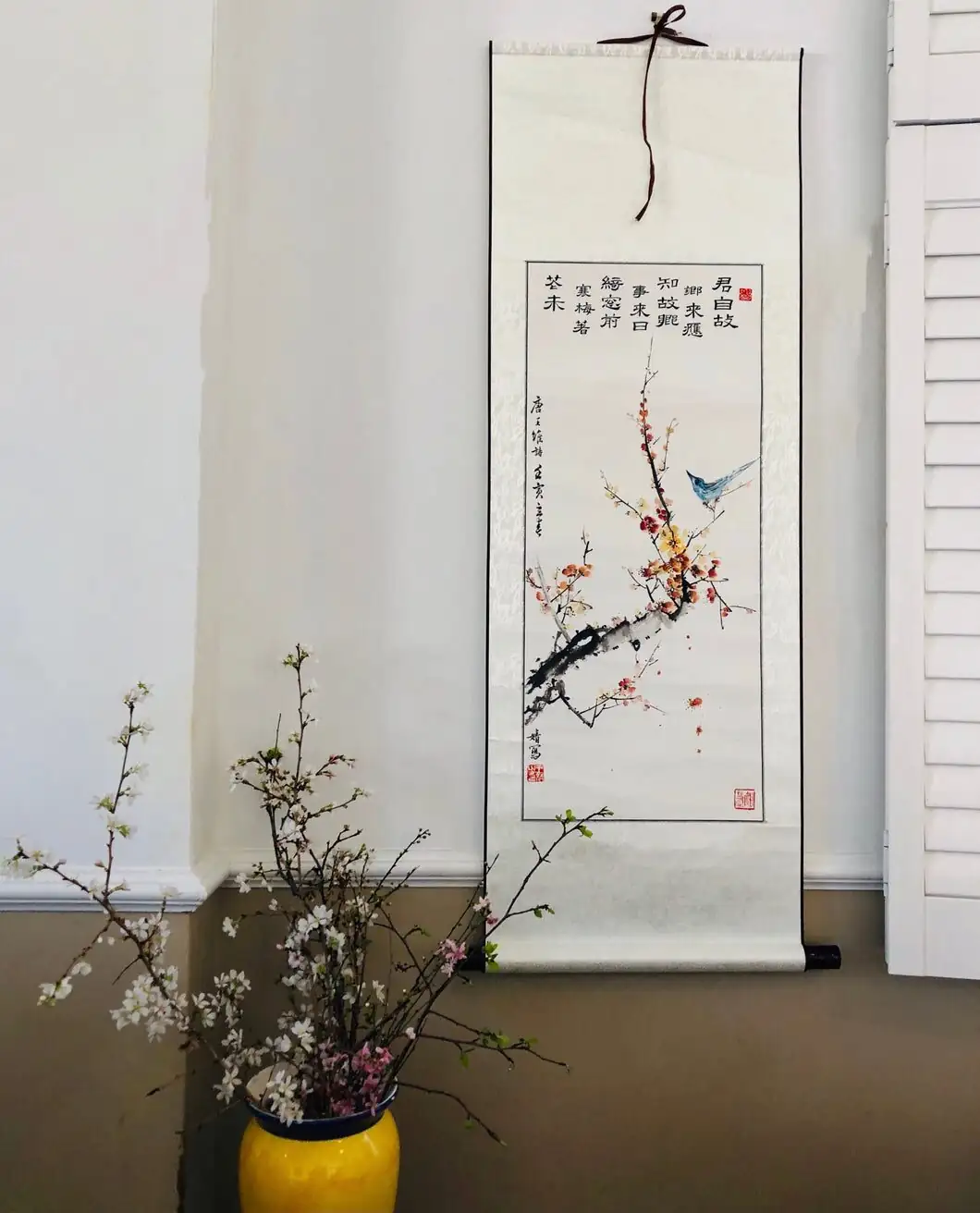
Song and Yuan literati painted and wrote the plum as a moral mirror. A few strokes could suggest:
- Gnarled old wood and new buds: integrity enduring through hardship, renewal nested in age.
- Sparse blossoms on cold inked twigs: restraint, purity, and inward strength.
- Fragrance in frost: the famous line “its perfume comes from bitter cold” turns a sensory fact into an ethic—virtue refined by trial.
Painters often inscribed poems right on the silk or paper, letting calligraphy, image, and seal marks converse. Reading a plum painting meant reading a life stance.
The Three Friends of Winter (pine, bamboo, plum)
Ume belongs to an elite winter fellowship:
- Pine stands for constancy (evergreen).
- Bamboo bends yet doesn’t break (resilience).
- Plum blooms earliest into the cold (courage and hope).
Together, they articulate a code of conduct: steadfast, flexible, and forward-looking even in adversity.
Five petals, five blessings
Most ume blossoms are five-petaled, and literati linked those five points to the Five Blessings (wufu):
- Longevity
- Prosperity/wealth
- Health/peace
- Love of virtue
- A good end or fulfillment in life
In art and décor, a single stylized blossom could invoke a complete wish for life’s well-being—elegant minimalism with maximal meaning.
The Four Gentlemen
Alongside orchid, bamboo, and chrysanthemum, plum is one of the “Four Gentlemen,” plants used by scholar-artists to practice brush discipline and to model inner cultivation. In this quartet, plum speaks for early spring and upright character.
Crossing seas to Japan: hanakotoba and seasonal rites
As Chinese aesthetics flowed to Japan, ume arrived early—well before cherries stole the spring spotlight—and took root in court poetry, garden design, and shrine lore.
Hanakotoba: refined echoes, local accents
Japanese flower language distilled ume’s virtues into elegant watchwords. While not fixed across all eras, common associations include:
- Elegance and nobility
- Purity and sincerity
- Steadfast affection and perseverance
In haiku and seasonal poetry, ume is an early-spring kigo, the first bright syllable after winter’s pause. Its timing carries the meaning as much as any word list.
Rituals of return: festivals, shrines, and study prayers
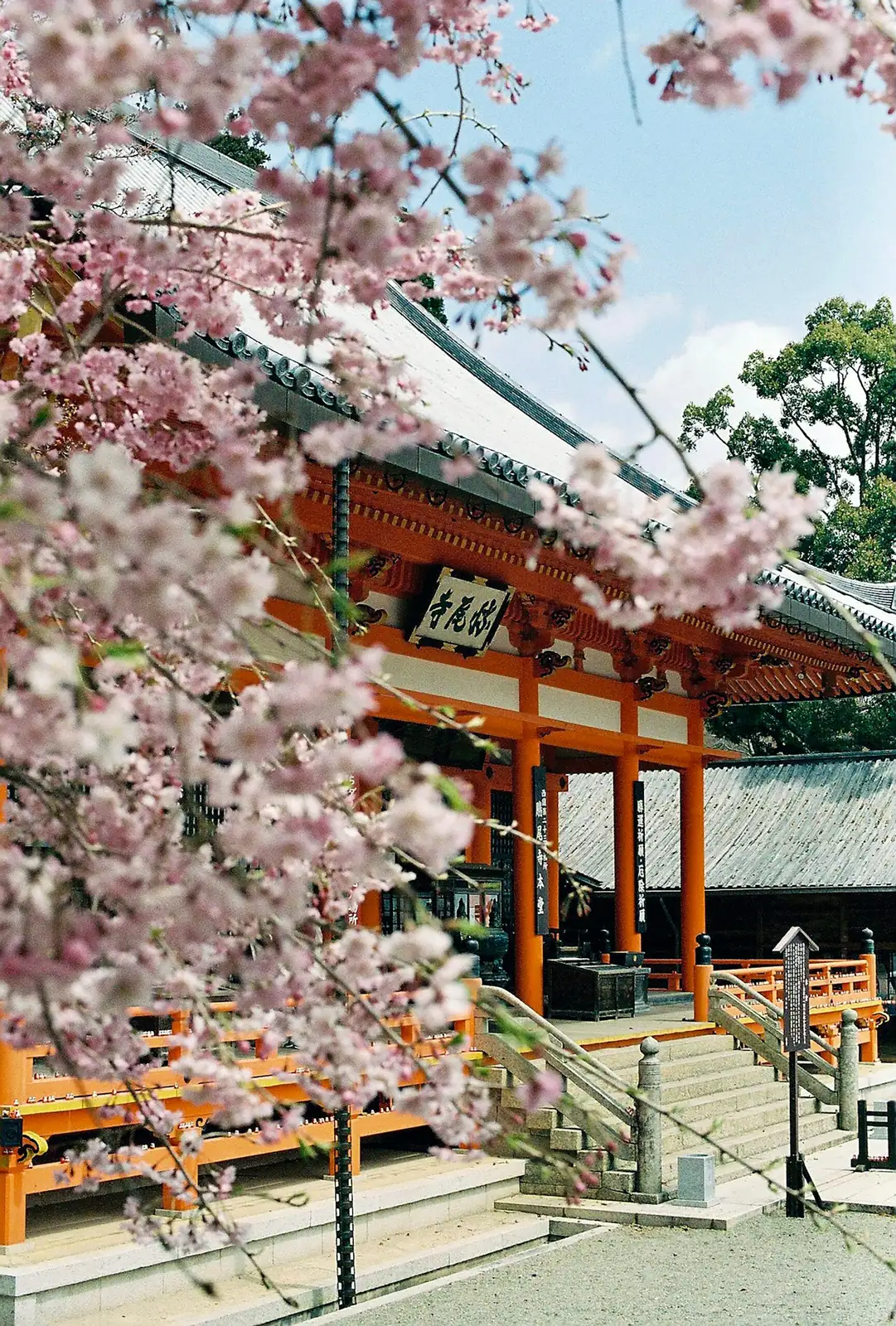
- Ume matsuri (plum festivals) animate gardens and temple grounds from late winter into early spring; people stroll under fragrant boughs the way they later do under cherry clouds.
- Tenmangū shrines (dedicated to Sugawara no Michizane, deity of scholarship) are famously planted with ume. Students leave votive tablets beneath blooming trees, seeking success as the season turns.
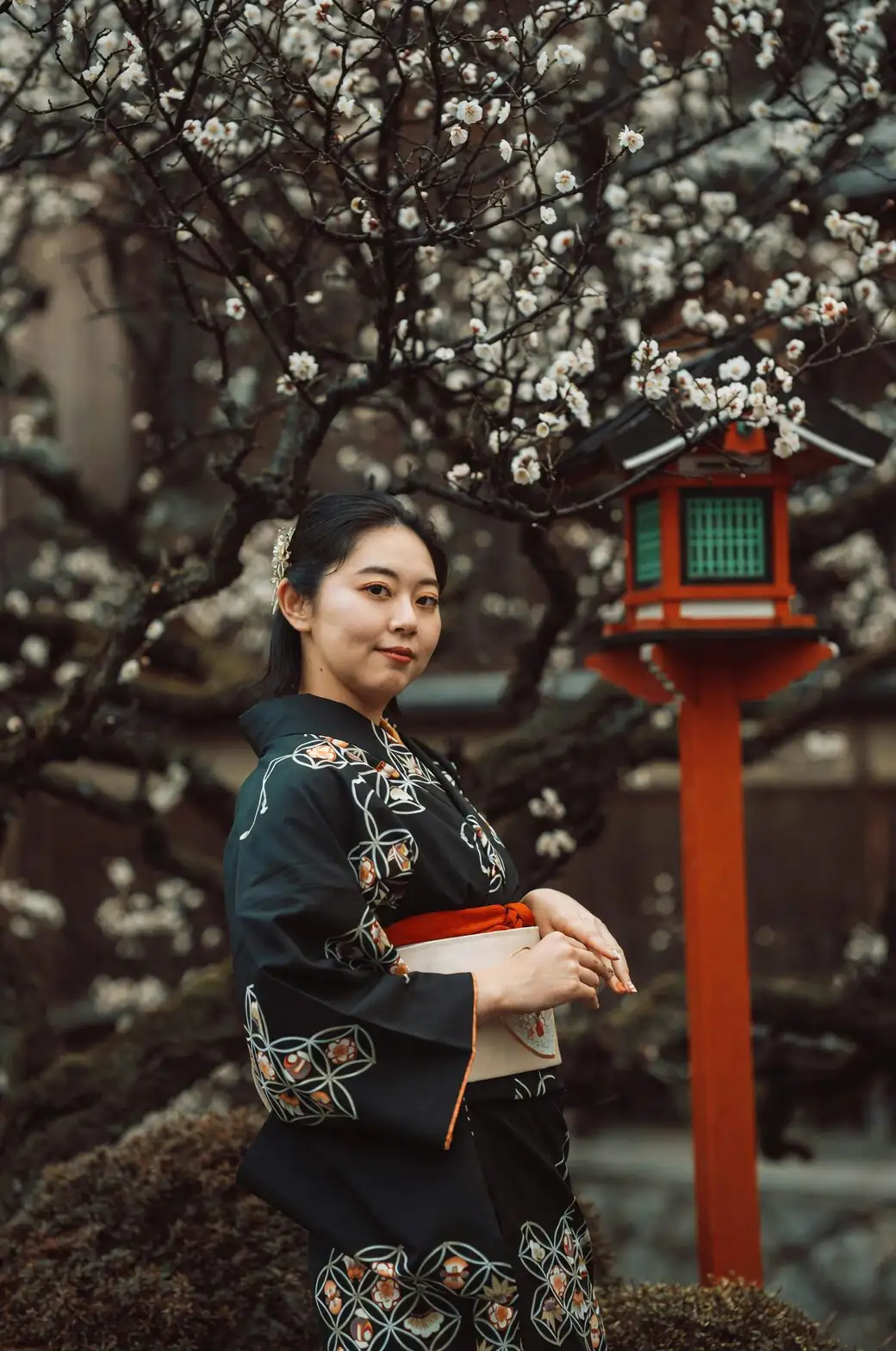
- Kimono, tea sweets, and new-year-through-early-spring motifs feature stylized five-petal plums—miniature invocations of blessing and seasonal renewal.
Ume never lost its Chinese-derived gravity, but Japan tuned the symbolism to local practice: early fragrance as elegance, winter-blooming as dignified endurance, and five petals as an auspicious seal on daily life.
Why ume signals spring’s return—and a steadfast spirit
- Ecology underwrites symbolism. Ume sets its flower buds earlier than many trees and needs winter’s chill to cue bloom. When the cold is deepest, the plant is already poised.
- It flowers on bare branches, so each blossom reads like a lantern in a leafless room—clarity against austerity.
- Its clean fragrance diffuses better in cool, dry air, so we literally sense renewal on the wind before we see leaves.
Across East Asia, this timing made ume a perennial messenger: winter is still here, but change has begun. That is why, in poems and paintings alike, it doesn’t merely decorate the season; it defines its turning point.
How to “read” a plum painting or poem (a quick field guide)
- One old trunk, few blossoms: integrity and restraint; virtue unadorned.
- Snow with plum: purity proved in trial; beauty against hardship.
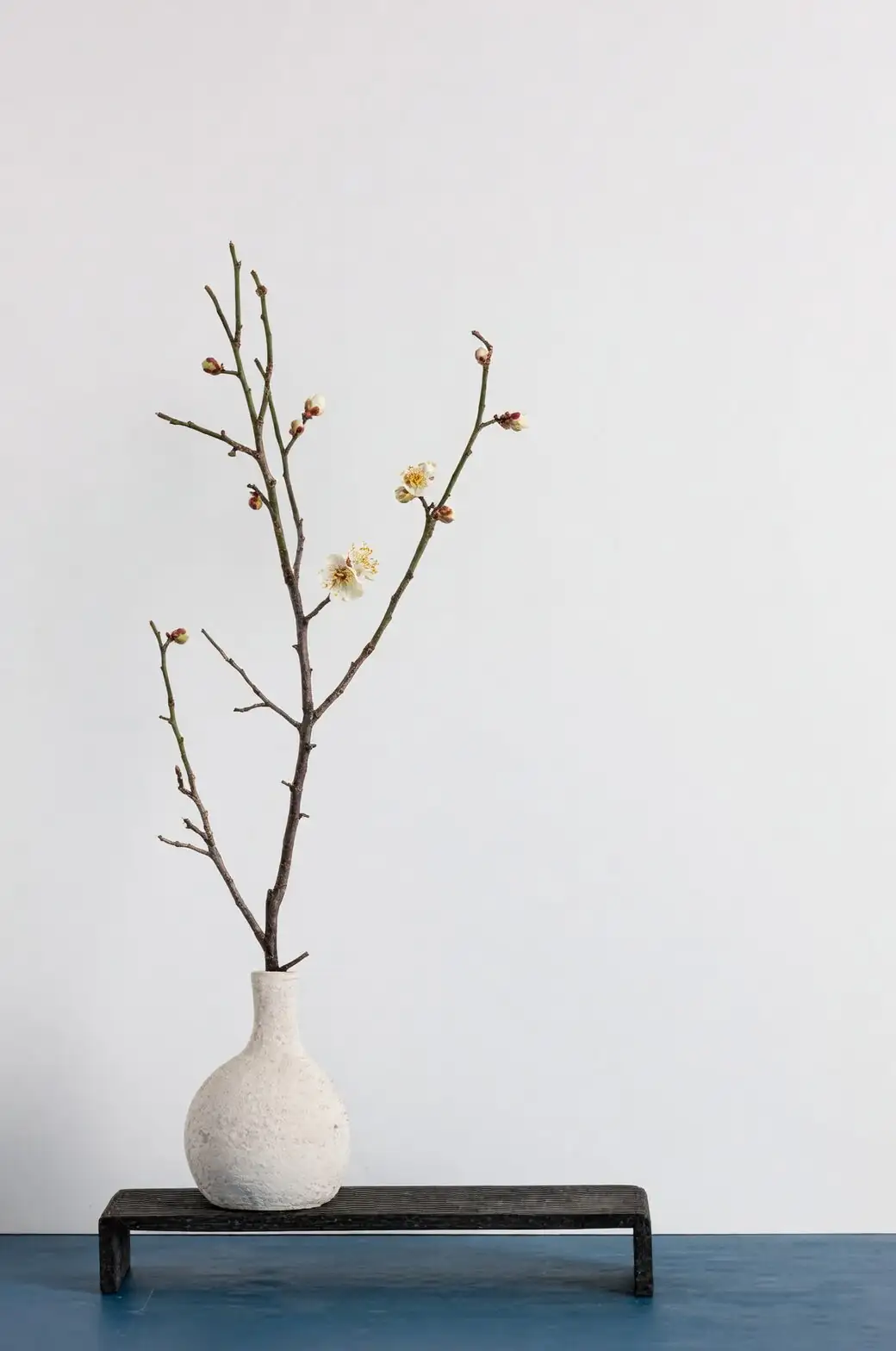
- A single cut branch in a vase: cultivated simplicity and the scholar’s room in winter.
- Five-petal emphasis or stylized rosette: a wish for the Five Blessings.
- Sparse ink, negative space: the unsaid is as important as the said—like winter itself, pared back to essentials.
Growing a small piece of that spirit at home
Want the season’s first whisper on your own windowsill or patio? A few gardener’s notes in harmony with its cultural life:
- Light and air: full sun is best; bright, cool conditions during flowering prolong the show.
- Temperature: it relishes cool-to-mild weather; indoor heat shortens bloom. For potted displays, a bright, cool spot extends fragrance and flower life.
- Water and soil: steady moisture during growth and bud set, but never let roots sit in soggy soil. Use a fertile, very free-draining mix in containers.
- Pruning rhythm: immediately after flowering, shorten last year’s spent shoots; this simple, timely cut is key to next year’s blossom-laden twigs.
- Displays: bring a potted plant or a cut, budded branch indoors just as colors show—perfume will unfurl as the season turns.
The last note: courage in bud, renewal in bloom
Prunus mume earned its meanings the honest way—by blooming into winter, not after it. Chinese poets and painters gave that fact a moral edge; Japanese rites and hanakotoba smoothed it into seasonal grace. Across languages and centuries, the message holds: steadfastness is not stasis, and hope is not a fantasy. They are buds already formed, ready to open at the coldest hour—fragrant proof that spring is on its way.