

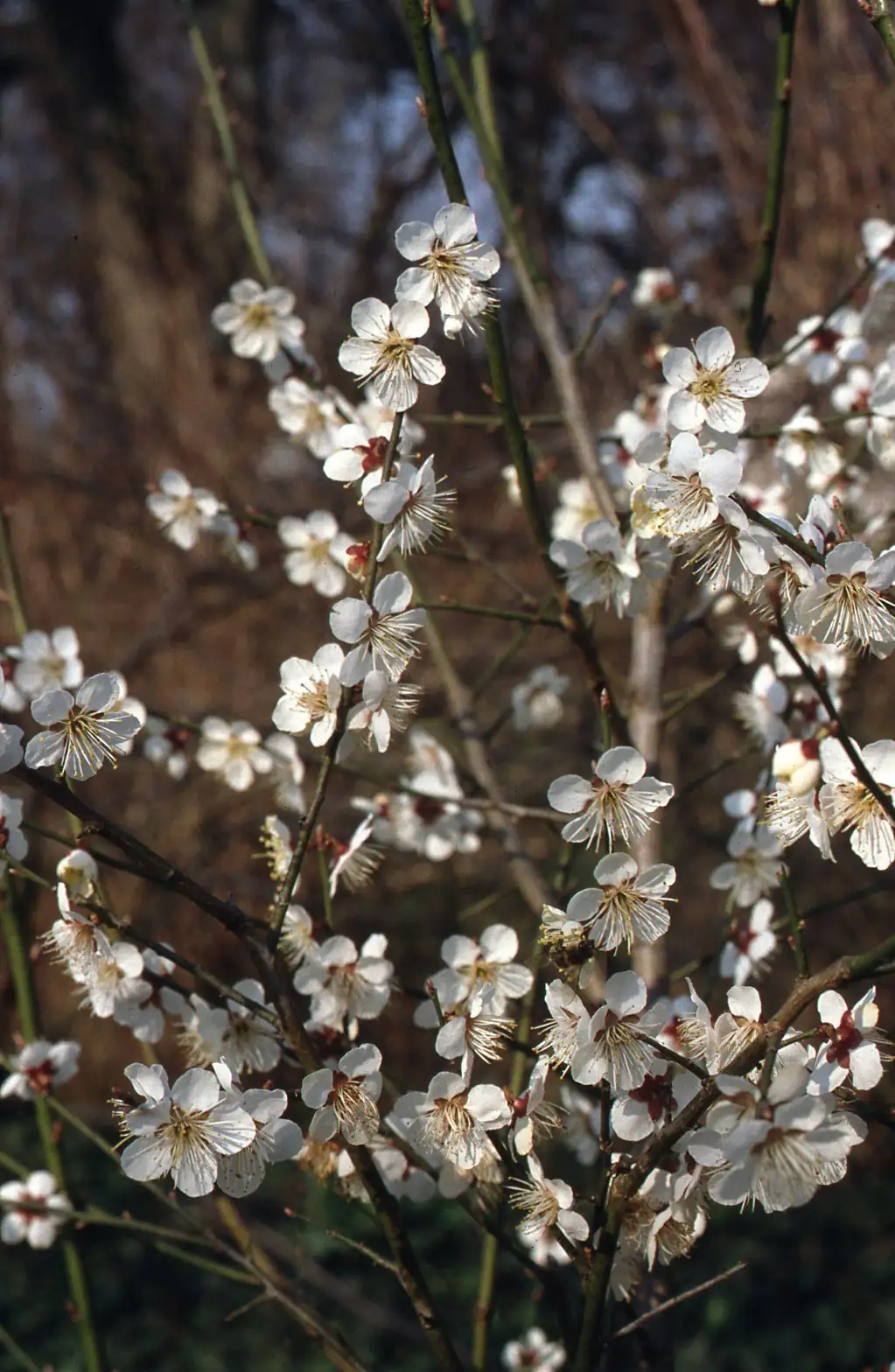
In the quiet weeks when winter still lingers, Prunus mume (Japanese Apricot, 梅花) steals the stage—perfuming the air with spicy-sweet blossom and studding bare wood with white, blush, or red stars. To coax that late-winter magic every year, think like a conductor: set the light, temperature, soil, water, and pruning to the right rhythm—then let mume sing.
Meet Prunus mume, the cool-season showstopper
- Names and origin: Prunus mume, Japanese Apricot, Chinese Plum, Japanese Flowering Apricot, Mume/Ume—native to China and the Korean Peninsula, cherished across East Asia.
- Habit: Deciduous woody shrub to small tree; elegant branching, highly responsive to pruning and training (excellent for bonsai).
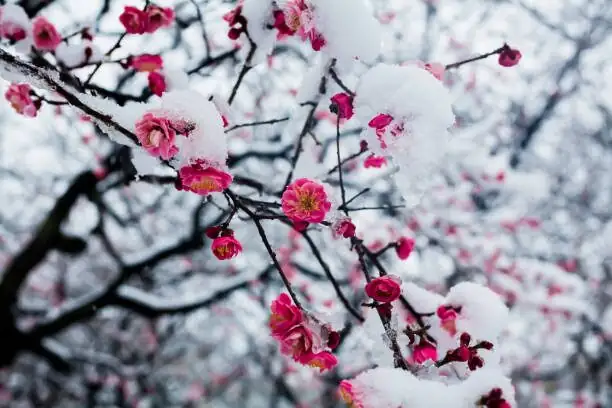
- Bloom: Intensely fragrant flowers in winter to early spring, often opening before leaves—cultivars range from single to full double, in white to deep pink-red.
- Best conditions: Full sun, cool air during flowering (around 8–10°C indoors prolongs the display), and—above all—excellent drainage. It tolerates cold to roughly -10°C for many cultivars once established but dislikes soggy roots and prolonged indoor heat.
The season-by-season strategy
Late winter: Stage the bloom
- Light: As bright as you can give it. Outdoors, full sun; for a potted plant brought indoors for the show, place it in very bright light.
- Cool counts: To stretch the display, keep an indoor-blooming plant around 8–10°C (46–50°F) in a cool entryway or bright, unheated room. Warm rooms and heaters drastically shorten bloom and may trigger premature leaf drop.
- Water: Keep evenly moist but never soggy. Water when the surface just begins to dry. No saucers of standing water.
Pro tip: Cut branches also make classic, perfumed vase displays—choose stems studded with plump buds and only a few open flowers.
Right after flowering: The make-or-break prune (and often repot)
Immediate post-flower pruning sets next year’s show.
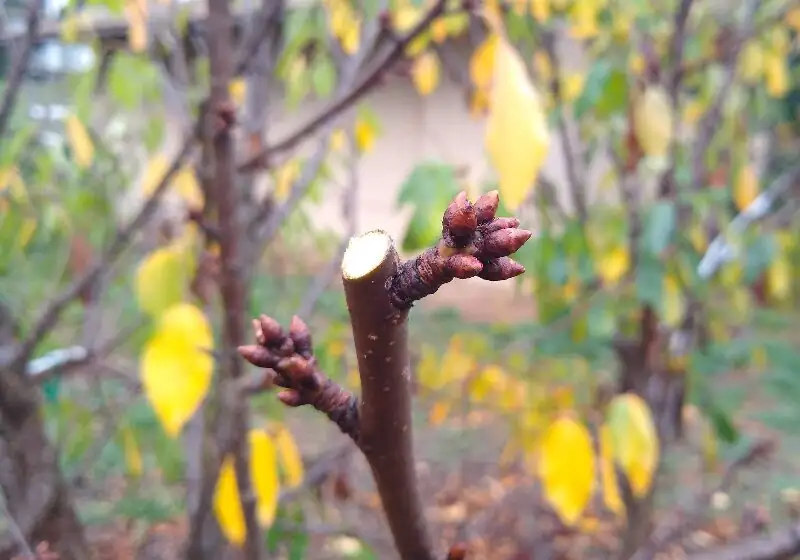
- Hard-prune spent one-year shoots: Cut them back to about 1–2 cm (0.4–0.8 in), typically leaving 2–3 buds at the base.
- Thin and refine: Remove crowded, weak, crossing, or inward twigs. Aim for an airy, graceful framework and good light penetration.
- Repot window: After flowering and before vigorous spring growth, repot on a mild, bright day.
- Root work: Trim dead/rotted roots; shorten long roots lightly.
- Mix: Use a fertile, very free-draining, loam-based medium amended with compost/leaf mold plus plenty of coarse sand/grit. Many growers add a small amount of bone meal or a balanced slow-release phosphorus source. Avoid heavy, water-retentive mixes.
- Pot: For display plants, pots around 20–25 cm (8–10 in) diameter are common; keep container specimens compact (often under 50 cm tall).
Spring: Build healthy shoots, not lush excess
- Sun: Full sun—aim for 6+ hours daily; this species is not shade-tolerant.
- Water: Water deeply, then let the surface begin to dry before watering again.
- Feed: Apply 1–2 light feeds during spring shoot extension. It’s a light feeder in pots.
- Training: Pinch or shorten overly long upright shoots to balance the canopy. Wire carefully only if you won’t dislodge tender buds.
Watchlist: Powdery mildew thrives in stagnant humidity—ensure airflow, avoid late-day overhead watering, and remove badly affected growth promptly.
Late spring to early summer (May–June): Nudge bud set
This is the finesse move that pays off next winter.
- Watering shift: Slightly reduce watering (gradually—never let it wilt). A subtle drier phase encourages flower-bud differentiation.
- Feeding pivot: From late June, reduce fertilizer to avoid pushing soft, leafy growth at the expense of next year’s flowers.
- Canopy management: Remove water sprouts and unwanted shoots; pinch vigorous shoots after 5–6 leaves to control length and keep light reaching interior twigs.
Midsummer through autumn (July–October): Steady, steady, steady
- Moisture: Maintain even moisture—drought stress in this window can cause leaf drop and poor bud set. Keep just a touch on the drier side in midsummer, but never bone-dry.
- Heat caution: Prolonged indoor heat above about 30°C (86°F) can cause leaf drop. Keep plants outdoors with good airflow; avoid enclosed, heat-trapping spots.
- Feeding: In early autumn as buds firm up, give one additional light feed—often with a slightly bloom-supporting balance. Avoid heavy nitrogen.
- Hygiene: Keep leaves dry going into evening; continue mildew and aphid scouting.
Late autumn into winter rest: Quiet care before the overture
- Watering: After leaf fall, water less—but don’t allow the root ball to fully dry. Water sparingly, ideally at midday on sunny days. Never let the pot sit in water.
- Light: Keep it bright. Many cultivars tolerate lows near -10°C (14°F); protect potted roots from severe freezes.
- Pre-bloom tidy: Before flowering, shorten any overly long upright shoots to maintain balance—take care not to remove critical flower buds.
When buds color and swell, you can bring a potted plant indoors to a bright, cool spot (8–10°C) for the bloom finale—then return it outdoors.
Watering rhythm at a glance
- Spring growth: Thorough waterings; let the surface begin to dry between.
- Late spring–early summer: Slightly drier (no wilting) to encourage bud set.
- Midsummer: A touch drier but never bone-dry; keep airflow high.
- Mid-summer–autumn: Steady, even moisture—critical for holding leaves and setting quality buds.
- Autumn–winter (leaf-off): Reduce, but never let the rootball fully dry; water sparingly and avoid standing water.
Sun, temperature, and airflow
- Sun: Full sun is best—at least 6 hours of direct light daily.
- Temperature: Prefers cool-to-mild 8–20°C (46–68°F). For longest indoor bloom, target 8–10°C. Heat above ~30°C, especially indoors, can trigger leaf drop.
- Air: Moderate humidity with good airflow to discourage mildew; avoid stagnant, overly humid pockets.
Soil and potting mix that mume loves
- Goal: Fertile yet very fast-draining.
- Container recipe: Loam-based soil + compost/leaf mold + generous coarse sand/grit. Optional: a small dose of bone meal or balanced slow-release phosphorus source.
- Non-negotiables: Avoid heavy, water-retentive mixes and never allow the pot to stand in water—waterlogging is the number-one cause of decline.
Feeding, tuned to the bloom cycle
- Spring: 1–2 light feeds during shoot extension.
- After late June: Reduce fertilizer—too much feed now reduces next year’s bloom potential.
- Early autumn: One additional light, bloom-supportive feeding as flower buds form.
- In-ground plants: Many gardeners top-dress with organic matter around the dripline in winter.
Pruning and training: The art behind the fragrance
- Post-flower hard prune: Right after bloom, cut spent one-year shoots back to ~1–2 cm, typically leaving 2–3 buds. This is the single most important step for next year’s flowers.
- Summer control: Thin excess shoots, remove water sprouts, and pinch long shoots after 5–6 leaves.
- Winter balance: Before flowering, shorten overly long upright shoots to maintain proportion.
- Bud savvy: Learn to distinguish leaf buds from flower buds to avoid removing your next display—retain outward-facing buds to guide graceful structure.
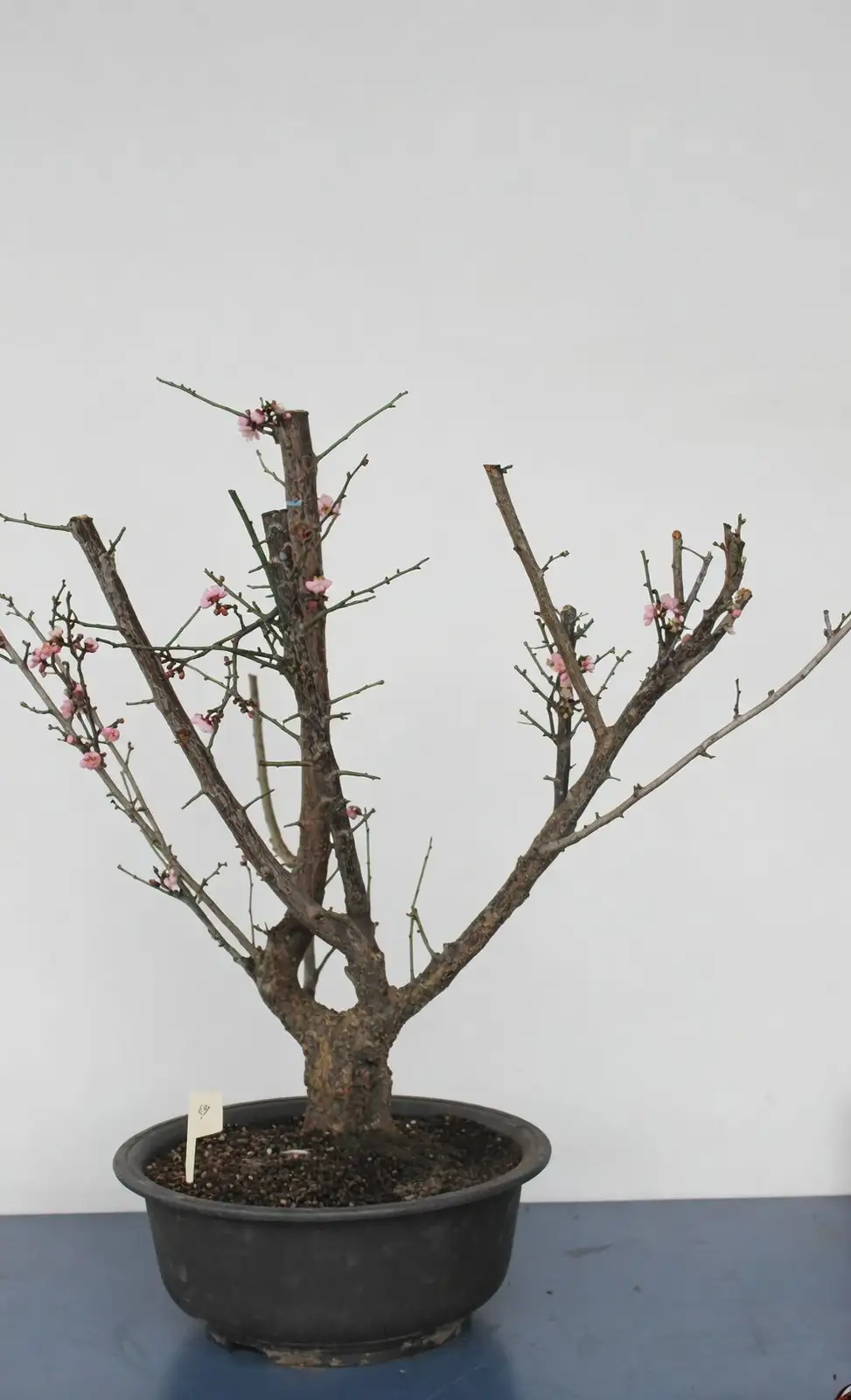
Bonsai note: Mume responds vigorously to pruning and training, buds readily on old wood, and rewards careful wiring—just avoid knocking off fragile buds.
Propagation windows for enthusiasts
- Hardwood cuttings (winter to early spring): Use 1–2-year shoots 10–18 cm long; root in a sandy medium kept around 20–25°C (68–77°F). Rooting often takes 30–40 days; a brief IBA dip (~0.5% for 5–10 seconds) can help.
- Softwood cuttings (May–June): Possible with frequent misting.
- Air-layering: Early spring before bud break, or after summer shoots mature; ring-bark a two-year branch, wrap with moist leaf mold/compost and plastic, then sever and pot once rooted.
- Grafting: Common in mid-March or mid-to-late September on appropriate Prunus rootstocks (apricot, plum, peach types) to tune vigor and resilience.
Troubleshooting: Quick diagnostics
- Few buds this year?
- Most often missed timing or too-light post-bloom pruning. Next year, hard-prune spent one-year shoots to ~1–2 cm (leave 2–3 buds), thin and pinch in summer, avoid waterlogging, and reduce feeding after late June.
- Leaves dropping in summer?
- Heat stress (especially indoors above ~30°C) or drought swings after midsummer. Move outdoors with airflow, keep steady moisture (not soggy), and avoid hot, enclosed spots.
- Powdery mildew?
- Improve airflow, avoid late-day overhead watering, remove affected leaves/shoots early, and use an appropriate fungicide if needed.
- Aphids on soft tips?
- Rinse off or use insecticidal soap/targeted controls.
- Borer trouble in stressed wood?
- Prune out infested branches, improve overall vigor, and apply locally permitted borer controls.
Safety note
Like many Prunus species, the seeds/kernels (pits) can contain cyanogenic compounds. Keep pits away from children and pets.
Flower language and cultural resonance
In East Asian arts and literature, Prunus mume symbolizes resilience and steadfast hope: the first courageous bloom in cold air, promising spring’s return. That meaning likely arises from its habit of flowering on bare, winter-dark branches—beauty defying the season, fragrance carried on crisp air. Displaying a potted mume or a vase of cut branches indoors isn’t just decoration; it’s a seasonal ritual that celebrates endurance and renewal.
A quick kit for success
- Full sun and brisk air; bring potted plants indoors only for the bloom show—and keep that room cool.
- A free-draining, loam-based mix with coarse grit; no waterlogged pots, ever.
- Water by season: slightly drier May–June, then steady moisture from midsummer through fall.
- The all-important post-flower prune: cut back spent one-year shoots hard, then thin and pinch through summer.
Dial in this rhythm and your Japanese Apricot will repay you with the most uplifting winter performance—fragrance first, petals next, and a promise that spring is on its way.