

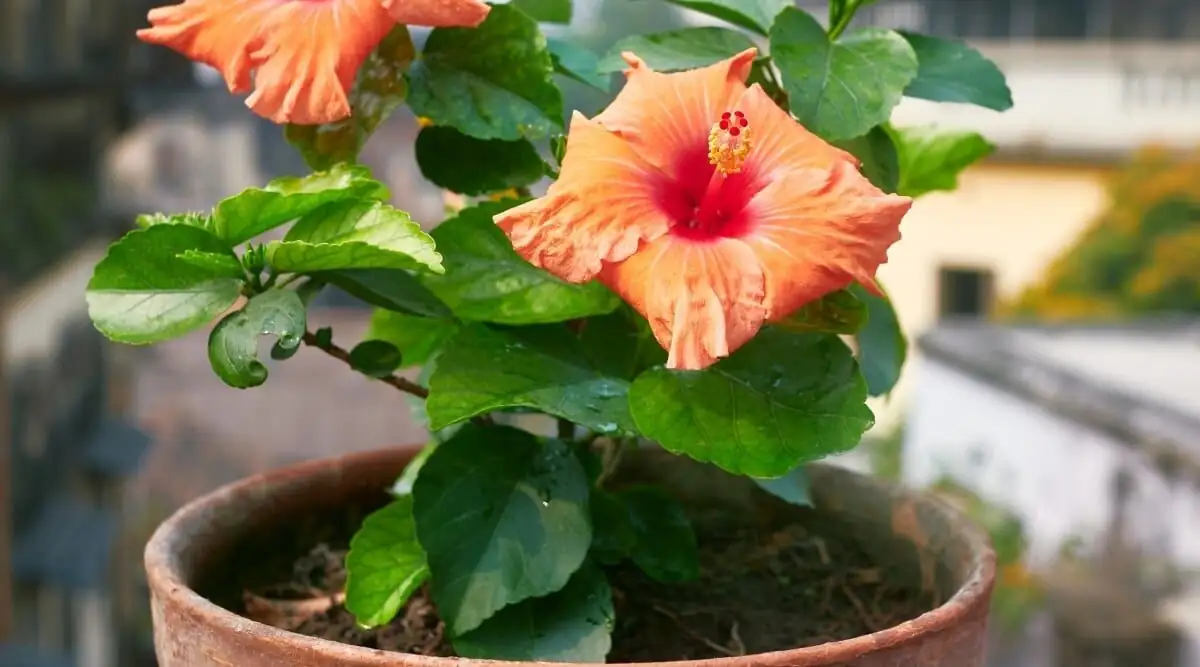
Imagine a glossy, jewel-box shrub that tops out at 50 cm, throws out one flamboyant bloom after another, and makes your patio feel like a boutique resort. That’s Chinese hibiscus (Hibiscus rosa-sinensis)—tropical, sun-loving, and made for design-forward, compact displays. With smart potting, pruning, and placement, you can keep plants densely branched, endlessly floriferous, and beautifully composed on even the smallest balcony.
H2: Meet Chinese Hibiscus at Patio Scale
- Botanical profile: Hibiscus rosa-sinensis (Malvaceae), also called Chinese Hibiscus, Tropical Hibiscus, Rose of China, Hawaiian Hibiscus, and Shoe Flower. Origin: Tropical Asia; now cultivated across warm regions.
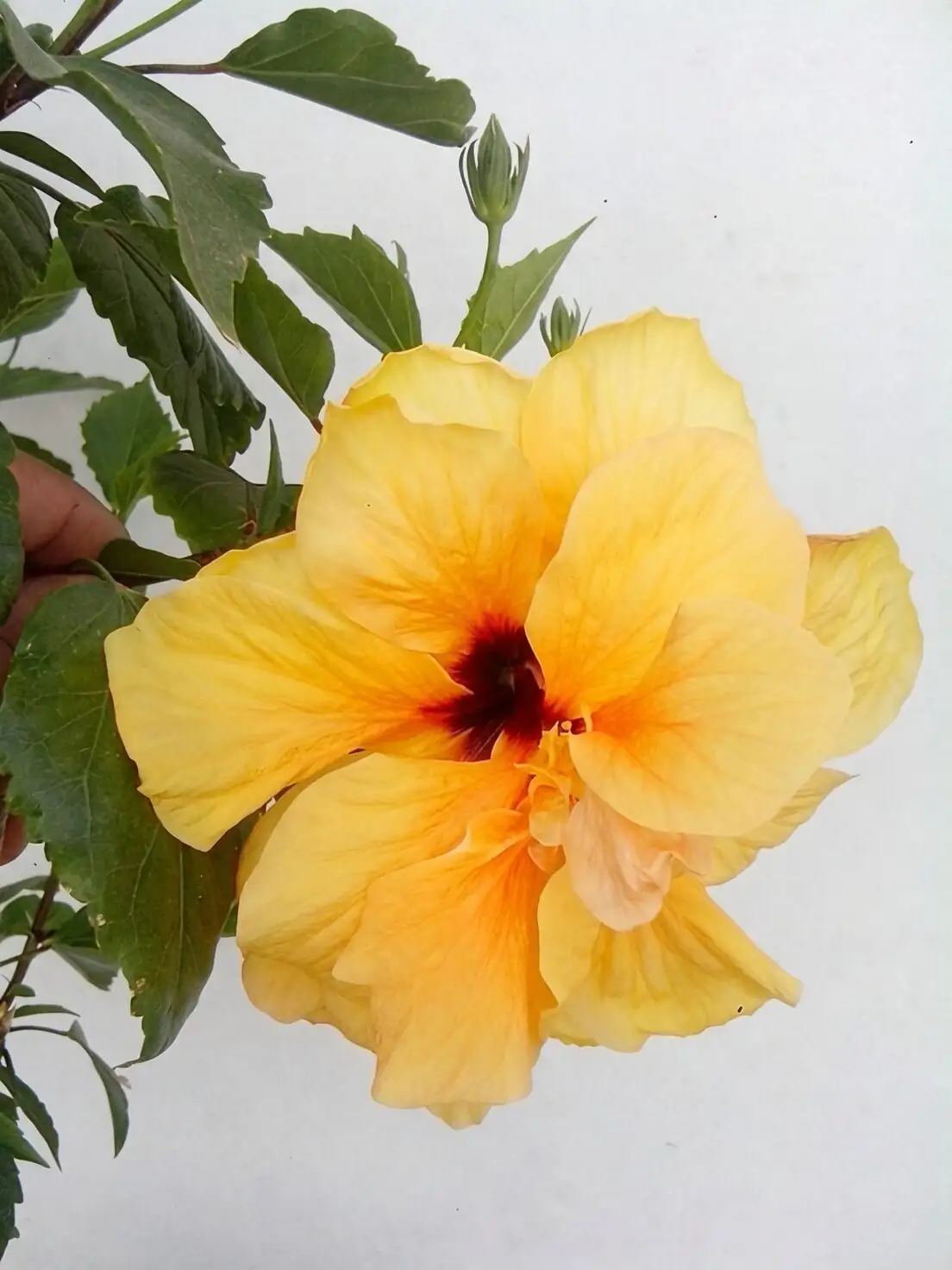
- Look and feel: Dense, glossy deep-green leaves and large, vivid single or double flowers. In warm, bright conditions, it can bloom for long stretches, sometimes nearly continuously through the warm season.
- Best environment: Full sun, steady warmth, and evenly moist, free-draining, slightly acidic soil. Not frost-hardy.
H2: The 50 cm Blueprint: Keep It Compact, Bushy, and Blooming
H3: Pot size and type
- Ideal sizes: For compact, high-flower displays, start with a 15–20 cm (6–8 in) diameter pot. This scale naturally reins in height and encourages tighter branching.
- Material matters: Clay, ceramic, or textured composite pots look high-end and stabilize top-heavy shrubs in breezy spots. Ensure generous drainage holes.
- Elevate for elegance and health: Use pot feet or a low stand to lift the container 1–2 cm off hard surfaces. It sharpens the silhouette, improves airflow and drainage, and avoids water staining.
H3: The pruning rhythm for a luxe, low profile
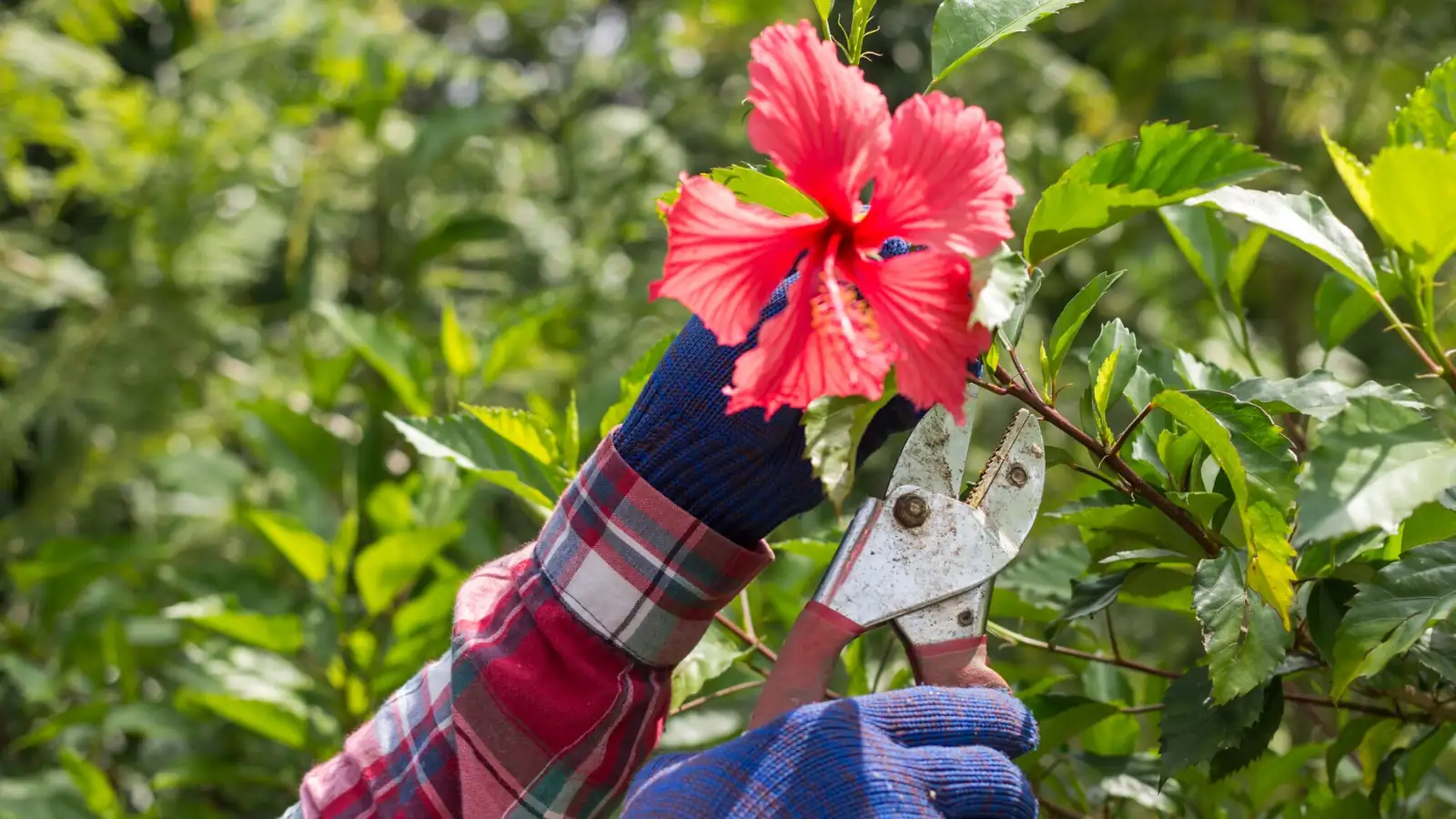
- First pinch = future flowers: When your plant reaches about 20 cm (8 in), pinch the tip. This triggers branching and sets the scaffold for loads of bloom sites.
- Ongoing shaping: Tip-pinch as needed to keep the canopy dense; after each flowering flush, lightly prune to push new flowering shoots. This cycle keeps height near 50 cm and prevents legginess.
- Annual refresh: Repot in spring (still within a 15–20 cm pot for small specimens), refresh the mix, and trim circling roots if present.
H3: Light, warmth, and airflow—the trifecta
- Sun: Full sun produces the best bloom show; light shade is tolerated but deep shade leads to fewer flowers and weak growth.
- Temperature: Prime performance is 15–25°C (59–77°F). Bring pots indoors before nights near 10°C (50°F). Foliage may yellow around 5°C (41°F).
- Airflow: Space pots with a hand’s width (about 8–10 cm) between canopies. Good air movement reduces leaf spot and deters mites, yet your display still reads as a cohesive cluster.
- Humidity finesse: Outdoors, grouping plants gently raises ambient humidity; indoors, use a humidity tray or occasional misting (avoid constantly wet leaves).
H2: The Designer’s Soil Mix
- Blend for structure and breathability: Loam or quality garden soil + peat or coco-based medium for moisture holding, plus coarse sand or perlite for drainage and root-zone airflow.
- Slightly acidic is ideal, and the mix should never become heavy or waterlogged.
H2: Water and Feed: The “Fuel” Behind Nonstop Color
H3: Watering cadence for containers
- Spring: About 2 times per week as growth ramps up.
- Main flowering period: About 3 times per week in a sunny, ventilated spot.
- Peak summer bloom: About every 2 days to keep moisture steady.
- Autumn (after moving indoors): Reduce to about 2–3 times per week; at cooler indoor temps of 12–15°C (54–59°F), about once per week may be enough.
- Winter: Keep in the brightest light available; water as needed—often about 2–3 times per week in warmer rooms. Avoid extremes of soggy or bone-dry soil.
H3: Fertilizing for floriferous displays
- Heavy feeder: During the growing season, feed every 2 weeks with a balanced-to-blooming formula (for example, around 15-15-30).
- Taper feeding in autumn to avoid soft growth; stop in winter.
H2: Color Styling: Pot, Bloom, and Companion Pairings
H3: Hibiscus color strategies
- Monochrome chic: One bloom color repeated across matching pots (e.g., vibrant coral in matte white cylinders) for a gallery-like calm.
- Analogous warmth: Yellow–orange–red cultivars arranged from light to dark create a “sunset shelf” effect.
- High-contrast pop: Hot pink or scarlet flowers against charcoal or deep navy pots feel ultra-modern.
- Soft glam: White or butter-yellow blooms in pale stone or sand-toned planters for a resort look.
Tip: Choose plants with many buds and a few open flowers so you can confirm bloom form and color while ensuring a long show to come.
H3: Companions that flatter (in their own pots)
- Fine textures: Pair with airy grasses or delicate, sun-loving trailers (e.g., silvery foliage forms) in separate containers. Keeping root zones separate lets you water and feed hibiscus generously without drowning its neighbors.
- Height play: Stage hibiscus on mid-height stands with smaller companion pots below to frame the glossy canopy and let the blooms read at eye level.
H2: Placement Tricks That Make Patios Dazzle
- Sun-chasing on wheels: Use a rolling caddy to fine-tune daily sun angles on balconies and to pivot the plant a quarter turn weekly for even growth.
- Warm wall, cool gap: A south- or west-facing wall reflects heat and intensifies color. Leave 10–15 cm between wall and foliage for airflow.
- Layer for depth: Group odd numbers (3 or 5). Vary pot heights subtly to stagger bloom planes without crowding leaves.
- Breeze, not bluster: Choose an airy location, but shield from harsh, drying wind. A lattice or tall companion pot can soften gusts while maintaining ventilation.
H2: Seasonal Flow and Overwintering
- Spring: Increase watering, restart biweekly feeding, and pinch tips to break new branches.
- Summer: Maximum sun, frequent watering; monitor spider mites and scale in hot, dry spells.
- Autumn: Reduce fertilizer, and move indoors before nights near 10°C (50°F). Keep bright light and good airflow.
- Winter: Brightest window or a sunny room; keep above 10°C (50°F). Water sparingly but don’t let the root ball bone-dry.
H2: Troubleshooting, Fast
- Bud drop or tiny flowers: Often from low light or insufficient feeding. Move to stronger sun and maintain biweekly feeding in active growth.
- Yellowing leaves in cool snaps: Common if temperatures dip toward 5°C (41°F); warmth and light will help recovery.
- Leaf spot: Improve airflow, avoid late-day leaf wetting, and remove affected leaves.
- Pests: Aphids, spider mites, scale, and caterpillars show up in heat. Rinse with water and use horticultural soap or oil as needed on labeled directions.
H2: Buying Guide for Compact Showstoppers
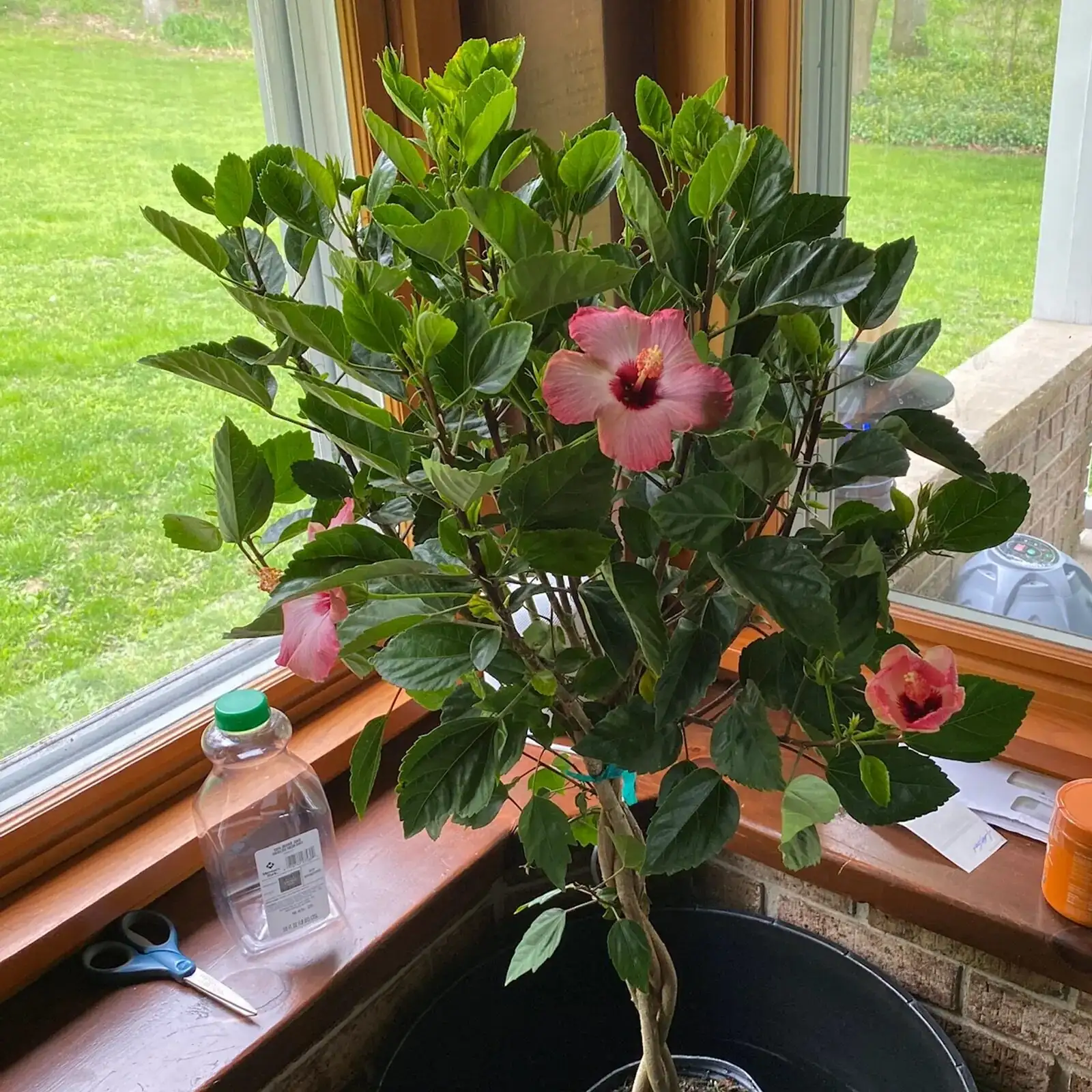
- Choose plants no taller than about 50 cm (20 in), with multiple branches and dense, deep-green foliage.
- Prefer specimens loaded with buds and a few open blooms to verify color and form while ensuring an extended display.
H2: Propagation for Perfect Matches
- Cuttings: Take 10 cm (4 in) soft-tip cuttings in warm weather. Remove lower leaves, keep a few at the tip, and root in clean sand or a very free-draining medium at 18–21°C (64–70°F). Rooting hormone helps; expect rooting in about 20–25 days.
- Grafting: Common in spring or autumn, especially for double-flowered or finicky cultivars; single-flowered types often serve as rootstock.
Design note: Propagating your favorite color lets you repeat-motif multiple pots for a tailored, high-impact composition.
H2: Flower Language and Symbolism—A Thoughtful Take
Chinese hibiscus is often associated with a thriving home and cheerful prosperity. In gifting traditions, single-flowered forms can celebrate success and family flourishing, while double-flowered forms suggest tenderness and thoughtfulness in romance. These meanings likely evolved from the plant’s exuberant, generous blooming habit—long seasons of color read as abundance—and from cultural gifting customs where flower forms subtly signal intent. While modern marketing sometimes flattens these nuances, the core sentiment remains: a healthy, floriferous hibiscus telegraphs vitality, care, and joy.
H2: Safety and Peace of Mind
Generally considered non-toxic to people and pets, though the sap can mildly irritate sensitive skin. Still, discourage nibbling.
H2: The Takeaway: A Boutique Bloom Bar, All Season
- Keep it sun-soaked, warm, and airy.
- Use a 15–20 cm pot with a breathable, rich mix—and elevate for drainage.
- Pinch at 20 cm and prune after flushes to lock the silhouette near 50 cm.
- Water steadily, feed every 2 weeks in season, and stage your color story with intention.
Do this, and Hibiscus rosa-sinensis becomes more than a plant—it’s your patio’s signature accessory, renewing itself bloom after bloom.