

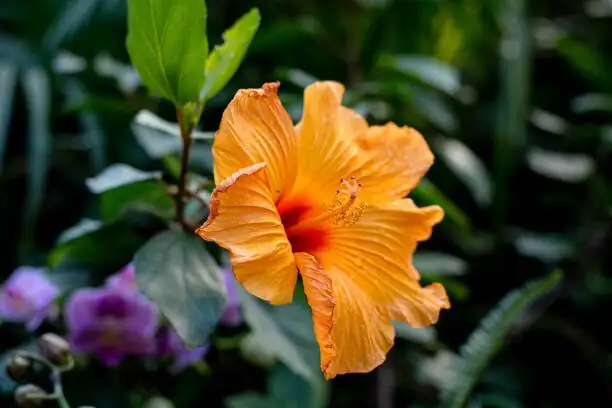
Imagine a tropical paintbox you can prune, shape, and even combine—one shrub, many bloom colors, all on the same glossy, evergreen canvas. That’s Hibiscus rosa-sinensis at its most creative. In this hands-on masterclass we’ll compare the two workhorse techniques that unlock its potential—soft‑tip cuttings and grafting—covering exact temperatures, media, hormones, timelines, rootstock choices, and how to assemble a multi-cultivar “rainbow hibiscus” in one pot.
H2: Warmth, light, and timing: set the stage
- Light: Full sun fuels big, frequent blooms. Light shade is tolerable; deep shade weakens growth and flowering.
- Temperature: The sweet spot is 15–25°C (59–77°F). Keep above 10°C (50°F) at all times; leaves may yellow and drop near 5°C (41°F). Not frost‑hardy.
- Humidity: Prefers moderate to high humidity; a bonus during propagation.
- Soil baseline: Rich, free‑draining, slightly acidic. For containers, blend loam/garden soil with peat/coco and add coarse sand or perlite for airflow.
H2: Soft‑tip cuttings: the fast, flexible route
H3: Best windows and what to cut
- When: Warm, humid weather. Late spring through summer is ideal.
- What: Soft, non‑woody tip growth about 10 cm (4 in) long from vigorous, pest‑free shoots.
- Prep: Remove lower leaves; keep 2–3 small leaves at the tip. Trim oversized leaves by half to reduce transpiration.
H3: Rooting environment, temperature, and light
- Temperature: Maintain 18–21°C (64–70°F) at the rooting zone (bottom heat helps hold a steady ~21°C/70°F).
- Humidity: High (a clear dome, tent, or intermittent mist). Vent daily to prevent fungal issues.
- Light: Bright, indirect light; avoid hot midday sun until rooted.
H3: Media that work
- Very free‑draining is the rule:
- 1:1 perlite:coarse sand
- 60:40 coco/perlite
- Straight, washed coarse sand for maximum aeration
- Pre‑moisten, then firm lightly for good stem‑to‑media contact.
H3: Rooting hormones (IBA/NAA)
- Quick‑dip liquid: IBA 1,000–3,000 ppm for 5–10 seconds for softwood tips.
- Powder: 0.1–0.8% IBA. Tap off excess to avoid callus without root initiation.
- Note: Too‑strong auxin can stall rooting; err on the low side with easy cultivars.
H3: Step‑by‑step (soft‑tip cuttings)
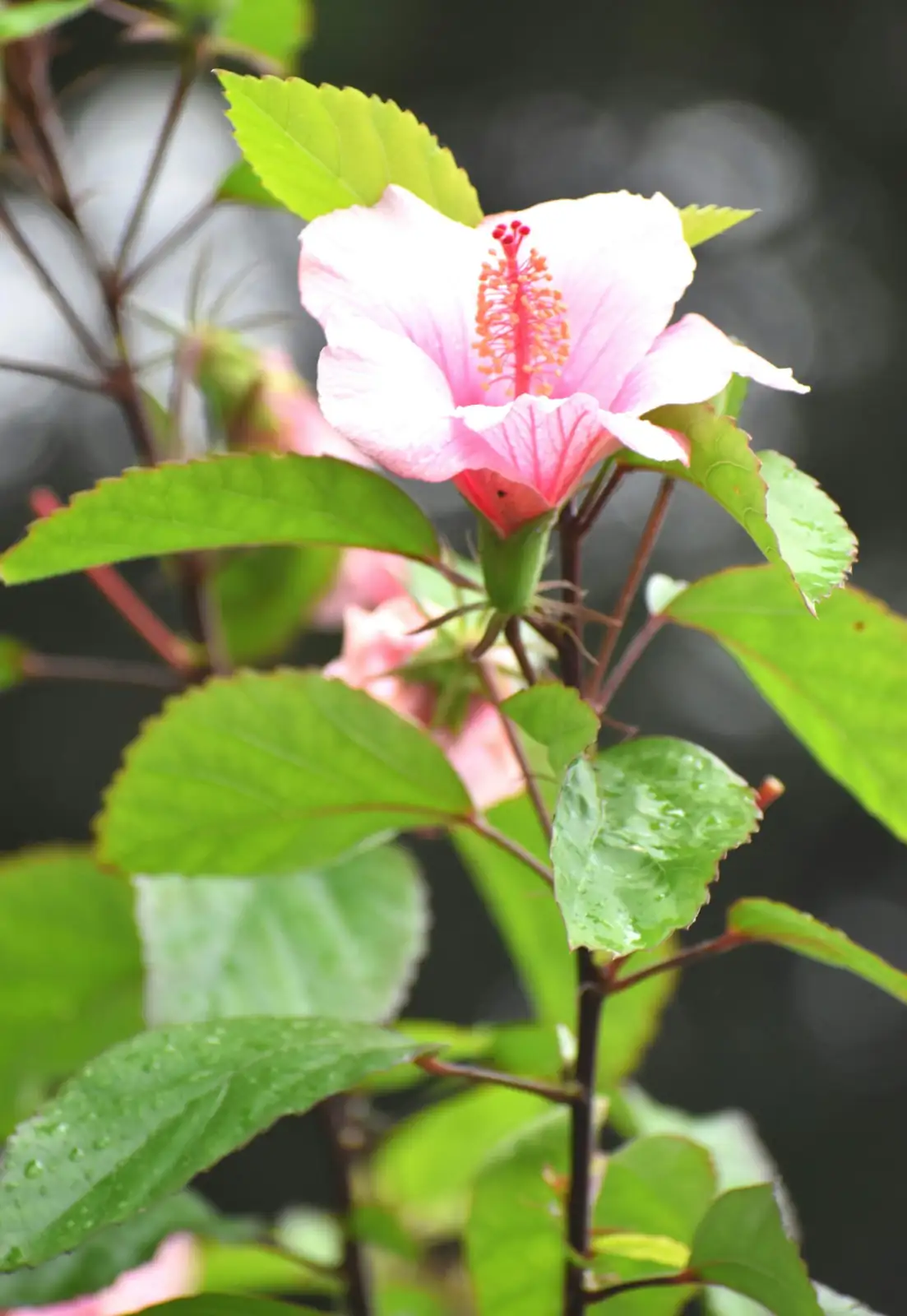
1) Take 10 cm soft tips; strip lower leaves; lightly wound the basal 1–2 cm if stems are firm.
2) Dip in hormone; insert 2–3 cm deep into pre‑moistened medium.
3) Tent for humidity; place in bright shade; hold 18–21°C at the base.
4) Keep medium evenly moist, never soggy; brief daily venting.
5) Once you see fresh leaf turgor and gentle resistance to a tug, begin weaning from high humidity.
H3: Timelines and milestones
- Callus: ~7–10 days (varies).
- Rooting: Usually about 20–25 days; some cultivars take longer.
- Potting up: When roots are 2–3 cm and branching (often at 3–4 weeks). Shift into a 15–20 cm (6–8 in) pot with a rich, free‑draining mix.
- Shaping: Pinch the tip when plants reach ~20 cm (8 in) tall to encourage branching and heavier bloom later.
H3: Pro tips and troubleshooting
- Wilting/rot: Improve aeration (more perlite/sand), lighten hormone, lower leaf load, and boost airflow.
- Slow rooting: Check temperature; cool media delay roots. Refresh cut and re‑dip if tissue glazed over.
- Aftercare: Bright sun after establishment, steady moisture, and regular feeding. Heavy feeders like hibiscus bloom best when fed every 2 weeks in season with a balanced‑to‑blooming formula (e.g., similar to 15‑15‑30). Ease off in autumn; stop in winter.
H2: Grafting: the power move for finicky divas and multi‑color magic
Grafting shines for double‑flowered or hard‑to‑root cultivars and for assembling multiple varieties on one vigorous base.
H3: Rootstock essentials
- Vigor first: Choose a robust, single‑flowered Hibiscus rosa‑sinensis as rootstock; these are commonly used because they’re strong and compatible.
- Plant size: Pencil‑thick stems (0.6–1.0 cm) on a healthy, actively growing plant.
- Regional standouts: Growers often favor locally proven stocks—examples include ‘Pride of Hankins’ in parts of Texas and ‘Albo’ in Florida.
- Potting: A stable 15–20 cm (6–8 in) container supports bench grafting and aftercare.
H3: Timing and temperature
- Best seasons: Spring or autumn when growth is active but heat stress is low. In reliably warm zones, late summer can also work.
- Temperature: Aim for 18–25°C (64–77°F) during callusing; avoid scorching sun and cold snaps.
H3: Choose your graft style
- Cleft graft: Best when scion and stock are similar diameters. Reliable, simple alignment.
- Side‑veneer graft: Great for adding scions to a thicker stock or building multi‑scion “fruit‑salad” hibiscus.
- Approach graft: Belt‑and‑suspenders method; both scion and stock remain rooted until union forms—handy for precious cultivars.
H3: Step‑by‑step (cleft graft)
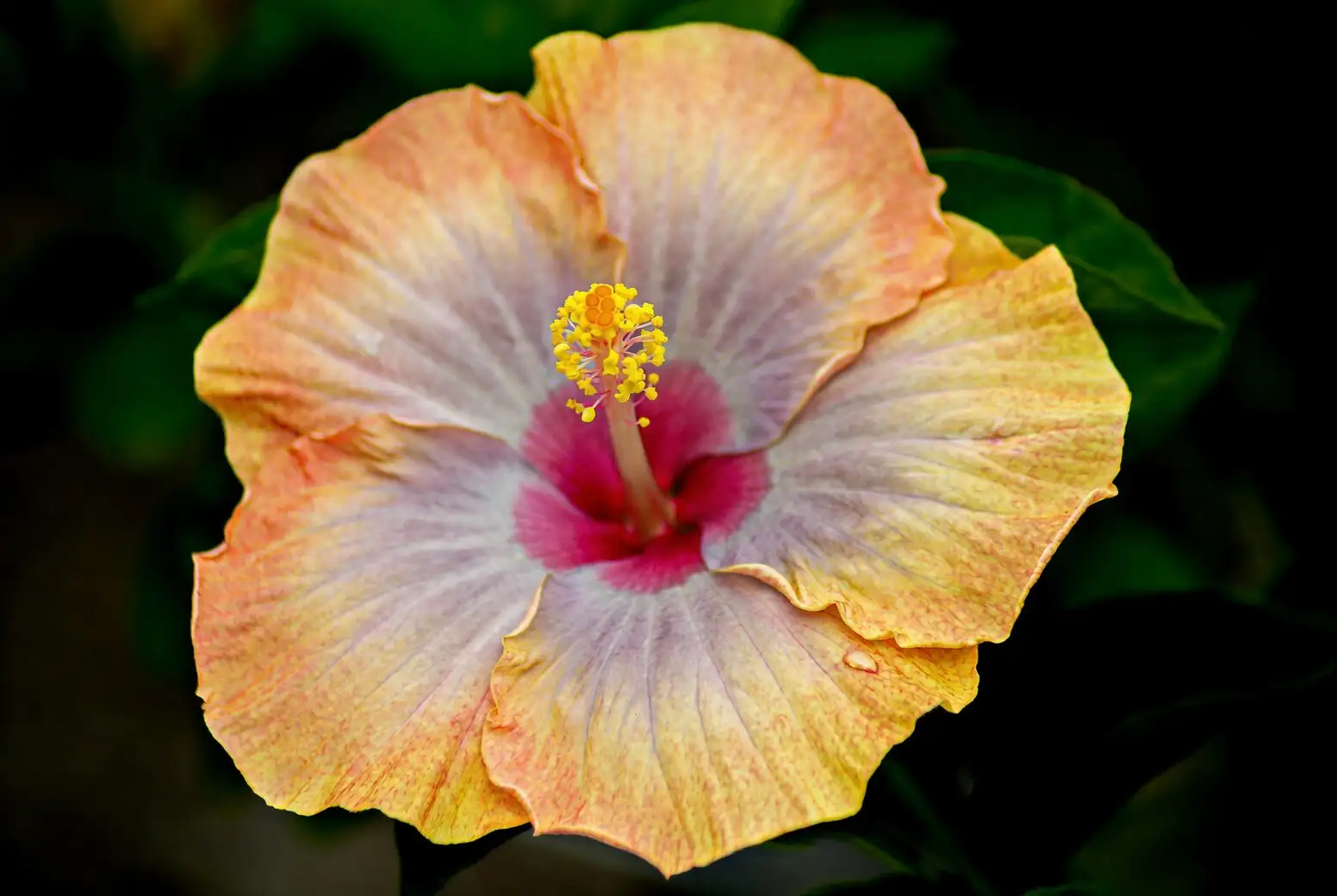
1) Prepare stock: Cut the stock stem cleanly; split a 2–3 cm cleft.
2) Prepare scion: 2–3 nodes of semi‑ripe wood; cut a long, even wedge. Remove lower leaves; leave one or two small leaves.
3) Join: Slide the scion so one cambial edge lines up snugly; bind with grafting tape or parafilm.
4) Seal: Cover all exposed cuts and the scion tip with grafting wax or parafilm to prevent desiccation.
5) Shelter: Bright shade, high humidity, and steady 18–25°C. Keep the root zone evenly moist, not wet.
6) Discipline: Remove any rootstock shoots below the union as soon as they appear.
H3: Aftercare and timelines
- Callus and first push: 2–3 weeks typically; keep wraps on until growth is sustained.
- Union strengthening: 4–6 weeks before gradually loosening/removing bindings.
- Sun and wind: Introduce gradually; sudden full sun can desiccate a fresh union.
H3: Common grafting pitfalls
- Misaligned cambium: Even a millimeter off can stall unions; ensure at least one side lines up perfectly.
- Over‑leafy scions: Strip to a minimal canopy; too much leaf area dehydrates the scion.
- Poor sanitation: Sterilize blades between cuts; seal all wounds to deter pathogens.
H2: One plant, many colors: a practical blueprint
H3: Design your multi‑graft
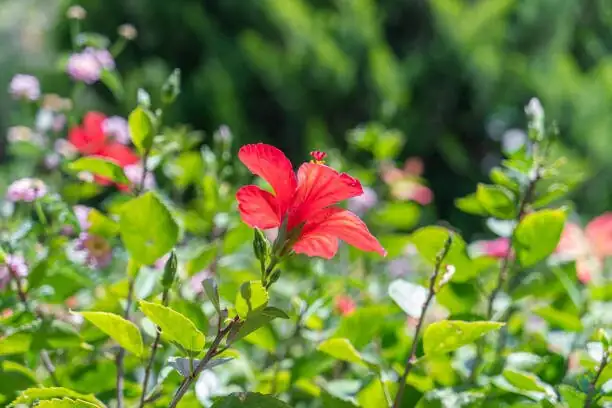
- Match vigor: Combine cultivars with similar growth rates so one doesn’t dominate. Use more vigorous varieties lower or on weaker positions to balance the canopy.
- Color choreography: Aim for complementary hues; stagger bloom forms (single/double) for texture.
- Number of scions: Three to five scions is manageable on a patio‑sized plant.
- Placement: Space scions around the stem like compass points for even light and balance. Use side‑veneer grafts on a short standard, or cleft/crown graft near the top of a trunk.
H3: Step‑wise approach for a “rainbow hibiscus”
1) Build the frame: Grow a straight, vigorous rootstock with a clean trunk to graft height (25–40 cm).
2) Stagger the scions: Graft 2–3 scions; let them establish, then add more 3–4 weeks later if desired.
3) Label everything: Tag each graft so you can balance pruning by cultivar.
4) Balance the canopy: Pinch stronger scions more frequently; let shy growers extend.
5) Maintenance: Remove any rootstock suckers below grafts. Keep evenly moist; feed every 2 weeks during the growing season.
H3: Pot, sun, and seasonal care
- Pot size: 15–20 cm (6–8 in) is common early; up‑pot as the framework fills. Repot in spring; refresh mix; trim circling roots if present.
- Sun: Full sun once fully established for best color and bloom count.
- Temperature: Bring containers indoors before nights near 10°C (50°F); keep bright and above 10°C (50°F) in winter.
H2: Soft‑tip cuttings vs. grafting—choosing your tool
- Easiest start:
- Cuttings: Best for common, single‑flowered, and naturally vigorous varieties; simple, fast, and inexpensive.
- Grafting: Best for double‑flowered or hard‑to‑root cultivars, and for combining varieties on one plant.
- Temperatures:
- Cuttings: Root best with the medium at 18–21°C and high humidity.
- Grafting: Callus and unite well at 18–25°C with bright shade and steady moisture.
- Timeline:
- Cuttings: Typically 20–25 days to root; ready to pot up around 3–4 weeks.
- Grafting: 2–3 weeks to callus and push; 4–6 weeks to a firm union.
- Media and tools:
- Cutings: Perlite/sand or similar, rooting hormone, humidity dome.
- Grafting: Sharp sterile blades, grafting tape/parafilm, sealant, sturdy rootstock.
- When to prefer grafting over cuttings:
- If previous cuttings failed or roots were weak.
- If you want multi‑color blooms on a single shrub.
- If you’re in a region with heat/soil pests where a tough rootstock excels.
H2: Advanced shortcut: stenting (graft‑and‑root in one pass)
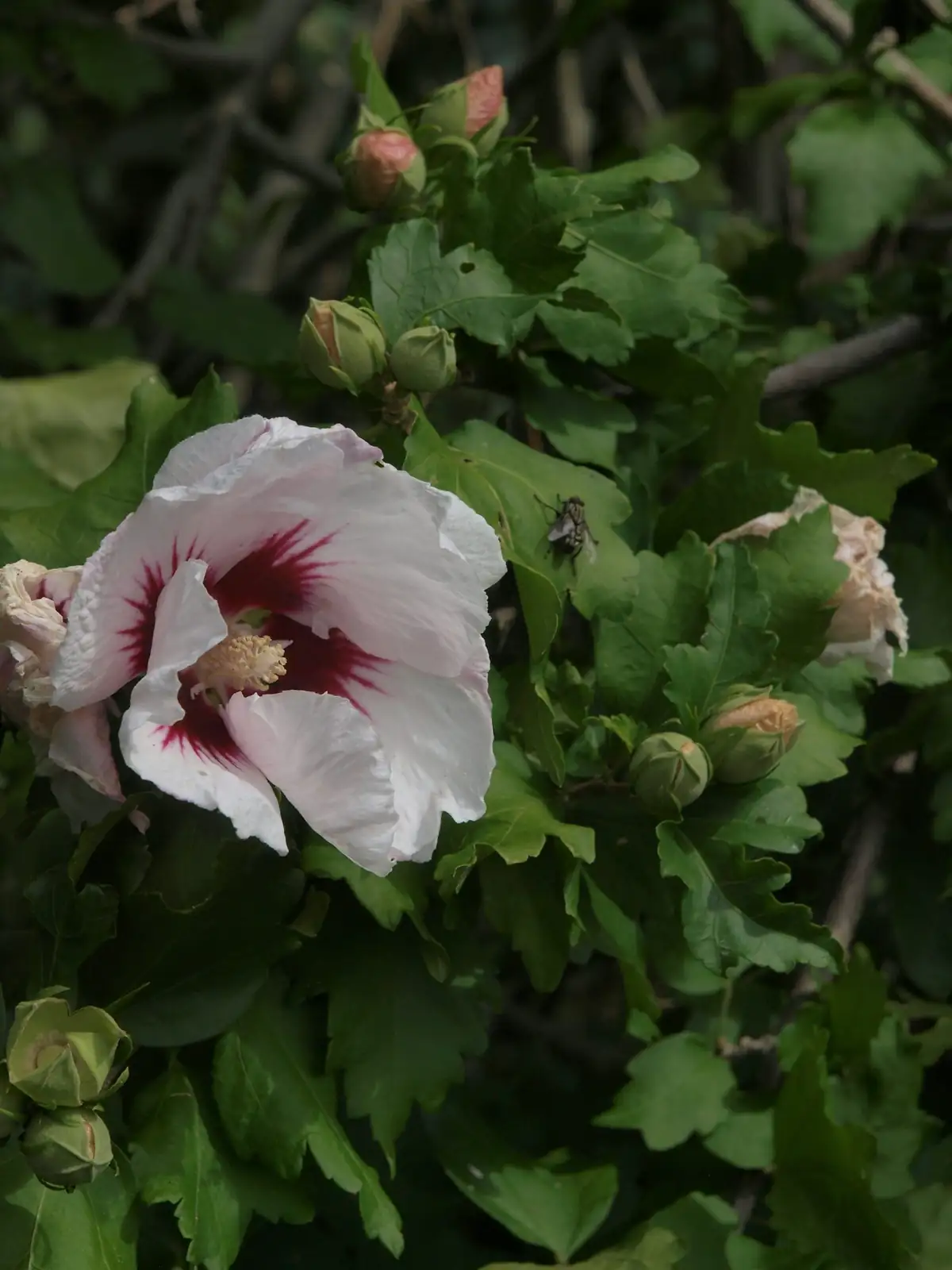
For speed aficionados, stenting pairs a fresh scion with an unrooted rootstock cutting; you graft first, then root the combined unit under high humidity.
- How: Make a side‑veneer or cleft graft onto a 10–12 cm rootstock cutting; bind and seal; dip the basal end in IBA (around 1,000–3,000 ppm); insert into a free‑draining propagation mix.
- Environment: High humidity, bright shade, 21–24°C rooting zone. Meticulous sanitation is essential.
- Payoff: Saves weeks by forming the graft union while the new roots develop.
- Caveat: Demands consistent humidity and temperature; success varies by cultivar.
H2: Feed, water, and shape for bloom power
- Watering rhythm (containers): Keep evenly moist during active growth and flowering; never waterlog. Expect roughly 2–3 waterings per week in bright, warm weather; adjust for heat and airflow.
- Fertilizer: Hibiscus are heavy feeders. Feed every 2 weeks in the growing season with a balanced‑to‑blooming fertilizer (e.g., similar to 15‑15‑30). Reduce in autumn; stop in winter.
- Pruning: Pinch early and regularly to build a compact, many‑branched plant that flowers generously. Prune after a flowering flush to renew bloom wood.
- Pest watch: Spider mites, aphids, scale, and caterpillars can appear—rinse, use horticultural soap/oil, and keep airflow strong. Avoid wetting foliage late in the day to reduce leaf spot risk.
H2: Quick fixes
- Small flowers? Usually not enough sun and/or not enough feeding during bud set. Move to stronger light and resume feeding every 2 weeks in season.
H2: A brief note on symbolism
Across Asia and the tropics, Chinese hibiscus is linked to a thriving home and cheerful prosperity—lush leaves and flamboyant flowers signal abundance. In gifting traditions, single‑flowered forms often congratulate success and family flourishing, while double‑flowered forms hint at tenderness and attentiveness in romance. These meanings grew out of its role as a reliable, long‑season bloomer in warm climates and as a celebratory courtyard shrub—beauty you live with, not just look at.
H3: Wrap‑up: choose your adventure
- Want speed and simplicity? Root soft tips at 18–21°C in airy media; expect roots in about 3–4 weeks.
- Want the rare, the difficult, or a single shrub bursting with multiple colors? Graft in spring or autumn onto a vigorous single‑flowered rootstock, then train and feed for a balanced, bloom‑rich canopy.
Either way, keep it warm, bright, evenly moist, and well‑fed—and your hibiscus “paintbox” will reward you with months of tropical color.