

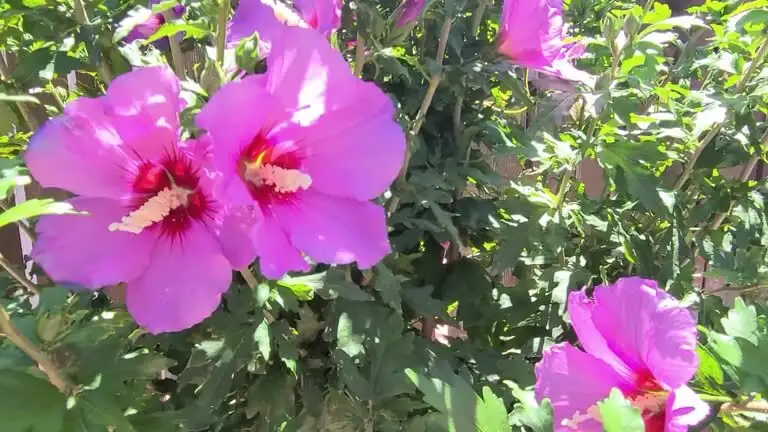
Meet the plant that turns a balcony into a mini tropics: Hibiscus rosa‑sinensis, the Chinese Hibiscus. Glossy leaves, flamboyant flowers, and a can-do attitude—if you match its care to the seasons. Here’s a lively, step-by-step blueprint built for container growers who want near-constant bloom cycles without the drama.
Quick profile (so you and your hibiscus are on the same page)
- Names: Chinese Hibiscus, Tropical Hibiscus, Hawaiian Hibiscus, Rose of China, Shoe Flower (Hibiscus rosa-sinensis; Malvaceae)
- Origin vibe: Tropical Asia, now loved across warm regions
- Personality: Sun- and warmth-loving, heavy feeder, container-friendly, not frost-hardy
- Size in pots: Commonly kept compact around 50 cm (20 in); 15–20 cm (6–8 in) pots are typical
- Look: Dense, glossy, deep-green foliage; spectacular single or double blooms, often repeatedly in warm, bright conditions
- Best climate: Thrives at 15–25°C (59–77°F); protect from chill below 10°C (50°F)
—
The nonstop-bloom blueprint: season by season
Spring — Wake-up and branch out
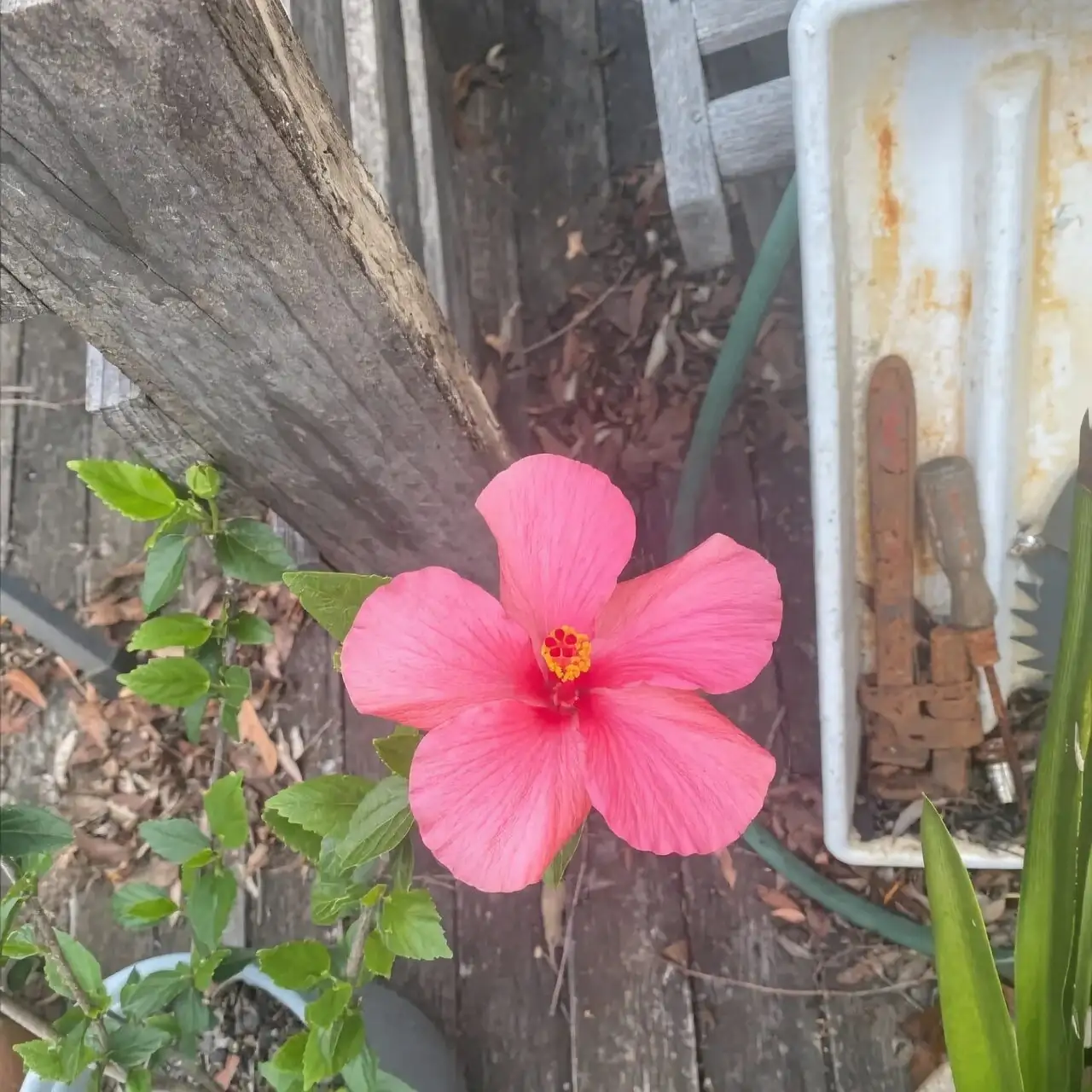
- Light: Full sun is the green light for big, frequent blooms. Start acclimating outdoor plants to stronger sun if wintered indoors.
- Water: About 2× per week to keep soil evenly moist (not soggy). Increase as days warm.
- Feed: Restart fertilizing every 2 weeks with a balanced-to-blooming formula (for example, similar to 15‑15‑30).
- Shape: Pinch growing tips when the plant reaches ~20 cm (8 in) to trigger branching and more flower sites. Light pruning after a winter lull encourages fresh flowering wood.
- Repot: Refresh soil and repot into a 15–20 cm (6–8 in) container if rootbound. Trim circling roots.
Early to midsummer — Cruise control for buds
- Light: Full sun; airy placement. Light shade is tolerated, but blooms drop in quality and number in deeper shade.
- Water: Flowering period typically needs ~3× per week in a sunny, ventilated spot.
- Feed: Continue every 2 weeks. Consistency = fat buds.
- Air & humidity: Moderate to high humidity helps prevent bud blast; a humidity tray or occasional morning mist is fine (avoid constantly wet leaves).
Peak summer — Full-throttle flowering
- Light: Maximum sun for maximum color.
- Water: About every 2 days in heat to keep moisture steady. Don’t let the root ball swing from bone-dry to sopping-wet—bud drop loves extremes.
- Feed: Keep the every‑2‑weeks rhythm.
- Scout: Hot, dry spells invite spider mites and scale. Check leaf undersides.
Autumn — The graceful glide indoors
- Light: As days shorten, keep it bright and sunny.
- Water: After moving inside, ease to ~2–3× per week; if kept cool (12–15°C / 54–59°F), ~1× per week may suffice. Always check the soil first.
- Feed: Reduce in early autumn and then stop for winter to avoid soft, weak growth.
- Move-in timing: Bring indoors before nights settle near 10°C (50°F).
Winter — Bright siesta (with surprise blooms if warm)
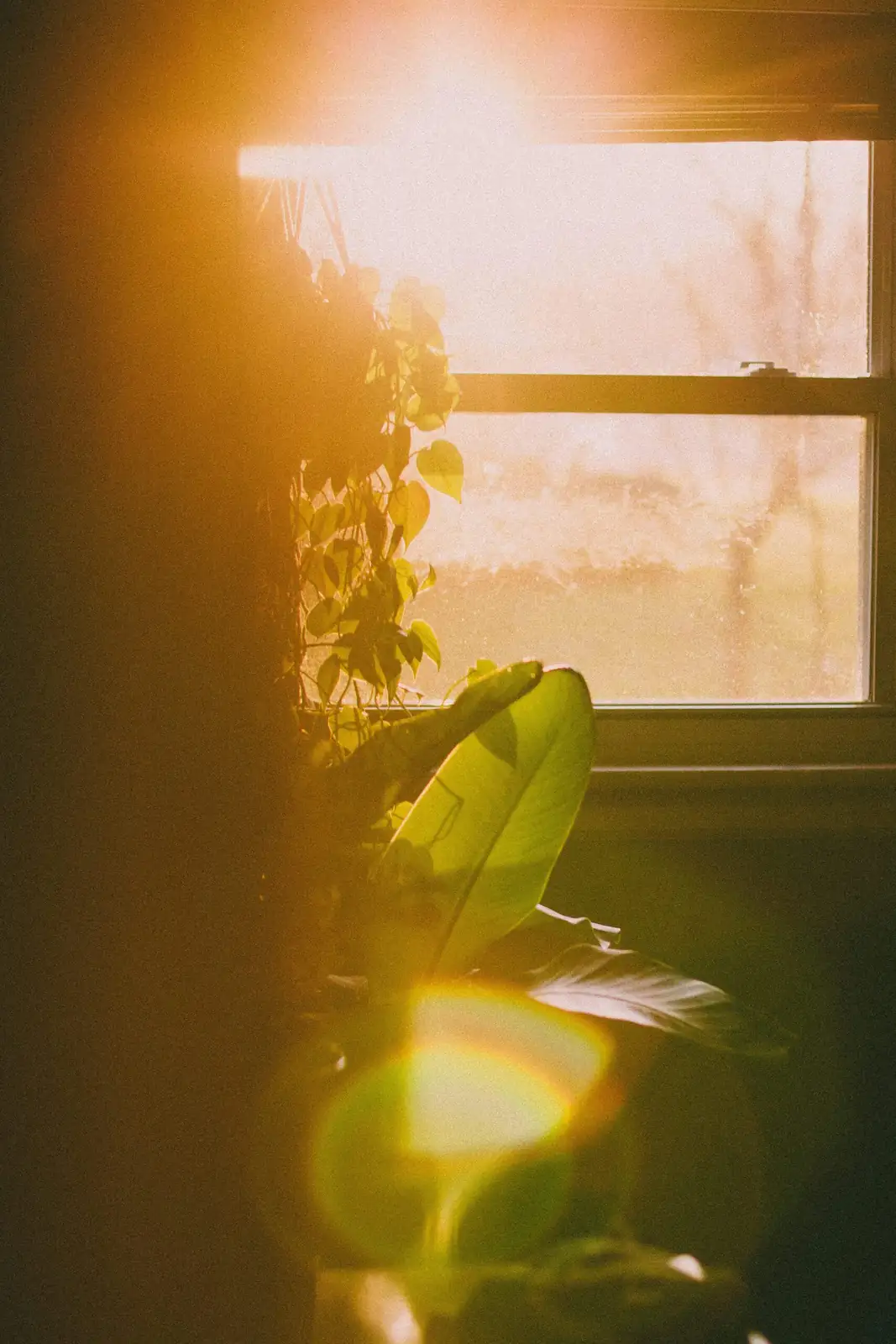
- Light: Brightest window you own—south or west is best.
- Temp: Keep above 10°C (50°F). Foliage may yellow around 5°C (41°F).
- Water: Water as needed in bright light, avoiding extremes; in warmer rooms, many plants still drink ~2–3× per week.
- Maintenance: No fertilizer. Remove spent blooms, tidy any yellowing leaves, and keep air moving to deter leaf spot.
—
Light, temperature, and air: the bloom engine
- Sunlight: Full sun fuels flowering. Light shade is acceptable; deep indoor shade leads to weak, lanky growth and fewer blooms.
- Temperature sweet spot: 15–25°C (59–77°F). Frost (below 0°C/32°F) damages growth; protect from chills.
- Humidity: Moderate to high helps leaf gloss and bud set. If indoors is dry, use a pebble tray or brief morning misting. Avoid wetting foliage late in the day to discourage leaf spot.
- Airflow: A sunny, airy position outdoors keeps leaves healthy and reduces pests.
—
Watering by feel—plus a practical calendar
- Golden rule: Evenly moist—not waterlogged.
- Feel test: Water when the top 2–3 cm (about an inch) feel dry.
- Container tip: Pick a pot that matches plant size. Oversized pots stay wet too long; tiny pots dry out constantly.
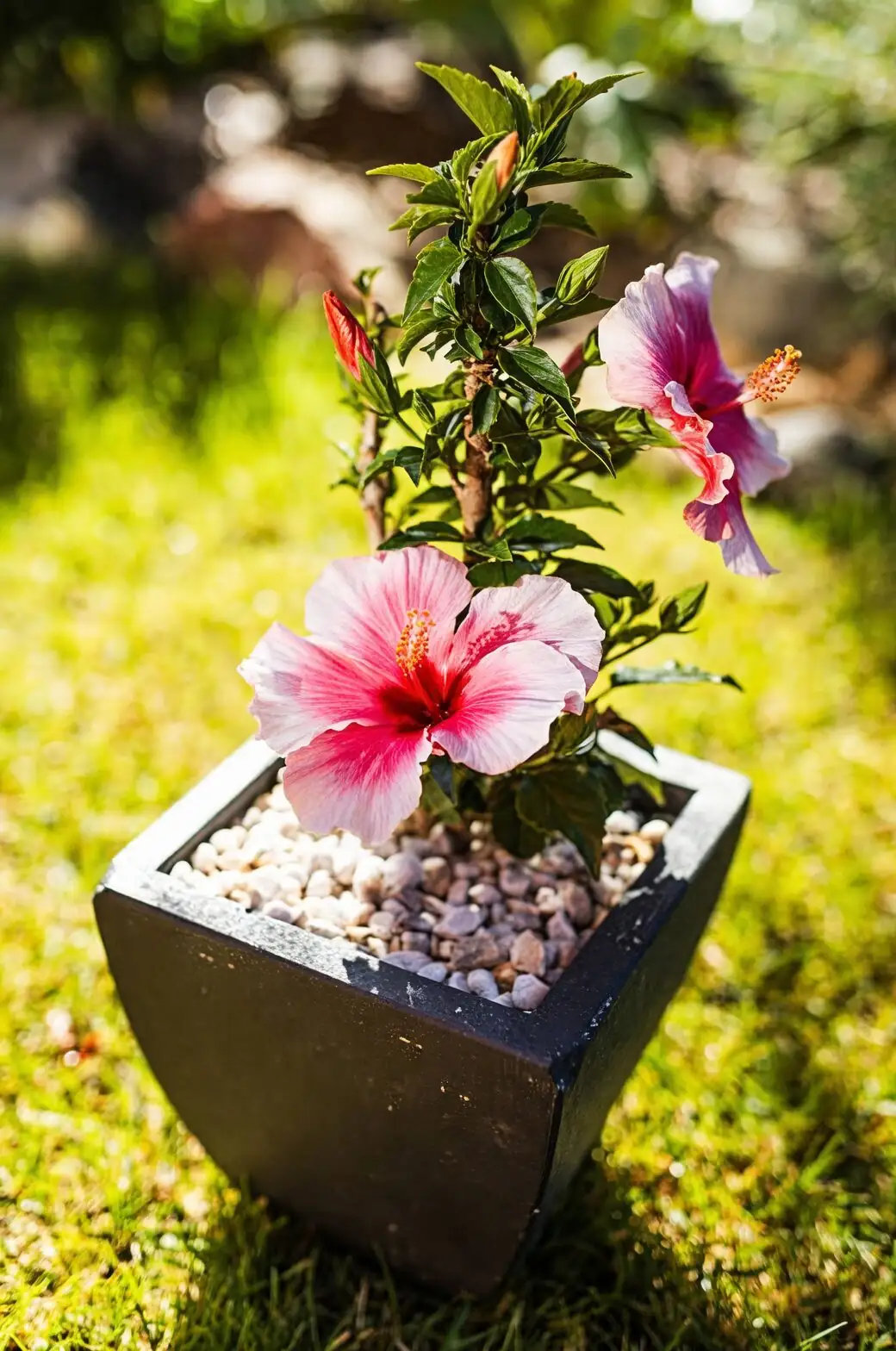
Suggested rhythm for container hibiscus:
- Spring: ~2× per week
- Flowering period: ~3× per week in sun with good airflow
- Peak summer: About every 2 days
- After moving indoors in autumn: ~2–3× per week; around 12–15°C (54–59°F), ~1× per week may be enough
- Winter: In bright, warm rooms, often ~2–3× per week; always adjust to light and temperature
Pro tip: Water deeply until it runs from the drainage holes, then let excess drain completely—never let the pot sit in a saucer of water.
—
Feeding for flowers (the “heavy eater” plan)
- Frequency: Every 2 weeks during active growth.
- Formula: Balanced-to-blooming fertilizer, for example similar to 15‑15‑30.
- Autumn taper: Reduce feeding as days shorten.
- Winter: Pause fertilizing altogether.
Signs you’re underfeeding: small flowers, lighter foliage, slow bud development.
—
The perfect potting mix
- Texture: Rich, fertile, and free-draining with a slightly acidic tilt.
- Easy blend: Loam or garden soil + peat/coco coir-based medium, with coarse sand or perlite for airflow and drainage.
- Annual refresh: Repot in spring; trim circling roots and top up with fresh mix.
—
Pruning and shaping for flower power
- Pinch early: When stems hit ~20 cm (8 in), pinch tips to create a bushy, many-branched plant with more bloom sites.
- After-flush pruning: Lightly prune after a flowering flush to push new flowering shoots.
- Ongoing grooming: Remove spent blooms (they often drop naturally) and weak interior twigs to keep the canopy airy.
—
Placement: outdoor summers, bright indoor winters
- Growing season: Outdoors in full sun and good airflow is ideal.
- Move indoors before cool nights near 10°C (50°F).
- Winter quarters: Brightest possible window or sunny room; rotate the pot weekly for even growth.
—
Pests and diseases: patrol plan
- Usual suspects: Aphids, spider mites, scale insects, caterpillars.
- First response: Rinse with water, then use horticultural soap or oil if needed.
- Leaf spot watch: Can cause heavy leaf drop. Improve airflow, avoid wet leaves late in the day, and promptly remove affected foliage.
—
Propagation: clone your favorite bloom
- Tip cuttings:
- Take 10 cm (4 in) soft tip cuttings in warm, humid weather.
- Strip lower leaves; keep a couple at the tip.
- Insert into clean sand or a very free-draining medium.
- Warm, humid conditions at 18–21°C (64–70°F); rooting in ~20–25 days.
- Rooting hormone: helpful, especially for choosy cultivars.
- Grafting:
- Common in spring or autumn, especially for doubles or hard-to-root varieties.
- Single-flowered types often used as sturdy rootstock.
—
Troubleshooting: fast fixes for continuous color
- Small flowers? Usually not enough sun and/or feeding. Move to stronger light and fertilize every 2 weeks during active growth.
- Bud drop? Check for moisture swings (too dry/wet), low light, sudden chills, or pests.
- Yellow leaves after a chill? Temperatures near 5°C (41°F) can trigger leaf yellowing and drop; warm things up and keep light strong.
- Leggy plant? Increase sun and pinch tips to branch; prune lightly after a flush.
—
Safety, symbolism, and a little lore
- Pet- and people-friendly: Generally considered non-toxic; a few sensitive folks may find the sap mildly irritating. Discourage chewing.
- Symbolism:
- Across many gifting traditions, Chinese hibiscus signals a thriving home and cheerful prosperity—think “may your household flourish.”
- Single-flowered forms are often chosen to congratulate success and family well-being—bold and straightforward, like the unfurled single bloom.
- Double-flowered forms lean romantic: layered petals suggest tenderness and considered affection.
- A note on “flower language” (花语): These meanings aren’t botanical truths but cultural poetry—associations shaped by the plant’s exuberant color, long bloom season, and status as a celebratory ornament in warm regions.
—
Your nonstop-bloom checklist
- Sun: Full, daily.
- Warmth: 15–25°C (59–77°F); avoid chills.
- Moisture: Evenly moist soil; never waterlogged.
- Food: Every 2 weeks in the growing season; pause in winter.
- Air & humidity: Bright, airy spot; moderate to high humidity helps buds.
- Shape: Pinch early; prune lightly after flushes.
- Season shift: Outdoors in warmth; indoors before 10°C (50°F) nights.
Follow this seasonal sync, and your Chinese Hibiscus will pay you back with wave after wave of tropical color—on a balcony, a sunny patio, or by the brightest window in the house.