
Think of Hybrid Fuchsia as a ballet of light, cool air, and water. Get those three in step and Fuchsia × hybrida will shower you with dangling “earrings” from spring well into the cool months. Here’s your season-by-season playbook—when to turn up the light (gently), dial in the chill, and fine‑tune watering and feeding so your basket looks like a living chandelier.
Meet Fuchsia × hybrida (Lady’s Eardrops, Hanging Fuchsia)
- Heritage: A classic hybrid in the evening primrose family (Onagraceae) with deep roots on the Mexican Plateau and a long history of breeding that produced thousands of cultivars.
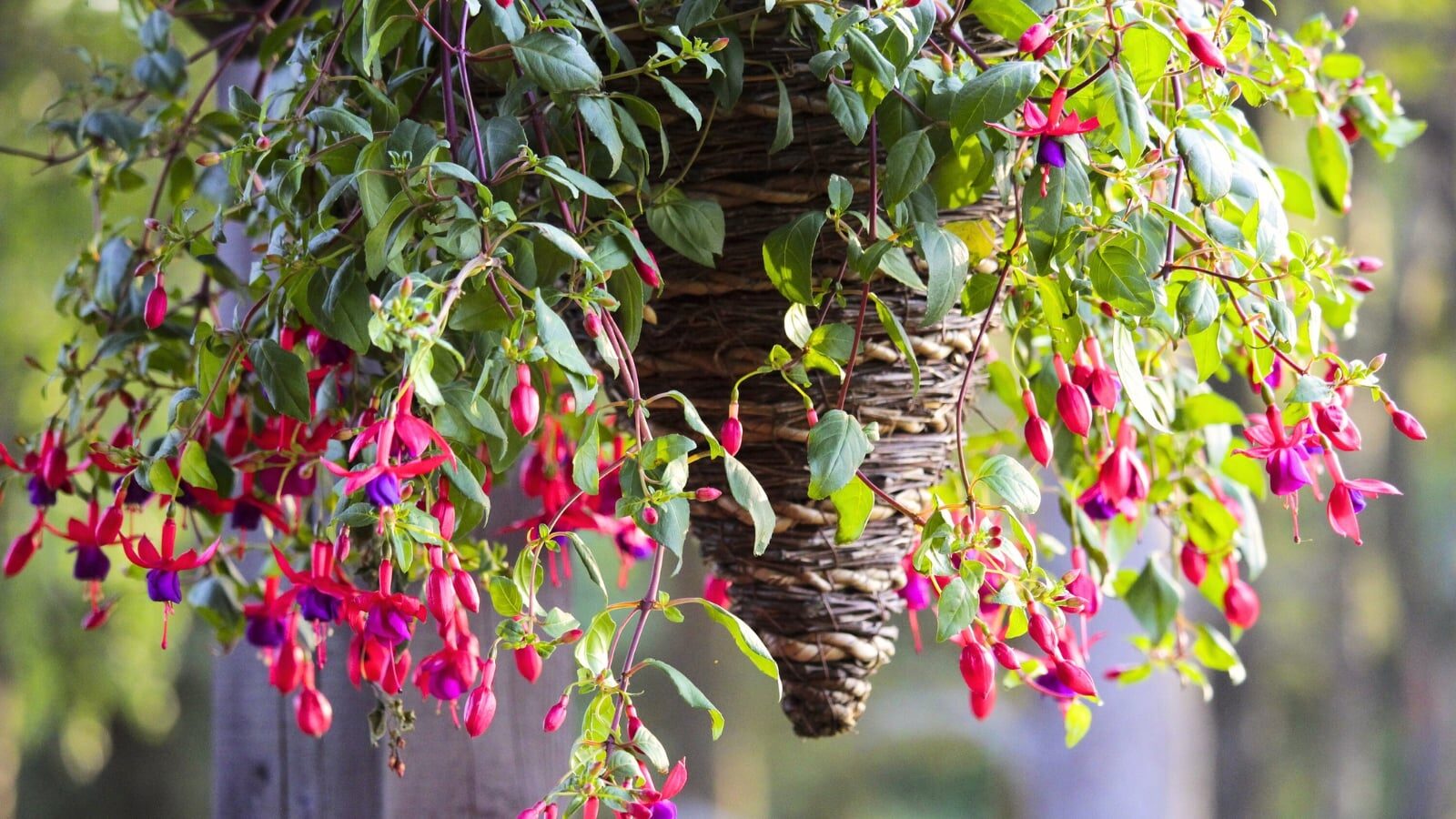
- Form and size: Freely branching and graceful—upright, mounding, or trailing. In containers typically 30–90 cm tall and wide (12–35 in). Many baskets are planted with 2–3 young plants in a 15 cm (6 in) pot for a fast, full cascade.
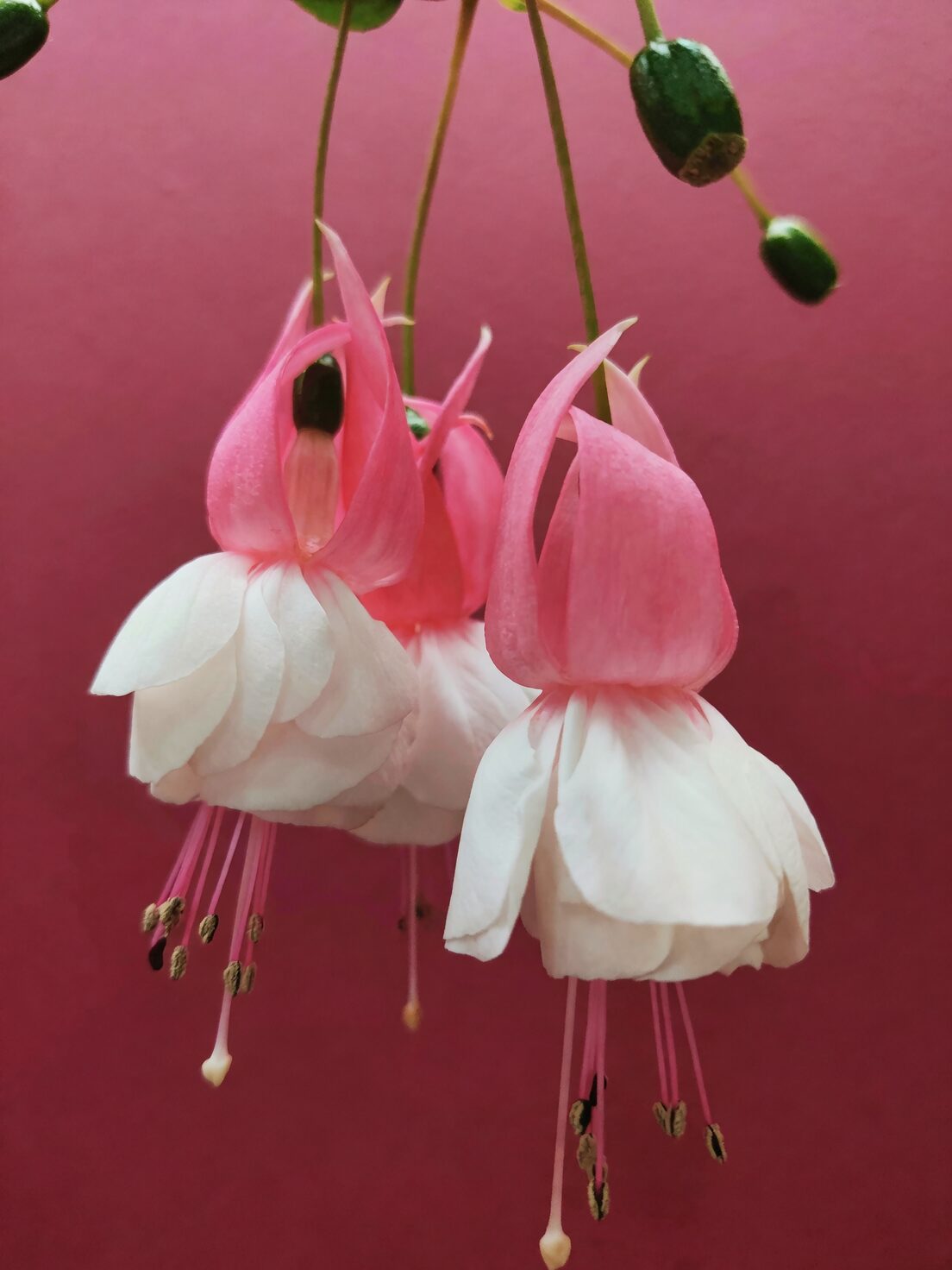
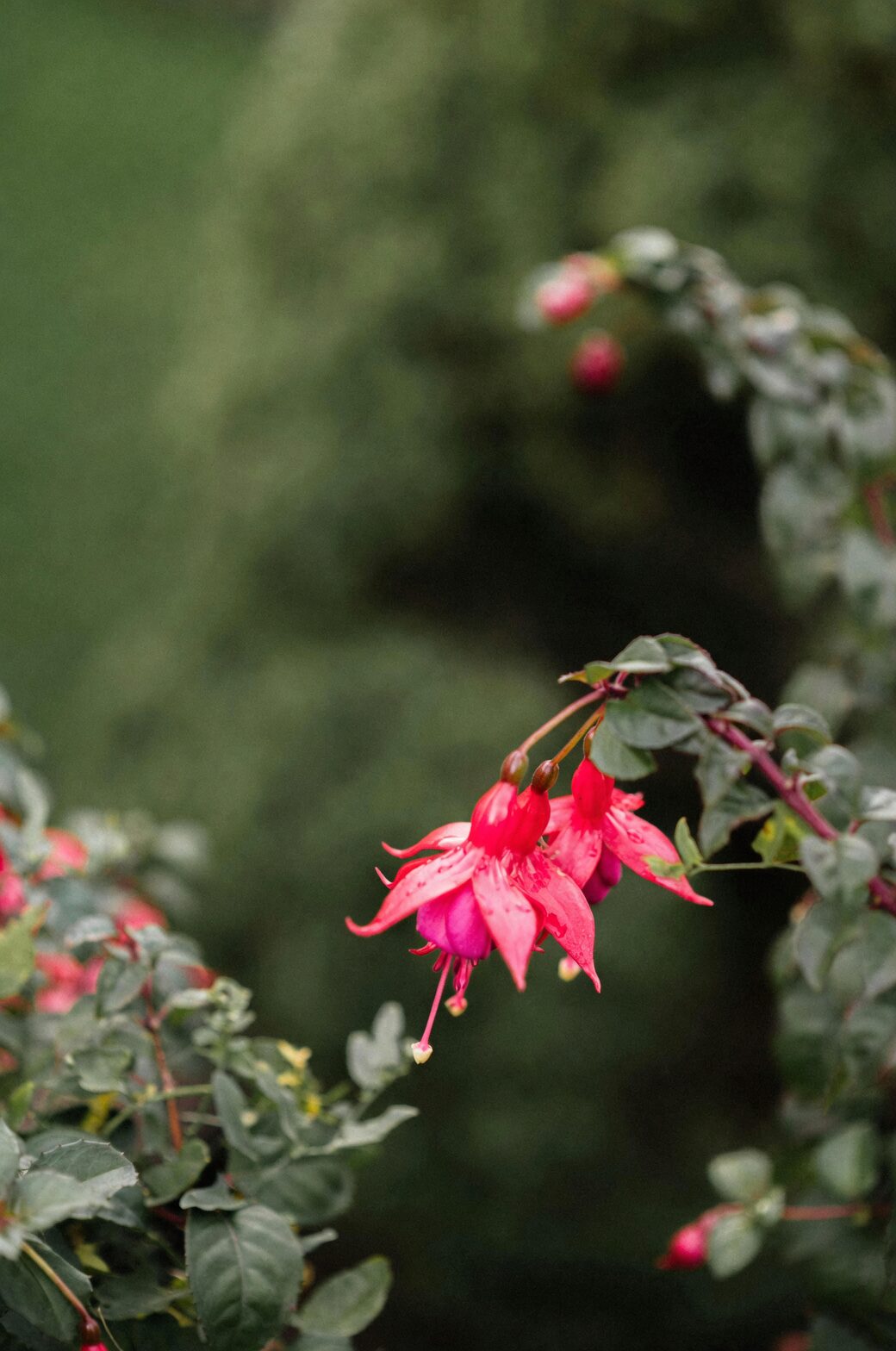
- Why we love it: Bell-like blooms in astonishing color combos (singles and doubles) that sway beautifully when viewed from below. It thrives in bright light, steady moisture, and cool weather.
The golden rules (year‑round)
- Light: Bright light with gentle direct sun (especially morning). Shield from harsh midday/afternoon rays. Indoors, park it near a bright east- or south-facing window—not in a dim corner.
- Temperature: Cool is king—about 15–22°C (59–72°F). Growth slows above 25°C (77°F); around 35°C (95°F) can cause severe dieback. Treat as frost‑tender in pots (some cultivars shrug off brief light frost to ~–5°C/23°F, but don’t gamble).
- Humidity + airflow: Loves evenly moist air; light misting can help cool the canopy. Pair any humidity boost with good ventilation to prevent gray mold and rust.
- Soil: Fertile, moisture‑retentive yet airy. A peat or leaf‑mold base amended with perlite and/or coarse sand gives that “evenly moist, never soggy” sweet spot.
- Watering mantra: Water thoroughly when the surface just dries. Keep evenly moist—never bone‑dry for long, never waterlogged. In hot spells, growth can semi‑pause; keep the mix lightly moist.
- Feeding rhythm: In active growth, feed about every 2 weeks with a balanced‑to‑blooming formula (often ~15‑15‑30) or a well‑diluted organic liquid feed. Reduce or pause during peak heat. If you’re getting leaves at the expense of flowers, ease off.
- Special placement tip: Keep away from ripening fruit—ethylene gas can trigger bud and flower drop.
Season‑by‑season playbook
Spring: wake‑up, branch out, set the stage
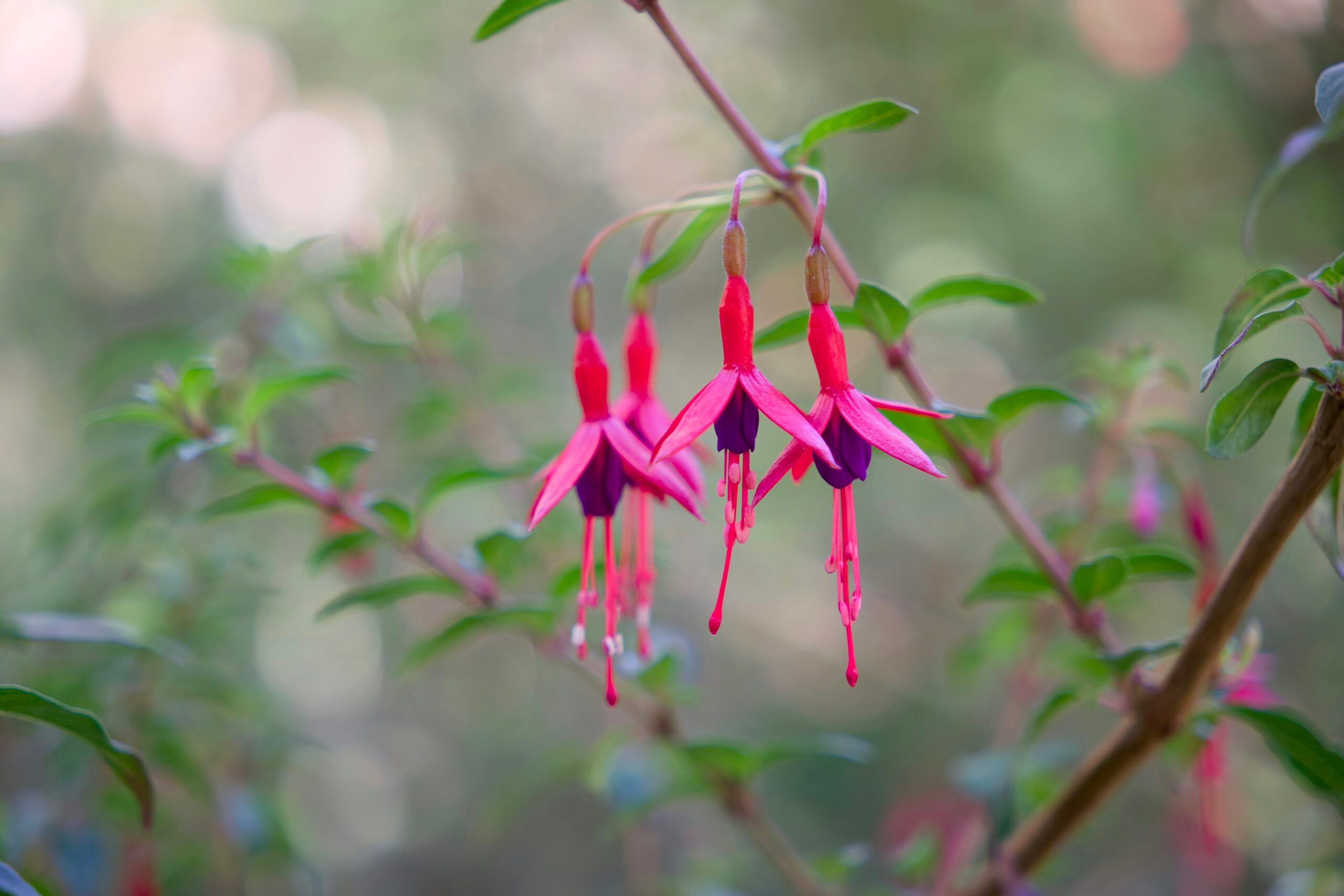
- Repot and refresh
- Move into fresh, free‑draining mix; many growers combine repotting with a light to hard cutback to spark new shoots.
- For basket impact, plant 2–3 young plants in a 15 cm (6 in) pot.
- Pinch for fullness
- First pinch at ~3 pairs of leaves (cut to above the second pair).
- Pinch again after each new shoot makes 3–4 pairs of leaves. Aim to keep 5–7 strong main branches, removing weak, spindly growth.
- Light and temperature
- Give bright light with gentle morning sun. Keep around 15–22°C (59–72°F). Move outdoors only after frost danger has passed and nights are reliably above the single digits °C.
- Water and feed
- Water when the surface dries—often about twice weekly to every 1–2 days depending on light, pot fullness, and breeze. Thorough soaks, then drain freely.
- Start feeding every 2 weeks.
- Propagate while you prune
- Soft tip cuttings (7–9 cm) root readily in moist medium or even water; expect roots in ~10 days and pot‑up in ~30 days. Many cuttings flower the same year.
Late spring to early summer: prime bloom time
- Light: Morning sun with bright light the rest of the day gives the best bud set. Ensure good airflow around dangling blooms.
- Water: Expect faster dry‑downs as days brighten—often every 1–2 days. Never leave the basket standing in runoff.
- Feed: Continue the every‑2‑week rhythm. Switch to a bloom‑leaning formula if you prefer.
- Groom: Deadhead and trim spent tips to keep flowers coming and the silhouette tidy.
High summer: stay cool to carry on
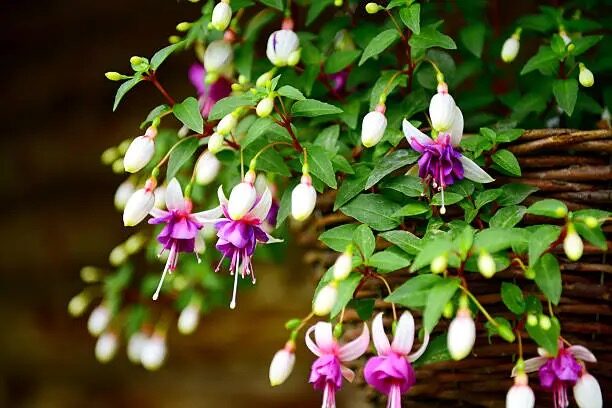
- Heat strategy (when days top ~25°C/77°F)
- Move to bright shade with maximum breeze. Avoid hot walls and reflective patios.
- Mist lightly to cool the leaf surface (morning or mid‑day), then let air circulate well.
- Keep the mix lightly and evenly moist; watering may be frequent (often every 1–2 days), but never let the pot stew in water.
- Pause or reduce feeding during peak heat—growth often idles.
- If the plant flags, cut back by about 1/3–1/2 to help it rest; it will rebound strongly once cooler weather returns.
- Watch for stress
- Yellowing leaves, bud drop, or sparse growth often trace back to heat plus moisture stress. Adjust shade, airflow, and watering cadence.
Autumn: the encore performance
- Cooler air often = fresh bloom flush. Keep light bright with gentle sun; protect from pounding rain that can waterlog baskets.
- Watering naturally slows—commonly around weekly, guided by how fast the surface dries. Slightly drier intervals can extend flowering.
- Feeding can continue every 2 weeks early in the season; taper off as growth slows.
- As nights cool toward 12–15°C (54–59°F), plants often look their best—use this window for great color.
Late autumn to winter: choose your winter mode
- Cool‑bright carry‑on (for continued performance)
- Move indoors to a bright window. Aim for ~12–15°C (54–59°F). Water about weekly, just enough to keep the rootball evenly moist, never soggy. Feed lightly or pause.
- Rest and reset (for minimal maintenance)
- Keep above 5–10°C (41–50°F). Reduce watering to about weekly sips to prevent desiccation. No fertilizer. If leggy, a harder cutback now or late winter sets up vigorous spring growth.
Evenly moist, never soggy: how to master it
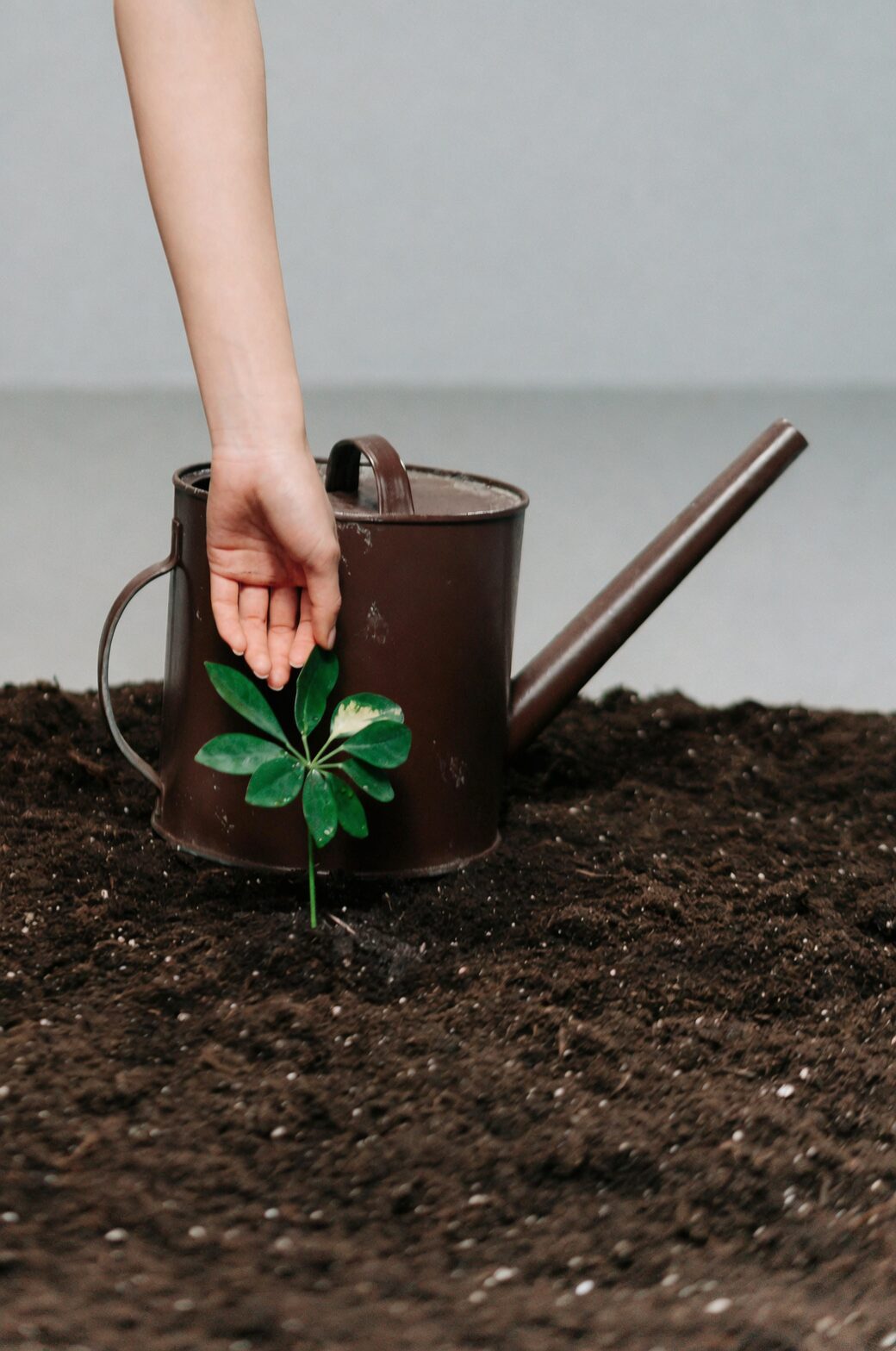
- Use the “surface‑dry” test: Water when the top ~1 cm (½ in) is dry. In heat or wind, that might be daily; in cool, weekly.
- Learn the pot’s weight: Lift before and after watering—your hands will quickly sense when it’s time.
- Drainage rules: Always use a pot with holes. Empty saucers promptly; tip excess from basket liners after rain.
- Mix matters: Peat/leaf‑mold base + perlite and/or coarse sand = air pockets that prevent root rot while holding steady moisture.
- Air with humidity: Pair any misting or pebble‑tray humidity with airflow to discourage fungal spots on flowers and leaves.
Pinching, pruning, and shaping
- Pinch 2–3 times early to build a full canopy and more flowering tips.
- Maintain about 5–7 strong leaders; remove thin, tangled, or crossing stems.
- Deadhead to push more buds; after each major flush, shorten overly long stems.
- Rejuvenation: If the base goes bare, hard‑prune to spark fresh shoots.
- Training options: Trailing baskets, mounded bushes, or a standard (single stem) with a rounded head.
Placement pointers
- Outdoors: balconies, patios, bright porches, and hanging baskets with morning sun and afternoon bright shade. Shield from strong winds and heavy, soaking rain.
- Indoors: bright east/south windows, good airflow, and away from ripening fruit (ethylene triggers bud drop).
Propagation in a snap
- Softwood cuttings in spring, semi‑ripe cuttings in late summer, 7–9 cm long. Remove lower leaves; insert into a moist, airy medium or water. Roots in ~10 days; pot up in ~30 days.
- Seeds can be sown in spring or autumn at 15–24°C (59–75°F). Germination in ~2 weeks; spring‑sown plants typically flower the following year.
Feeding, simplified
- Active growth: every 2 weeks with a balanced‑to‑blooming fertilizer (~15‑15‑30) or well‑diluted organic liquid feed.
- Peak heat: reduce or pause—fuchsias “idle” in hot weather and don’t use extra nutrients well.
- Leafy but shy to bloom? Ease off nitrogen and keep light bright and temperatures on the cool side.
Pests, diseases, and prevention
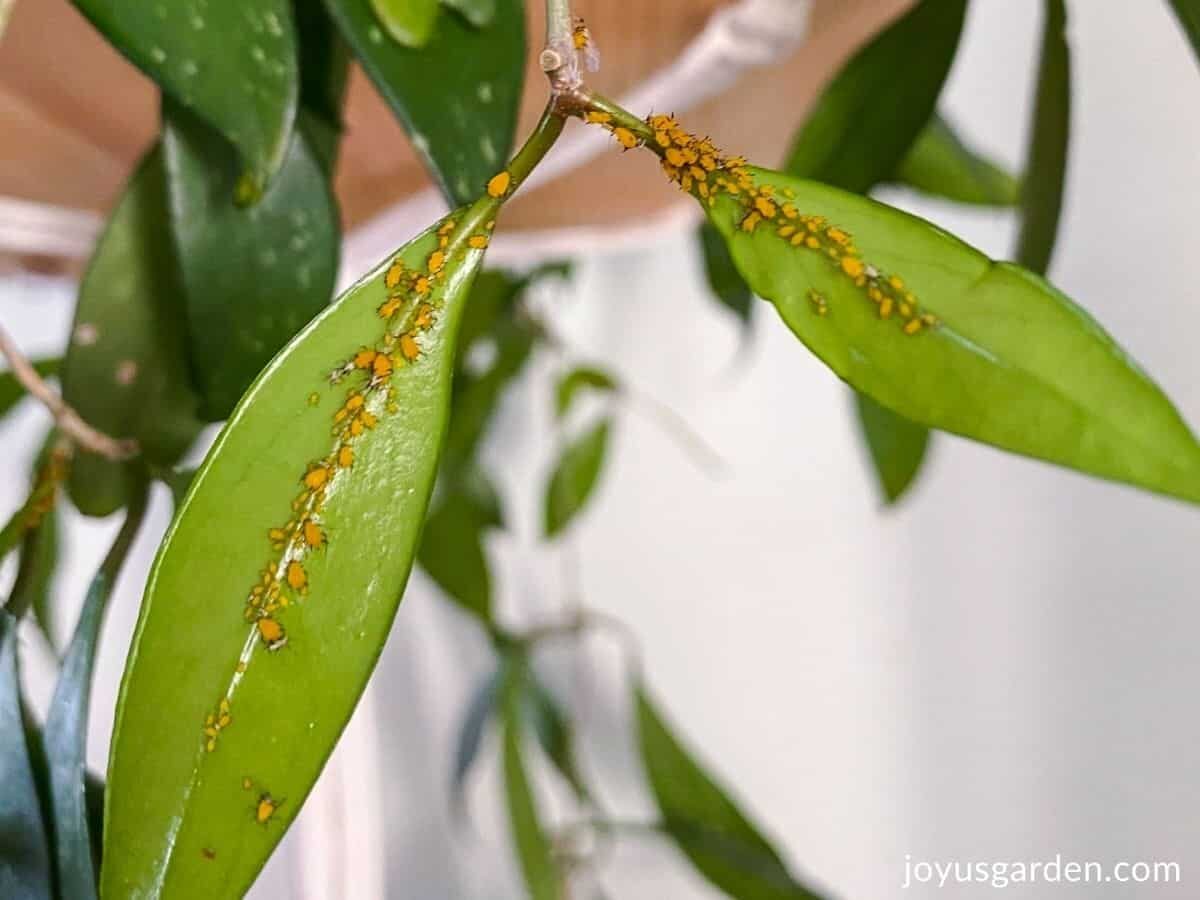
- Fungal issues: gray mold (Botrytis) and rust thrive in cool, damp, stagnant air.
- Prevention: space plants, prune for airflow, remove spent blooms and yellow leaves promptly, avoid drenching flowers late in the day.
- Pests: aphids, spider mites, whiteflies.
- Response: treat early with insecticidal soap or horticultural oil; repeat as needed and improve airflow.
- Heat flags: wilting, leaf yellowing, dieback—move to cooler bright shade, keep evenly moist, and consider a partial cutback.
Safety
- Generally low‑toxicity for people and pets. Chewing or ingestion may cause mild stomach upset—best to keep out of nibblers’ reach.
Flower language: what fuchsia “says”
Fuchsia’s pendulous, bell‑like blooms have long suggested playful charm and fascination—like tiny earrings that ring with curiosity. In some traditions the nodding flowers hint at a gentle warning or “little alarm bell,” a reminder to stay alert even in joy. In parts of Europe they can stand for fondness and enthusiasm. As with most flower language, meanings evolved from the bloom’s look and behavior more than any single legend, so treat them as poetic symbolism rather than fixed folklore.
Fast troubleshooting
- Buds dropping? Too little light, heat stress, or ethylene from ripening fruit; also avoid swings from dry to soggy.
- Leggy, pale growth? Increase brightness (gentle direct morning sun helps) and pinch to branch.
- Yellowing in summer? Often heat + moisture stress; move to breezy bright shade and keep the mix lightly moist.
- Few flowers, lots of leaves? Cooler temps and brighter light help; ease off high‑nitrogen feeding.
- Base gone bare? Time for a rejuvenation prune.
Dial in bright light without scorch, keep roots evenly moist in an airy mix, and favor cool breezes over summer swelter—do that, and your Fuchsia × hybrida will dance with flowers from spring’s first warm days to autumn’s cool encore.