
Picture a shallow jade bowl on a bright windowsill, brimming with glossy, round leaves that look like a scatter of tiny coins. That’s Brazilian pennywort—Hydrocotyle umbellata—known in Chinese as 铜钱草, the “copper-coin herb.” It doesn’t need a lot to be happy: steady moisture, good light, and a little room to roam. In return, it sends out fresh runners that root at every node, unfurling ever more “coins.” No wonder its modern flower language (花语) speaks of prosperity, and why it’s a feng shui favorite for inviting wealth and flow into a space.
Meet the plant behind the prosperity
- Scientific name: Hydrocotyle umbellata (family Araliaceae; genus Hydrocotyle)
- Common names: Brazilian Pennywort, Common Pennywort, Dollarweed, Marsh Pennywort, Umbrella Pennywort (often sold simply as “pennywort” or 铜钱草)
- Origin: South America; widely cultivated
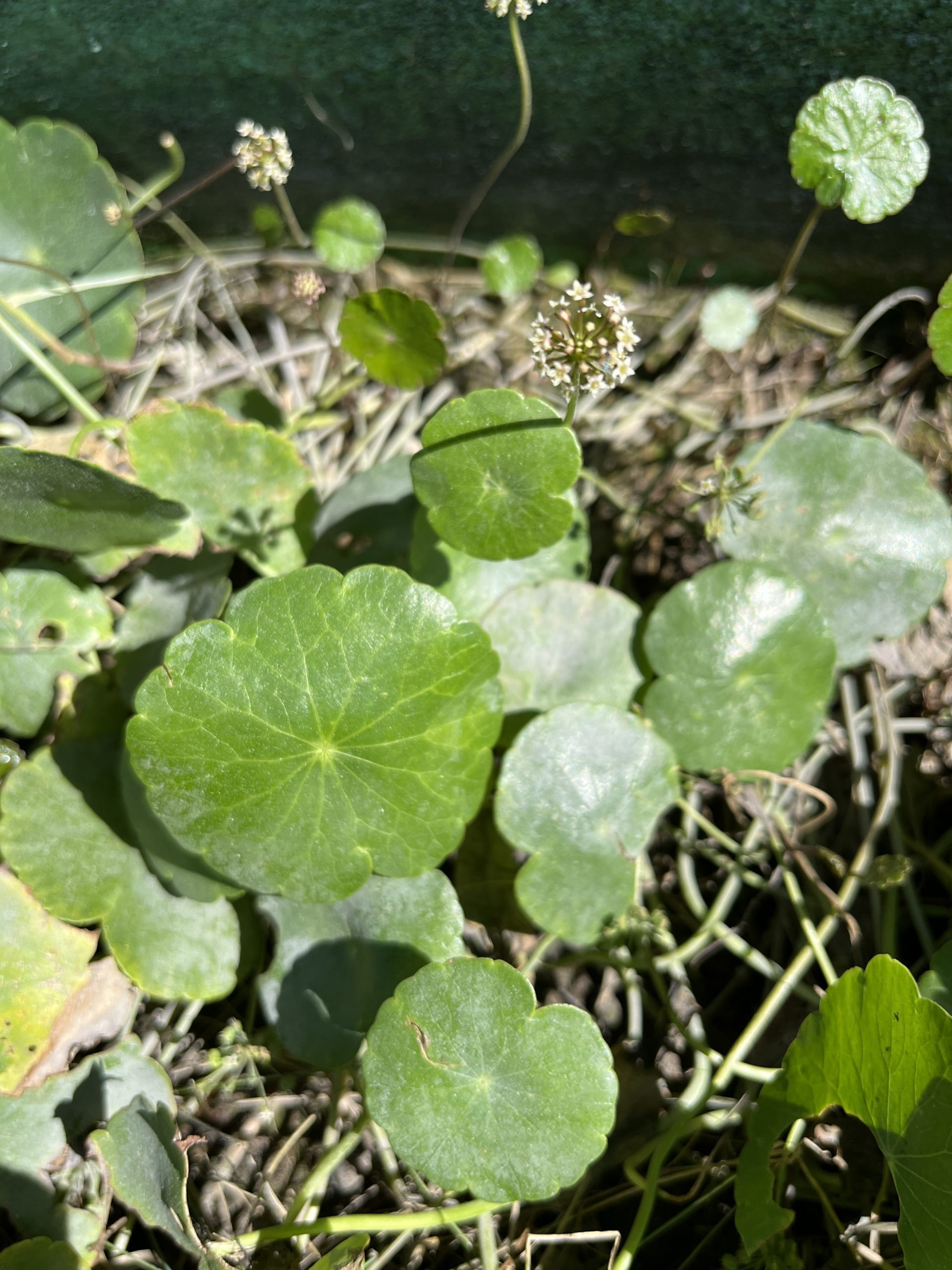
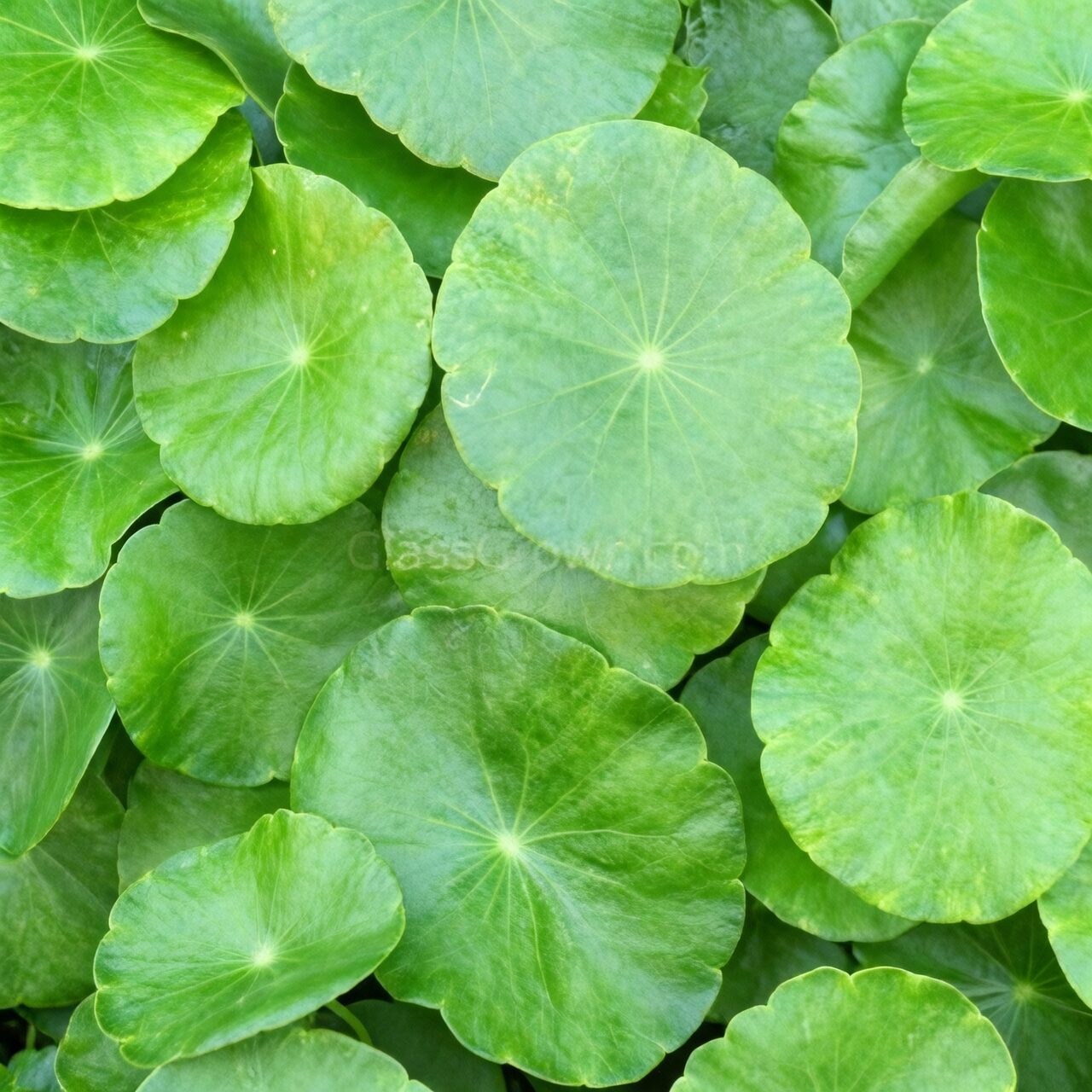
- Look and habit: Bright green, round, peltate leaves (the stalk meets the leaf near the center like a tiny umbrella/coin) lifted on slender stems. Low, clumping-to-creeping growth; trailing stems root where they touch, forming dense mats.
- Versatile culture: Thrives in consistently moist soil or shallow water; excellent for bowls, paludariums, and the edges of mini-ponds or aquariums.
- Bloom note: It’s grown for foliage; flowers are small greenish-white clusters (summer to autumn).
Note: In horticulture, 铜钱草 is sometimes also applied to Hydrocotyle vulgaris; both carry the same “coin-leaf” symbolism. This article focuses on H. umbellata, a popular house and windowsill plant.
How coin-shaped leaves minted a modern 花语 of wealth
Chinese flower language doesn’t rely on a single official code; meanings often arise from form, color, puns, and centuries of cultural use. With pennywort, it’s the leaf that speaks: each glossy round blade resembles a copper coin, and a pot full of them looks like a bowl of money. Roundness (圆, yuan) itself suggests wholeness and reunion—and happens to echo the word for currency (元, also yuan). Together, the imagery conveys:
- Prosperity and “money luck”
- Steady cash flow rather than one-off windfalls
- Wholeness, completion, and a well-rounded life
Why the runners mean “wealth rolling in”
In growth, Hydrocotyle umbellata sends out slender stolons that creep, take hold at the nodes, and make new leaves—fast. Botanically, this is a simple survival strategy. Symbolically, it’s irresistible: new “coins” keep arriving and rooting, like income streams establishing themselves one by one. In modern phrasing, it perfectly mirrors 财源滚滚—“wealth rolling in.”
Feng shui meaning and where to place it
Living plants are classic feng shui enhancers because they embody the Wood element—growth, vitality, upward momentum. Pennywort adds a whisper of the Water element too, thanks to its love of bowls and aquatic edges. Water nourishing Wood is a harmonious pairing for abundance.

High-energy wealth spots (and how to keep the plant happy there)
- Southeast (Wealth corner) of your home or office
- Use a shallow, wide bowl to encourage a “carpet of coins”
- Light: bright to sunny; in hot climates, soften midday sun with 40–60% shade
- On a bright east- or south-facing windowsill
- Rotate the container weekly for even growth and a balanced look
- Entryway console (with natural light)
- A welcoming symbol of resources flowing in
- Near an account book, cash box, or point of sale in a shop
- Keep water fresh and leaves dust-free to maintain “flow”
- Pond edge or damp, lightly shaded bed outdoors (warm, frost-free areas)
- Let it gently trail to suggest abundance expanding beyond borders
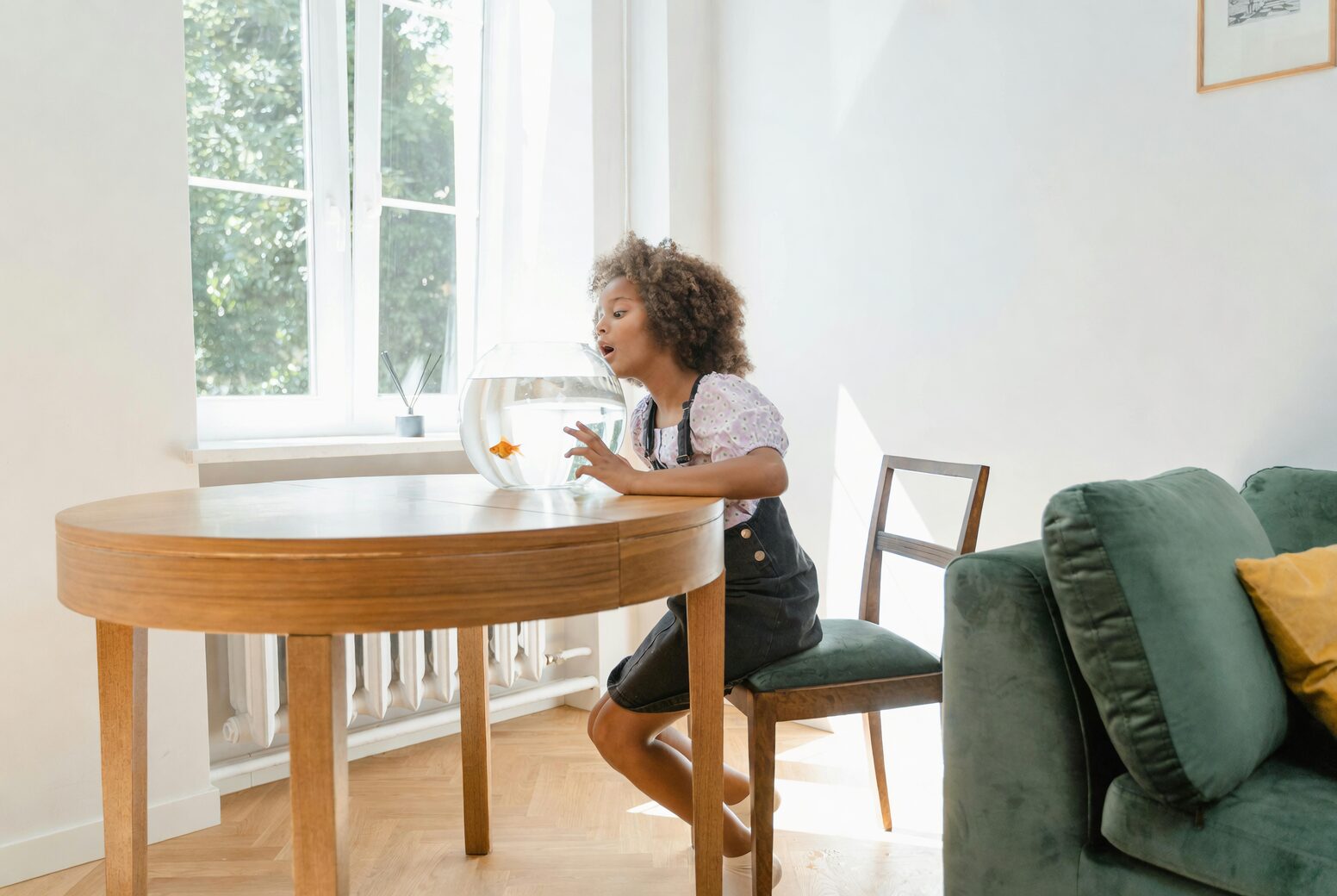
Pro tip: Because this plant thrives on steady moisture, a glass bowl, paludarium, or the “beach” edge of an aquarium makes a striking, symbolically apt display. Anchor roots with pebbles or LECA and keep water pristine.
Element cues and styling
- Water feeds Wood: A clear or ceramic bowl evokes flow supporting growth.
- Choose auspicious shapes and colors: round bowls, jade green, red, or gold accents.
- Many practitioners like groupings of 3, 8, or 9 (numbers associated with growth, fortune, and continuity).
How to gift pennywort with perfect etiquette

This is a joyful, easeful gift—lush, friendly, and quick to settle in.
- Best occasions
- Housewarmings, new business openings, promotions, new jobs
- Lunar New Year or milestone birthdays
- Congratulations on exams or big projects
- How to present it
- A shallow, wide “treasure bowl” (15–20 cm/6–8 in to start) signals coins collecting
- Tie a simple red or gold ribbon; include a note: “May prosperity take root” or “Wishing you wealth rolling in”
- Add a concise care card: bright light, steady moisture, fresh water if grown in a bowl
- Gifting manners
- Arrive with the plant already hydrated and upright (no drooping leaves)
- For recipients with pets, mention it isn’t known to be significantly toxic but can cause tummy upset if chewed
Care that supports the symbolism (a thriving plant = thriving fortune)
Keep the plant vigorous and you reinforce the message of abundance.
- Light
- Bright light to full sun; indoors, an east or south window is ideal
- In hot regions, protect from harsh midday sun to prevent scorch
- Water and moisture
- Soil culture: keep evenly moist; don’t let the mix dry or crack
- Water culture: start with clean water; change every 3–4 days at setup, then every 7–10 days once new white roots appear; avoid stagnant water
- Humidity: enjoys warm, humid air (around 70–80% is great)
- Temperature
- Best at 20–28°C (68–82°F); try to keep highs under ~30°C (86°F)
- Frost tender: ideally stay above 10°C (50°F); at minimum, protect above ~5°C (41°F)
- Feeding
- Light, balanced liquid feed in active growth
- Water culture: low strength every 2 weeks
- Soil culture: about monthly
- Skip fertilizer in winter; keep it off the leaves
- Grooming and shaping
- Pinch away yellow or damaged leaves promptly
- If stems get lanky, trim to encourage fresh shoots
- Rotate the container weekly for symmetry
- Propagation (easy, great for sharing “wealth”)
- Division in spring
- 10–15 cm (4–6 in) node or tip cuttings in warm weather; roots often form in ~2 weeks at 20–24°C (68–75°F)
- Seeds can germinate in ~10 days with steady moisture at 19–24°C (66–75°F)
- Pests and health
- Aphids like tender new growth—rinse, hand-remove, or use insecticidal soap
- Yellowing leaves usually point to inconsistent moisture, cold stress, stale water, or low light—stabilize conditions and refresh water
Safety note: No widely accepted evidence of significant toxicity to people or pets for commonly grown Hydrocotyle pennyworts, but any houseplant can cause mild stomach upset if chewed. Keep out of nibblers’ reach.
Style ideas that amplify the message
- The “coin bowl”
- A low, round vessel planted dense and wide so leaves overlap like stacked coins
- Use inert pebbles or LECA; avoid metals that may leach into water
- The clear-water tableau
- In a glass bowl, let white roots and new runners show—visual “cash flow”
- The aquarium edge
- Let stems trail over a bright, well-lit tank margin to symbolize abundance spilling over
- The desk saucer garden
- A shallow ceramic dish on a sunny ledge; rotate weekly for a perfectly round “mint”
Quick answers
- What exactly are those “coin” leaves?
- They’re peltate—each stalk attaches near the center, like a tiny umbrella handle. It’s the iconic trait that inspires the prosperity symbolism.
- Will it bloom?
- Yes, but modestly—tiny greenish-white clusters in summer to autumn. Most people grow it for the foliage.
- Why are my leaves turning yellow?
- Most often: inconsistent moisture, cold stress, stagnant water, low light, or poor airflow. Keep conditions steady, brighten the spot, and refresh water in hydro setups.
Prosperity in a pot is more than a pretty idea here. With Hydrocotyle umbellata, you can watch abundance take literal root—leaf by leaf, runner by runner—until your bowl of “coins” overflows.