
Picture this: you bring home a sprightly little “pennywort” with perfect green coins on wiry stems. A few months later, your friend shows off her “pennywort” that shrugged off frost outdoors while yours sulked the minute autumn arrived. Same plant? Not quite. Welcome to the oddly delightful whodunnit of Hydrocotyle umbellata and its European doppelgänger—two species that often wear the same name tag.
Meet the plant behind the mystery: Hydrocotyle umbellata
- Common names: Brazilian pennywort, dollarweed, marsh pennywort, pennywort, umbrella pennywort (and in Chinese, 铜钱草).
- Family: Araliaceae (yes, the same family that now houses many former Apiaceae alumni—another source of label confusion).
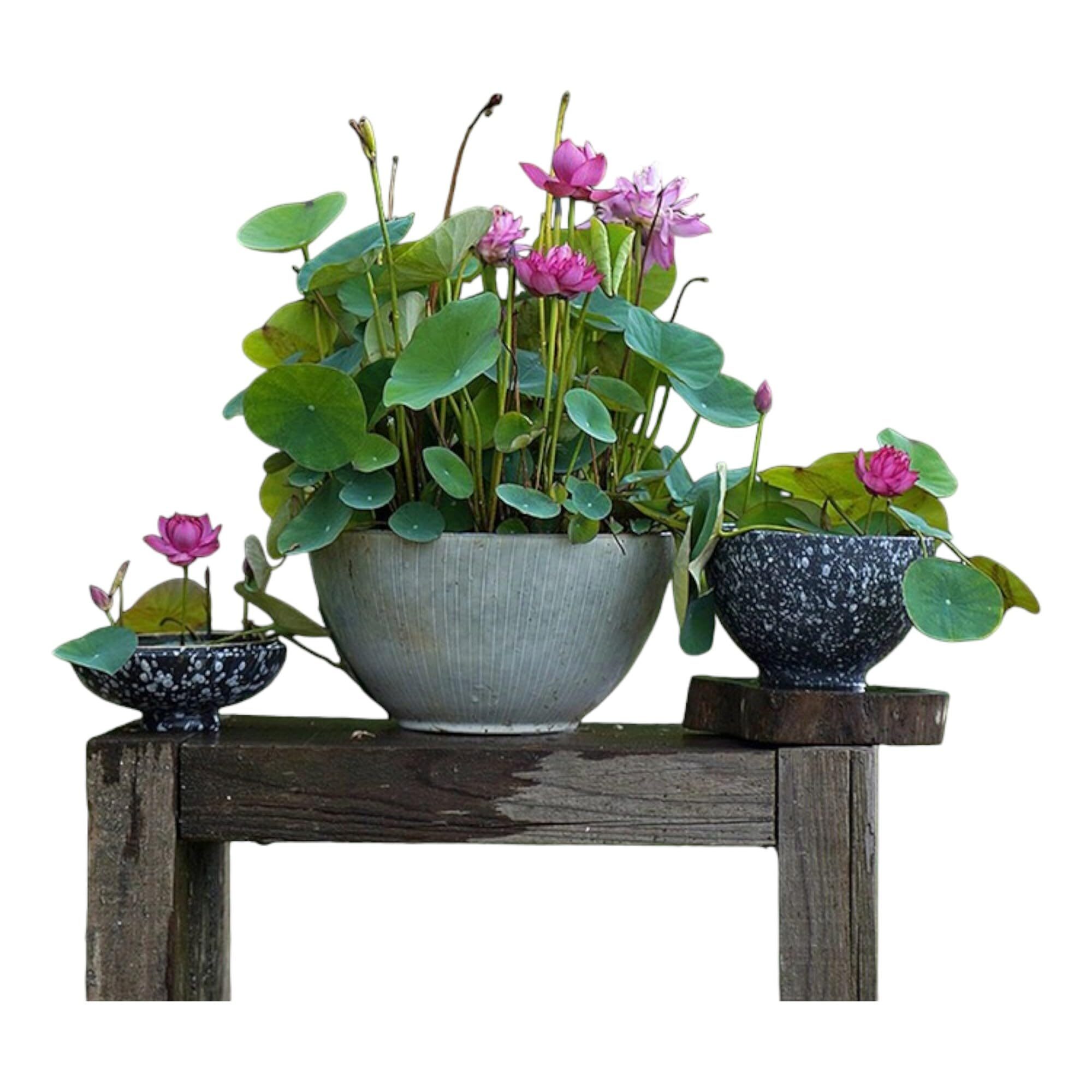
- Look: Round, glossy, bright-green peltate leaves (the stalk attaches near the center, like a tiny umbrella). The result is a cheerful mat of “coins” on slender stems.
- Habit: Low, clumping-to-creeping perennial. Stems trail and root at the nodes, filling bowls, shallow planters, and pond edges with ease.
- Flowers: Tiny greenish-white clusters; in H. umbellata they typically form simple, umbrella-like heads above the leaves. It’s celebrated for its leaves, not its blooms.
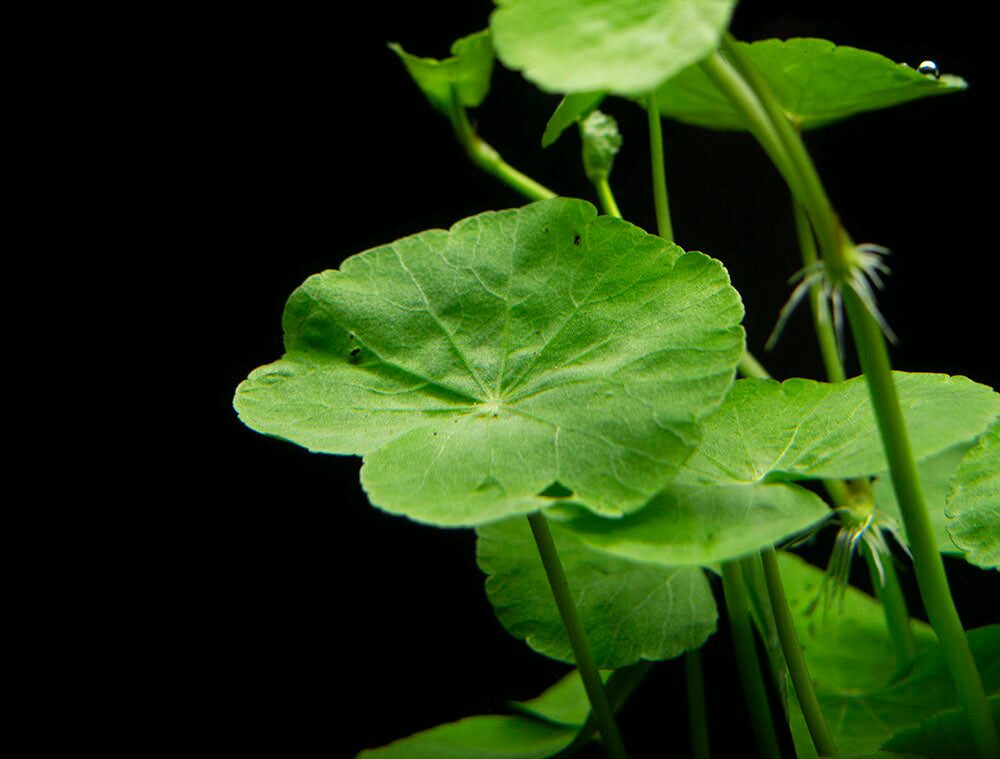
The identity mix-up: South America vs. Europe
Here’s the twist. In nurseries and online shops, “pennywort” and “铜钱草” often refer to two different species:
- Hydrocotyle umbellata — native to South America. Lush, fast, great indoors and in warm outdoor spots. Frost-tender.
- Hydrocotyle vulgaris — native to western and northern Europe. Looks very similar at a glance. Much hardier in cold climates.
Why do they get sold under one name?
- Catch-all common names: “Pennywort,” “dollarweed,” and “铜钱草” are used loosely in trade.
- Family shuffle: Hydrocotyle has long been bounced between Apiaceae and Araliaceae in the literature, which muddied labels in the nursery pipeline.
- Vegetative twins: Both make round, peltate leaves on creeping stems. When plants are sold vegetatively (and often not in flower), they’re easy to mix up.
- Market convenience: Suppliers and retailers often group them for similar uses—bowls, paludariums, aquarium margins, or pond edges—so the precise species ID gets… “streamlined.”
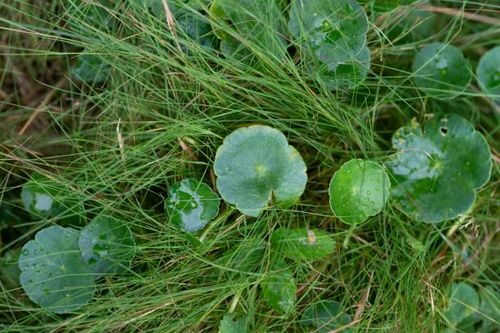
Quick field clues: Which pennywort did you buy?
You don’t need a microscope—just watch how it behaves.
- Cold test
- Breezes through chilly, temperate winters outdoors? Very likely H. vulgaris.
- Pouts below about 10°C (50°F), yellows or collapses in a cold snap? Likely H. umbellata.
- Growth vibe
- H. umbellata is a star for warm windowsills, bowls, and pond margins in frost-free settings; it revels in bright light plus steady moisture.
- H. vulgaris often shows a tougher, “marsh native” attitude in temperate gardens and can persist in cold, damp sites.
- Flower hint (if you’re lucky):
- H. umbellata commonly lifts simple, umbrella-like clusters above the leaves. But flowering is rare indoors, so don’t bank on this alone.
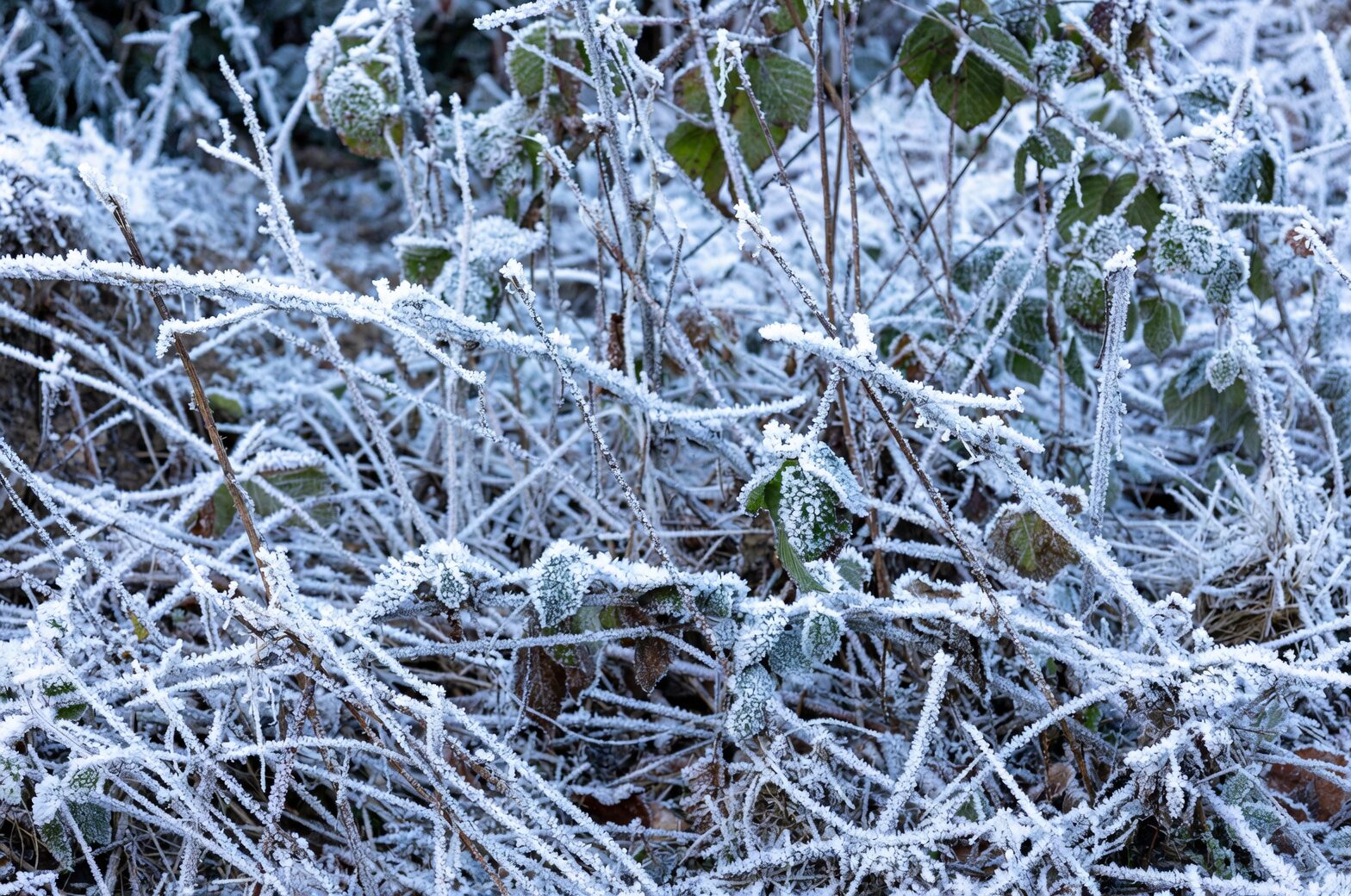
Hardiness—the plot twist that changes your care plan
- Hydrocotyle umbellata (South American): Frost tender. Treat as a warm-loving plant—best above 10°C (50°F) and always protected from freezing. Minimum survival threshold around 5°C (41°F), below which yellowing and dieback can occur.
- Hydrocotyle vulgaris (European): Much hardier; often overwinters outdoors in cold-temperate regions and natural marshes.
What that means for you
- If your plant is H. umbellata:
- Overwinter indoors in bright light.
- Keep it warm (ideal 20–28°C / 68–82°F), and protect it from harsh midday summer sun if outdoors.
- Great in bowls, shallow water dishes, paludariums, or as an aquarium-edge emergent with fresh water and bright light.
- If your plant is H. vulgaris:
- You can trial it outdoors as a marginal in cool-temperate climates.
- It still enjoys constant moisture and light, but is vastly more forgiving of cold.
- Indoors, it behaves similarly to H. umbellata—bright light, steady moisture—just less fussy about a winter chill.
Universal care that both species love
Light
- Bright light to full sun, with protection from harsh midday summer rays (aim for 40–60% shade or bright filtered light in hot regions).
- Indoors: east- or south-facing windowsill is prime real estate. Rotate the container weekly for even growth.
Temperature and humidity
- Best growth: 20–28°C (68–82°F); try to keep summer highs under 30°C (86°F).
- Winter: above 10°C (50°F) is ideal for H. umbellata; at bare minimum, keep above about 5°C (41°F) to reduce yellowing.
- Loves humidity (70–80% is great). A humidity tray or occasional misting helps in dry rooms.
Water and substrate
- Soil culture: keep the mix consistently moist—never let it dry out or crack. Use a breathable, moisture-retentive blend (loam/potting soil + compost/leaf mold + a bit of coarse sand).
- Water culture: rinse roots, trim any mushy parts, and anchor with pebbles/LECA if you like. Use clean water.
- New setup: change water every 3–4 days.
- Established (new white roots visible): change every 7–10 days.
- Consistency is everything—yellow leaves often follow “too-dry/too-wet” swings or stagnant water.

Feeding
- Light feeder. Apply a balanced liquid fertilizer at low strength during active growth:
- Water culture: roughly every 2 weeks.
- Soil: about monthly.
- Skip fertilizer in winter. Keep fertilizer off leaves to prevent spotting.
Grooming and shaping
- Remove yellow or damaged leaves promptly.
- If it gets lanky, trim stems back to a node to encourage fresh shoots.
- Rotate the pot weekly for a tidy, symmetrical rosette of “coins.”
Propagation (ridiculously easy)
- Division in spring: split a crowded clump and replant.
- Node/tip cuttings in warm seasons: 10–15 cm (4–6 in) pieces root in moist sand or plain water in about 2 weeks at 20–24°C (68–75°F).
- Seeds: sow on a moist medium in spring or autumn at 19–24°C (66–75°F); germination often in ~10 days.
Repotting and placement
- Repot/divide in spring when runners mob the rim.
- Shallow, wide bowls are perfect; a 15–20 cm (6–8 in) container makes a lovely tabletop mat.
- Great in glass vessels, shallow dishes, paludariums, or as a marginal at the edge of an aquarium or mini-pond.
Seasonal cheat sheet
- Spring: strongest growth—repot, divide, and water often; brightest safe light.
- Summer: protect from intense midday sun; keep temps under ~30°C (86°F); take cuttings.
- Autumn: keep evenly moist; you can still sow seed in warm indoor conditions.
- Winter: bright light; keep H. umbellata above 10°C (50°F) ideally (never below ~5°C / 41°F); ease up on water and stop feeding.
Troubleshooting the “coins”
- Yellowing leaves? Usual culprits are:
- Inconsistent moisture or stagnant water
- Chilly conditions (especially below ~5°C / 41°F)
- Low light or poor ventilation
- Dusty leaves (rinse occasionally)
- Pests: Aphids love tender new growth. Rinse off, hand-remove, or use insecticidal soap.
Safety notes
- No widely accepted evidence of significant toxicity for commonly grown Hydrocotyle pennyworts. Still, any houseplant can cause mild stomach upset if chewed—keep away from curious pets and kids.
Flower language and symbolism
Those perfect round leaves invite an easy association with coins—and with them, prosperity and “money luck.” This is more a modern, visual metaphor than an ancient canon of floriography; the plant’s charm lies in its ever-renewing little “coins” that seem to multiply with care, a living emblem of steady growth and abundance.
Buying guide: avoid impostors… of quality
- Choose compact plants with glossy, vivid green leaves—no yellowing, scorch, spots, or tears.
- Check for aphids on the tender tips.
- After purchase, acclimate in bright, indirect light with good airflow; keep moisture steady. Wait for fresh growth before feeding.
The sleuth’s wrap-up
- Two species, one name tag: your “pennywort” could be South American H. umbellata (frost tender) or European H. vulgaris (cold-tough).
- Let hardiness guide your care plan:
- If it dislikes chills, keep it cozy indoors, moist, and bright.
- If it laughs at frost outdoors, you likely have the European cousin—still moisture-loving, just sturdier.
- Either way, give it bright light and consistent moisture. Do that, and your pot will brim with a lively spill of green “coins”—a little treasury of botanical joy on your sill.
Note: You may occasionally see “white rot” listed as a name in commerce—treat that as a labeling oddity rather than a standard common name.