

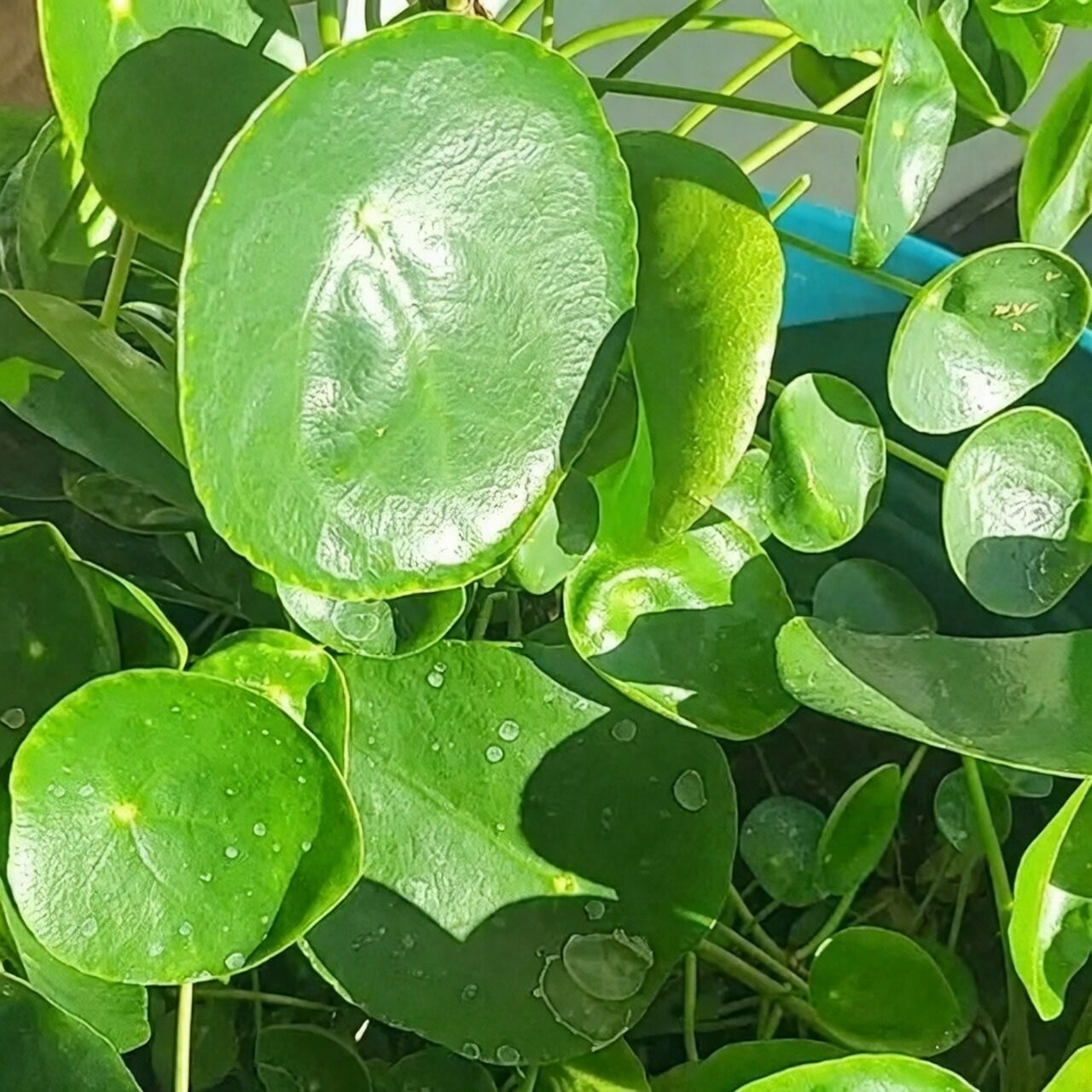
Bright green “coins” on springs of slender stems—Hydrocotyle umbellata (Brazilian Pennywort) is the plant equivalent of a pocketful of good luck. The best part? It thrives in both moist soil and shallow water. With a few steady routines, you can keep those leaves glossy, dense, and cheerful all year.
Meet your plant: what to expect
- Names: Brazilian Pennywort, Dollarweed, Marsh Pennywort, Umbrella Pennywort (scientific: Hydrocotyle umbellata; family: Araliaceae)
- Origin: South America
- Habit and size: a fast, creeping perennial with peltate, coin-like leaves; typically 5–30 cm (2–12 in) tall, spreading 30–60+ cm (12–24+ in) as runners root at the nodes
- Flowers: tiny greenish-white clusters in summer to autumn; it’s mostly grown for foliage
- Personality: water-loving, forgiving, and quick to bounce back once conditions are steady
Note: In the trade, “pennywort” can also refer to Hydrocotyle vulgaris. Care is very similar, but yours here is H. umbellata.
Light that keeps it lush (and how to place and rotate)
Indoors:
- Aim for bright light to gentle full sun. An east- or south-facing windowsill is ideal.
- In strong summer sun through glass, start with bright, indirect light and move gradually toward more sun.
- Rotate the pot half a turn weekly to keep the rosette even and prevent one-sided, leggy growth.
Outdoors (warm climates):
- Full morning sun is great; protect from harsh midday rays with 40–60% shade or dappled light to prevent leaf scorch.
- As daylength and sun angle shift seasonally, adjust the container’s position so the plant still gets bright, even exposure.
Signs to watch:
- Too little light: lanky stems, bigger gaps between leaves, faded color.
- Too much midday sun/heat: crisped edges or pale, bleached patches. Give filtered light.
Two foolproof setups: soil culture vs water culture
Both work beautifully. Choose the look and maintenance rhythm you prefer.
Soil culture (for a plush, quick-fill pot)
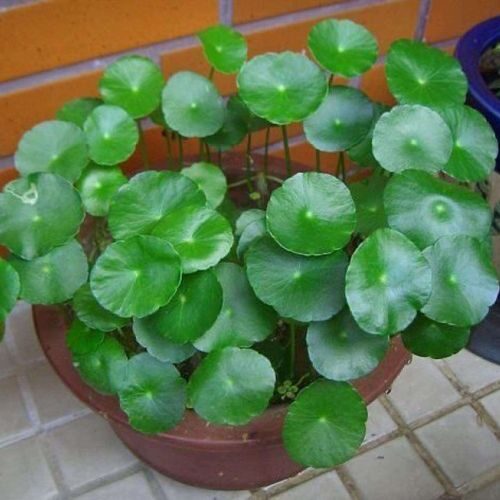
- Container: shallow, wide pots or bowls suit the creeping habit. Ensure drainage.
- Mix: moisture-retentive yet breathable—loam or quality potting soil + compost/leaf mold + a handful of coarse sand.
- Watering rhythm:
- Keep the mix consistently moist; do not let it dry out or crack.
- In active growth, watering every 2–3 days is common. In winter, ease back slightly but never to bone-dry.
- Water thoroughly until a little drains out; empty saucers after 10–15 minutes to avoid stale, swampy buildup.
- Pro tip: consistency rules. Yellow leaves often follow “too dry/too wet” swings.
Water culture (for the serene bowl-on-desk vibe)
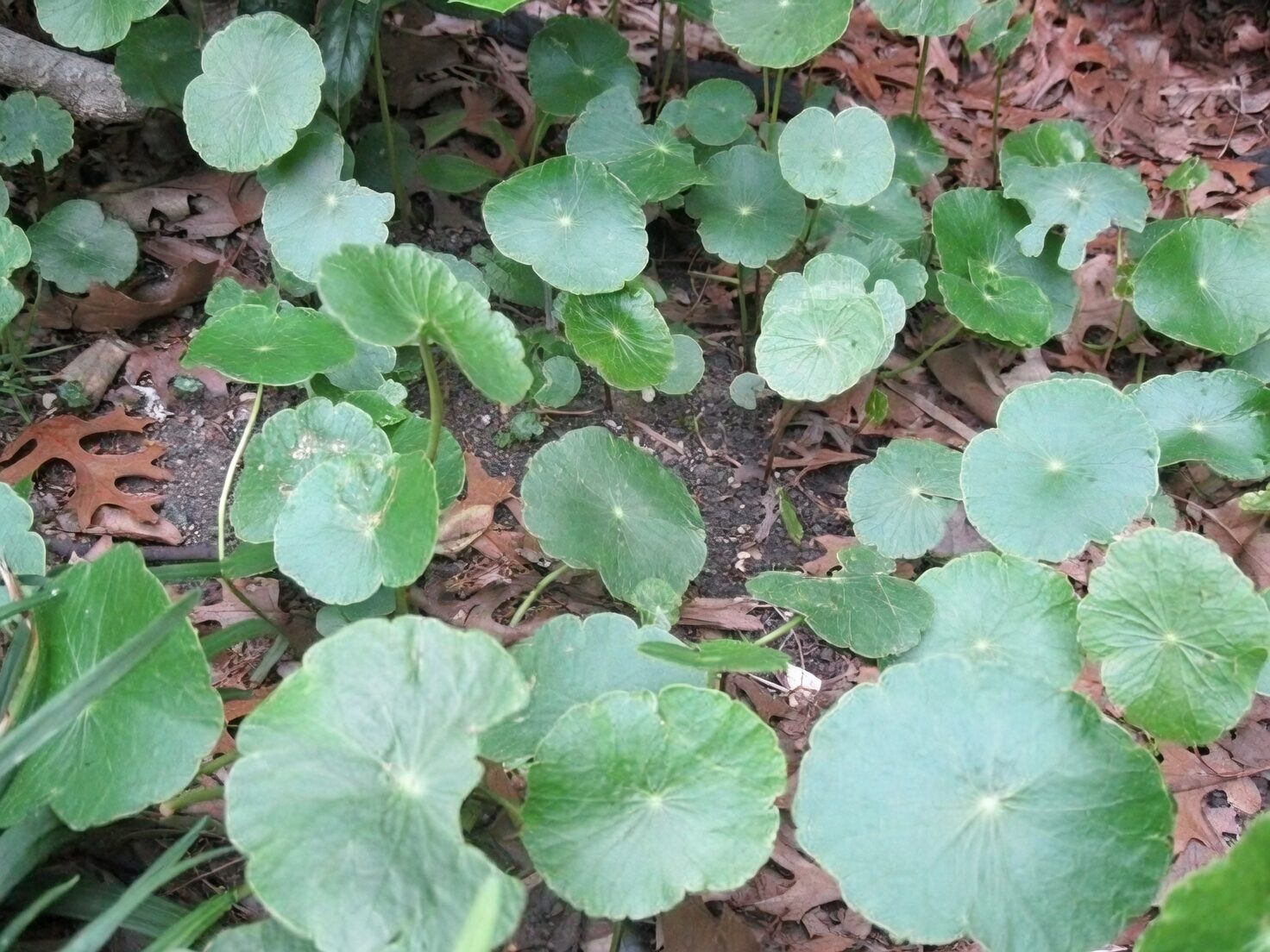
- Setup: rinse roots, trim any mushy bits, and anchor with pebbles/LECA/decorative stones in clean water.
- Depth: keep crowns above the waterline; just submerge roots and lower stems.
- Water changes:
- At first: change every 3–4 days.
- Once new white roots appear: change every 7–10 days.
- Top up between changes so roots never dry out. Avoid stagnant water.
- Light feeding (see “Fertilizer” below), and wipe bowls clean periodically to keep things sparkling.
Your moisture routine—made easy
- Pick a schedule and stick to it. Set calendar reminders or tie watering to a routine (e.g., “every other morning” for soil; “weekly refresh” for hydro).
- In heat waves, check daily—small containers dry faster; add a splash rather than allowing dramatic swings.
- If leaves yellow from the base, review moisture stability first, then light and temperature.
Temperature, humidity, and airflow
- Temperature sweet spot: 20–28°C (68–82°F). Try to keep summer highs under ~30°C (86°F).
- Winter: keep it above 10°C (50°F) ideally; at minimum, above ~5°C (41°F) to limit dieback.
- Humidity: loves 70–80%. Use a humidity tray or occasional light misting in dry rooms.
- Airflow: gentle, fresh air reduces pest pressure and leaf yellowing. Avoid cold drafts.
Fertilizer: a light touch for sturdy growth
- Soil culture: a balanced liquid feed at low strength about monthly in active growth.
- Water culture: very dilute balanced feed every 2–4 weeks in active growth.
- Skip feeding in winter. Keep fertilizer off the leaves to avoid spotting, and avoid heavy nitrogen, which can make growth leggy.
Pruning and grooming for glossy density
- Pinch or trim yellow, scorched, or damaged leaves promptly.
- If stems stretch or flop, cut back to a node to encourage fresh side shoots.
- Rotate the container weekly for symmetry.
- Rinse foliage gently now and then to remove dust and keep that high-gloss finish.
Repotting and multiplying your mat
- Repot/divide in spring when runners crowd the rim.
- Ideal starter container: 15–20 cm (6–8 in) wide; scale up for a wide “carpet” effect.
- Propagation:
- Division: split a dense clump; replant sections.
- Node/tip cuttings: take 10–15 cm (4–6 in) tips with one or more nodes; root in moist sand or directly in water. At 20–24°C (68–75°F), rooting often takes ~2 weeks.
- Seed: sow on moist medium in spring or autumn at 19–24°C (66–75°F); germination can occur in ~10 days with steady moisture.
A year-round game plan (seasonal tweaks)
- Spring
- Peak growth. Repot/divide.
- Water frequently (often every 2–3 days in soil).
- Give bright light; start light feeding.
- Summer
- Shield from harsh midday sun; keep temps under ~30°C (86°F).
- Increase airflow and humidity if the room is dry.
- Take 10–15 cm cuttings; root at 20–24°C for quick success.
- Autumn
- Keep evenly moist; water when the surface just begins to dry.
- Maintain bright light as days shorten; move closer to a window if needed.
- Optional: sow seed.
- Winter
- Brightest spot available; keep above 10°C (50°F) if possible.
- Water slightly less but never to dryness; stop fertilizing.
- Avoid cold drafts and stagnant air.
Styling and placement ideas
- A sunny windowsill bowl of pennywort on pebbles—simple, modern, and soothing.
- Paludarium or mini-pond edge: let runners lace over stones and shallow water.
- Desk companion in a low, wide pot—rotate weekly to maintain a perfect green “halo.”
Troubleshooting (fast fixes)
- Yellowing leaves
- Most often: inconsistent moisture or stagnant water. Stabilize watering/refresh water, then check for cold stress, low light, or poor airflow.
- Scorched edges or bleached patches
- Too much midday sun/heat. Provide filtered light (40–60% shade cloth outdoors) and keep temperatures moderate.
- Leggy, floppy growth
- Light too weak or nitrogen too high. Move to brighter light and feed lightly.
- Pests: aphids love tender tips
- Rinse off, wipe by hand, or use insecticidal soap. Improve airflow and avoid sticky fertilizer residue on leaves.
Safety
- No widely accepted evidence of significant toxicity to people or pets for commonly grown Hydrocotyle pennyworts. Still, any plant can cause mild stomach upset if chewed. Keep out of reach of nibblers and seek medical/vet advice if symptoms occur.
A note on bloom and meaning
- Flowers are tiny greenish-white umbels—sweet but subtle. You’ll grow this mainly for its foliage.
- Symbolism: often linked to prosperity and “money luck” thanks to those coin-like leaves. It’s a cultural association rather than a botanical one—but it does make a charming gift for new ventures.
Your quick weekly checklist
- Soil culture
- Water to keep evenly moist (more often in warm rooms).
- Rotate half a turn.
- Groom old/yellow leaves; check for aphids.
- Feed lightly once a month in active growth.
- Water culture
- Top up as needed; change water on schedule (3–4 days at setup; 7–10 days once rooted).
- Rinse the bowl and stones if slime appears.
- Rotate weekly; prune any lanky stems.
- Add a very dilute feed every 2–4 weeks in active growth.
With bright light, steady moisture, and a touch of weekly grooming, Hydrocotyle umbellata will return the favor with a lush, coin-bright carpet that looks polished every day of the year.