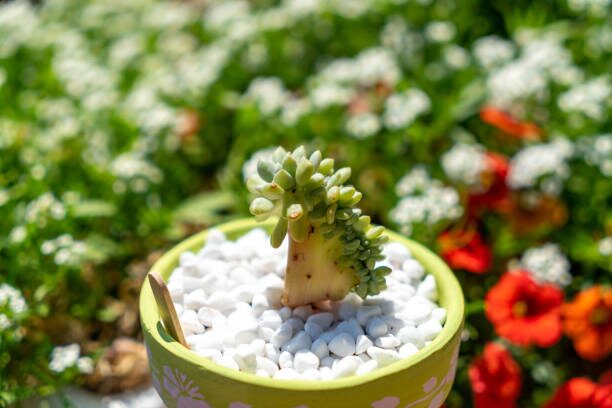
Sun on stone, breeze in the afternoon, and a little plant that blushes as if caught smiling—this is the story of Sedum rubrotinctum, the Jelly Bean Plant. Its plump leaves shift from glossy green to a coppery, cinnamon-red when the sun turns up and nights cool down, a trait that made collectors swoon and turned this humble succulent into a beloved pass‑along treasure from Mexico to windowsills worldwide.
Born in Mexico, Built for Light
If you’ve ever wondered why this species seems happiest on a bright sill or a hot patio, the answer lies in its Mexican roots. In its home country, strong sun and quick-draining soils are the norm, and day–night temperature swings are routine. Sedum rubrotinctum responds with a time-honored succulent strategy:
- Store water in thick, jelly‑bean leaves.
- Stay compact and low, forming mounded clumps that sprawl or trail with age.
- “Blush” under bright light, especially when warm days are followed by cooler nights.
That blush isn’t just for looks—it’s a protective response to light stress, and gardeners quickly learned how to coax it: more sun (introduced gradually), drier conditions, and a bit of temperature contrast between day and night.
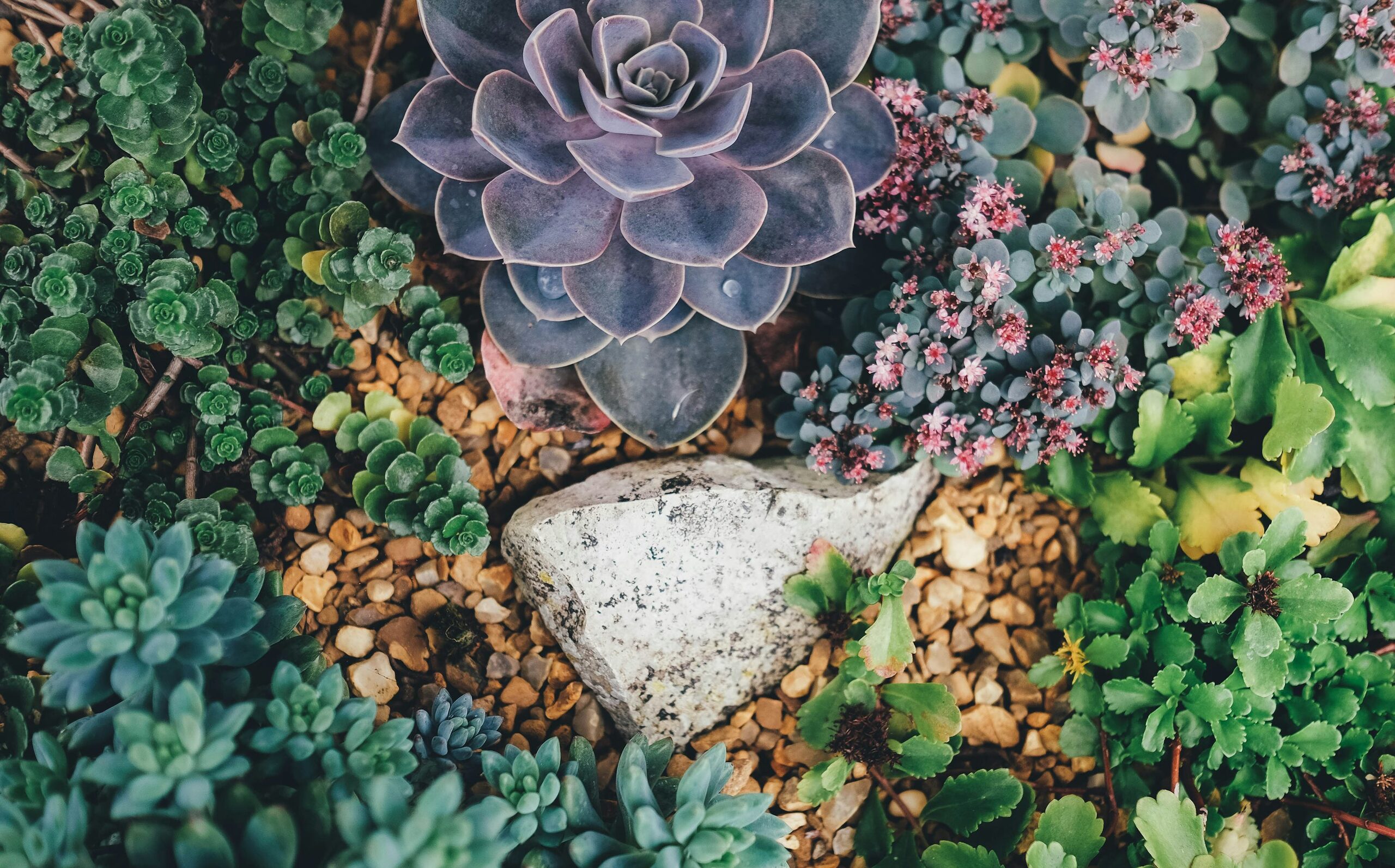
What’s in a Name? Quite a Feast
Few plants have nicknames as delightfully edible as this one. Around the world you’ll hear:
- Jelly Bean Plant, Red Jelly Bean Plant
- Pork and Beans (or Pork‑and‑Beans Plant)
- Christmas Cheer Sedum
- Its Chinese trade name, 虹之玉, hints at “rainbow‑like jewels”
All pay homage to those bean‑shaped leaves that color up like candy. The scientific name, Sedum rubrotinctum, nods to the “red‑tinged” look that made it famous.
The Red Blush That Won Over Collectors
Early succulent enthusiasts noticed something irresistible: give the plant strong sun and it rewards you with red-tipped beans—sometimes blushing head‑to‑toe in coppery red to reddish‑brown. This color show, paired with its compact habit (typically 10–20 cm tall and spreading 20–45 cm or more over time), made it a darling of dish gardens, rock gardens in frost‑free climates, and bright indoor windows.
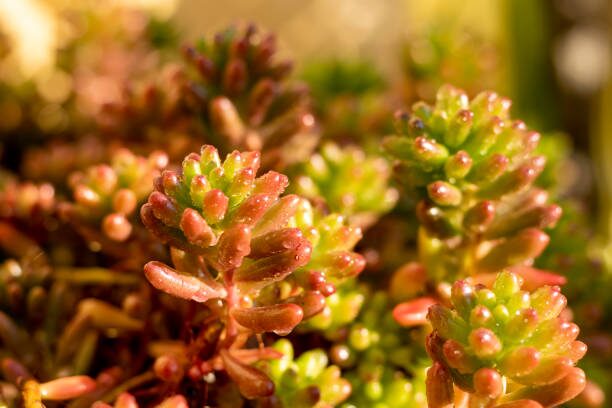
And just when gardens feel winter‑bare, Sedum rubrotinctum often tosses up small, starry yellow flowers from winter into spring—a cheerful sparkle that cements its “Christmas Cheer” nickname.
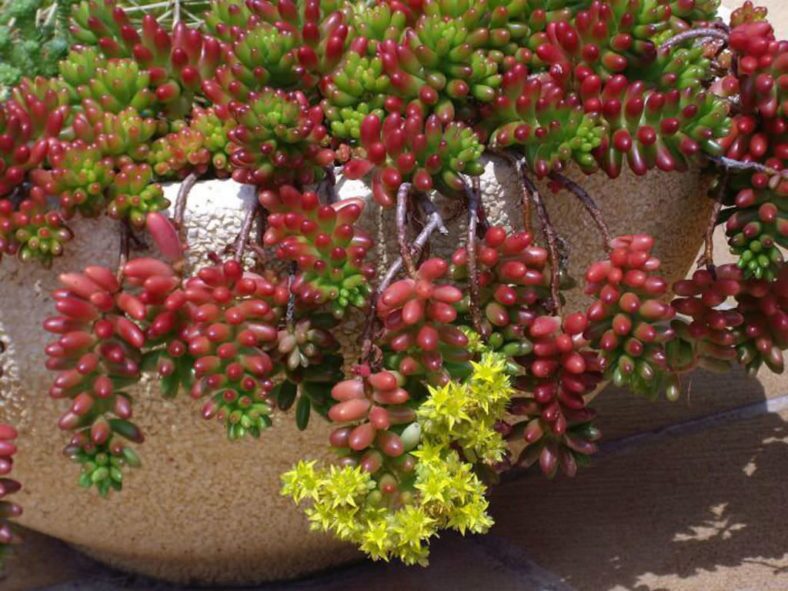
From Botany Bench to Back Porch
The plant entered mid‑20th‑century horticulture with a bang. It was formally described in 1948—a moment when succulents were surging in popularity among collectors and home gardeners alike. You’ll sometimes see it written as Sedum × rubrotinctum in references, reflecting a view held by many taxonomists that it has a hybrid backstory involving Mexican Sedum species. Whatever the label, gardeners embraced it for its tough charm and color theatrics.
The Perfect Pass‑Along Plant
Here’s where the legend really took off: Sedum rubrotinctum multiplies almost comically easily.
- A single leaf that pops off? Lay it on gritty mix and it will root and make a baby.
- A short stem cutting? Let it callus, tuck it into fast‑draining soil, and roots typically appear in about 10–21 days in warm, bright conditions.
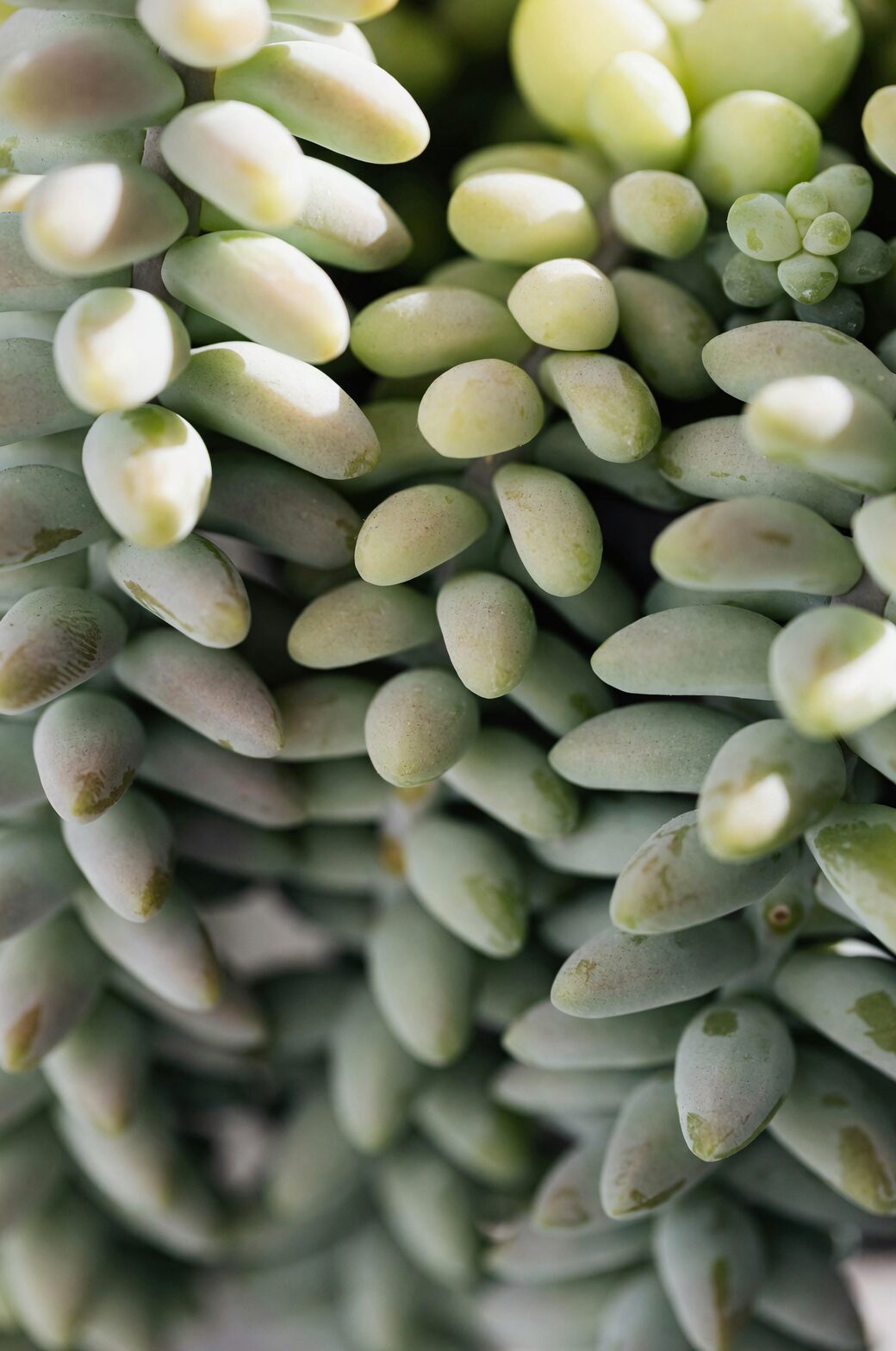
This generosity is why so many people got their first “jelly bean” as a gift from a neighbor, tucked into a pocket of soil in a shared pot, or traded at a plant swap. It’s the quintessential “sharing plant.”
A Succulent Citizen of the World
From sun‑splashed patios in frost‑free zones to the brightest windows in colder climates, Sedum rubrotinctum proved it could thrive just about anywhere—so long as you keep it bright, warm, and on the dry side.
- Sun: Bright light to full sun brings out the red; acclimate slowly and offer a little midday shade in brutal heat, especially behind glass.
- Cold: Protect from frost; keep above about 5°C (41°F).
- Soil: Very fast‑draining mixes are non‑negotiable.
- Water: Soak, then wait for a thorough dry‑down. It’s sensitive to overwatering, especially in low light or cold.
Its popularity has been recognized formally too—this little jelly bean has charmed enough gardeners to earn major accolades in cultivation circles.
How to Coax the Best Color (without the heartbreak)
- Increase sun gradually; never shock a shade‑grown plant with sudden midday sun.
- Aim for warm days and cooler nights if you can; autumn often delivers the prettiest blush.
- Keep the mix on the dry side—plumper beans don’t need constant moisture to glow.
Symbolism, Not Folklore: What the “Flower Language” Really Says
While you won’t find ancient legends about Sedum rubrotinctum in old herbal texts, modern plant lovers have assigned it gentle meanings that fit its behavior:
- Resilience and enduring affection: it bounces back from a single fallen leaf.
- Devotion and companionship: those tight clusters look like tiny communities in sync.
In other words, its “flower language” is contemporary and rooted in observation rather than folklore—a poetic way to honor a plant that thrives on shared cuttings and steady, quiet care.
Milestones and Moments
- 1940s: Described and circulated during a burgeoning succulent craze.
- Late 20th century: Becomes a fixture of dish gardens, sunny windows, and rockeries in mild, dry climates.
- 21st century: Social media stardom; the red blush becomes a rite of passage for new succulent keepers.
Why It Endures
- Sun‑loving color play: green to red with the seasons and light.
- Compact habit: perfect for small spaces, trailing prettily with age.
- Winter‑into‑spring sparkle: starry yellow flowers when many plants are resting.
- Shareable by design: leaf and stem cuttings root with ease.
- Tough—within reason: drought‑tolerant, but a stickler for fast drainage.
A Note on Safety and Good Sense
Reports about toxicity aren’t consistent across references. The safest approach is common sense: treat it as potentially mildly irritating if chewed or ingested, keep it away from pets and small children, and seek advice if someone takes a bite.
The Last Word: A Little Plant with a Big Social Life
Sedum rubrotinctum didn’t become a global favorite because it was rare or fussy. It became beloved because it’s generous—colorful under sun, forgiving of a missed watering, and always ready to make more of itself. In a world where the best plants are often the ones we share, the Jelly Bean Plant may be the ultimate Mexican ambassador: sun‑kissed, cheerful, and passed along from friend to friend, leaf by tiny leaf.