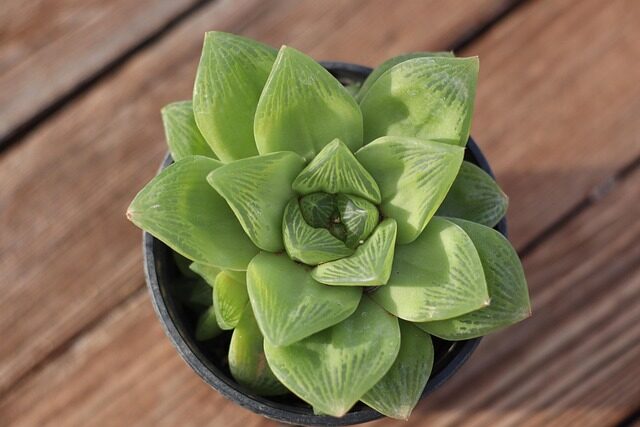
Think of Orostachys furusei—the Dunce Cap Succulent—as a tiny, lotus-styled engineer. Give it bright light, a lean, gritty footing, and brisk airflow, and it rewards you with tight, sculptural rosettes that look chiseled rather than puffed. Skimp on drainage or pack the roots in a rich, peaty medium, and it sulks, stretches, and rots. Below are tested, real‑world soil recipes built around pumice, coarse sand, and grit—plus pot and airflow tricks that keep this Southeast Asian charmer crisp and happy on a bright windowsill or balcony.
Meet the plant, meet its priorities
- Identity: Orostachys furusei (aka Dunce Cap Succulent; sometimes sold as Rock Pine or simply Orostachys), family Crassulaceae.
- Habit and size: Neat, lotus-like rosettes about 5–15 cm (2–6 in) across; clumps with age.
- Light and heat: Bright light to full sun, with a touch of protection during extreme midsummer heat behind glass. Ideal temps 20–25°C (68–77°F).
- Water and soil: Thorough soaks followed by a proper dry-out in a very free‑draining mix. Hates waterlogging; prefers dry air and a fast-drying root zone.
- Not frost-hardy: Keep above 5°C (41°F).
- Flowers: Small, starry blooms summer to autumn. Like many monocarpic rosette succulents, the blooming rosette may decline; many growers remove the stalk early to preserve a prized rosette.
Why lean, chunky mixes keep rosettes tight (and roots alive)
- Mineral-forward mediums drain fast and hold air in the pore spaces. That oxygen is a lifesaver for Orostachys roots.
- Low organic content prevents a “lush and floppy” growth response that softens tissue and invites rot.
- Tight rosettes come from strong light; the mix can’t replace light, but lean, low‑nutrient footing avoids water-retentive conditions that accelerate stretch in low light.
In short: Bright light is the anti-stretch lever; a gritty, lean mix is the anti-rot seatbelt.
Tested soil recipes with pumice, coarse sand, and grit
All ratios are by volume. Use peat-free compost/organic where possible. Rinse dusty components and sieve out fines.
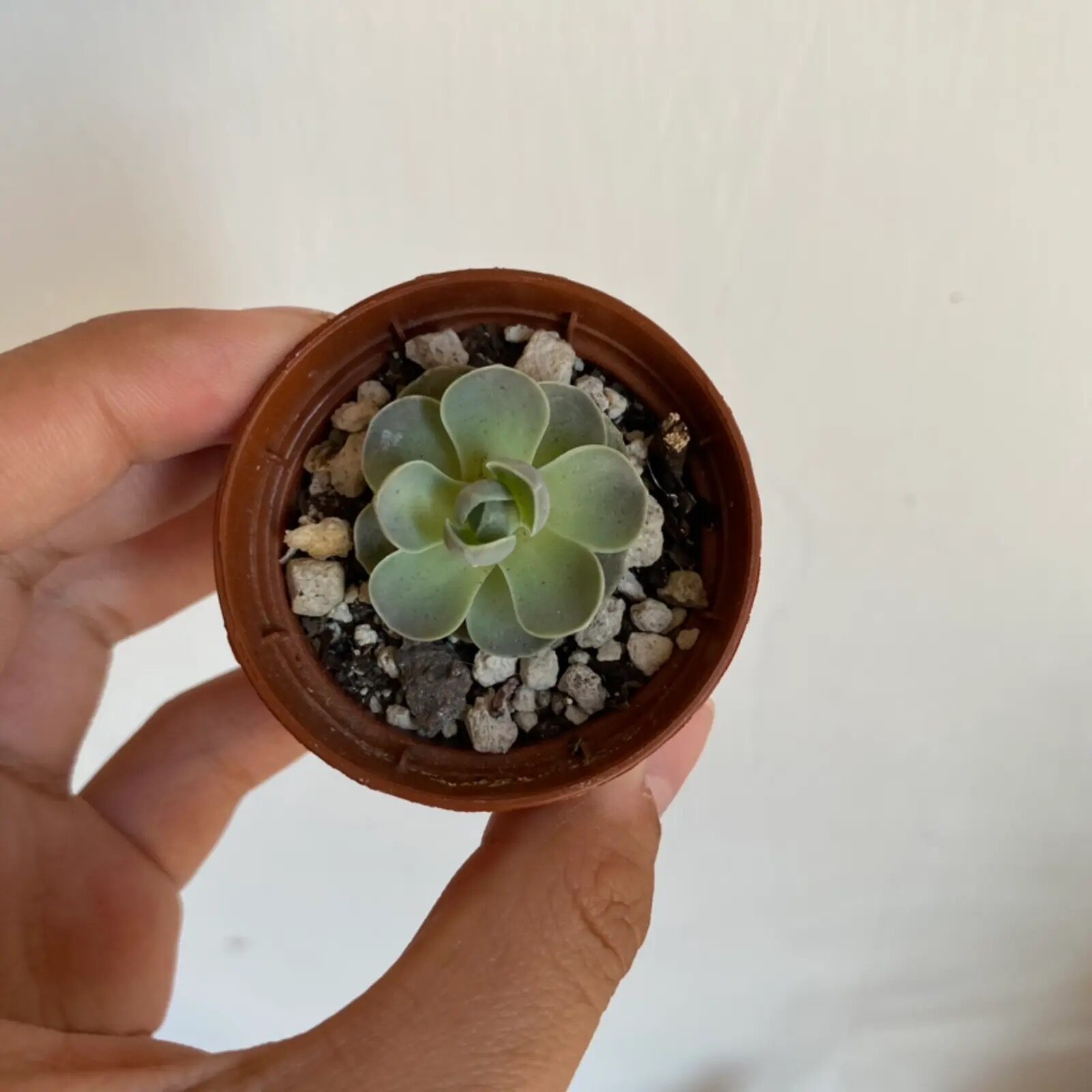
1) Indoor windowsill standard (balanced, fast yet forgiving)
- 40% pumice (4–8 mm)
- 30% coarse sand (1–2 mm; builder’s or horticultural grade, not play sand)
- 20% horticultural grit (3–6 mm; crushed granite/chicken grit)
- 10% compost or coir (just enough to bind the mix and host microbes)
Best for: Typical bright indoor setups with decent airflow. Dries quickly without becoming bone-dry overnight.
2) Humid-climate or low-airflow lean mix (the rot-averse)
- 60% pumice (4–8 mm)
- 20% horticultural grit (3–6 mm)
- 10% coarse sand (1–2 mm)
- 10% compost/coir
Best for: High humidity rooms, covered balconies, or growers who water generously. This dries fast and keeps crown tissue safe.
3) Summer growth accelerator (mineral-heavy, for clumps)
- 50% pumice (4–8 mm)
- 25% coarse sand (1–2 mm)
- 15% grit (3–6 mm)
- 10% compost/coir
Best for: Active summer growth under very bright light. Still lean, but retains just enough moisture to support steady expansion of offsetting clumps.
4) Ultra-lean show mix (maximum definition)
- 70% pumice (4–8 mm)
- 20% grit (3–6 mm)
- 10% coarse sand (1–2 mm)
Best for: Display plants you want to keep extra tight and immaculate. Water a bit more often, as this mix is extremely fast-drying.
Notes
- Top-dress with 3–6 mm grit to keep the neck of the rosette dry and clean.
- If you substitute perlite for pumice, expect some float and stratification over time; pumice stays evenly distributed and holds micro-reservoirs of air and moisture in its pores.
- Avoid fine sands, unwashed decomposed granite dust, or heavy bark/peat: they clog pore spaces and hold cold moisture—exactly what this plant hates.
Pot size and airflow tricks (small changes, big difference)
- Size it right:
- Single rosette: 7–10 cm (3–4 in) wide, squat pot.
- Small clump: 12–15 cm (4.7–5.9 in), which suits many typical plants.
- Go wide and shallow rather than deep; roots are modest and appreciate a quick-drying profile.
- Material matters:
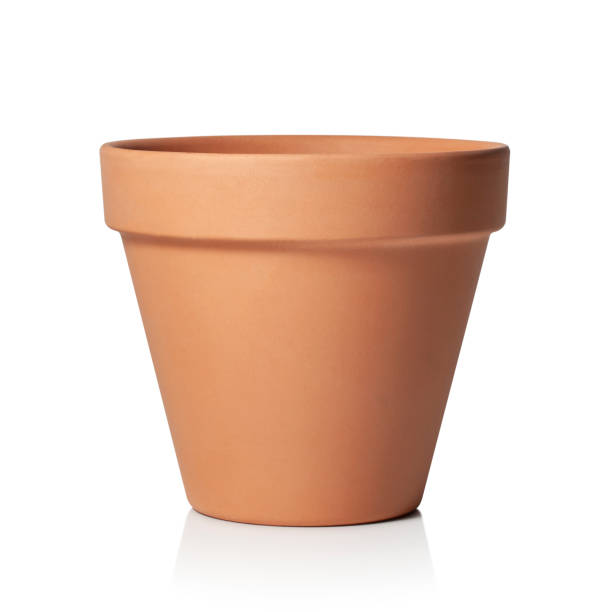
- Unglazed terracotta breathes and speeds drying—ideal indoors.
- Plastic can work but demands an even leaner mix and stricter watering.
- Drainage details:
- Always use drainage holes. A single shard or a square of mesh is enough—don’t smother the hole.
- Add pot feet or a trivet to lift the pot and let air sweep underneath.
- Airflow hacks:
- Park it on a bright sill with a slight draft, or run a small fan nearby on low.
- If using a decorative cachepot, keep a few spacers beneath the grow pot so air circulates; never let drained water collect at the bottom.
- Summer staging:
- Outdoors in warm seasons is great—bright light and breeze tighten the rosette. Shield from heavy rain and give light midday protection in extreme heat behind glass.
Watering the lean way
- Spring: Resume gently—often about once per month, adjusting for light, pot, and ventilation. Always soak thoroughly, then wait until the mix has dried well.
- Summer: Water a bit more frequently during active growth, still only after the mix dries. Bright light plus airflow = safe drying.
- Autumn: Taper. Let intervals stretch out as days shorten.
- Winter: Keep above 5°C (41°F), bright, and on the dry side. Water sparingly, especially in cool rooms.
- Simple dryness checks:
- Weight test: Learn the pot’s “dry weight.”
- Skewer test: A bamboo skewer buried to the bottom should come out dry before you water.
- Red flags: Soft, elongated leaves, sour smell, or a mushy crown signal overwatering or poor drainage—repot into a leaner, chunkier mix and increase light/airflow.
Feeding without fluff
- During active growth, feed roughly monthly with a very dilute, balanced fertilizer. Stop feeding in winter.
- Keep nutrients modest; too rich a mix or heavy feeding encourages weak, soft growth that loses the plant’s crisp geometry.
Repotting and propagation

- Repot in spring, yearly if the mix compacts or the clump has filled the pot. Refresh with a gritty blend and reset the top-dressing.
- Offsets: Divide and replant offsets in spring; rooted offsets establish quickest.
- Seed: Sow fresh seed promptly; germination is often best around 13–18°C (55–64°F).
- Flowers: If you want the mother rosette to last longer, cut the flower stalk soon after it appears.
Light management: the anti-stretch lever
- Give bright light to full sun, with a touch of midday protection in extreme heat behind glass.
- If the rosette loosens and elongates, it’s almost always low light. Move it to a brighter spot or add a grow light. Outdoors in mild seasons can quickly restore tight symmetry—just shelter from heavy rain.
Quick troubleshooting
- Stretching (etiolation): Increase light; consider a leaner top inch of mix and a faster-drying pot (terracotta).
- Root rot: Repot immediately into a gritty, fast-draining mix; keep warm, bright, and airy; resume cautious watering only after roots re-establish.
- Leaf spots in damp air: Improve airflow; keep foliage dry; remove affected leaves.
- Pests: Mealybugs and scale are most common. Swab early with isopropyl alcohol or use horticultural oil/insecticidal soap; repeat until controlled.
A final flourish
Orostachys furusei is often likened to a tiny lotus—a serene center surrounded by “children” as clumps form. Keep its world sunny, airy, and mineral, and it returns the favor with tightly layered rosettes that look carved rather than grown. Lean mix, right pot, brisk airflow: that’s the whole recipe. The rest is simply enjoying how beautifully this little engineer builds itself, leaf by leaf.