
Imagine a tiny lotus sculpted from jade, perched on a ledge where rain vanishes in minutes and sun ricochets off warm stone. That’s Orostachys furusei—better known as the Dunce Cap Succulent—a cliff-born charmer whose rosettes evolved to master drought, glare, and lean living. Today, those same survival smarts make it a standout in pots on bright windowsills and balconies.
Born on the rock: a Southeast Asian origin story
In its native Southeast Asia, Orostachys furusei carved out a niche in life’s hard mode: shallow pockets of gritty substrate on rocky slopes, sun-bathed walls, and crevices that drain almost instantly. Think thin soils, bright skies, warm air, and a constant breeze—conditions that desiccate most plants. Rather than fight the rock, this succulent partnered with it:
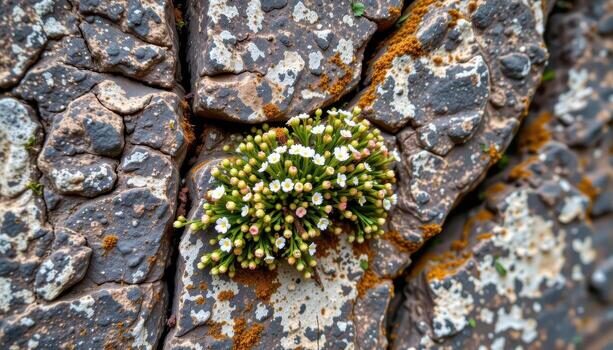
- Stone reflects and stores heat, accelerating growth in warm seasons.
- Micro-pockets of grit shed water quickly, preventing rot.
- Airflow stays high, keeping foliage dry and disease at bay.
From these edge habitats emerged a plant perfectly primed for modern containers—where drainage is king, light is prized, and space is tight.
The rosette: nature’s drought-and-sun blueprint
Orostachys furusei doesn’t just look architectural; its rosette is an engineered survival unit.
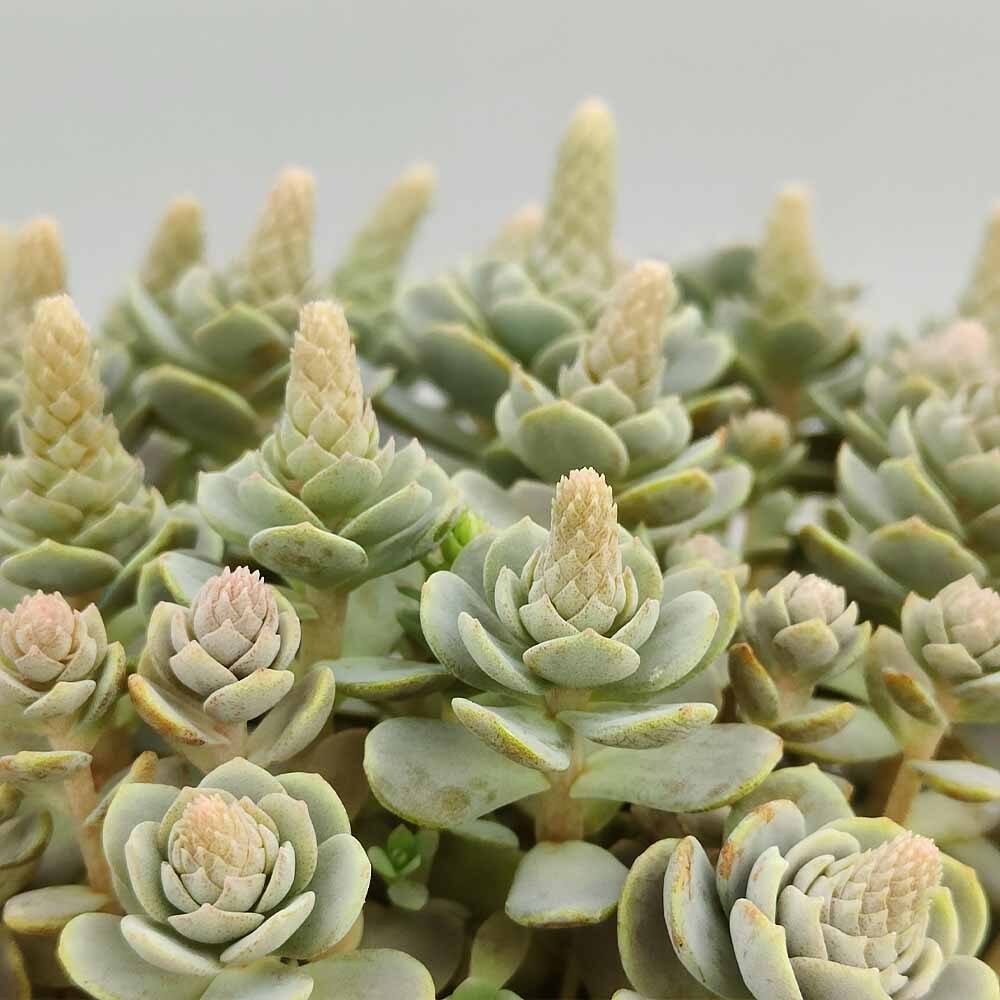
Water-saving geometry
- Thick, fleshy leaves are layered like shingles, reducing surface exposure and slowing water loss.
- The tight center shades the growing point—nature’s built-in parasol—guarding tender tissue from midday glare.
- Subtle glaucous (bluish-green) bloom can act like sunscreen, diffusing harsh light.
Sun-smart and space-savvy
- The compact form captures lots of light without sprawl, essential where crevices are the only real estate.
- When conditions allow, it forms small clumps—multiple rosettes sharing resources while anchoring into sparse, stony substrate.
A brief blaze: the monocarpic strategy
Like many rosette succulents, a mature rosette may decline after flowering. In the wild, that single, concentrated bloom is a high-stakes bet on the next generation. In pots, many growers simply snip the flower stalk early to keep a favorite rosette pristine longer.
From cliff to container: why Dunce Cap excels at home
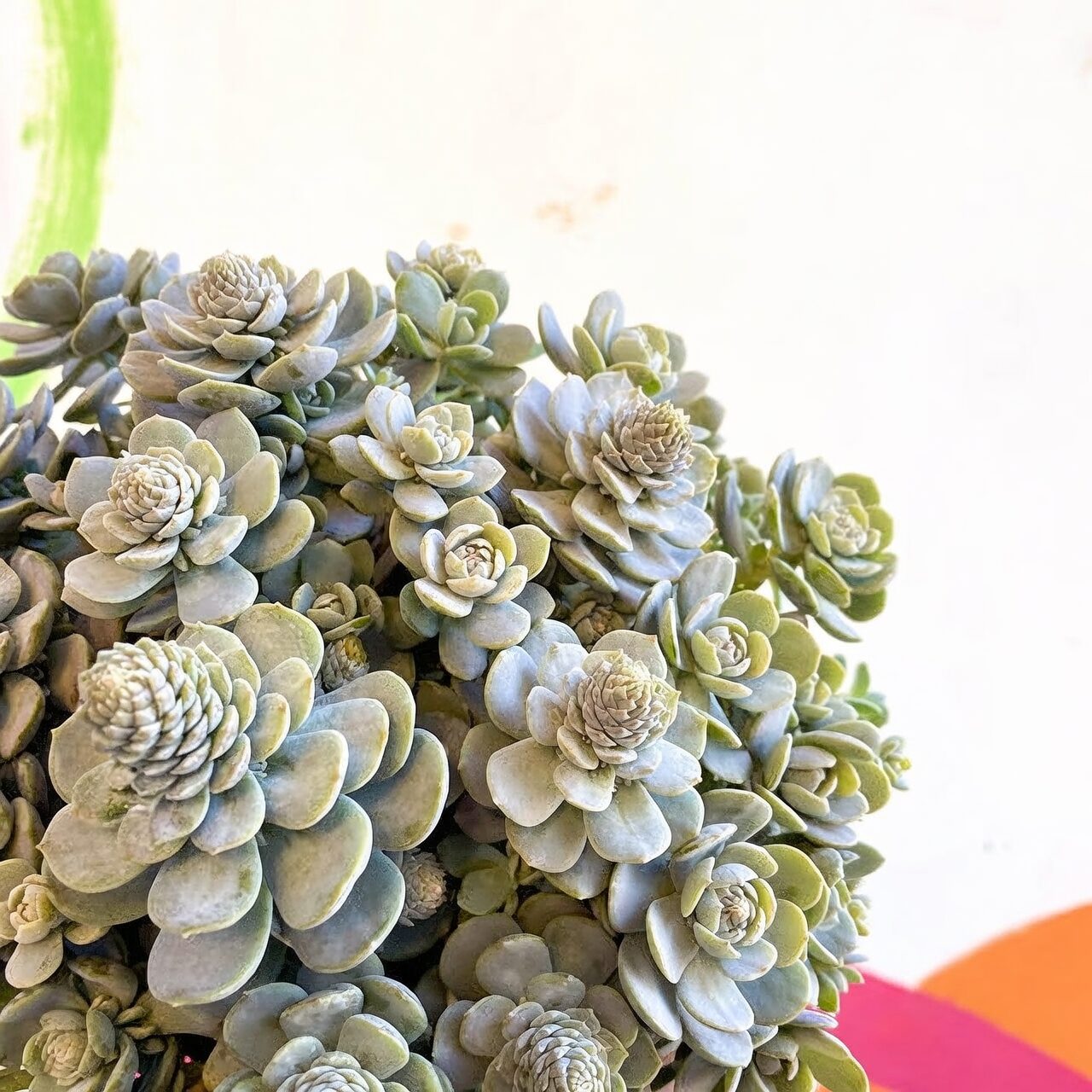
- Compact beauty: Individual rosettes are typically 5–15 cm (2–6 in) across—perfect for small pots and windowsill displays.
- Bright-light lover: Thrives with strong light that would fluster fussier foliage plants.
- Drought-tolerant: Designed for dry spells, provided roots never sit in soggy soil.
- Grit-and-airflow friendly: The “rock garden” formula translates seamlessly to modern succulent mixes and ventilated shelves.
- Clump-forming charm: Over time, it forms a tidy cluster—like a miniature landscape in a single bowl.
Note: It is not frost hardy. Treat it as a tender succulent and protect it from freezing conditions.
Recreate the cliff at home: the care essentials
Light
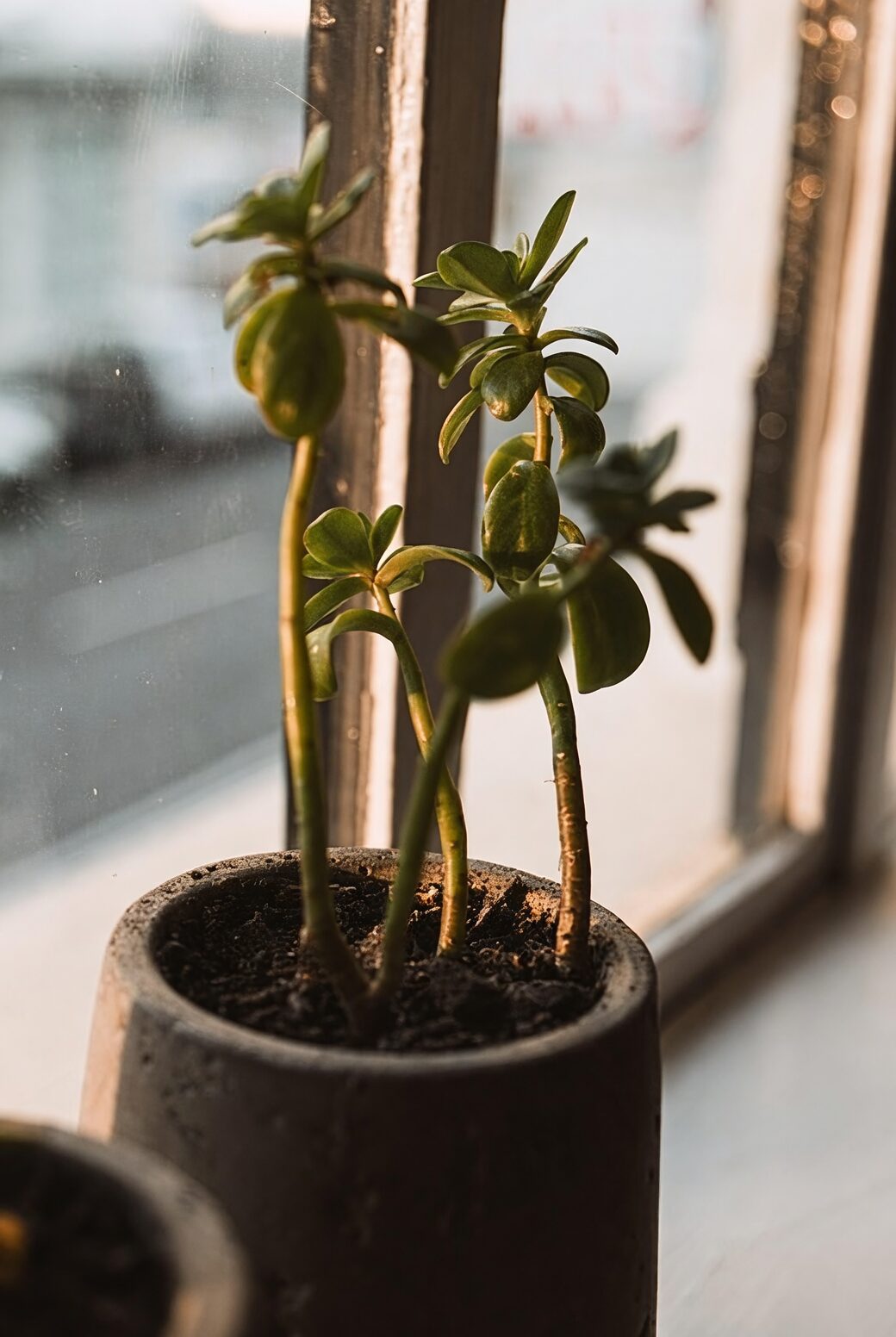
- Give bright light to full sun; a sun-washed windowsill is ideal.
- In very hot midsummer, especially behind glass, offer light midday protection to avoid scorch.
- If it stretches or loses its crisp form, it’s asking for more light.
Temperature
- Ideal growth: 20–25°C (68–77°F).
- Keep above 5°C (41°F) in winter; protect from frost.
Watering
- Water thoroughly, then let the mix dry well before watering again.
- Spring: light, infrequent drinks (often about once per month, adjusting for pot size, light, and airflow).
- Summer: slightly more frequent during active growth, but never let it stay wet.
- Autumn: gradually reduce.
- Winter: keep on the dry side—especially if cool.
- Overwatering is the fast track to soft growth and rot.
Soil and potting
- Use a very free-draining succulent/cactus mix.
- Practical blend: peat-free compost lightly amended with coarse sand, grit, or pumice.
- Avoid overly rich mixes that cause weak, floppy growth.
- Always choose a pot with drainage holes; many plants are happiest in 12–15 cm (4.7–5.9 in) pots.
Feeding
- During active growth, feed monthly with a very dilute, balanced fertilizer (e.g., low-strength 20-20-20).
- No feeding in winter.
Humidity and airflow
- Prefers dry air and a fast-drying root zone.
- Good ventilation helps prevent leaf spot and other moisture-related issues.
Placement
- Best on bright windowsills or very well-lit shelves with airflow.
- Outdoors in warm seasons is fine if sheltered from heavy rain; move back inside to a bright spot for winter.
The flower question: to bloom or not to bloom?
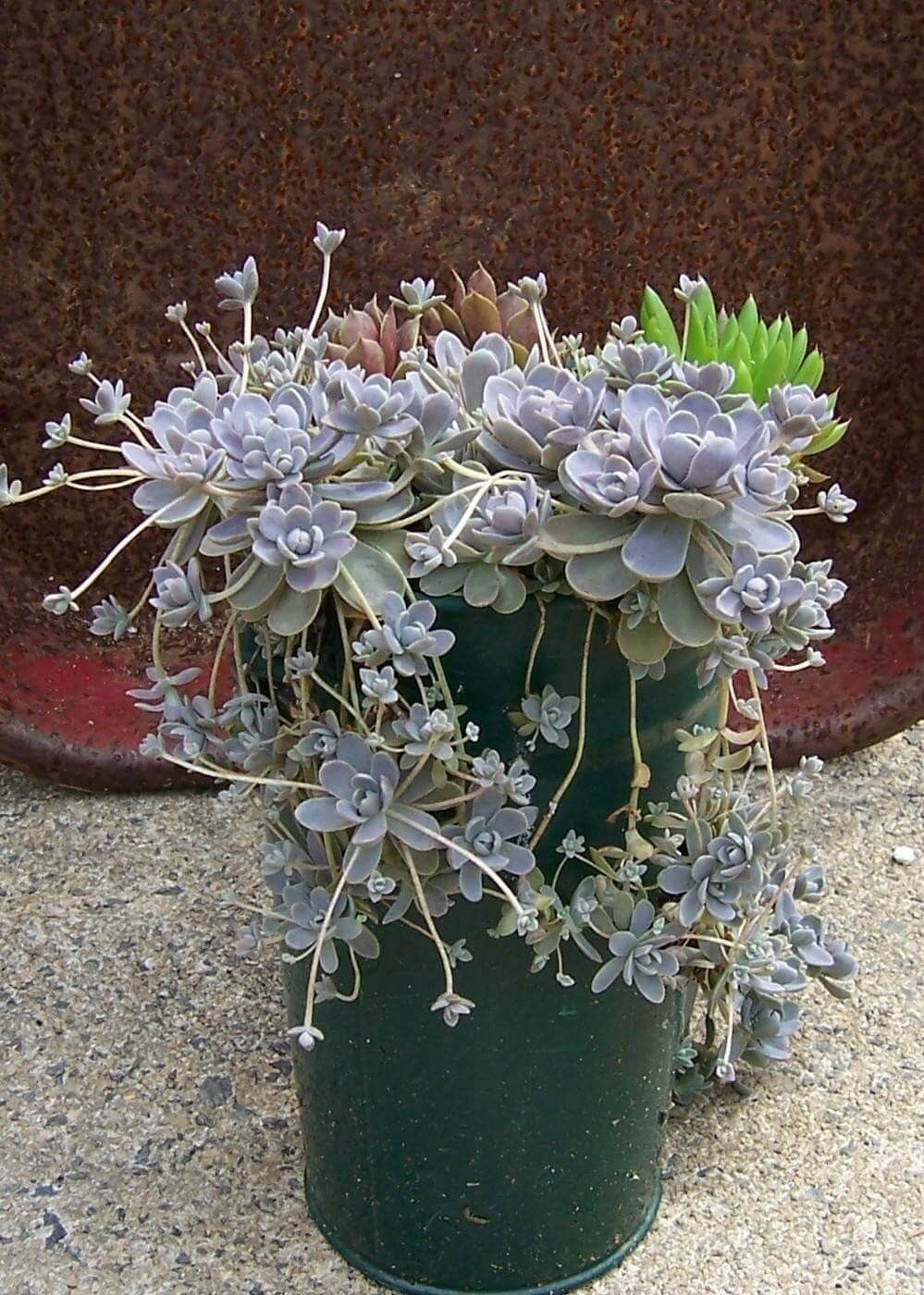
- Season: summer to autumn.
- Look: small, star-shaped flowers on a short-stalked inflorescence.
- Afterward: the blooming rosette may weaken and die back. To prolong a prized rosette, many growers remove the flower stalk early. If you let it bloom, offsets usually keep the clump going.
Propagation playbook
- Division/offsets: Separate offsets during spring repotting; already-rooted offsets establish fastest.
- Seed: Sow fresh seed as soon as it ripens. Germination often does best around 13–18°C (55–64°F).
Troubleshooting, through a cliff-dweller’s eyes
- Loose, elongated rosette (etiolation): Not enough light. Move to brighter sun or add a grow light.
- Root rot or mushy base: Mix stays wet too long. Repot into a grittier blend, use a pot with holes, and water only after the mix dries.
- Leaf spot/anthracnose: Typically from damp, stagnant conditions. Improve airflow, keep leaves dry, remove affected foliage.
- Mealybugs/scale: Treat early with cotton swabs dipped in isopropyl alcohol, or use horticultural oil/insecticidal soap and repeat as needed.
Buying a better rosette
Choose plants with:
- Firm, symmetrical rosettes and thick, unblemished leaves
- Even color without soft spots or bruising
- Clean potting mix with no sour smell and no mushy base (red flags for rot)
A quick seasonal rhythm
- Spring: Repot, divide offsets, restart gentle watering and light feeding.
- Summer: Provide very bright light; shield from extreme midday glare behind glass; water only after the mix dries.
- Autumn: Taper watering; stop feeding as growth slows.
- Winter: Keep bright, dry, and above 5°C (41°F); skip fertilizer.
Notes on names and symbolism
You’ll see Orostachys furusei sold as Dunce Cap Succulent, and sometimes simply “Orostachys” or “Rock Pine.” The rosette’s “lotus-like” look inspires gentle symbolism: a calm, centered form that often multiplies into a small family. In some circles, it’s affectionately likened to a parent surrounded by “children”—a sweet nod to its clump-forming habit. While not rooted in formal flower language traditions, this modern reading feels apt: resilience, simplicity, and quiet abundance.
Why it wins on the windowsill
Evolved for bright, warm, fast-draining niches, Orostachys furusei brings the drama of stony cliffs to compact containers—without demanding constant attention. Give it light, grit, and patience, and it responds with sculptural rosettes that stay neat, luminous, and wonderfully alive to the touch—a tiny lotus that learned from rock and now thrives beside glass.