
Imagine a tiny, lotus-like sculpture that stays crisp and architectural all year—if you play the care routine just right. Orostachys furusei, the Dunce Cap Succulent, rewards smart light, lean soil, and a careful watering hand with rosettes so tidy they look carved. Here’s your punchy, step-by-step guide to keep it tight, not tired.
Meet Orostachys furusei (The Essentials)
- What it is: A compact, rosette-forming succulent in the Crassulaceae family, often called the Dunce Cap Succulent (scientific name: Orostachys furusei).
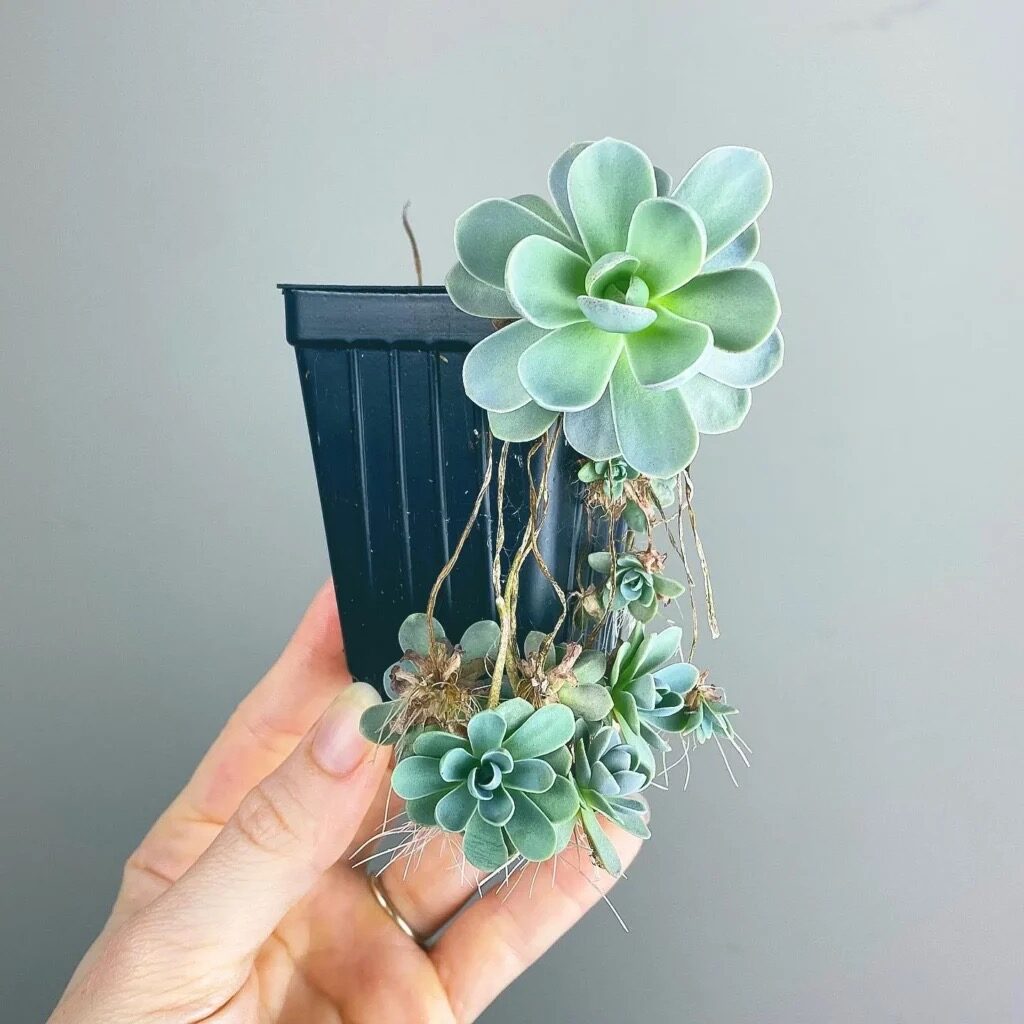
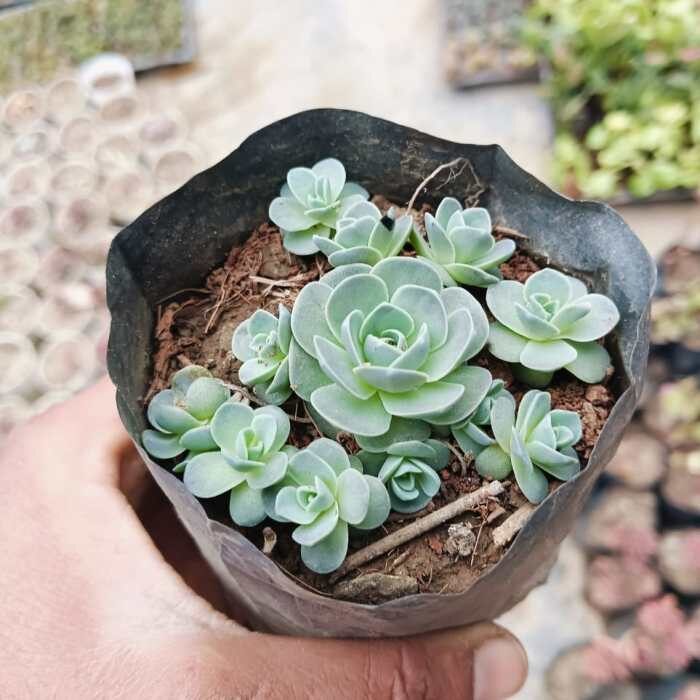
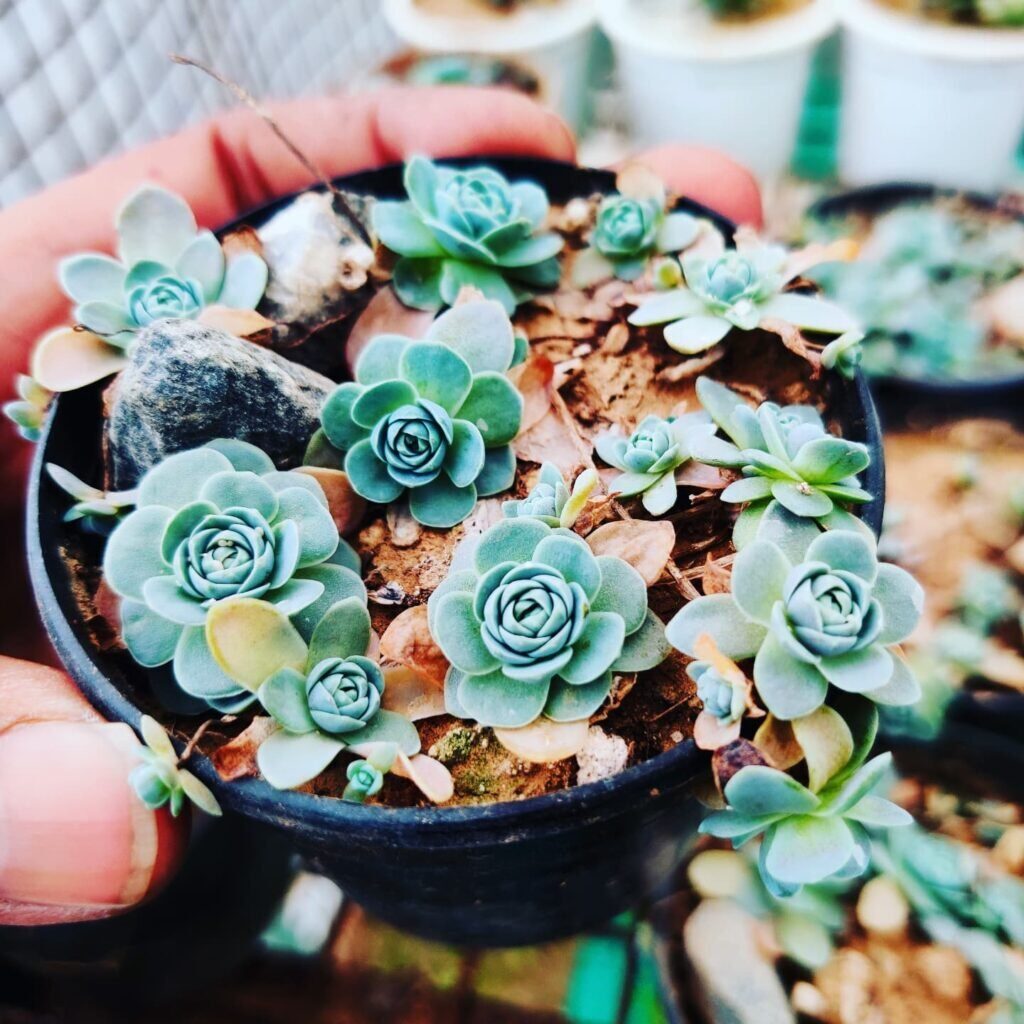
- Look: Thick, shingled leaves in a neat, “lotus-like” rosette, typically 5–15 cm (2–6 in) across; older plants can clump into small colonies.
- Flowers: Small, starry blooms in summer to autumn. Like many monocarpic rosettes, the flowering rosette may decline afterward—many growers snip the stalk early to preserve a prized rosette.
- Origin and lifestyle: From Southeast Asia; loves bright light, warmth, and a fast-drying root zone. Not frost hardy.
Step 1: Light—Bright, But Don’t Scorch
Think “strong sun with a midday timeout.”
- Best spots:
- Indoors: A bright, airy windowsill. East or west is excellent; south is great with sheer curtain protection at midday, especially behind glass in high summer.
- Outdoors (warm seasons): Bright exposure with shelter from heavy rain and harsh, blazing midday rays.
- The visual test:
- Tight, symmetrical rosette = happy.
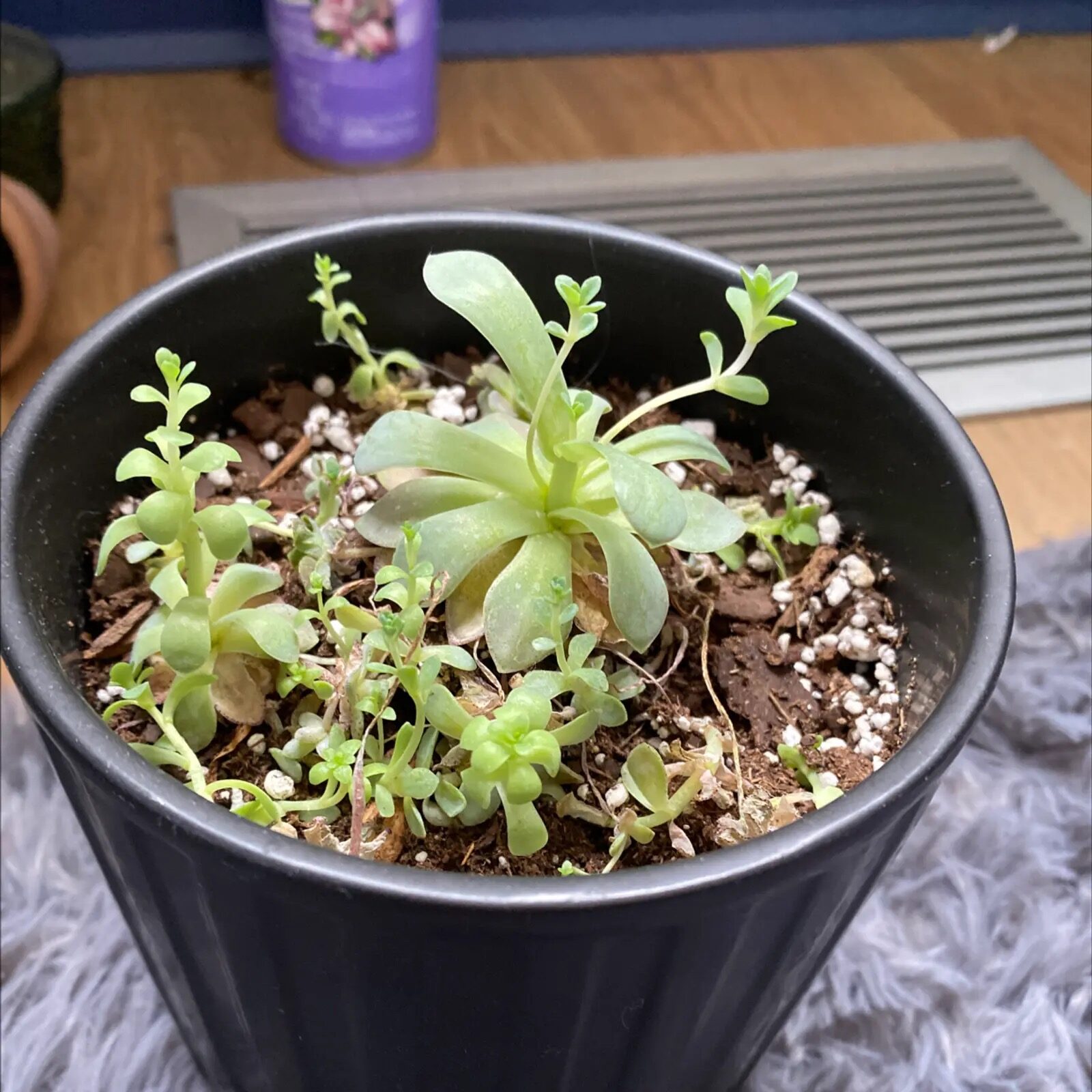
- Leaves stretching or spacing out = not enough light (move brighter or add a grow light).
- Pale, crisped patches = heat/sun scorch (add light shade during the fiercest midday hours).
- Pro tip: Good airflow plus bright light keeps the plant firm and prevents the “soft, floppy” look.
Step 2: Soil—Gritty, Lean, Lightning-Fast Drainage
This plant hates wet feet. Build a mix that dries fast and stays airy.
- Go-to blend:
- Base: Peat-free compost.
- Add: Coarse sand, grit, or pumice for rapid drainage (aim for a gritty, mineral-leaning mix; too rich = weak, soft growth).
- Pot choice:
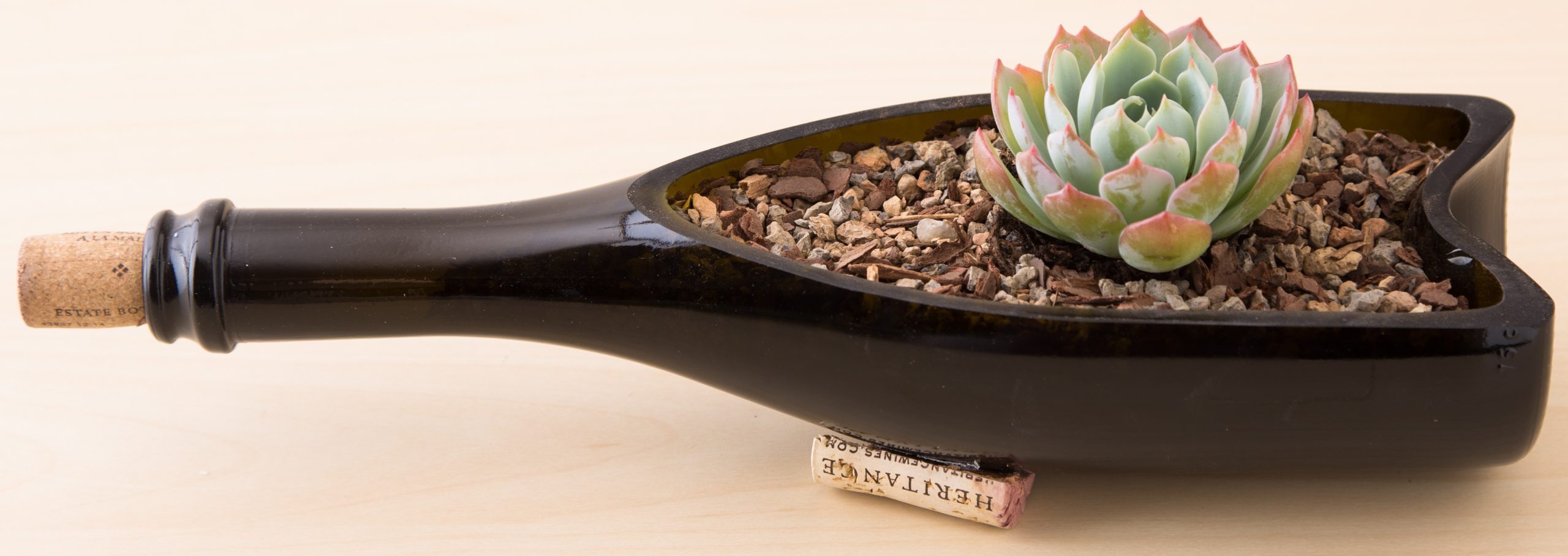
- Always use drainage holes.
- Typical size for a single plant: 12–15 cm (4.7–5.9 in) pot.
- Shallow, wide pots can suit clumps, but don’t oversize—the mix should dry promptly.
Step 3: Water—Thorough, Then Wait
Water like a desert rainstorm: a good soak, then a long dry spell.
- Spring: Light watering roughly once per month, adjusting for pot size, light, and ventilation.
- Summer: A bit more often during active growth—but only when the mix has dried out well. Never leave it sitting soggy.
- Autumn: Taper gradually.
- Winter: Keep on the dry side; water sparingly, especially if temperatures are cool.
- Avoid:
- Frequent sips (encourages soft, stretched growth).
- Cold, wet soil (a classic rot trigger).
- Technique:
- Water thoroughly until excess drains.
- Let the medium dry well before the next watering.
- Keep water off the rosette to discourage leaf spots.
Step 4: Temperature, Humidity, and Airflow
- Temperature sweet spot: 20–25°C (68–77°F).
- Winter minimum: Keep above 5°C (41°F) and protect from frost.
- Humidity: Prefers dry air; avoid persistently damp, stagnant conditions.
- Airflow: Gentle movement helps the medium dry and discourages disease.
Step 5: Feeding—Minimal Fuel, Maximum Form
- During active growth, feed about once a month with a well-diluted balanced fertilizer (e.g., a low-strength 20‑20‑20).
- Stop feeding in winter.
Step 6: The Spring-to-Winter Routine (Your Tight-Rosette Playbook)
- Spring:
- Repot yearly to refresh the gritty mix and improve drainage.
- Divide and replant offsets.
- Restart gentle watering and light feeding as days brighten.
- Summer:
- Give very bright light; shield from extreme midday heat behind glass.
- Water only after the mix dries well; ensure excellent airflow.
- If a flower stalk appears and you want to preserve the rosette, snip it early.
- Autumn:
- Gradually reduce watering; stop feeding as growth slows.
- Keep bright light to maintain tight form.
- Winter:
- Brightest indoor spot available, above 5°C (41°F).
- Keep mostly dry; no fertilizer.
Step 7: Keep It Sculptural—Pro Tips
- Light is everything: Strong light produces compact leaves and tight layering.
- Don’t overpot: Too much soil stays wet too long and pushes lush, floppy growth.
- Stay gritty: A mineral-heavy mix and good airflow keep leaves firm and geometric.
- Rotate occasionally: Turn the pot every couple of weeks for even symmetry.
- Skip the soak in the cold: Cold + wet = rot.
Repotting and Pruning
- Repot: Annually in spring, especially if the mix has compacted. Refresh the grit for rapid drainage.
- Groom: Pluck dry or damaged leaves to keep that crisp outline.
- Flower management: To reduce post-bloom decline in a favorite rosette, remove the flower stalk early.
Propagation
- Offsets (easiest): Separate during spring repotting. Rooted offsets establish fastest.
- Seeds: Sow fresh seed promptly; germination often peaks around 13–18°C (55–64°F).
Pests and Problems—Fast Fixes
- Stretching/etiolation: Move to brighter light or add a grow light. Outdoors in mild seasons can help, with midday protection.
- Root rot: Usually from cold, wet, slow-drying soil. Repot into a gritty mix, improve light/airflow, and water only once the medium dries well.
- Leaf spot/anthracnose: Improve airflow, keep foliage dry, remove affected leaves.
- Mealybugs and scale: Dab with isopropyl alcohol on a cotton swab or use horticultural oil/insecticidal soap; repeat until clear.
Safety Notes
- No widely cited, species-specific toxicity data. As with most house succulents, prevent chewing/ingestion and keep away from pets and small children.
Quick FAQ
- My rosette is loosening and elongating. What now?
- It’s almost certainly low light. Move it to a brighter position or use a grow light. Protect from harsh midday rays in peak summer, especially behind glass.
- Why did the roots turn mushy?
- Overwatering or poor drainage in cool, low-light conditions. Repot into a gritty mix, brighten the site, boost airflow, and water only after the mix dries thoroughly.
Symbolism (A Thoughtful Aside)
Orostachys furusei is often admired for its “lotus-like” symmetry and the sweet image of a parent rosette surrounded by ‘children.’ While it doesn’t have a formal flower-language tradition, growers often read it as a quiet emblem of balance, resilience, and kinship—the way its clustered rosettes hold formation, each new offset echoing the perfect geometry of the last.
Follow these steps—bright-but-wisely-filtered light, conservative watering, gritty soil, and a clear season-by-season rhythm—and your Dunce Cap Succulent will stay compact, clean-lined, and irresistibly sculptural.