
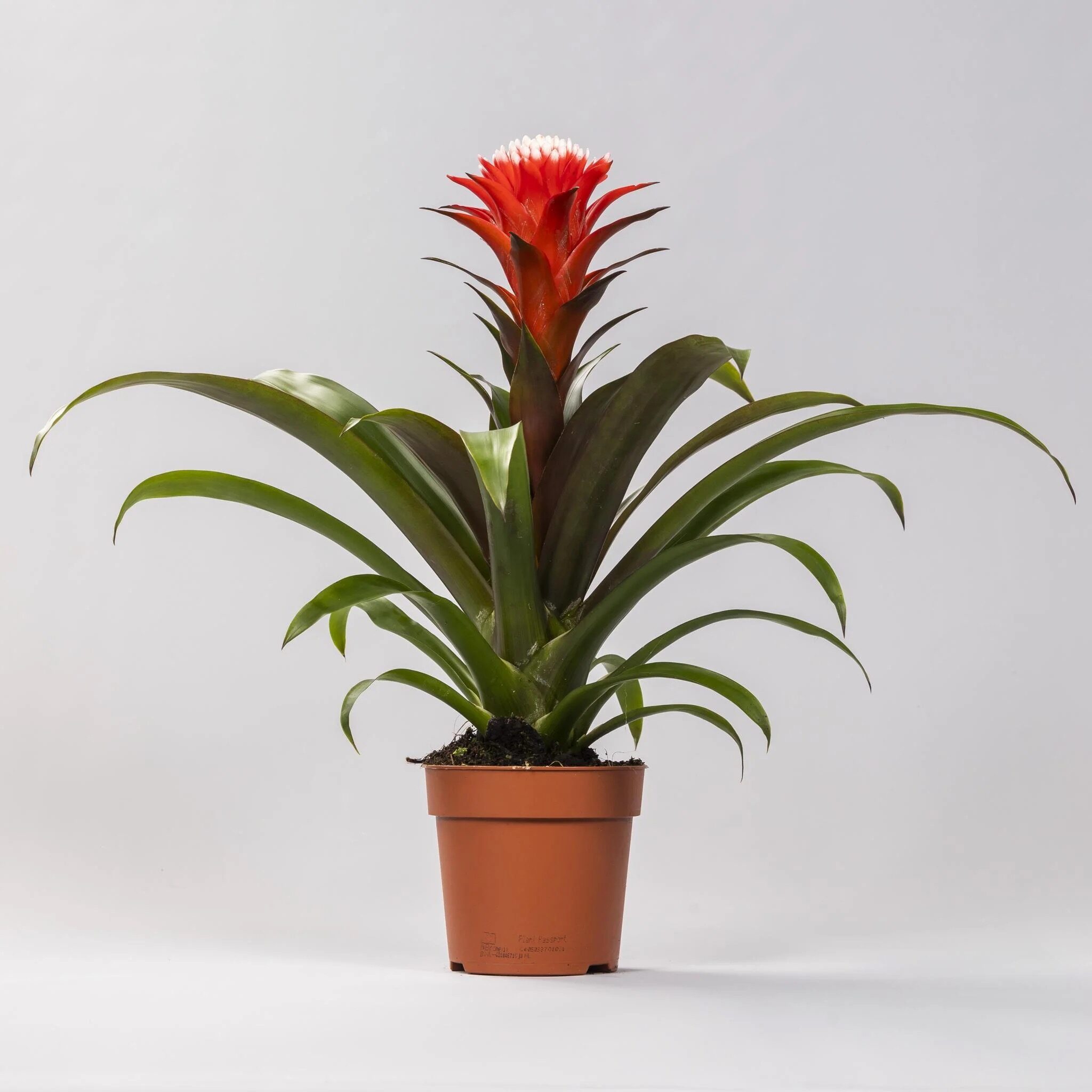
Think of Guzmania insignis as a living fountain: a tidy rosette of glossy, upright leaves forming a central “cup,” crowned by radiant red bracts that hold their color for weeks. Keep that fountain fresh and you’ll keep the plant happy. This preventive health audit—simple routines you can run in minutes—will help you spot early leaf spot, keep the cup clean, avoid wet foliage at night, use copper fungicides wisely, and keep those leaves gleaming.
The Preventive Health Audit: Quick Routines That Change Everything
Weekly walk‑through (2–5 minutes)
- Light check: Bright, filtered/indirect light is ideal. In summer, shield from strong midday/afternoon sun (about 50% shade and airflow). In winter, aim for the brightest spot—just keep the plant away from cold glass at night.
- Cup check: Look into the central leaf cup. Water should be clear and odorless. If cloudy or stale, refresh it (see “Cup hygiene” below).
- Leaf scan: Look for early leaf spot—tiny, water‑soaked specks or tan lesions with yellow halos, often starting where water lingers or airflow is poor. Check the inner leaves and the undersides, too.
- Potting mix feel: Spring through summer, keep it lightly moist, never soggy. In winter, let the mix dry slightly between waterings.
- Airflow and crowding: Ensure gentle air movement around the rosette. Slide neighboring plants a little farther away.
Monthly tune‑up (10 minutes)
- Clean‑wipe the foliage with a soft, slightly damp cloth (details below).
- Lift the plant and check the pot’s drainage. Guzmania wants a loose, airy, fast‑draining mix (bromeliad/orchid style or a peat/leaf‑mold base with coarse sand).
- Inspect for pests or blemishes, especially where leaves sheath together.
Early Leaf Spot: Catch It Before It Spreads
What to look for
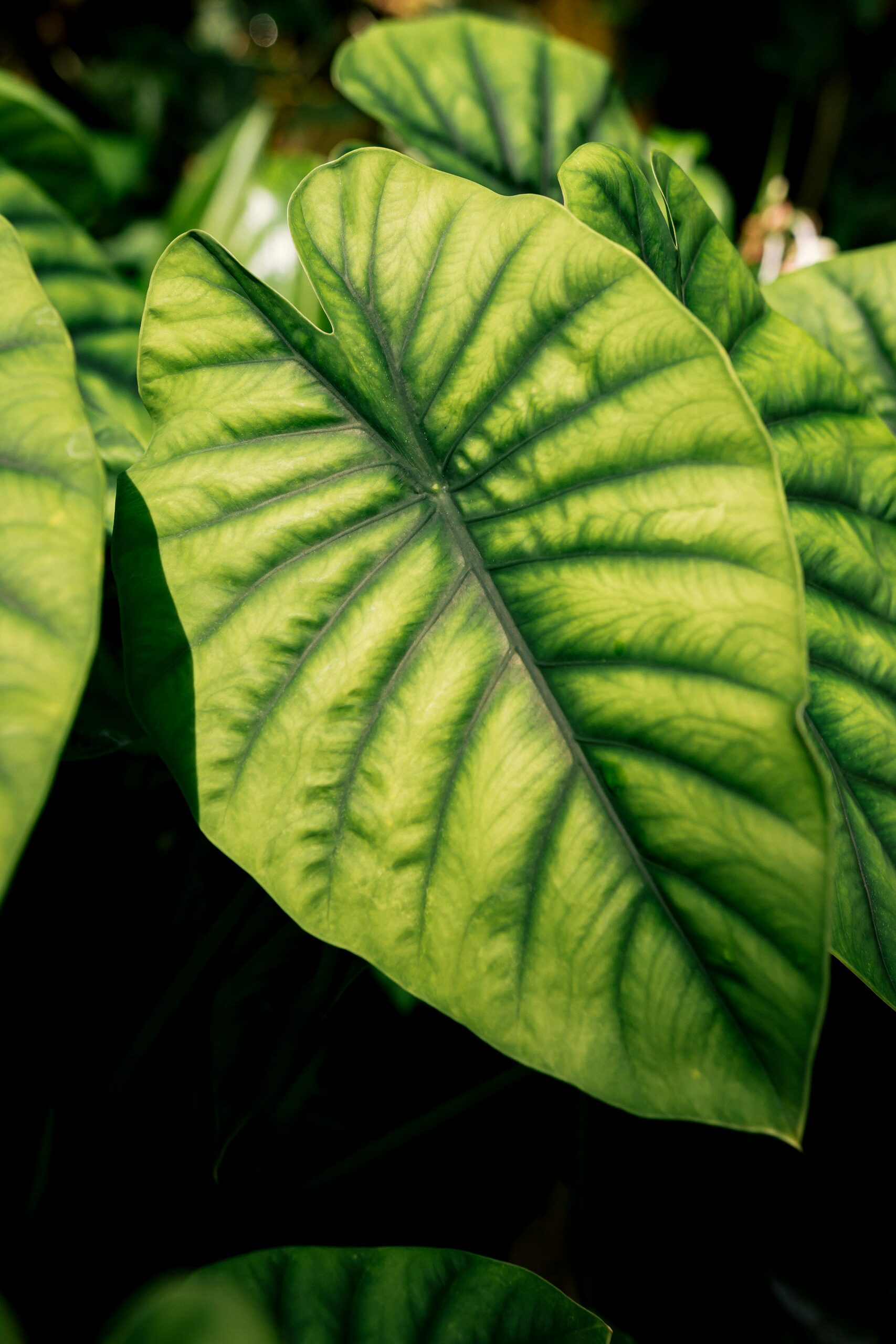
- Pinhead‑sized translucent or tan spots that slowly expand.
- Yellow halos or irregular margins.
- Patches appearing where water sat on leaves in the evening or where air is still.
Immediate actions
- Improve culture first:
- Avoid leaving foliage wet late in the day. If you mist in hot weather, do it lightly and in the morning so leaves dry fast.
- Increase airflow and space plants.
- Move from dim corners to brighter, filtered light.
- Sanitation:
- Cleanly trim heavily spotted leaves or leaf tips. Wipe shears with alcohol before and after cutting.
- Don’t compost infected tissue indoors; discard it.
If disease continues to advance despite these corrections, consider copper-based fungicide (see below).
Cup Hygiene: The Heart of Bromeliad Care
Your Guzmania’s central cup is both reservoir and nutrient landing pad. Stagnant water invites trouble; fresh water sustains vigor.
The refresh routine
- Frequency: In warm seasons, refresh every 3–5 days; in cooler rooms, about weekly. Always refresh sooner if the water looks dull or has an odor.
- How to refresh:
- Gently tilt the plant and pour out the old cup water (or wick it out with a paper towel).
- Flush the cup once with fresh water to wash away residues.
- Refill so there’s a shallow pool in the cup—just enough to wet the inner leaf bases, not brimming.
- Fertilizer in the cup:
- Use only very dilute balanced fertilizer during active growth, and not every time you refill.
- Periodically flush with plain water to prevent salt buildup.
- Important: Never let water stagnate in the cup for long periods.
Clean‑Wipe Leaf Care: Gloss With a Purpose
Dust and spores cling to smooth Guzmania leaves. A gentle wipe removes both and keeps photosynthesis efficient.
How to wipe like a pro

- Tools: Soft microfiber cloth or cotton pad, tepid water. Skip leaf‑shine products.
- Method: Support each leaf with one hand; wipe from base to tip, including the inner rosette where debris collects. Avoid heavy rubbing on the colorful bracts.
- Frequency: Every 2–4 weeks, or anytime you see dust.
Benefits: Better gas exchange, fewer places for pathogens to settle, and that natural, healthy sheen.
Avoid Wet Foliage at Night
- Timing: Water the potting mix and, if misting, do so early in the day so leaves dry quickly.
- Technique: Direct water to the mix rather than over the leaves. If leaves do get wet late, towel off beads of water.
- Placement: Keep away from cold nighttime drafts; cool, wet foliage is a classic disease setup.
Copper‑Based Fungicide: If—and Only If—You Need It
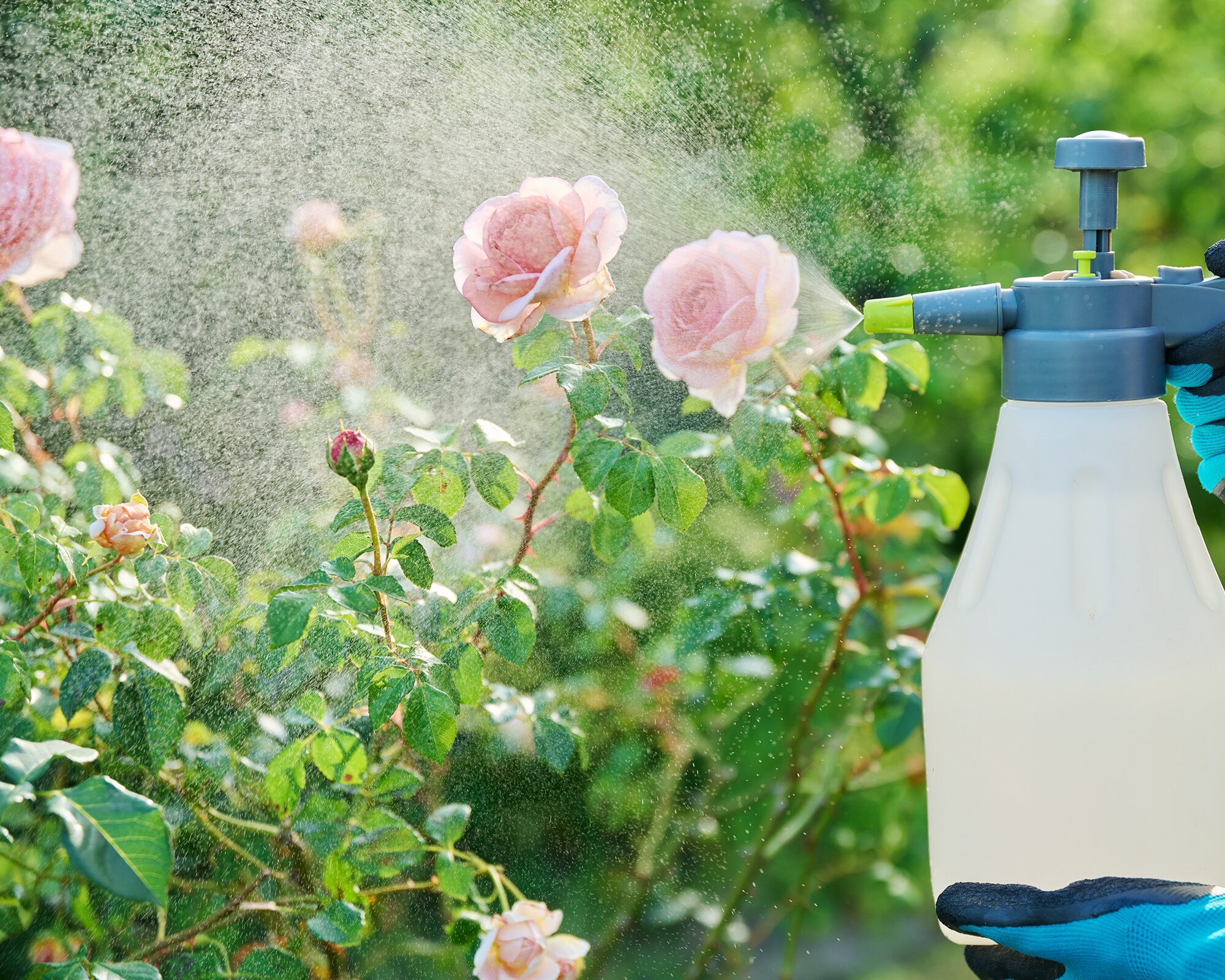
Cultural fixes (fresh cup, dry foliage at night, airflow, brighter filtered light) are your first line. If leaf spot still spreads:
Smart, sparing use
- Choose a product labeled for ornamental plants and leaf spot. Follow label directions exactly.
- Test first: Spray a small, inconspicuous section and wait 24–48 hours to check for sensitivity or spotting.
- Application tips for bromeliads:
- Aim for thorough, even coverage of affected leaves and nearby healthy tissue, including undersides, but avoid pooling in the central cup.
- Either cover the cup during spraying or empty and promptly refill it with clean water afterward.
- Apply in the morning on a dry, still day so foliage dries quickly.
- Frequency: Reapply only as directed on the label. More is not better; excessive copper can cause plant stress and environmental buildup.
- Safety: Wear gloves, avoid inhalation, and keep products out of reach of children and pets.
Seasonal Guardrails
- Spring
- Bright filtered light, lightly moist mix.
- Best time to sow seed or separate pups (10–12 cm tall) with a clean blade. Keep new offsets warm (20–25°C) and humid until rooted.
- Summer
- About 50% shade and good ventilation to prevent scorch; occasional light morning misting in hot, dry spells.
- Refresh cup water more frequently.
- Autumn
- Boost humidity if indoor air turns dry; bring plants indoors before cool nights.
- Winter
- Keep above 10°C (50°F); brightest light by day; protect from cold window glass at night.
- Water the mix sparingly so roots don’t sit cold and wet.
Quick Profile: Guzmania insignis at a Glance
- Identity: Guzmania insignis (family Bromeliaceae), also called Bromeliad or Scarlet Star Bromeliad.
- Look: Upright rosette of glossy green leaves with a central water‑holding cup; bold red bracts on a sturdy spike that stay showy for weeks.
- Size: Commonly sold in 12–15 cm (4.7–5.9 in) pots.
- Origin: Andes region of South America.
- Light & Climate: Bright, filtered/indirect light; 16–28°C (61–82°F) ideal; moderate to high humidity; not frost hardy.
- Habit: Rosette-forming; after flowering, the mother rosette declines while pups mature at the base.
Symbolism and the “Flower Language”
Guzmania is a favorite gift plant in East Asia, linked with prosperity and auspicious beginnings. Its Chinese name, 鸿运当头, roughly “good fortune at the crown,” nods to the vivid red bracts rising from the center like a celebratory banner. As with most “flower language,” this meaning emerges from cultural associations—color (red for luck and success) and context (festive gifting)—rather than ancient folklore. Display it where you kick off new ventures or welcome guests to “set the tone” for thriving days ahead.
Safety Note
No specific toxicity details are provided for this plant. As a sensible precaution, keep it out of reach of pets and children and avoid ingestion.
Put It All Together: The 5 Habits That Keep Guzmania Gleaming
- Refresh the cup regularly—flush and refill before water goes stale.
- Keep foliage dry at night—time watering and light misting for mornings.
- Wipe leaves clean every few weeks—soft cloth, no shine products.
- Optimize placement—bright, filtered light with airflow; avoid summer scorch and winter chills.
- Act early on leaf spot—trim, improve culture, and only then consider a cautious, label‑guided copper spray.
With these small, steady habits, your “living fountain” will keep its gloss, its color, and its good‑luck aura—no drama, just a thriving Guzmania insignis.