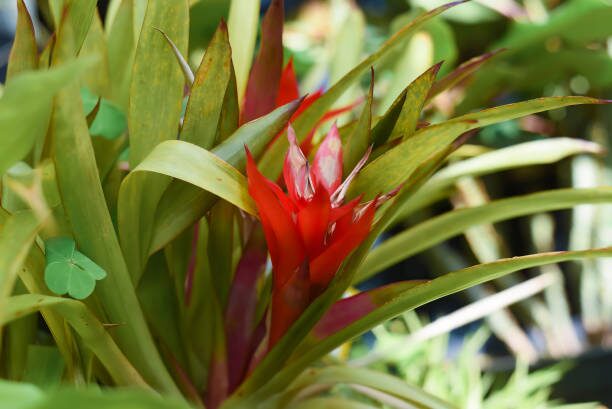
Guzmania insignis is the bromeliad that turns a room into a small celebration—tidy rosette, glossy green leaves, and a bold, upright spike of vivid red bracts that hold color for weeks. If you’re shopping for one that will look fabulous the longest, here’s a pro’s checklist to spot the keepers and skip the duds.
Meet Guzmania insignis (aka “Guzmania,” often sold as a Scarlet Star bromeliad)
- Family: Bromeliaceae; native to the Andes region of South America
- Habit: Rosette of firm, glossy, upright leaves forming a central “cup” that can hold water
- Display: A sturdy, upright spike topped by long-lasting red bracts (the colorful “flower”)
- Indoors: Prefers bright, filtered light, warmth, and comfortable humidity
The in-store buying checklist (what to look for—and why)
1) Firm, emerald-green leaves
- What you want: Leaves that are upright, glossy, and resilient to a light touch, arranged in a neat, even rosette.
- Why it matters: Firm, unblemished foliage signals good hydration, healthy roots, and steady recent care—all predictors of strong performance at home.
2) Unblemished, upright bracts on a sturdy spike
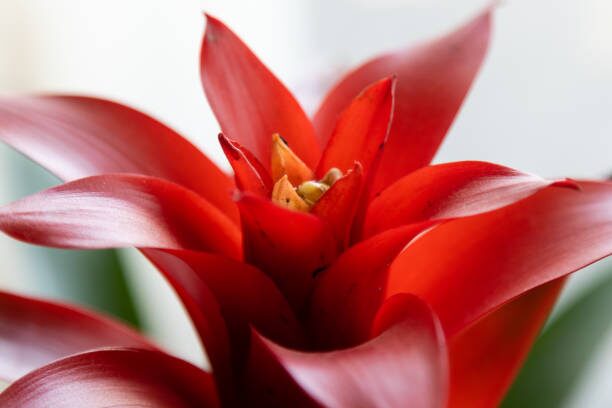
- What you want: Bright, even color; bracts free of brown edges, dents, or soft spots; the flowering spike standing straight and anchored firmly at the base.
- Why it matters: Bracts are your show. A crisp, upright spike with clean bracts usually lasts longer indoors.
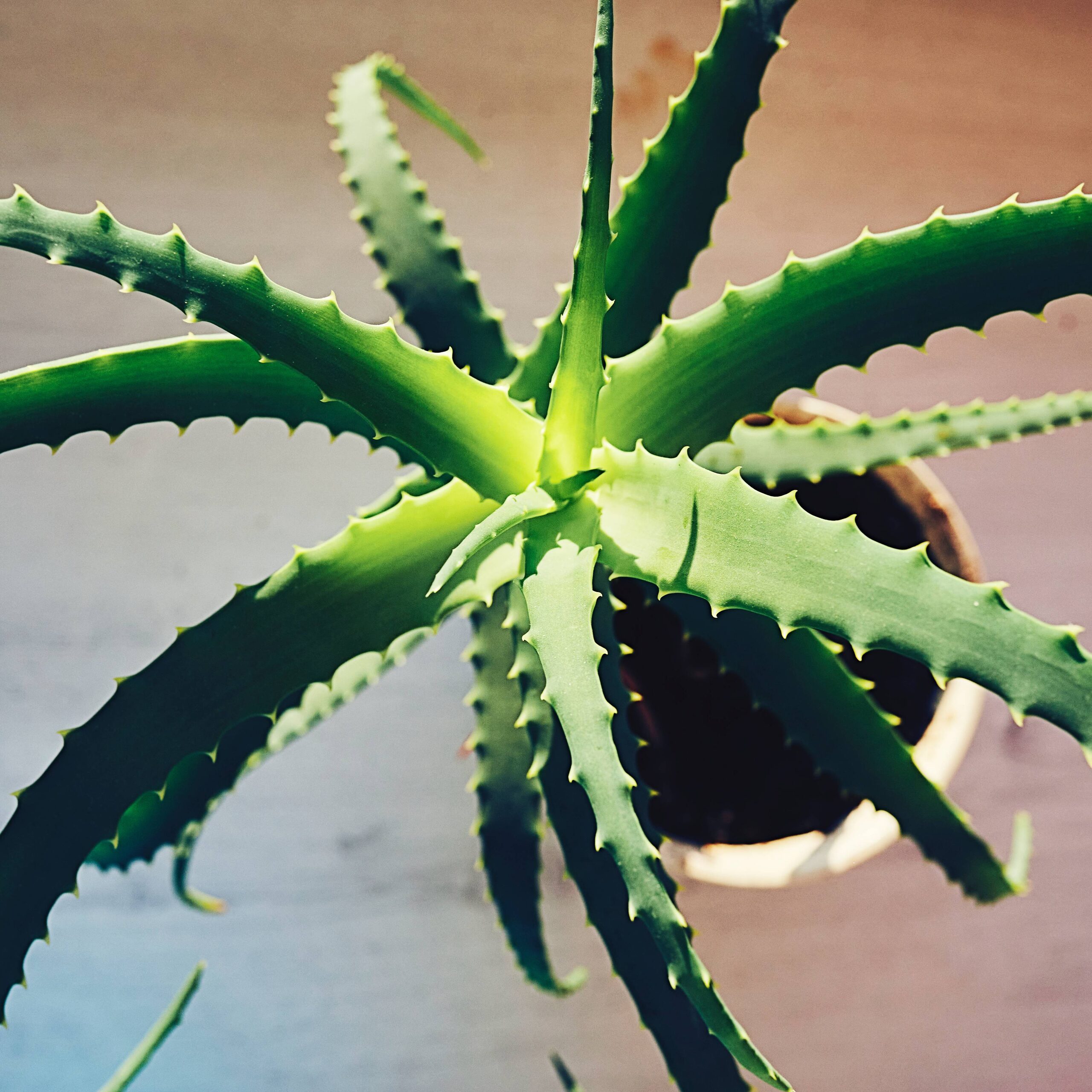
3) Symmetry from top view
- What you want: A balanced starburst rosette with evenly spaced leaves and a centered spike.
- Why it matters: Symmetry indicates the plant grew in stable, even light, building uniform “energy reserves.” Symmetrical rosettes support better water balance and sturdier spikes—key to a longer display.
4) No cold damage, no pests
- What you want: Leaves without glassy, water-soaked patches (cold injury), no gray/brown pitting, no limp, folded foliage. Check leaf bases and undersides for mealybugs (cottony tufts) or scale (hard, pinhead bumps), and avoid any plant with sticky residue or sooty mold.
- Why it matters: Cold-stressed or pest-ridden plants fade fast indoors and can spread trouble to other houseplants.
5) Check the stage of bloom for maximum color life
- What you want: Bracts at full color but few or no tiny, spent true flowers peeking between them. If the bracts are just finishing their color-up, you’ll enjoy the show longer.
- Bonus tip: If you can spot multiple large pups at the base, the mother rosette may be further along in her bloom cycle. For the longest single-plant display, choose one with small or no visible pups yet.
6) Solid pot and airy mix
- What you want: A snug 12–15 cm (4.7–5.9 in) nursery pot with a loose, fast-draining medium (bromeliad/orchid-style or peat/leaf-mold with coarse sand).
- Why it matters: Guzmania roots anchor more than they feed; soggy, heavy soil shortens the plant’s lifespan.
Why symmetry and a sturdy spike predict longer indoor color
- Even architecture = even resources. A symmetrical rosette forms a stable “tank” (central cup) and evenly distributes water and nutrients to the spike. That balance helps bracts stay vibrant.
- Strong spike = better plumbing. A thick, upright inflorescence usually indicates robust vascular support and carbohydrate reserves, improving color longevity and resistance to wilting indoors.
- Stable center of gravity. A centered, solid spike is less stressed by handling or air movement, so bracts don’t crease, bruise, or age prematurely.
Red flags: cold damage and pest signs at a glance
- Cold injury: Translucent, glassy patches; soft, water-soaked streaks; sudden edge browning after a chilly night. Skip these plants.
- Pests: Cottony bits (mealybugs) in leaf axils; tiny brown bumps (scale); sticky honeydew; black sooty film. Choose a clean plant only.
Getting it home without losing the glow
- Shield from chill and wind. Keep above 10°C (50°F); temperatures below 5°C (41°F) can cause chilling injury. Bag loosely for the trip; don’t leave it in a cold car.
- First week setup: Place in bright, filtered light (an east-facing window is perfect). Keep away from strong midday summer sun and from cold window glass or nighttime drafts in winter.
Care cheat sheet for long-lasting bracts
Light
- Bright, filtered/indirect light. In summer, avoid harsh midday/afternoon sun (about 50% shade and good airflow). In winter, give the brightest spot you have, but keep the plant away from cold glass.
Temperature and humidity
- Best range: 16–28°C (61–82°F); always keep above 10°C (50°F).
- Loves moderate to high humidity; light misting helps in hot spells or dry autumn air.
Watering
- Potting mix: Keep lightly moist in spring and summer; never soggy. In winter, let it dry slightly between waterings.
- Central cup: Keep a small amount of fresh water in the cup; refresh regularly so it doesn’t stagnate. If the cup dries out, leaves may dull or yellow.
- Airflow matters: Good ventilation prevents leaf spot and keeps bracts crisp.
Feeding
- During active growth, feed very dilute balanced fertilizer about every 2 weeks. You can apply to the potting mix and/or into the central cup—always weak solutions to avoid tissue burn. A slight boost in phosphorus/potassium supports blooming.
Grooming
- Wipe leaves with a soft, slightly damp cloth to keep them glossy.
- Snip off any yellowing outer leaves promptly.
Potting and repotting
- Usually grown in a 12–15 cm pot. Use a loose, airy, fast-draining mix (bromeliad/orchid-style). Repot about every 2 years in spring, or when pups are ready for their own pots.
How to read the spike (and time your purchase)
- Fresh bracts: Bright, uniform color; edges crisp; no bruises.
- Flower clues: The true flowers are small and tucked between bracts. If many look spent, the display is further along. Choose bracts with minimal visible spent flowers for the longest run at home.
After the show: pups and the next act
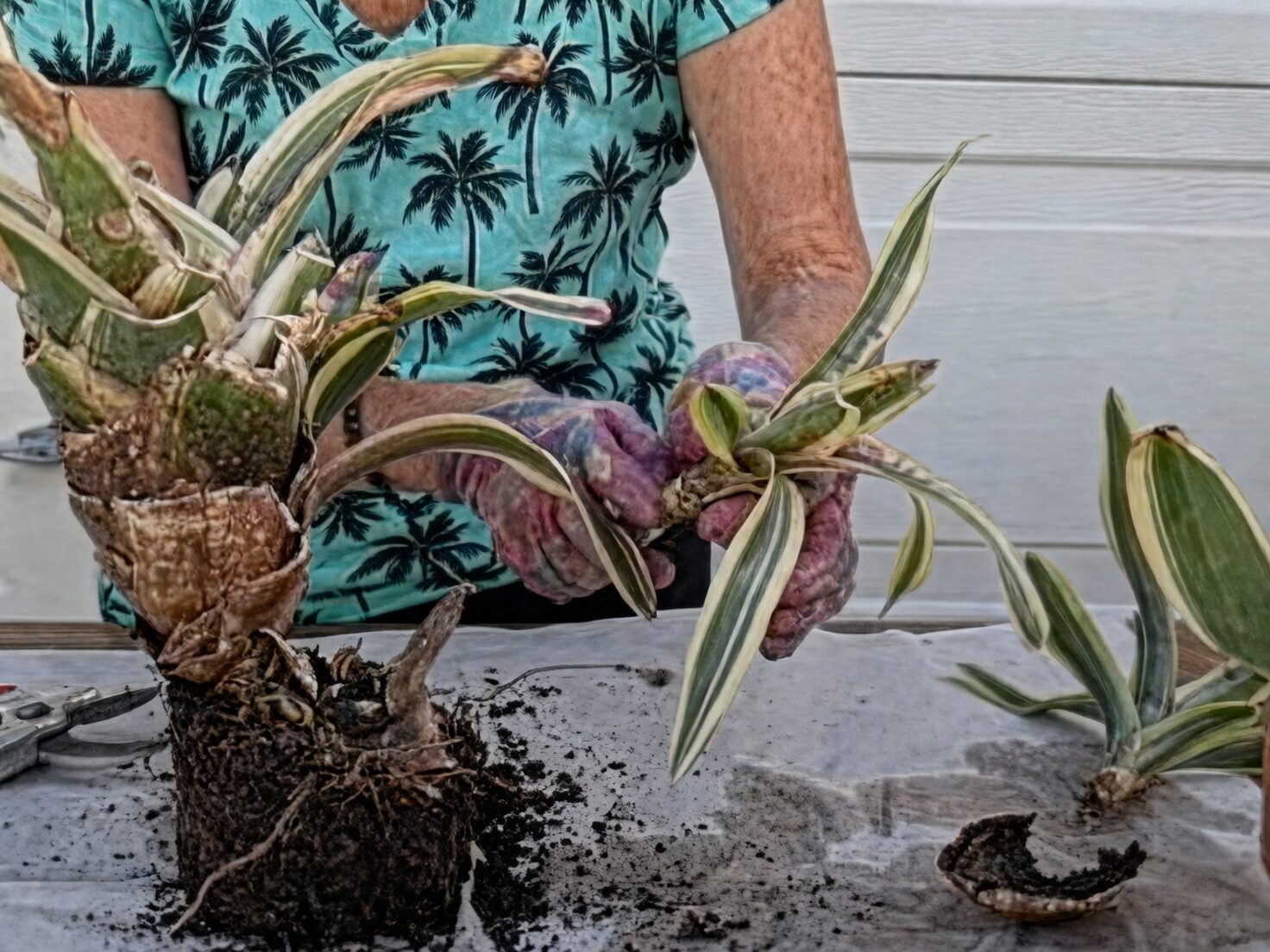
- Life cycle: After flowering, the mother rosette slowly declines while offsets (pups) develop at the base—the next generation of color.
- Propagating pups: In spring, remove pups when 10–12 cm (3.9–4.7 in) tall. Insert into a light, airy mix; keep warm (20–25°C / 68–77°F) with a bit more humidity. Expect rooting in about a month.
Troubleshooting quick hits
- Yellowing leaves?
- Most common causes:
- Too much direct summer sun (move to bright filtered light).
- Central cup dried out (keep a little fresh water in the cup).
- Natural aging after bloom (mother rosette declines while pups take over).
- Low light can contribute—brighten gradually.
- Leaf spot?
- Improve airflow, avoid wet foliage late in the day, remove affected tissue. If needed, use an appropriate ornamental fungicide as labeled.
- Safety
- No specific toxicity details provided; as a precaution, keep out of reach of pets and children and avoid ingestion.
Symbolism and gifting notes
Guzmania is widely gifted as a “good luck” plant—its Chinese name, 鸿运当头, literally evokes prosperity arriving “front and center.” That upright red crown has become a symbol of auspicious beginnings and thriving business, which is why you’ll often see it at openings and holidays. For gifts, choose a perfectly symmetrical rosette with a straight, sturdy spike—the visual of balance and strength matches the wish for steady fortune.
—
Bottom line: For a Guzmania insignis that keeps its color for weeks, shop with your fingertips and your eyes—firm green leaves, spotless upright bracts, a symmetric rosette, and a sturdy, centered spike. Keep it warm, bright, and slightly humid, refresh the cup water, and you’ll enjoy a long, showy performance indoors.