
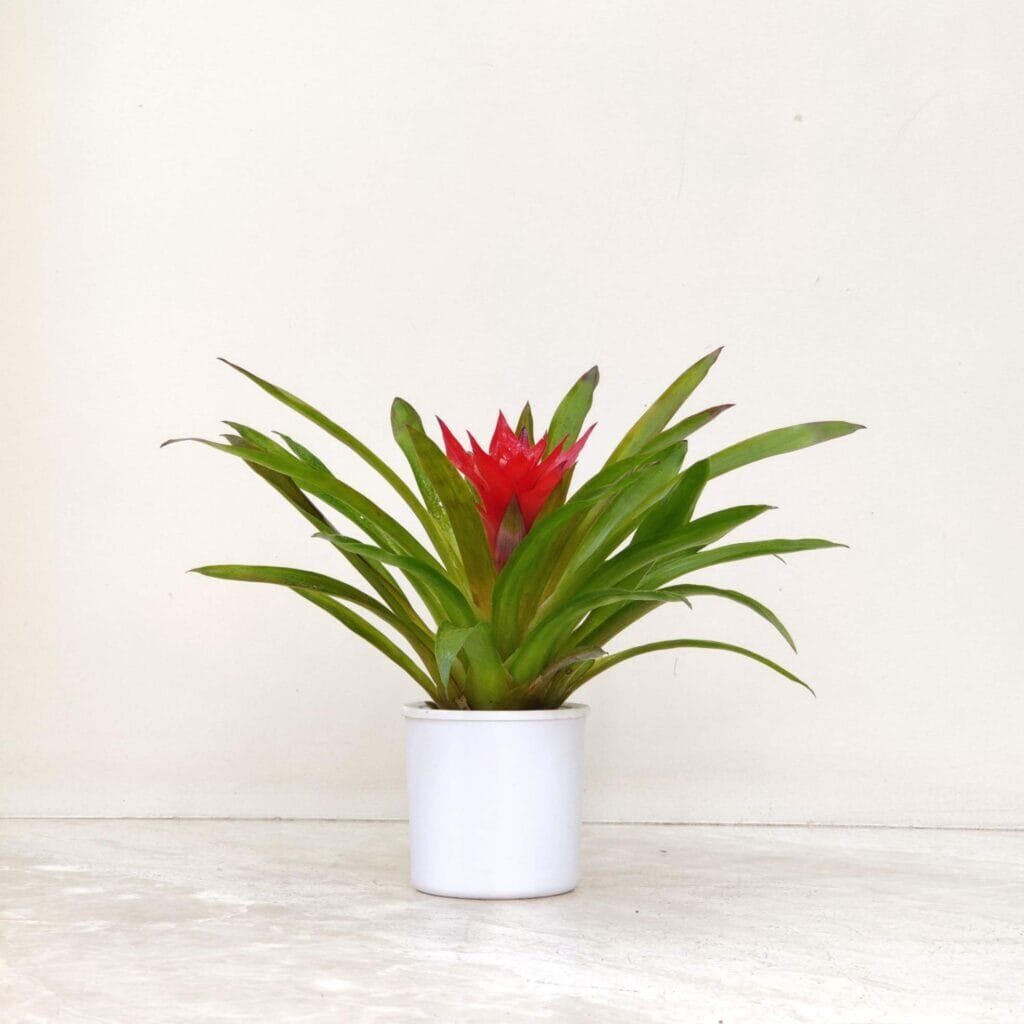
Think of Guzmania insignis as a living rain barrel with fireworks on top: a tidy rosette of glossy green leaves cradles a little cup of water while a bold red plume rises like a celebratory flare. That central “tank” is more than a quirk of design—it’s an ecosystem in the wild, and a clue to flawless indoor care. When you understand what lives in a bromeliad’s cup outdoors, you’ll know exactly why fresh water, gentle dilution, and good airflow indoors keep this plant gleaming.
Meet Guzmania insignis: the tidy rosette with a secret reservoir
- Family: Bromeliaceae (the bromeliads)
- Origin: The Andes region of South America
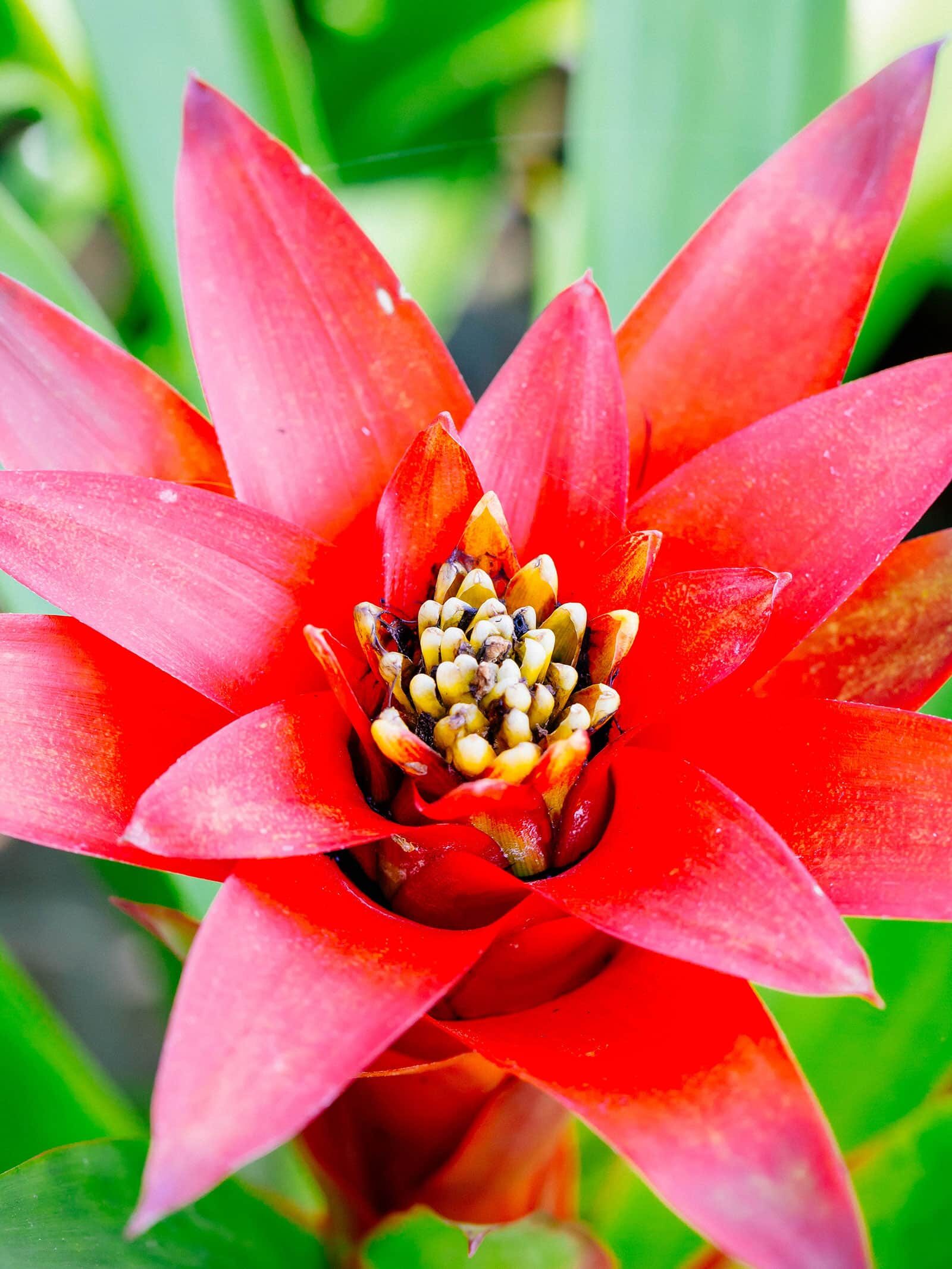
- Look: Stiff, upright, glossy green leaves form a neat rosette with a tubular cup. The “flower” is actually a long-lasting upright spike of vivid red bracts.
- Habit: A single rosette flowers once, then slowly declines, producing offsets (pups) that take over.
- Indoors sweet spot: Bright, filtered light; warmth (16–28°C / 61–82°F); comfortable humidity and good airflow. Keep away from harsh summer sun and chilly drafts.
What lives in a bromeliad cup in the wild?
Bromeliad cups collect rain, mist, and leaf litter to form a tiny aquatic habitat called a phytotelma. In the Andes’ cloud forests, that micro-pond teems with life:
- The “tea”: Fallen pollen, leaf specks, and dust steep into a nutrient brew. Harmless algae tint the water greenish; tannins make it brown like iced tea.
- Micro-cleaners: Bacteria, fungi, rotifers, and tiny crustaceans break down detritus into plant-available nutrients.
- Invertebrates: Midge and mosquito larvae, water-dwelling mites, and nematodes sift and graze the soup. Predatory larvae may keep others in check.
- Amphibian moments: Some tree frogs and bromeliad-associated frogs stash eggs or raise tadpoles in these secure, rain-refreshed nurseries.
Why this matters to the plant:
- Nutrient loop: As the micro-crew decomposes debris, the resulting dilute nutrients are absorbed through specialized leaf surfaces lining the tank.
- Oxygen and freshness: Frequent rain and breezes keep water renewed and oxygenated, buffering against stagnation.
In short, the wild tank is constantly diluted, refreshed, and aerated—never a closed, stagnant bowl.
What that wild tank teaches your indoor care
Indoors, we don’t get rainforest rain pulses or canopy breezes on tap. So we mimic three essentials:
1) Keep the water clean and moving (you provide the “rain”)
- Refresh the central cup regularly so water never goes stale. In warm, bright rooms, weekly is a great rhythm; in cool/low light, every 1–2 weeks.
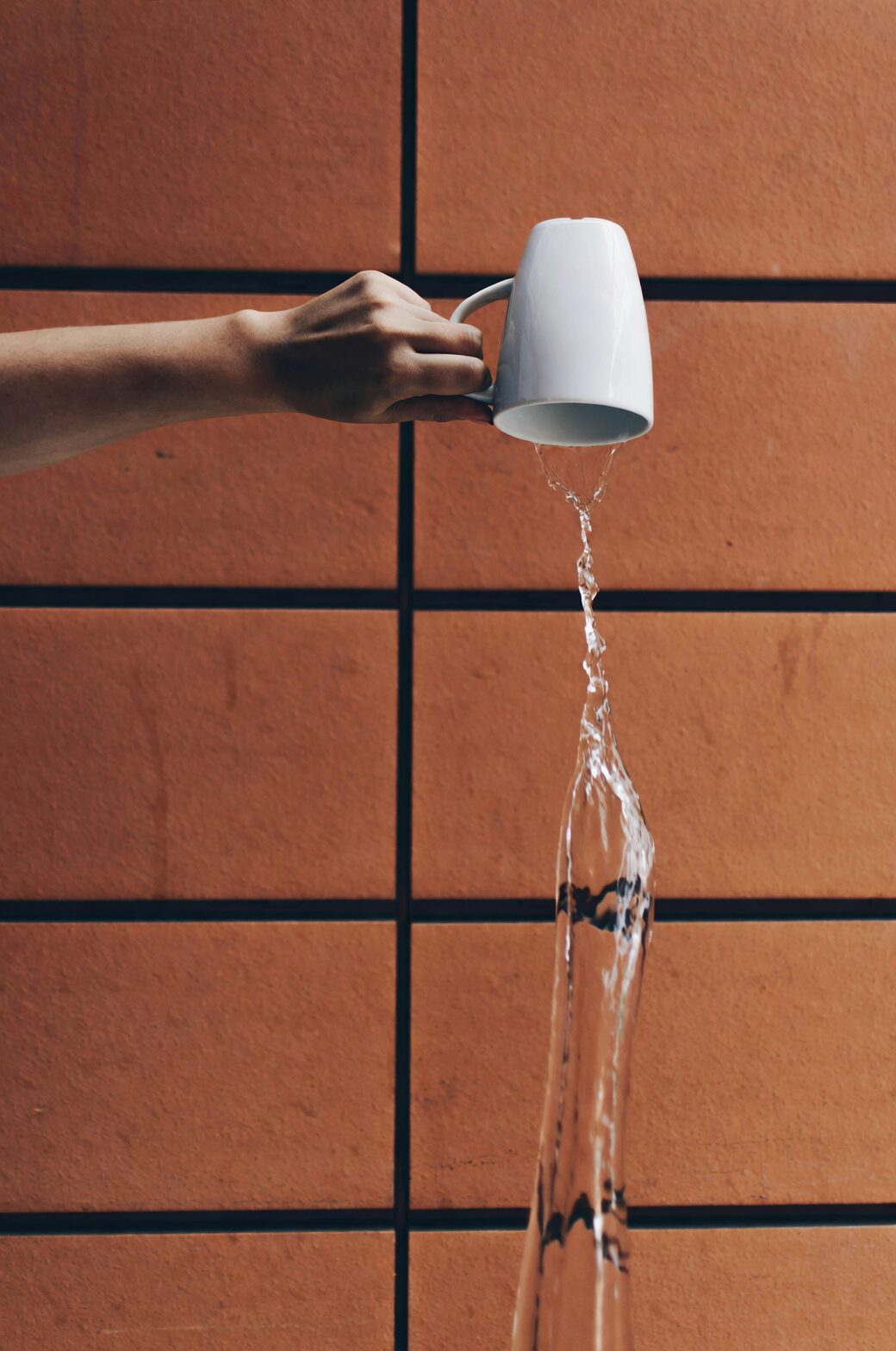
- Give it a quick flush: pour in fresh water until it spills through the rosette, then tip the pot to drain away the old water. This prevents a scummy, low-oxygen brew.
2) Embrace dilution (you curate the “tea”)
- Use very dilute, balanced fertilizer during active growth—think light “tea,” not soup. Strong feed can burn tissues and favor unwanted microbes.
- Rinse the cup with plain water between feeds to prevent mineral and salt buildup.
3) Ensure airflow (you replace the “forest breeze”)
- Good ventilation discourages leaf spot and keeps the tank fresher. A gentle fan across the room or an open window on mild days works wonders.
- Avoid leaving foliage wet late in the day if the room is still and cool.
Light, temperature, and humidity (the comfort trio)
- Light: Bright, filtered/indirect light. In summer, shield from strong midday/afternoon sun (around 50% shade) and keep air moving. In winter, use the brightest spot you have—but not pressed against cold glass at night.
- Temperature: 16–28°C (61–82°F) ideal. Keep above 10°C (50°F); below 5°C (41°F) risks chilling injury.
- Humidity: Moderate to high suits it best. Light misting helps in hot weather or dry autumn air; ensure ventilation so moisture doesn’t linger stagnant.
Watering and cup care: a simple routine
- Potting mix: Keep lightly moist in spring; never soggy. In winter, let the mix dry slightly between waterings.
- Central cup (tank):
- Keep a little clean water in the cup; refresh it regularly so it never stagnates.
- If the cup runs dry for a short spell, leaves may dull or yellow—resume your refresh routine.
- Use rain, distilled, or filtered water if your tap water is hard; it keeps bracts and leaves spot-free.
- Outdoor summering? Empty and refresh more frequently to discourage mosquitoes.
Feeding, soil, and pots
- Fertilizer: During active growth, feed about every 2 weeks with a very dilute balanced fertilizer. A slight phosphorus/potassium nudge can support blooming. Apply weak feed to the potting mix and/or into the cup—always err on the light side.
- Mix: Loose, airy, fast-draining. An orchid/bromeliad-style blend or a peat/leaf-mold medium cut with coarse sand or bark works well.
- Container: Usually 12–15 cm (4.7–5.9 in) pots; they don’t need big shoes. Repot every ~2 years in spring or when pups are ready.
After the show: pups, repotting, and routine grooming
- Blooming: Early spring is typical; indoors you may also see flowers from late summer to early fall. The colorful bracts last for weeks.
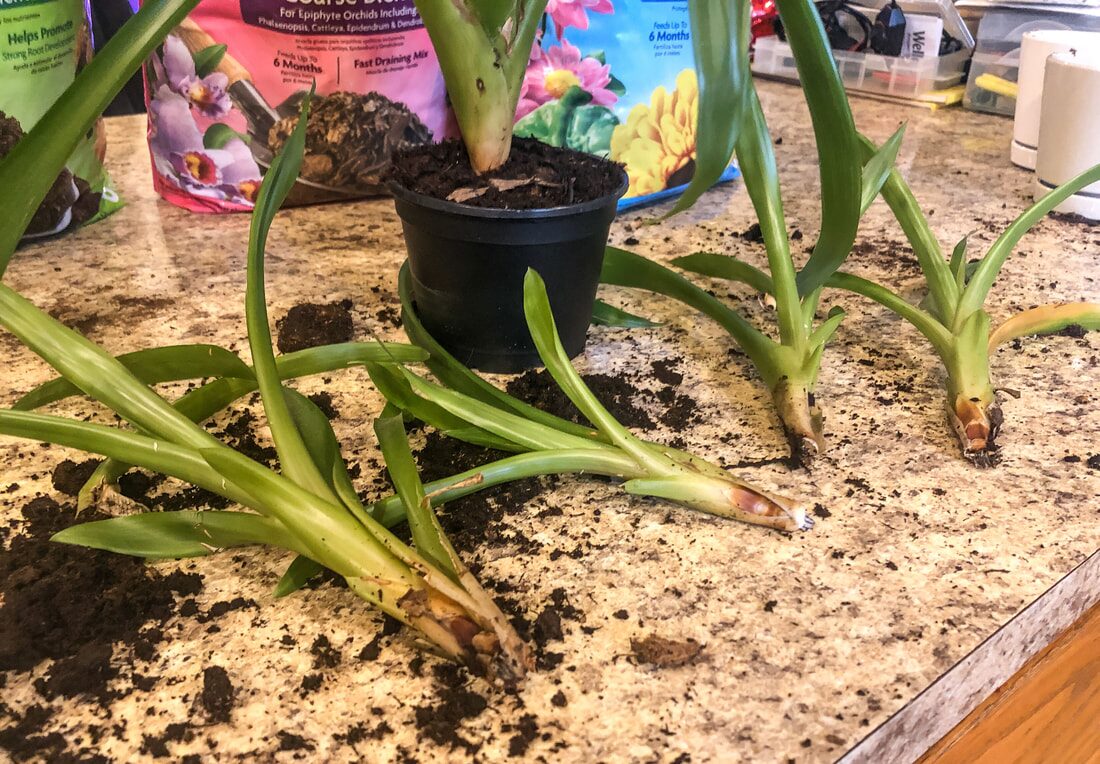
- Pups: As the mother rosette declines post-flower, offsets form at the base. In spring, separate pups at about 10–12 cm (3.9–4.7 in) tall. Let cut surfaces dry briefly, then set into a sandy, airy mix. Keep warm (20–25°C / 68–77°F) with slightly higher humidity; rooting takes roughly a month.
- Grooming: Remove yellowing outer leaves promptly. Wipe foliage with a soft, slightly damp cloth to keep that glossy sheen.
Troubleshooting with the tank-ecology lens
- Leaves yellowing?
- Common causes: Too much direct summer sun, the central cup drying out, or normal post-bloom aging as the mother rosette fades. Low light can contribute—brighten gradually.
- Cup smells swampy or looks murky?
- You’re missing the “rain cycle.” Flush and refresh; improve airflow; reduce fertilizer strength.
- Leaf spot shows up?
- Increase ventilation, avoid wet foliage late in the day, remove affected tissue. If needed, use an appropriate ornamental fungicide (copper-based options are common) per label directions.
Buying guide: choosing a standout plant
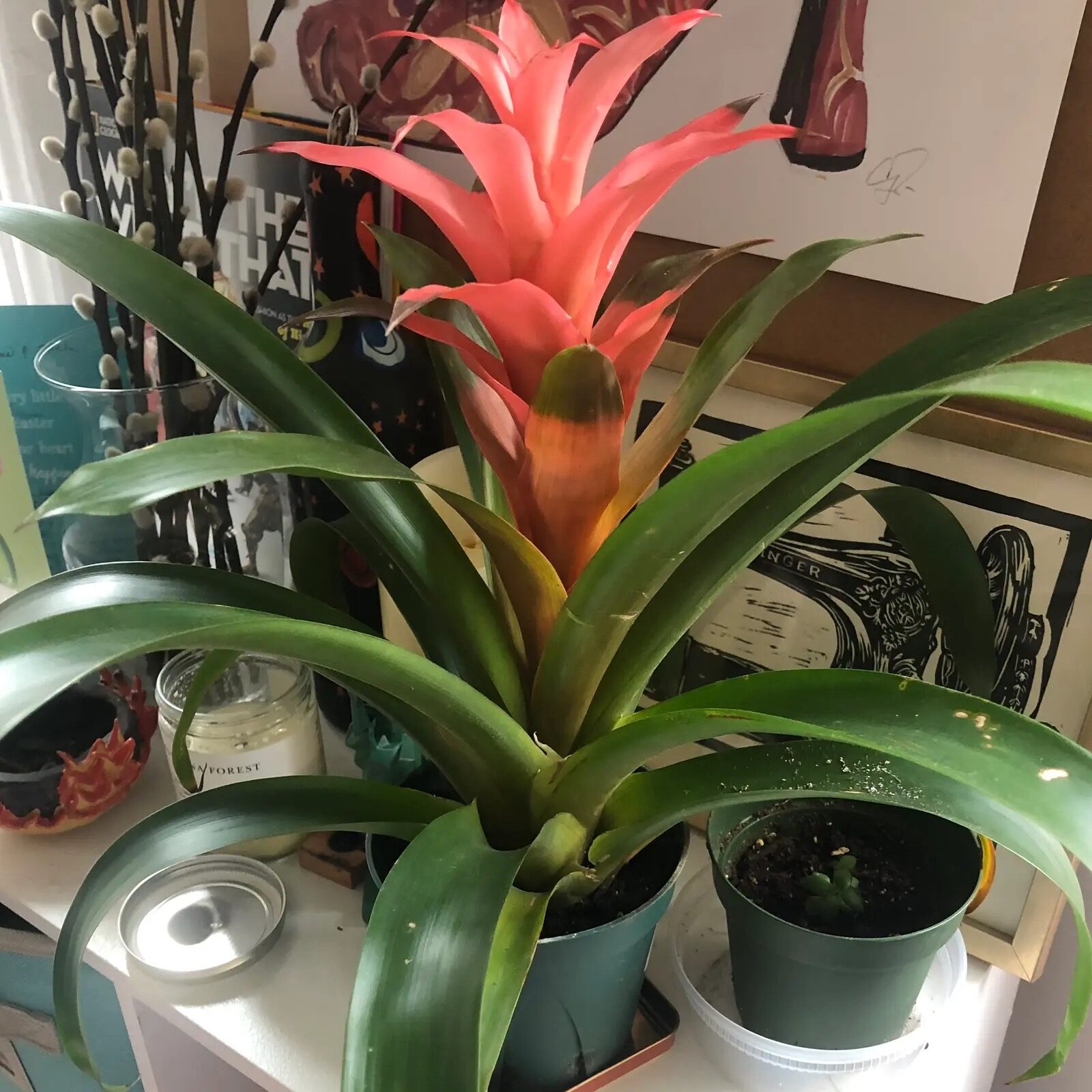
- Look for a symmetrical rosette with firm, glossy, spotless leaves.
- Bracts should be vivid red, upright, and unblemished—no wilting or cold scarring.
- Inspect for pests or mechanical damage before you bring it home.
Safety note
No specific toxicity data was provided for this species. As a sensible precaution, keep out of reach of pets and children and avoid ingestion.
Symbolism: why red bracts mean “good luck”
Guzmania insignis is widely gifted under the auspicious Chinese name 鸿运当头—“good fortune at the forefront.” The symbolism is modern and cultural rather than botanical: brilliant red signals prosperity and celebration, making the plant a popular choice for housewarmings and business openings. The long-lasting bracts reinforce a wish for enduring success.
Seasonal checklist (your indoor “rainforest rhythm”)
- Spring
- Bright filtered light; keep mix lightly moist.
- Best season to sow seed (24–26°C / 75–79°F) and divide pups.
- Summer
- ~50% shade from harsh sun; strong ventilation; occasional light misting.
- Refresh the cup frequently; prevent stagnation and sun scorch.
- Autumn
- Air turns dry? Boost humidity with light misting and airflow.
- Move indoors before nights cool; keep the cup fresh.
- Winter
- Keep above 10°C (50°F); brightest light by day; away from cold glass at night.
- Water sparingly so roots never sit cold and wet; maintain a small amount of clean cup water and refresh regularly.
The takeaway
In the wild, Guzmania insignis lives by rain pulses, gentle breezes, and a constantly refreshed micro-pond that feeds without fouling. Indoors, give it the same three gifts—clean water, wise dilution, and easy airflow—and your “rain-barrel-with-fireworks” will reward you with glossy leaves, luminous bracts, and a fresh, foresty presence that never goes stale.