

Think of Guzmania insignis as a tropical timekeeper. Give it the right cue each season—spring moisture and pup division, summer shade and breeze, autumn humidity, and bright but gentle winter light—and it rewards you with glossy foliage and long-lasting, vivid bracts. Here’s your no-guesswork calendar to keep this bromeliad thriving year-round.
Meet Guzmania insignis
- Family: Bromeliaceae (the pineapple family)
- Origin: The Andes region of South America
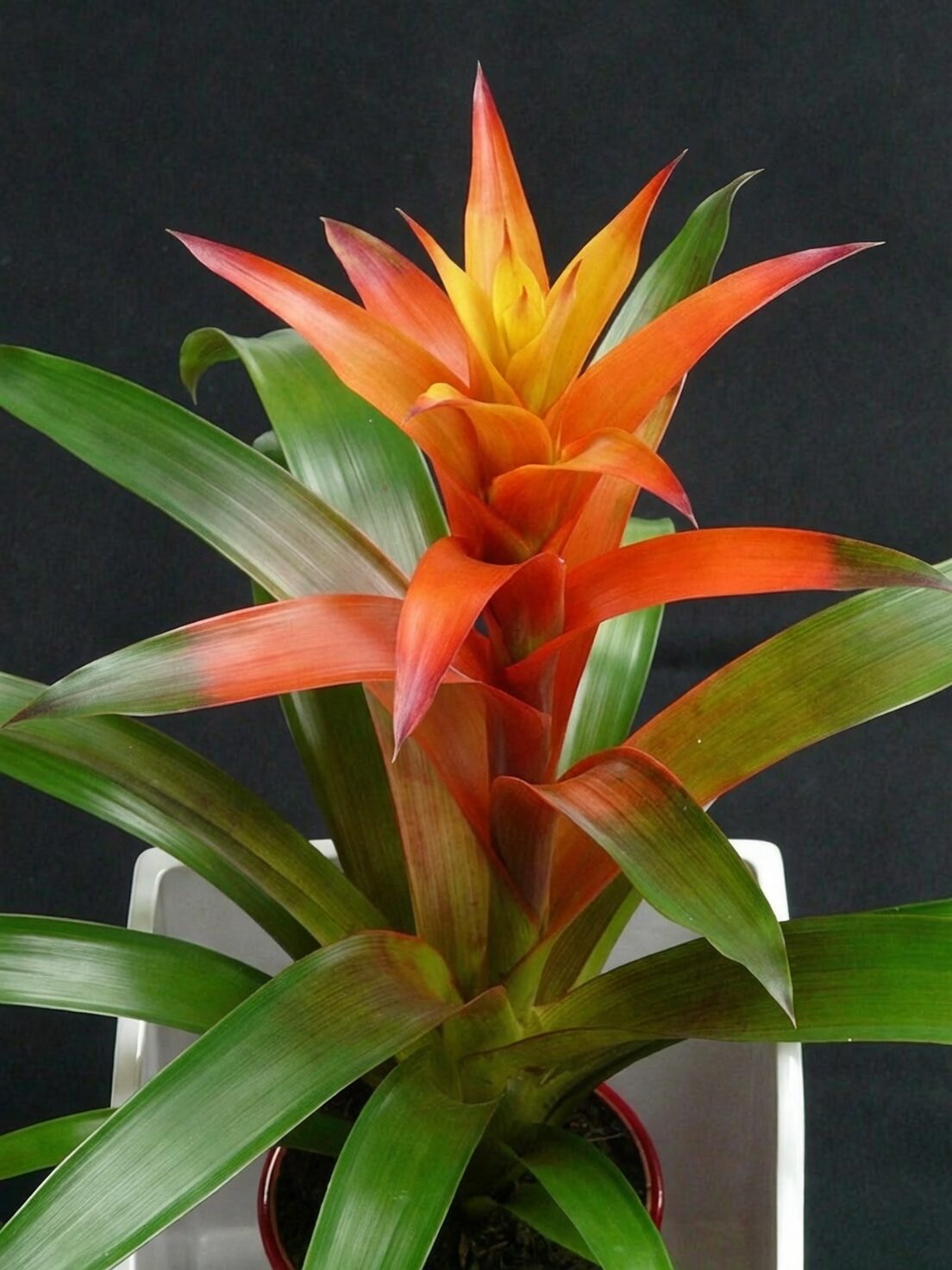
- Look: Tidy rosette of sleek, upright green leaves with a natural “tank” (central leaf cup) and a bold, upright spike of long-lasting red bracts
- Habit: Rosette-forming; after blooming, the mother slowly fades while offsets (pups) at the base take over
- Best for: Bright, filtered/indirect light, warm rooms, and comfortable humidity
The No-Guesswork Seasonal Calendar
Spring: Wake-up moisture and pup division
- Light: Bright, filtered/indirect light to jump-start growth.
- Water: Keep the potting mix lightly moist—never soggy. Keep a little fresh water in the central cup; refresh regularly so it never stagnates.
- Feed: Every 2 weeks, apply a very dilute balanced fertilizer. A slightly higher P/K tilt can support blooming. Feed the mix and/or the cup—always weakly.
- Temperature: 16–28°C (61–82°F).
- Key tasks:
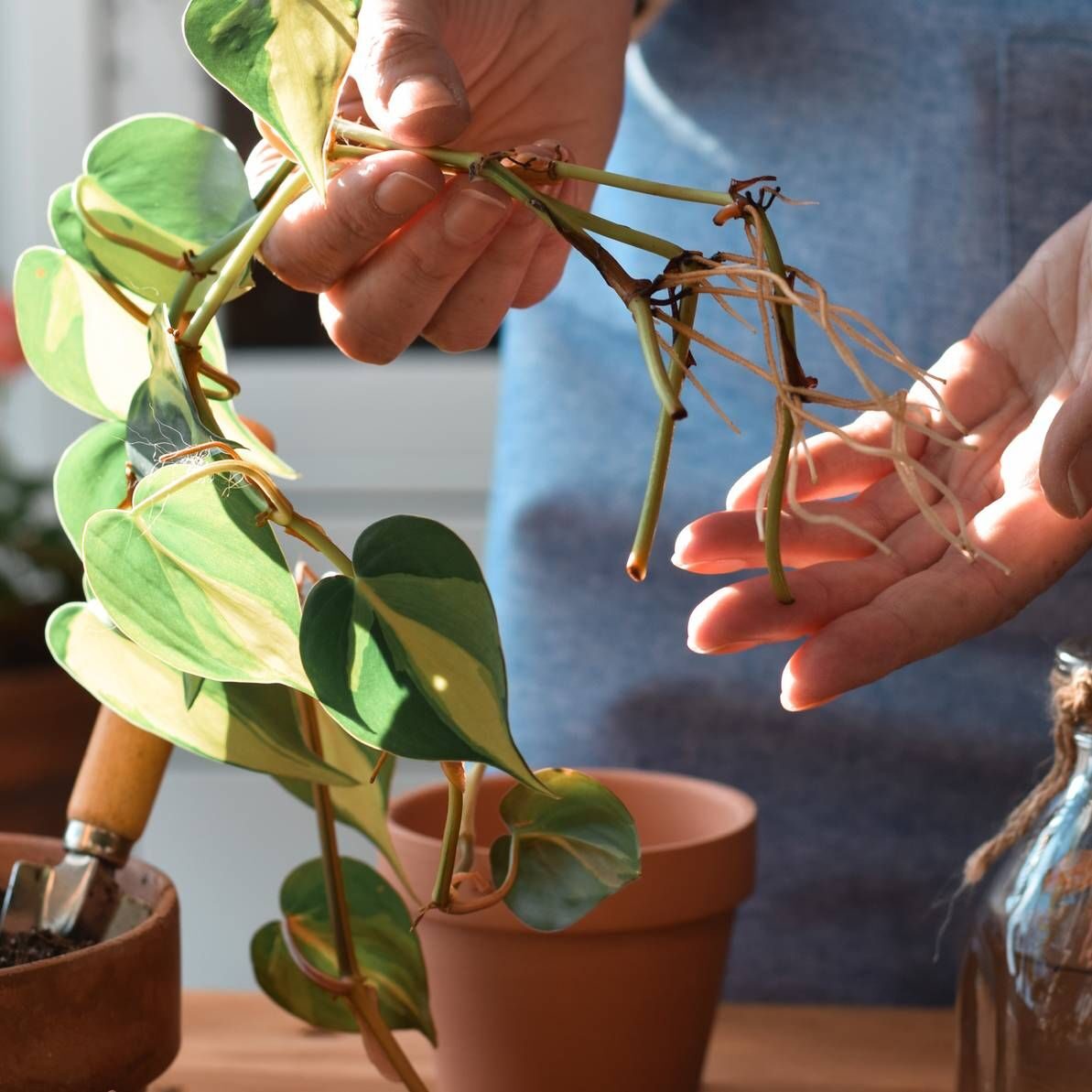
- Divide pups when they’re ~10–12 cm (4–5 in) tall. Cut cleanly, let the cut dry briefly, set into a loose, airy medium, and keep warm (20–25°C / 68–77°F) with higher humidity. Expect rooting in about a month.
- Repot if needed (typically every 2 years in spring).
- If sowing seed, aim for 24–26°C (75–79°F); germination can happen in about 2 weeks.
- Bloom note: Indoors, flowering often appears early spring (also possible late summer to early fall).
Summer: About 50% shade and steady airflow
- Light: Protect from strong midday/afternoon sun—give roughly 50% shade. East-facing windows or filtered light are perfect.
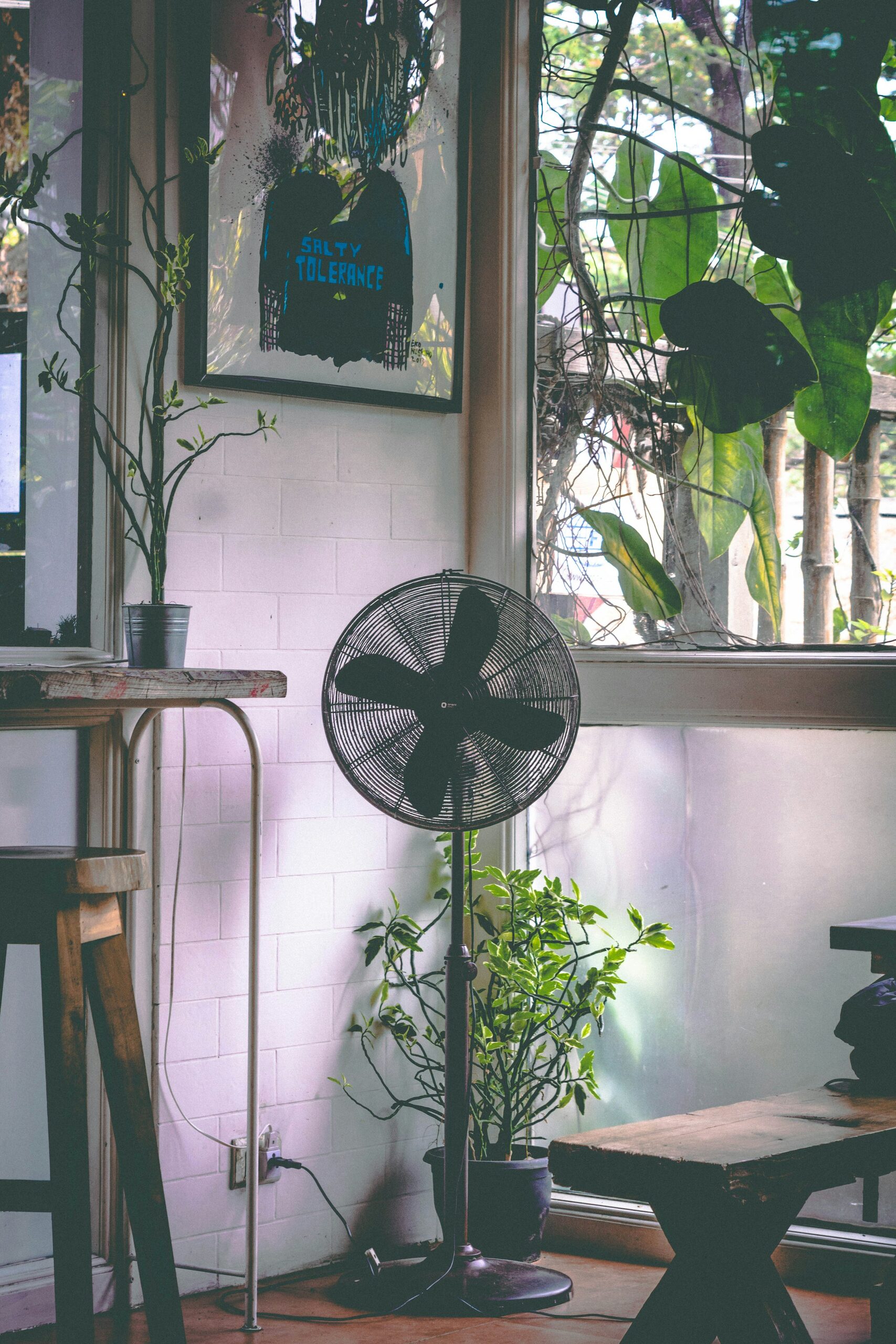
- Airflow: Crucial. A gentle cross-breeze or a small fan prevents heat stress and leaf spot.
- Water: Heat speeds evaporation—keep the cup topped with a little fresh water and refresh frequently. Keep the mix evenly, lightly moist but never waterlogged.
- Humidity: Moderate to high feels like home. Light, occasional misting helps in hot spells—but avoid saturating foliage late in the day.
- Watchouts:
- Sun scorch: brown patches or crispy tips mean too much direct sun.
- Leaf spot: improve ventilation, avoid wet leaves late, remove affected tissue promptly.
Autumn: Humidity boosts and the indoor move
- Move-in moment: Bring plants indoors before cool nights arrive. Keep above 10°C (50°F).
- Light: Bright, filtered light as days shorten.
- Humidity: Dry indoor air can creep in—boost with a pebble tray, light morning misting, or a humidifier. Keep good airflow.
- Water: Begin easing off frequency; keep the mix just lightly moist and refresh the cup regularly, never letting it go stale.
- Feeding: Continue very dilute feeds while growth is active; taper off as growth slows.
- Bloom note: Late summer to early fall blooms are common indoors. Remember: after flowering, the mother rosette declines while pups develop.
Winter: Brightest light, lighter watering
- Light: Give the brightest spot you have (often a south-facing window by day), but keep leaves away from cold glass and nighttime drafts.
- Temperature: Above 10°C (50°F) at all times; avoid chills below 5°C (41°F).
- Water: Growth slows. Let the potting mix dry slightly between waterings; keep only a small, fresh amount of water in the cup and refresh it regularly. Never let the plant sit cold and wet.
- Feeding: Minimal—pause or feed very lightly and infrequently until spring returns.
- Tip: If indoor heat dries the air, pair brightness with gentle humidity and airflow to prevent tip-burn and leaf spot.
Watering the “Tank” without trouble
- What to do: Keep a small amount of water in the central cup; refresh it regularly and flush it out so nothing turns stagnant.
- How often to refresh: In warm seasons, refresh more frequently; in cool seasons, refresh regularly but keep the volume lower.
- Quality: Room-temperature, low-mineral water is kinder to leaf tissues.
- Red flags: A sour smell or film in the cup means it needs an immediate flush and fresh water.
Light, temperature, and humidity essentials
- Sunlight: Bright, filtered/indirect light year-round; ~50% shade in summer heat; brightest safe spot in winter.
- Temperature: Ideal range 16–28°C (61–82°F); keep above 10°C (50°F) in winter.
- Humidity: Moderate to high. Combine humidity with airflow to deter fungal issues.
Soil, potting, and repotting
- Mix: Loose, airy, fast-draining. Try a peat- or leaf-mold-based medium blended with coarse sand, or an orchid/bromeliad-style mix.
- Pot size: Commonly grown in 12–15 cm (4.7–5.9 in) pots.
- Repotting: About every 2 years in spring, or sooner when pups need their own pots. Don’t oversize the container—roots anchor more than they feed.
Propagation playbook
- Offsets (pups):
- Wait until pups are ~10–12 cm (4–5 in) tall.
- Separate with a clean blade; let the cut dry briefly.
- Insert into a sandy, airy mix; keep warm (20–25°C / 68–77°F) with higher humidity and gentle airflow.
- Rooting takes about 1 month; then pot up as needed.
- Seeds:
- Sow fresh seed warm (24–26°C / 75–79°F). Expect germination in about 2 weeks.
- Provide bright, filtered light, consistently moist (not soggy) medium, and ventilated humidity (a clear cover with vents works well).
Troubleshooting quick fixes
- Yellowing leaves?
- Too much direct summer sun; move to bright, filtered light.
- The central cup dried out; maintain a small amount of clean water and refresh it regularly.
- Natural post-bloom aging; the mother rosette fades as pups develop.
- Low light can also contribute; increase brightness gradually.
- Leaf spot:
- Improve airflow, avoid wet foliage late in the day, remove affected tissue. If needed, an appropriate ornamental fungicide (often copper-based) can be used per label.
- Cup troubles:
- Stagnant water invites rot—flush and refresh.
- Cold stress:
- Chilly drafts or contact with cold glass cause leaf damage; relocate to a warmer, buffered position.
Buying guide: choose a long-lasting star
- Look for a symmetrical rosette with firm, glossy green leaves—no tears, spots, or cold injury.
- Bracts should be bright and upright with no wilting or blemishes.
- Inspect for pests or disease before bringing the plant home.
Good-luck bloom: symbolism and meaning
Guzmania is a classic “good luck” gift plant in many markets. In Chinese, it’s nicknamed 鸿运当头 (roughly “prosperity arrives at the forefront”), a nod to its upright, crown-like red bracts—red being the color of fortune and celebration. This “flower language” isn’t botanical science; it springs from cultural color symbolism and the plant’s long-lasting, festive display. That’s why it’s a favorite for business openings, holidays, and milestone celebrations.
Safety notes
No specific toxicity details are available. As a sensible precaution, keep out of reach of pets and children and avoid ingestion.
FAQs
- Will my Guzmania rebloom?
- The original rosette won’t rebloom. After flowering, it gradually declines while offsets (pups) mature and become the next generation that will flower.
- Can I grow it outside?
- Only in reliably warm conditions without frost. It’s best treated as a houseplant in most regions.
Fun facts
- It’s a “tank bromeliad”: the leaf rosette forms a natural cup that holds water.
- After the showy bloom, the pups, not the mother plant, carry the display forward.
One-glance seasonal checklist
- Spring
- Bright filtered light; keep mix lightly moist
- Very dilute feeding every 2 weeks
- Divide pups at ~10–12 cm; repot if needed
- Summer
- ~50% shade, strong airflow
- Keep cup water fresh; light misting in heat
- Prevent scorch; avoid wet leaves late
- Autumn
- Boost humidity; move indoors before cool nights
- Maintain bright, indirect light; begin easing watering
- Winter
- Brightest safe light; keep above 10°C (50°F)
- Water sparingly; let mix dry slightly between waterings
- Keep foliage off cold glass; avoid drafts
With this seasonal roadmap, Guzmania insignis becomes wonderfully predictable—no guesswork, just a simple rhythm of light, moisture, and air that keeps those radiant bracts and glossy leaves performing beautifully.