Think of ornamental peppers as little lanterns that thrive in sunshine and reward you with a rolling fireworks display of color—green to yellow, orange, red, and sometimes purple. Now imagine that same pot humming with bees, shaded by low, fragrant herbs, and guarded by a ring of pest-thwarting flowers. That’s the power of smart companion planting in containers: more beauty, more biodiversity, fewer pests—and no compromise on the pepper show.
Meet the star: Capsicum annuum, container-perfect and sun-loving
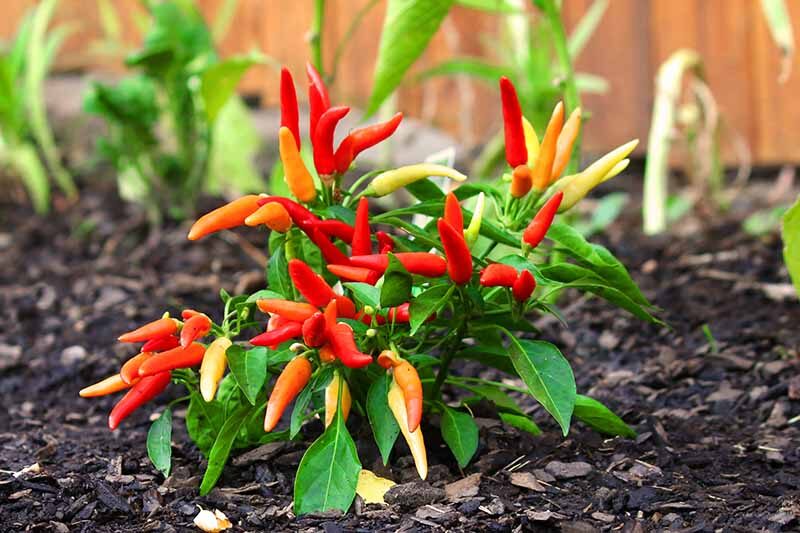
- Habit and size: Compact, upright, and bushy; many ornamental types reach about 20–45 cm (8–18 in) tall with a similar spread. Commonly sold as a finished plant in 12–15 cm (4.7–5.9 in) pots.
- Light: Full sun to very bright light; aim for at least 6–8 hours of direct sun daily to keep growth sturdy and fruits abundant.
- Temperature: Best at 21–25°C (70–77°F). Fruit set may drop above 30°C (86°F), and growth stalls below 10°C (50°F). Absolutely frost-tender.
- Water: Keep evenly moist; water when the top 2–3 cm (0.8–1.2 in) of mix is dry. Hot, dry air plus drought is the classic recipe for flower and young-fruit drop.
- Feeding: From April to August, feed weekly with a balanced fertilizer (for example NPK 20-20-20) at label rates. After fruit set, give 1–2 feeds higher in P/K (for example 15-30-15) to support flowering and fruit development.
- Safety: Fruits are edible but often extremely hot; capsaicin can irritate eyes, mouth, and skin. Keep away from children and pets and wash hands after handling.
Design principles for mixed pepper pots (without sacrificing the show)
- Start with the right pot and mix
- For a single plant: 12–15 cm (4.7–5.9 in) pot works well.
- For mixed plantings: use 25–40 cm (10–16 in) wide containers with drainage holes.
- Soil: A rich, well-drained potting blend. Use quality potting soil with compost/leaf mold plus 10–30% perlite or coarse sand. Avoid waterlogging.
- Sun first, shade second
- Peppers need the prime sun seat. Place companions that stay low and won’t cast shade on the pepper’s canopy.
- Spacing and airflow
- Give the pepper an open “breathing ring” of about 10–15 cm (4–6 in) from its stem to any companion. This keeps foliage dry and reduces pest/disease pressure.
- Watering harmony
- Stick to the pepper’s rule: water when the top 2–3 cm (0.8–1.2 in) of mix is dry, typically every ~3 days in warm, bright conditions. Water deeply until it drains.
- In heat waves, check moisture daily but still water only when that top layer is dry.
- Feeding a community
- Companions in the same pot can share the pepper’s weekly balanced feed April–August. After the pepper sets fruit, give 1–2 higher P/K feedings; companions tolerate this well.
- Heat, drafts, and ethylene
- On scorching days, boost airflow; avoid hot, dry indoor drafts. If indoors, keep the pot away from bowls of ripening fruit—ethylene can trigger flower/fruit drop.
Container-friendly companion all-stars
Choose compact, sun-loving partners that match pepper’s warm-season needs, help with pests, and draw pollinators.
Pollinator magnets (and tidy bloomers)
- Dwarf zinnias (e.g., Profusion series): Heat-tough, low and mounded, rich nectar for bees and butterflies; deadhead or shear lightly to keep blooms coming.
- Sweet alyssum (choose heat-tolerant types like ‘Snow Princess’): A carpet of tiny flowers that attract beneficial insects. Shear back if it sprawls or flags in heat.
- French marigolds (Tagetes patula, compact forms): Bright edges, steady blooms, and a helpful scent cloud that deters several soft-bodied pests.
Aromatic “scent shields” and edible understory
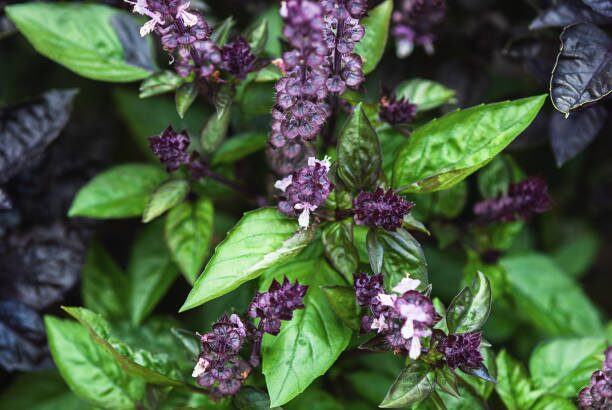
- Basil (dwarf Greek or compact Genovese): Repels aphids and spider mites, invites pollinators when allowed to flower (pinch until peppers set). Loves the same sun and moisture.
- Chives or scallions: Slender roots share space easily; the oniony scent can confuse pests and the flowers feed pollinators later in the season.
- Creeping thyme or low oregano: Fragrant, bee-friendly ground-huggers; thrive in sun and prefer good drainage. Keep them at the pot’s rim so they don’t crowd stems.
- Nasturtiums (dwarf/trailing): A cheerful “trap crop” for aphids that also feeds pollinators; let it spill over the container edge so it doesn’t smother the pepper.
Tip: Skip thirsty shade-lovers and drought lovers that need very lean soil (like lavender). You want sun-mates with compatible water needs.
Five ready-to-plant pepper pot recipes
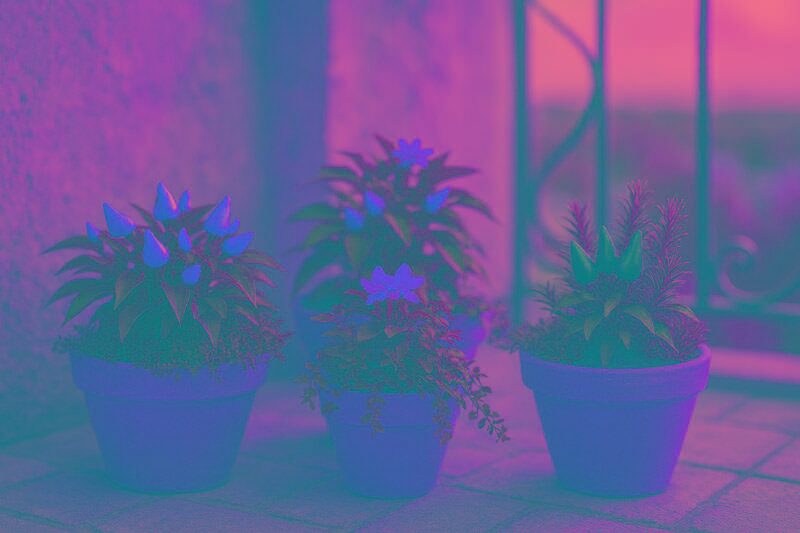
Each recipe keeps the pepper center-stage while companions do useful work at the rim.
1) Sunny Salsa Mini (30 cm / 12 in pot)
- Center: 1 ornamental pepper (20–30 cm tall at maturity)
- Rim trio: 3 dwarf Greek basil plants, spaced evenly
- Accents: 3 dwarf French marigolds tucked between basils
- Spacing: Keep 10–12 cm (4–5 in) from pepper stem; companions 8–10 cm (3–4 in) from rim
- Care notes: Pinch basil to keep it low until peppers color; deadhead marigolds weekly.
2) Pollinator Parade (35–40 cm / 14–16 in bowl)
- Center: 1 ornamental pepper (25–40 cm)
- Ring: 4 dwarf zinnias (evenly spaced)
- Spill: 2 sweet alyssum at opposite edges
- Spacing: Pepper’s 12–15 cm (5–6 in) breathing ring; flowers near rim
- Care notes: Shear alyssum midseason; lightly trim zinnias to keep sightlines open to the pepper fruits.
3) Mediterranean Mosaic (35 cm / 14 in low bowl)
- Center/offset: 1 ornamental pepper slightly off-center for visual movement
- Rim weave: 2 creeping thymes + 2 low oreganos alternating
- Pops of color: 2 compact marigolds opposite each other
- Spacing: Herbs at rim; marigolds midway; maintain 12 cm (5 in) clearance around pepper
- Care notes: Keep mix well-drained; avoid overwatering. Lightly thin pepper foliage for airflow if canopy gets dense.
4) Edible Fringe with Flower Guard (30–35 cm / 12–14 in)
- Center: 1 ornamental pepper
- Rim: 4 clumps of chives or young scallions
- Color guard: 2 dwarf marigolds between chive clumps
- Spacing: 10–12 cm (4–5 in) from pepper stem; chives right at rim
- Care notes: Harvest chives from the outside; leave enough foliage to keep roots strong.
5) Trailing Trap-and-Treat (35–40 cm / 14–16 in)
- Center: 1 ornamental pepper
- Edge: 2 trailing nasturtiums opposite each other
- Balance: 2 dwarf basil plants between nasturtiums
- Spacing: Nasturtiums at rim to spill; basils midway; maintain pepper’s open ring
- Care notes: Redirect or pinch nasturtiums so they don’t blanket the pepper canopy. Let one basil bloom late to draw pollinators after fruit set.
Spacing, watering, and feeding—your mixed-pot playbook
- Spacing rules of thumb
- Pepper stem to any companion: 10–15 cm (4–6 in)
- Companion to pot rim: 5–10 cm (2–4 in)
- Keep companions below or even with the pepper’s canopy line so the fruits stay in the spotlight.
- Watering rhythm
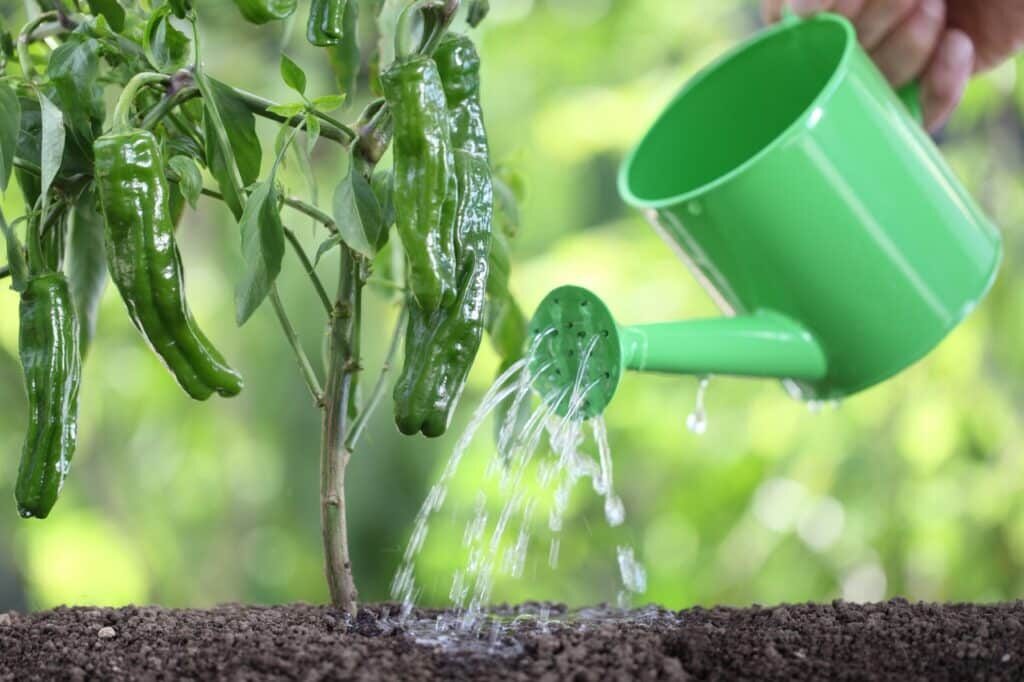
- Check daily; water only when the top 2–3 cm (0.8–1.2 in) is dry. In bright summer conditions, that’s often every ~3 days.
- Water early in the day, soaking fully until water exits the drain holes. Avoid leaving leaves wet overnight.
- Feeding cadence
- April–August: once a week with a balanced fertilizer (e.g., 20-20-20) at label rates.
- After fruit set: 1–2 feedings with a higher P/K ratio (e.g., 15-30-15).
- If growth is all leaves and few fruits, ensure maximum sun and steady moisture rather than piling on nitrogen.
Keep the fruit fireworks going
- Pinch and prune
- Pinch pepper tips 2–3 times early for branching. Later, thin a few inner leaves for airflow.
- If flowers/fruits are excessively heavy, thin a few to reduce stress and improve size.
- Pinch basil regularly; deadhead marigolds and shear alyssum and zinnias to refresh.
- Temperature tactics
- In heat above 30°C (86°F), fruit set can stall. Improve airflow, water steadily, and consider light midday shade if you’re in a blazing microclimate.
- Move containers if nights drop below 10°C (50°F). Indoors, give the brightest window—east, south, or west.
Troubleshooting in mixed containers
- Fruit or flower drop
- Usual culprits: not enough sun, hot/dry air, or missed/uneven watering. Recommit to full sun and the “top 2–3 cm dry” watering rule.
- Indoors, relocate away from ripening fruit bowls (ethylene encourages drop).
- Sparse or small fruits
- Boost light to full sun; keep warmth around 21–25°C (70–77°F). Feed weekly and don’t let pots dry out completely.
- Pests (aphids, spider mites)
- Rinse plants gently, increase airflow/humidity balance, and use insecticidal soap or horticultural oil as needed. Your companions (basil, marigolds, alyssum) help, but they’re not a cure-all.
- Spots or rot on fruit/foliage
- Remove affected parts, avoid late-day leaf wetting, and improve ventilation.
Safety, harvest, and display
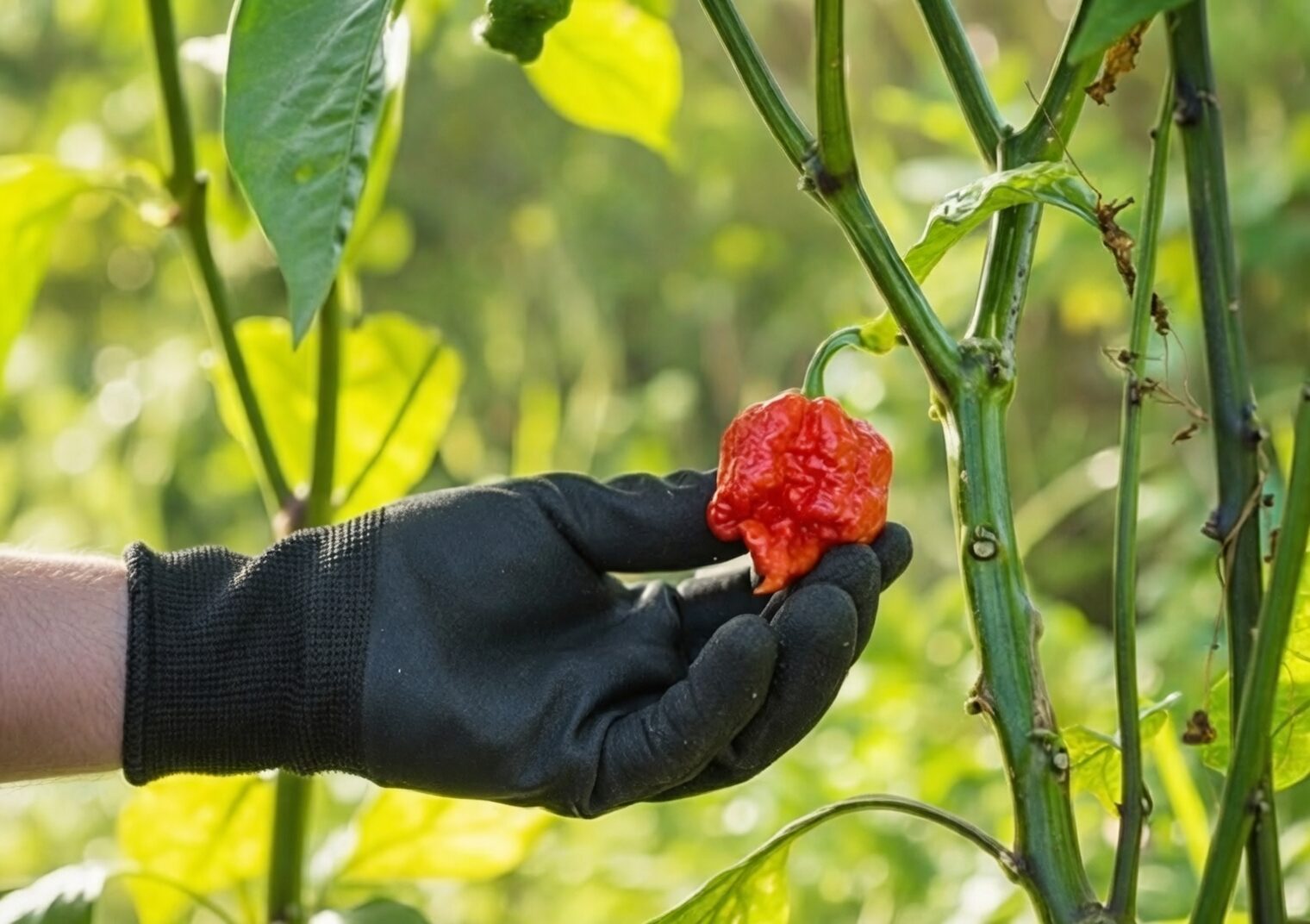
- Handle fruits with care—many ornamental types are extremely hot. Wear gloves if sensitive, and never touch eyes after harvesting.
- Enjoy the color show primarily as décor; if tasting, start with a tiny piece.
- Keep pots out of reach of children and pets.
A quick seasonal rhythm for success
- Late winter–early spring: Start seeds indoors; germinate warm (25–30°C / 77–86°F). Transplant at 8–10 true leaves.
- Spring–summer: Maximum sun, even moisture, weekly feeding. Pinch for shape; add companions once nights are warm.
- After fruit set: Give 1–2 higher P/K feeds; thin if overloaded. Keep moisture steady.
- Autumn–winter: Peak display; brightest light, warm room, even moisture; protect from drafts and chills.
Ornamental peppers are already showstoppers. Add a few well-chosen companions, and your container becomes a tiny, sunlit ecosystem—pollinators cruising, pests kept in check, and a nonstop parade of glossy, upright fruits stealing the scene all season long.