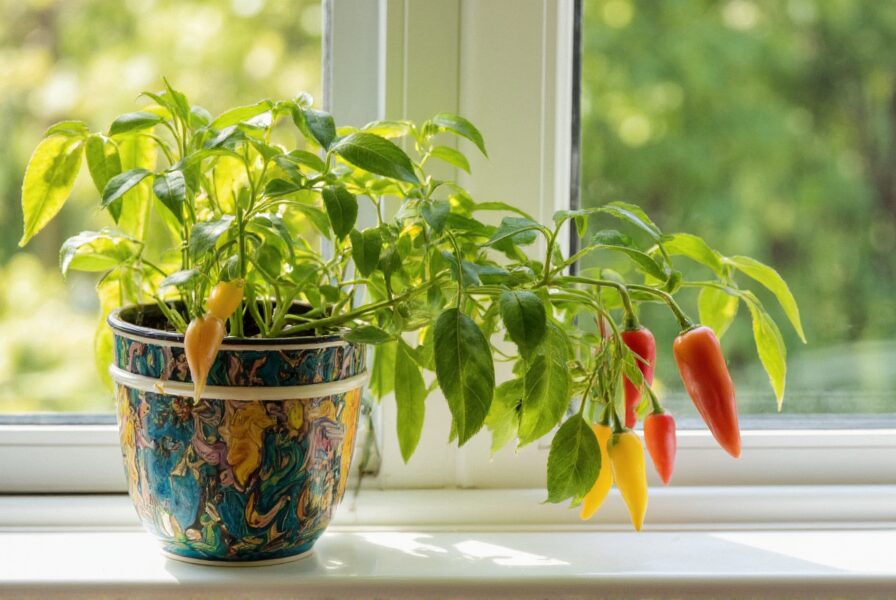
If autumn had a sparkler, it would be Capsicum annuum—better known as ornamental pepper. These compact, bushy plants stud themselves with glossy, upright fruits that ripen in waves, so you get multiple colors at once. Think jewel-toned “candles” rising over deep-green foliage—exactly the punchy, modern accent a windowsill, mantel, or party vignette needs from late fall through winter. Below, design-forward ways to stage them (pot sizes, groupings, and color pairings that truly sing), plus smart capsaicin safety so your décor dazzles—without the burn.
Meet ornamental peppers: the mini fireworks of autumn–winter
- Botanical: Capsicum annuum (family Solanaceae); also called Christmas Pepper, Five-Color Pepper, Ornamental Chili Pepper.
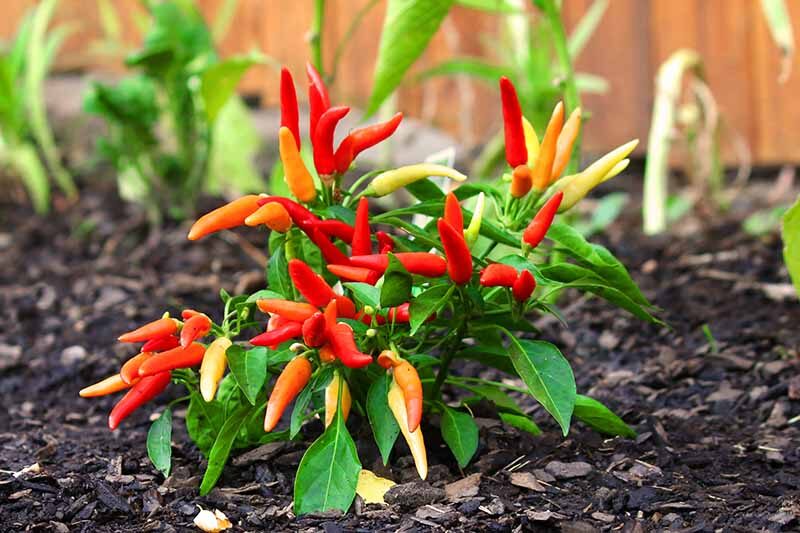
- Look: Dense, glossy green foliage with starry white flowers that give way to shiny, upright fruits. Colors shift as they ripen—green to yellow, orange, and red; some varieties add sultry purple.
- Size: Typically 20–45 cm (8–18 in) tall and similarly wide; often sold finished in 12–15 cm (4.7–5.9 in) pots—compact enough for shelves and sills.
- Season: Fruiting display usually peaks autumn to winter (especially indoors after summer flowering). Warmth and strong light extend the show.
- Origin story: Native to the tropical Americas (Mexico to northern South America); now grown around the world.
Design-forward display strategies
Pot sizes and proportions that flatter
- Start/finish size:
- Best single-plant finish: 12–15 cm (4.7–5.9 in) diameter pots. This scale supports a full, fruit-loaded canopy without tipping.
- Micro accents: 9–10 cm nursery pots slip neatly into small cachepots for breakfast nooks or powder-room perches.
- Don’t oversize: Big pots stay wet and can stunt performance. Pot up only when roots truly fill the current pot.
- Shape and material:
- Cylindrical or straight-sided ceramic shows off the upright fruits; matte charcoal, milky white, or brushed brass feel luxe for winter.
- Low bowls (with inner nursery pots hidden inside) make a modern “fruit constellation.”
- Topdress like a stylist:
- Charcoal or white gravel amplifies pepper colors.
- Spanish moss or cocoa husk fiber softens edges in rustic/holiday schemes.
- Drainage is non-negotiable: Always use containers with holes and saucers; ornamental peppers dislike soggy feet.
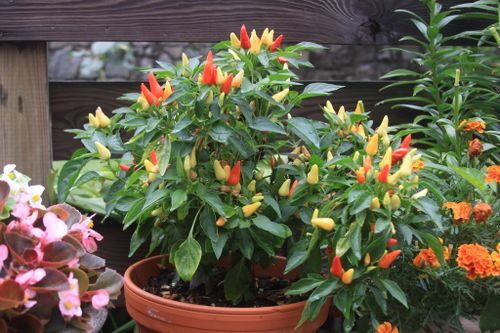
Groupings that glow
- Work in odd numbers: Trios and quintets read intentional. Stagger heights on a stepped stand or stack of books.
- Build a color gradient: Arrange from cream/yellow to orange to red/purple for a “sunset stripe” on a mantel.
- Window boxes and troughs:
- 45–60 cm (18–24 in) long: 3 peppers in 12 cm pots set in a gentle triangle.
- 75–90 cm (30–36 in): 5 peppers; alternate fruit colors for rhythm.
- Centerpiece trick: Three peppers in 12 cm pots tucked into a long, narrow cachepot with moss hides mechanics and keeps the look clean and modern.
Color pairings that make the fruit pop
- Autumn warmth
- Red/orange peppers + copper or brass pots + bronze heuchera foliage.
- Cream-to-red peppers + white ceramic + mini white pumpkins for a fresh harvest palette.
- Moody modern
- Purple-fruited varieties + matte black or smoked-glass vessels + a silver-leaf accent (think a single dusty miller stem on a protected porch).
- Winter bright
- Red fruits + crisp white pots + miniature conifers or rosemary standards for a “tree lights” vibe.
- Multicolor fruits + satin gold touches + white cyclamen as a frosty foil.
- High-contrast chic
- Purple peppers set against chartreuse companions (e.g., lemony cypress or a lime-toned houseplant) for electric contrast.
Note: When combining with other plants, match light needs. Ornamental peppers crave sun; companions like rosemary, small conifers, heuchera, cyclamen, and pansies thrive in bright, cool conditions on protected porches or bright windows. Protect from chills below 10°C (50°F).
Place for both light and looks
- Light is your “dimmer switch” for fruit: Aim for full sun to very bright light—ideally 6–8 hours daily. East-, south-, or west-facing windows, sunrooms, and sunny balconies are prime.
- Keep warm: Best performance at 21–25°C (70–77°F). Growth slows above 30°C (86°F) and mostly stops below 10°C (50°F).
- Avoid fruit bowls: Keep plants away from ripening bananas/apples. Ethylene gas can trigger flower/fruit drop.
- Drafts matter: Hot, dry air (heaters) plus missed watering equals fruit drop. Provide bright light without blasting vents.
Keep the show going: quick care checklist
- Watering: Keep the mix evenly moist; water when the top 2–3 cm (0.8–1.2 in) feels dry. In bright, warm rooms, that’s often about every ~3 days. Never let the pot bone-dry or sit soggy.
- Feeding: From April–August, use a balanced feed about weekly (e.g., NPK 20-20-20); after fruit set, 1–2 feedings higher in P and K (e.g., 15-30-15) support the display.
- Pruning and thinning:
- Pinch tips 2–3 times early for a fuller, branching plant.
- If overloaded, thin a few flowers/fruits for larger, longer-lasting color and less stress.
- Repotting: Commonly finished at 12–15 cm. Upsize only when rootbound; use a fertile, fast-draining mix with 10–30% perlite/coarse sand.
- Humidity and airflow: Moderate humidity helps; avoid leaving foliage wet overnight. Good airflow minimizes spotting/rot.
- Pests: Aphids and spider mites love warm, dry rooms. Rinse, improve humidity/airflow balance, and use insecticidal soap or horticultural oil if needed.
- Insider tip: If the canopy gets crowded, remove a few interior leaves to let light and air in—more color, less drop.
Capsaicin safety: dazzle without the burn
Know the risk (and what “edible” really means)
- These fruits are technically edible because they’re the same species as culinary peppers—but ornamental types are often extremely hot.
- Capsaicin can cause intense burning on skin, in eyes, or in mouths, and can irritate broken skin. Treat them as décor unless you’re very sure about cleanliness and your personal heat tolerance.
- Not typically classified as poisonous, but hot fruits can still cause discomfort. Keep well out of reach of children and pets.
Placement rules for homes with kids, pets, and guests
- Height is safety: Style plants on high shelves, mantels, or wall-mounted ledges rather than coffee tables or floor planters.
- Party protocol:
- Never place peppers on buffet lines or near crudités—guests will assume “edible centerpiece.”
- Use clear visual cues: A small “decor only” card, or place under clear cloches for drama plus a hands-off message.
- Entryways: Keep at least an arm’s length from where bags and scarves land—brushed fruits transfer oils to hands and fabric.
Handling and cleanup like a pro stylist
- When trimming or rearranging, wear gloves; avoid touching your face.
- After handling, wash with dish soap (capsaicin is oil-soluble) and cool water. Launder any pepper-contact cloths separately.
- Wipe pots and surfaces with a little soapy water after fruit contact—especially before meals or guest arrival.
First-aid basics if “heat happens”
- Eyes: Rinse gently with clean, cool water or saline for several minutes. Don’t rub.
- Skin: Wash with dish soap and cool water; repeat as needed.
- Mouth: Sip milk or yogurt; avoid just water (it spreads the oils). If discomfort is severe or persistent, seek medical advice.
- Pets: If a pet nibbles fruit and shows distress, call your veterinarian for guidance.
Party-proof alternatives
- Choose milder-labeled cultivars when available, or mix peppers with non-pungent lookalikes (e.g., colorful berries in separate, unreachable arrangements).
- For dining tables, consider placing the real peppers on the sideboard under cloches and using pepper-colored ornaments as the hands-on centerpiece.
Quick styling recipes (plug-and-play)
Sunlit windowsill trio (classic)
- Vessels: Three 12 cm matte-white cylinders.
- Plants: One each in cream-to-red, orange, and purple-fruited forms.
- Topdress: Fine white gravel.
- Placement: South-facing sill; rotate weekly for even color.
Entry console “runway”
- Vessel: 60–70 cm long narrow trough (line with waterproof tray).
- Plants: Five peppers in 10–12 cm nursery pots nestled in a zigzag.
- Accent: Wisps of Spanish moss to conceal pots; a pair of taper candles at each end.
- Safety: Console height keeps fruits away from curious hands.
Holiday mantel glow-up
- Vessels: Three brushed-brass cachepots in small/medium/large, staggered.
- Plants: Red-forward peppers; tuck in a miniature conifer for texture.
- Extras: A few glass ornaments and a strand of fairy lights around—not on—the plants.
- Light/heat caveat: Keep fairy lights cool-to-touch and away from leaves; avoid heat vents.

Protected porch pair (above 10°C/50°F only)
- Vessels: Two 25–30 cm outdoor containers with excellent drainage.
- Plants: Center a 15 cm pepper, edge with cool-season companions like cyclamen or pansies.
- Palette: Purple peppers + icy-white cyclamen for a crisp look.
- Weather watch: Bring in or cover during cold snaps; peppers are frost-tender.
Troubleshooting your display
- Sparse or tiny fruits? You likely need more sun. Move to the brightest window (aim for 6–8 hours) and keep temperatures around 21–25°C (70–77°F).
- Fruit or flower drop? The usual trio: missed watering, hot/dry air, or low light. Water evenly, add a humidity bump, and relocate to brighter light. Also check proximity to ripening fruit bowls (ethylene).
- Leggy growth? Not enough sun. Trim lightly and upgrade the exposure.
A small dose of symbolism
Ornamental peppers are widely seen as festive—little lights of warmth, vitality, and celebration during the darker months. While there’s no strict Victorian “flower language” canon for Capsicum, many cultures have long equated peppers with energy and heat in the kitchen. In décor, that translates to a spirited pop of optimism—living confetti that keeps color in the room when the garden sleeps.
The short list: what peppers want for peak winter color
- Sun: Full sun to very bright light (6–8 hours).
- Water: Evenly moist; never bone-dry, never waterlogged.
- Warmth: Best at 21–25°C (70–77°F); protect from chills below 10°C (50°F).
- Pot: Finish in 12–15 cm with fast-draining mix; don’t oversize.
- Safety: Keep out of reach; handle like hot chilies; label or cover at parties.
Style boldly, light them well, and give them just-right moisture. Your Capsicum annuum will repay you with a months-long color story—the perfect modern counterpoint to wool throws, candlelight, and cozy evenings—minus any accidental “spice drama.”