
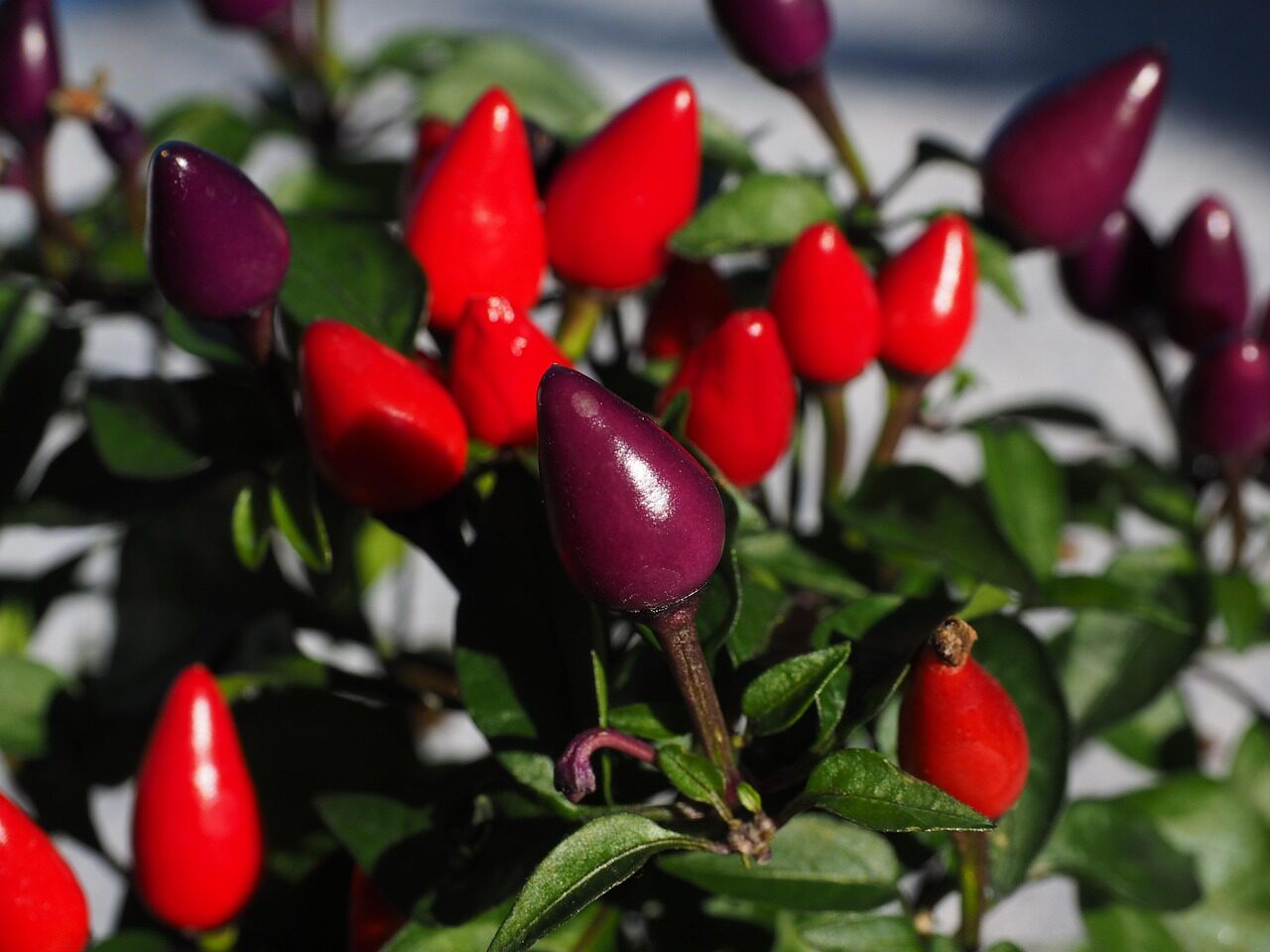
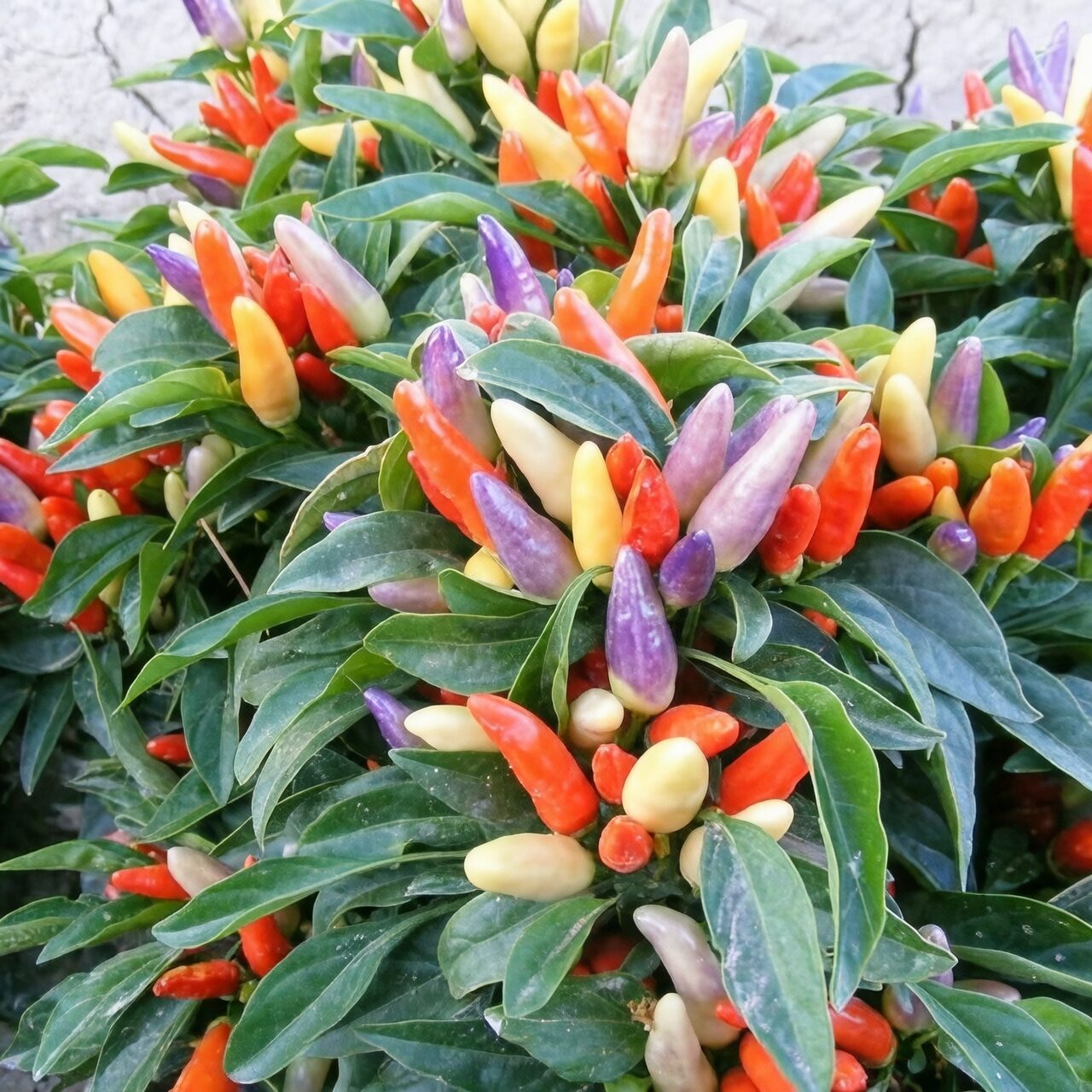
Think of Capsicum annuum (ornamental pepper) as a tiny firework factory: compact, glossy, and suddenly ablaze with upright fruits that shift through green, yellow, orange, red—and sometimes purple. To keep that color show peaking from autumn into winter (without buds and baby fruits bailing out), run this simple, repeatable blueprint: big sun (6–8 hours), warm days (21–25°C), steady water rhythms (whenever the top 2–3 cm dries), and weekly feeding. Do that, and your plant will look like it’s wearing holiday lights.
Meet Ornamental Pepper at a Glance
- Names: Ornamental Pepper, Christmas Pepper, Five-Color Pepper (Capsicum annuum; Solanaceae)
- Origin: Tropical Americas (Mexico to northern South America); now grown worldwide
- Habit: Compact, bushy, upright; typically 20–45 cm tall in a 12–15 cm pot
- Show: Small white, starry flowers followed by glossy, mostly upright fruits that ripen in waves for a multi-color display
- Edibility note: Same species as culinary peppers, so fruits are technically edible—but ornamental types are often extremely hot. Capsaicin can burn eyes, mouth, and skin. Handle with care and keep out of reach of children and pets.
The Care Blueprint (So fruits don’t abort—and color explodes)
1) Sun: 6–8 hours of direct light
More sun equals more flowers and a heavier fruit set.
- Best placements: Bright east-, south-, or west-facing windowsill, sunroom, or sunny balcony/patio.
- What you’ll see if it’s dim: Leggy stems, fewer/smaller fruits, lackluster color.
- Pro tips:
- Rotate the pot weekly for even branching and coloring.
- Indoors in darker seasons, slide the plant to the brightest glass you have and pull curtains at night to keep warmth in.
2) Temperature: The 21–25°C sweet spot
Warmth drives steady growth and reliable fruiting.
- Ideal: 21–25°C (70–77°F)
- Cautions:
- Above 30°C (86°F): growth may slow and fruit set can drop.
- Below 10°C (50°F): growth largely stops—protect from chills and frost.
- Microclimate tips: Keep it away from cold windowpanes at night and from blasting hot, dry vents that desiccate buds.
3) Water rhythm: When the top 2–3 cm dries
Even moisture prevents stress-related flower and young-fruit drop.
- How to water:
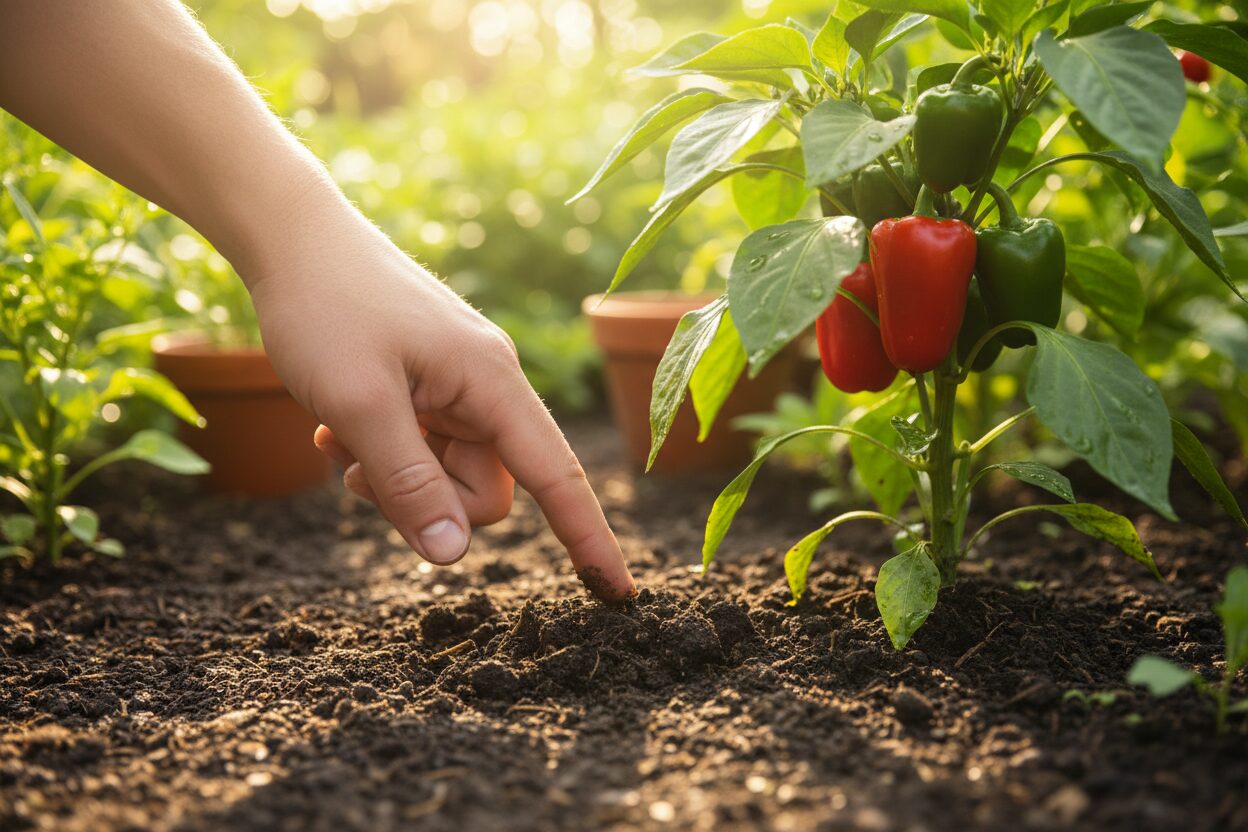
- Check with a finger. When the top 2–3 cm (0.8–1.2 in) feels dry, water thoroughly until excess drains out.
- In bright, warm conditions this is often about every ~3 days, but adjust for your light, pot size, and indoor climate.
- Never: Let the mix bone-dry or stay soggy. Either extreme promotes bud/fruit abort or root troubles.
- As fruits fully color: You can ease slightly on frequency—just don’t let the plant wilt.
4) Weekly feeding: Build color, prevent drop
Fuel flowers and fruit through the high-energy season.
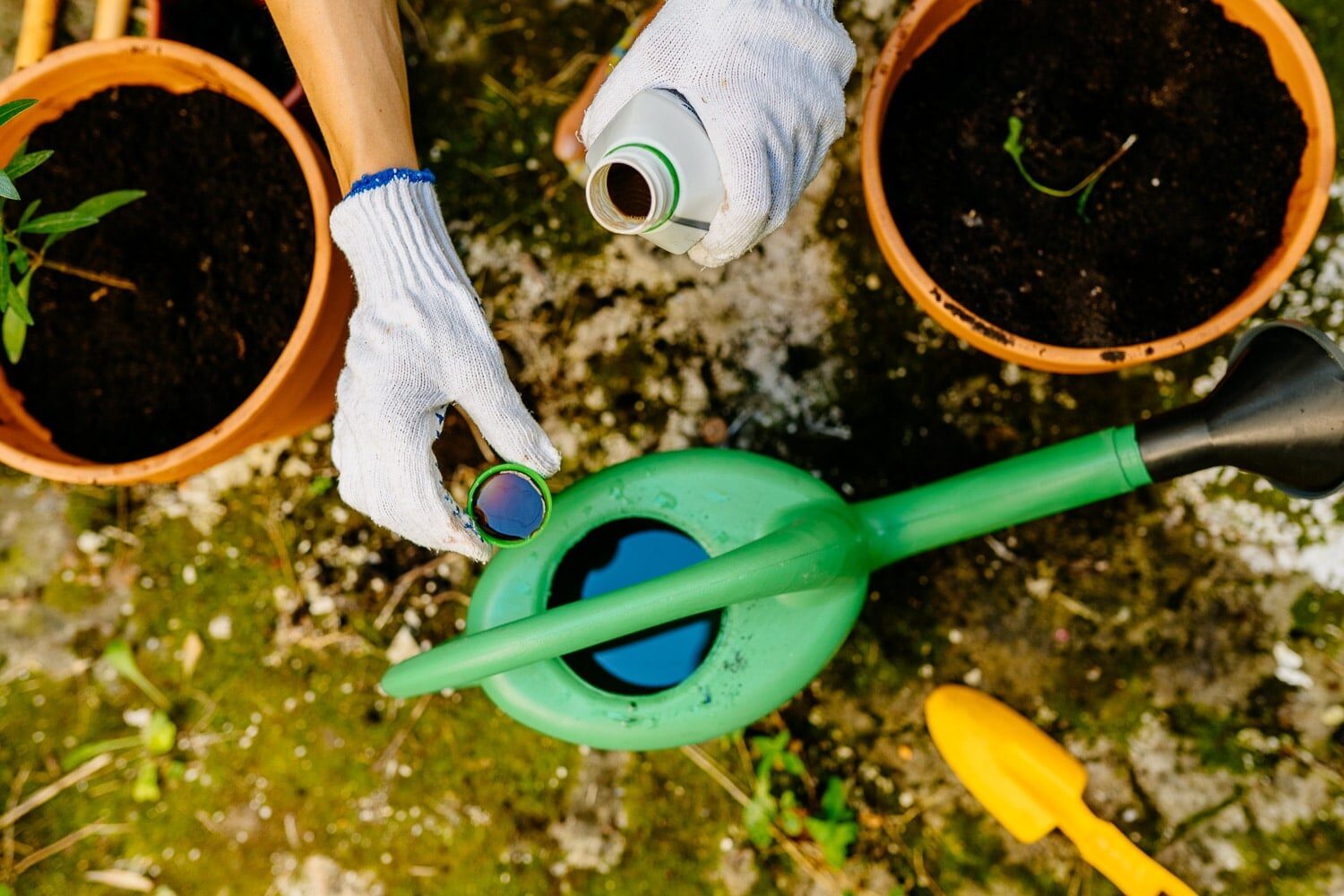
- Main season (April–August): Feed once a week with a balanced fertilizer (e.g., 20–20–20) at label rates.
- After fruit set: Add 1–2 feedings higher in phosphorus and potassium (e.g., 15–30–15) to support flowering and fruit development.
- Tip: Consistent nutrition plus even moisture is your best insurance against tiny, sparse, or dropping fruit.
The Supporting Cast: Soil, Pot, Humidity, and Air
Soil that drains fast but holds nutrients
- Use a rich, fertile, well-drained potting mix: quality potting soil or loam-based mix + compost/leaf mold, plus 10–30% perlite or coarse sand.
- Optional boost: Mix in ~15% well-rotted manure or mature compost. Avoid waterlogged soils at all costs.
Potting and repotting
- Finish plants in 12–15 cm (4.7–5.9 in) pots with drainage holes.
- Don’t oversize the container—excess mix stays wet and can slow performance.
- Repot only when necessary.
Humidity and airflow
- Prefers moderate humidity; hot, dry air plus dry soil is a classic trigger for bud and fruit drop.
- Lightly mist in very dry rooms, but avoid leaving foliage wet overnight. Good airflow is more important than frequent misting.
Placement tricks that protect your crop
- Keep away from bowls of ripening fruit—ethylene gas can encourage flower/fruit drop.
- Shield from harsh indoor drafts and heat vents.
Shaping, Thinning, and Training for a Heavier Show
- Pinch tips 2–3 times early on to encourage branching and a fuller canopy.
- Later, selectively thin crowded leaves for airflow and light penetration.
- If the plant sets too many fruits at once, thin a few. This reduces stress, increases remaining fruit size, and lowers the risk of drop.
The Season-by-Season Game Plan
- Late winter to early spring:
- Start seeds indoors. Soak seeds 1–2 hours, sow 1 cm deep, and keep 25–30°C for quick germination (often 3–5 days).
- Transplant when seedlings have 8–10 true leaves.
- Spring to summer:
- Maximize sun (6–8 hours), hold the 21–25°C sweet spot, water when the top 2–3 cm dries, and feed weekly.
- In very dry air, a light midday mist is fine; emphasize airflow.
- After fruit set:
- Add 1–2 high P/K feeds and thin excess fruits if overloaded.
- Autumn to winter (peak display):
- Keep in the brightest possible light, warm, and evenly moist.
- Avoid droughts and hot, dry drafts to prevent fruit drop.
With good light and warmth, showy fruit often develops about 60–90 days from sowing (variety and conditions matter).
Troubleshooting: Fast Fixes That Save the Display
- Sparse or tiny fruits:
- Increase direct sun to 6–8 hours, keep 21–25°C, and maintain even moisture. Feed weekly.
- Sudden bud/fruit drop:
- Check for missed waterings, hot/dry air, or heat spikes above 30°C. Move away from ripening fruit bowls (ethylene).
- Leggy growth:
- Not enough sun—move to a brighter window and pinch to encourage branching.
- Pest blips (especially in warm, dry rooms):
- Aphids and spider mites are common. Rinse the plant gently, improve airflow and humidity balance, then use insecticidal soap or horticultural oil as needed.
- Disease spots/rot:
- Remove affected parts promptly. Water the soil, not the leaves, and avoid wet foliage late in the day.
Safety and Handling
- Fruits are technically edible but often extremely hot. Capsaicin can burn eyes, mouth, or broken skin.
- Keep out of reach of children and pets. Wash hands after handling fruits and avoid touching your face.
Styling Notes and Cultivar Flavor
- Many varieties ripen through a parade of colors at once—hence the “Christmas lights” vibe in cooler months.
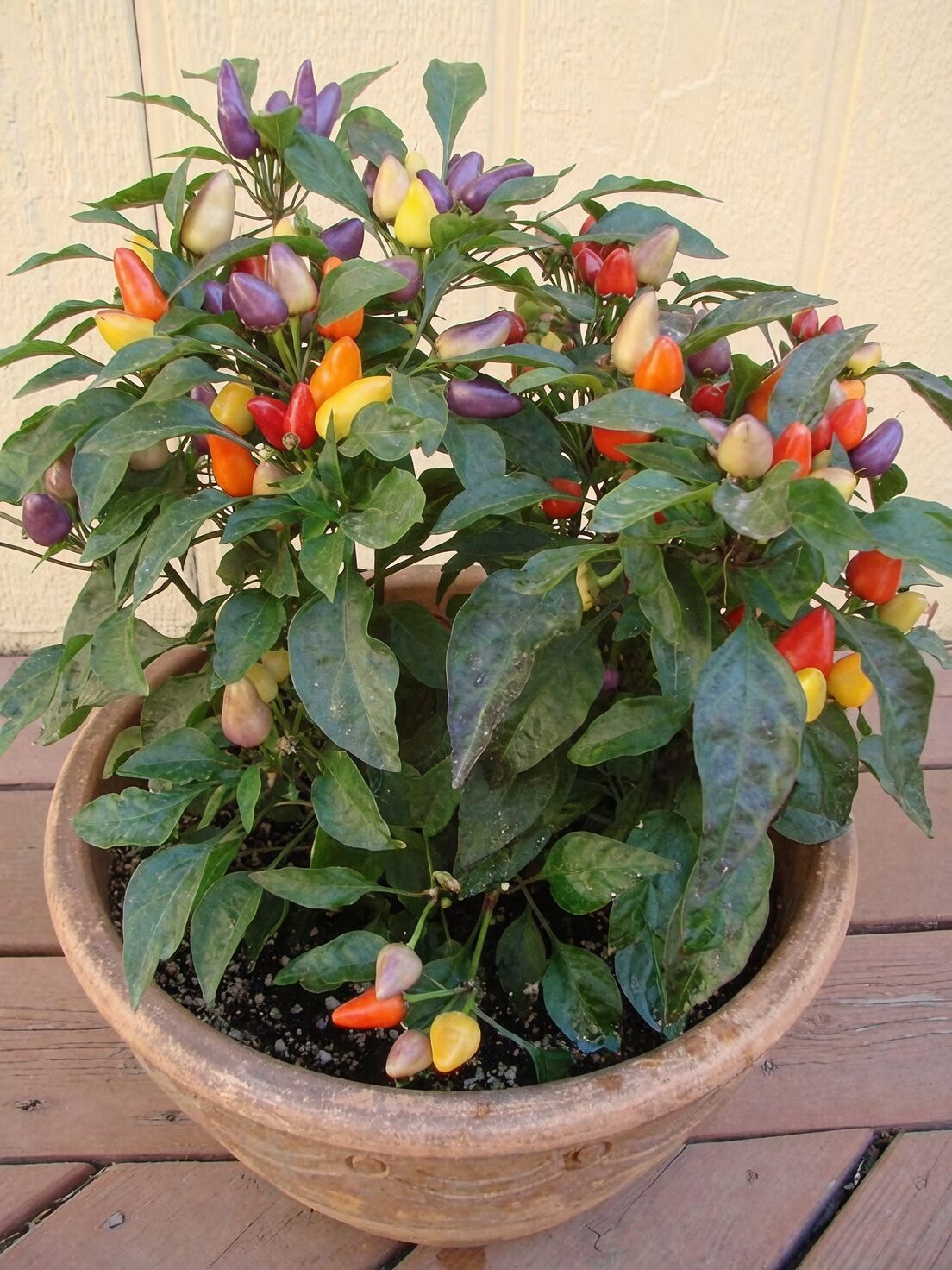
- Popular ornamental picks include:
- Black Pearl: round, near-black to red fruits, often with dusky foliage
- Holiday Cheer: small round fruits shifting cream → yellow → red
- Masquerade: cone-shaped fruits with dramatic purple tones
- Chilly Chili: bred for low heat (still handle thoughtfully)
- Tip: Choose plants that are short, sturdy, and well-branched with glossy, evenly colored fruits and lush green leaves—avoid soft, wrinkled, or blackened peppers.
Symbolism: A Pocketful of Festivity
Ornamental pepper isn’t a classic of old-fashioned “flower language,” but its modern symbolism is clear: warmth, vitality, and celebration. Because fruits ripen in waves and several colors can glow together on one plant, it’s become a seasonal emblem of cheer—especially from autumn through winter—signaling abundance and bright energy in compact form.
Quick-Start Checklist
- Sun: 6–8 hours of direct light daily
- Temperature: 21–25°C; avoid 30°C
- Water: When the top 2–3 cm dries; keep evenly moist, never soggy
- Feed: Weekly April–August (balanced); after fruit set add 1–2 high P/K feedings
- Air: Moderate humidity, steady airflow; avoid hot, dry drafts
- Shape: Pinch early; thin foliage/fruit if overcrowded
- Placement: Brightest window; keep away from ripening fruit bowls
Run this blueprint, and your Capsicum annuum will reward you with a steady cascade of color—just when your home needs it most.